COTTO Green Bathroom for Sustainable Living
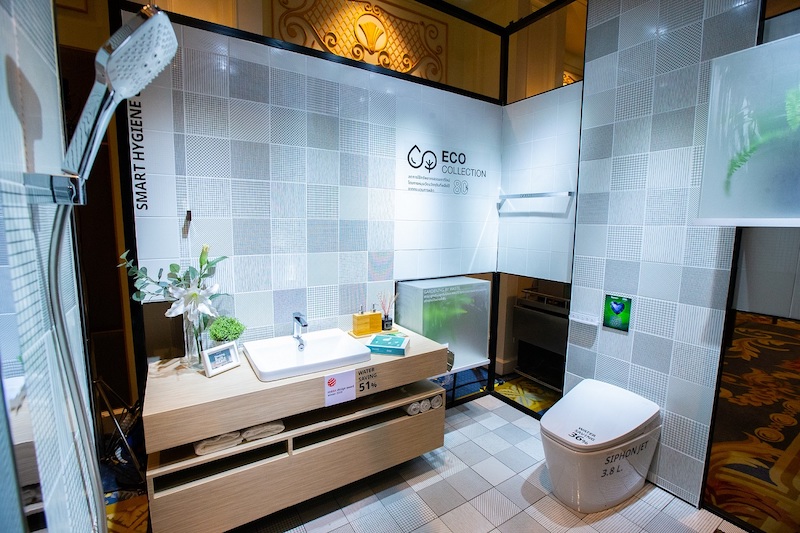
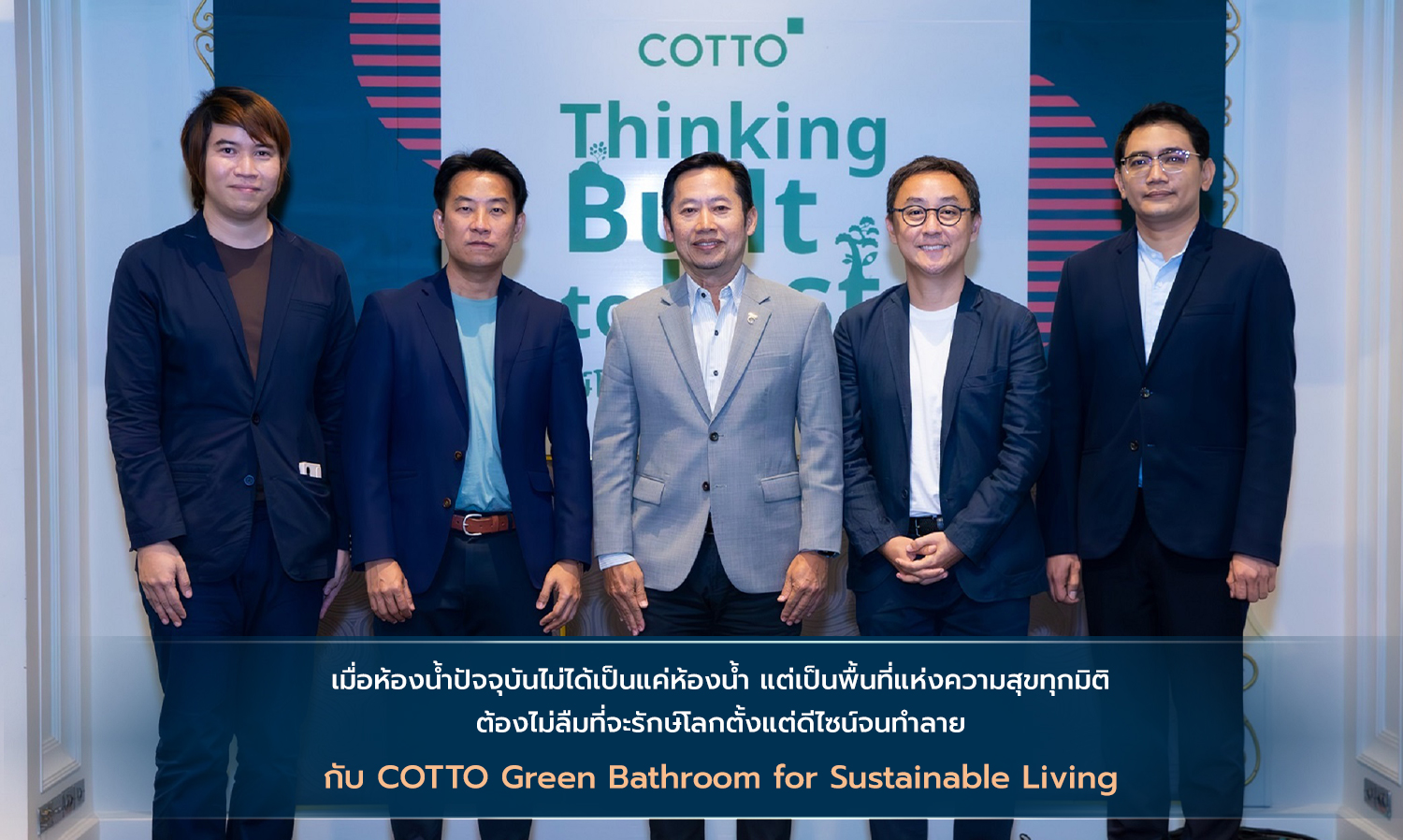
As industries worldwide become increasingly aware of global warming, the construction design sector is also integrating eco-friendly concepts into its processes. The "bathroom" plays a crucial role in energy conservation from the design phase to demolition, including the selection of materials, sanitary ware, and any equipment that contributes to making the bathroom a joyful space for all members of the household or building, while also serving as a sustainable green area. COTTO has prioritized water conservation for environmental reasons since 1989 and recently held a seminar titled "Green Bathroom for Sustainable Living" to discuss sustainable housing design with a focus on eco-friendly interior elements from design to demolition during the recent Architect 2023 event. The concept of COTTO Thinking Built to Last emphasizes environmental considerations from design to demolition, aiming to improve the well-being of people while minimizing environmental impact, and providing effective guidelines for creative environmentally-friendly building design.

Thanakrit Rattananeen, Consultant at Siam Sanitaryware Co., Ltd., stated that creating a joyful space for everyone requires a mindset focused on environmental friendliness as a key factor. Our existence depends on the planet's health, as environmental issues and global warming are becoming increasingly pressing. COTTO aims to encourage industry professionals to consider environmental sustainability from product design to disposal, ensuring that future generations can live on this planet sustainably. COTTO has been committed to this for over thirty years, producing products through a Green Process using recycled materials sourced from ISO-certified factories, which has always been part of COTTO's approach. All the bathroom products showcased today are part of this Green Process.

Ae Sarawut Hengsawat, known as "Nuea Klom," compared the shift in mindset to changing glasses that allow for clearer new perspectives. As environmental issues have become a contemporary image, many brands must respond to consumer demands and cannot merely create superficial images anymore; they must take concrete actions that consumers can verify.
"Personally, I greatly admire COTTO for its ideas and initiatives that provide consumers with choices to help restore the planet, even if it seems far gone. If we consider the bathroom as a space of happiness, that happiness arises from awareness. Every time consumers use products designed with sustainability in mind, they will feel joy in using those products."

June Sekino, a leading architect in Thailand known for her simple yet striking designs, believes that changing long-standing practices is not easy. Instead, small, consistent changes in our immediate surroundings can lead to significant transformations over time. This approach is more effective than focusing solely on large-scale global issues that are challenging to address quickly. Therefore, any change should start at home.
Current technology allows us to see things more clearly than in the past, even though the environmental degradation we face has been ongoing for a long time due to excessive resource consumption. However, this trend is decreasing as resources become scarce. For sustainable design, it should not be seen as a trend but as a standard. Bathrooms today serve more than just their basic function, as people spend more time in them engaging in various activities, necessitating a multi-dimensional design approach. Even in the preparation of construction materials, many tend to overestimate the quantity needed. By changing this perspective to prepare only what is necessary, we can further reduce resource consumption.
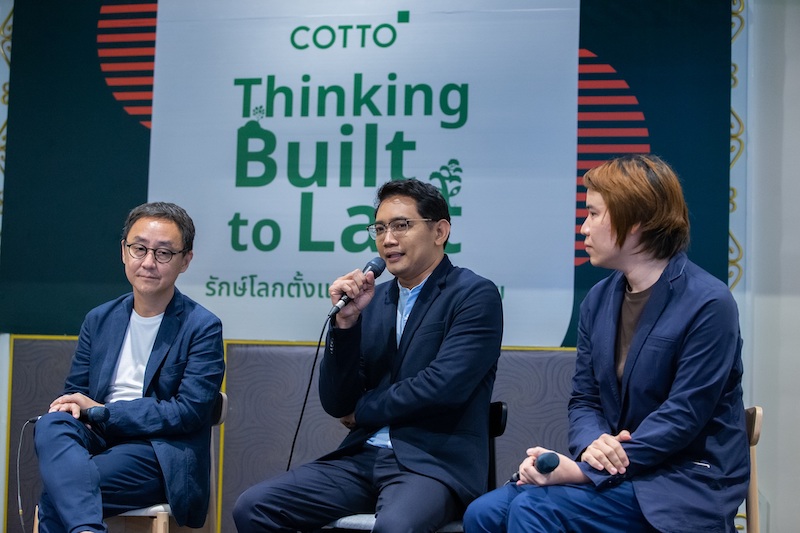
Dr. Panuphan Papun, an expert in energy and environmental design standards, believes that every change begins with a shift in perspective. We have only one planet, and we cannot go back to rectify past mistakes with nature. What we can do today is to be aware of the consequences before taking action, considering all possible ways to reduce environmental impacts. In terms of bathrooms, the current trend is towards green bathrooms, but we should also consider well-being, ensuring that designs are both green and health-friendly. Current building standards include green buildings and green bathrooms, focusing on well-being through thoughtful design, such as smart sanitary ware that conserves water and reduces bacterial buildup, faucets that minimize contact while providing a satisfying flow, and tiles designed to reduce slipperiness. In the era of PM 2.5, there are tiles that absorb odors and dust, enhancing freshness in the bathroom.

Thana Rattanakesetsin, an expert in sustainable production at COTTO, emphasizes the importance of production processes that minimize environmental impact, including waste management that creates sustainable value for communities. COTTO has prioritized sustainable production for over 30 years, taking concrete actions to reduce environmental impact from the outset by choosing materials that lessen harm to the environment, treating wastewater for reuse, and managing waste to prevent it from affecting local communities while creating job opportunities.
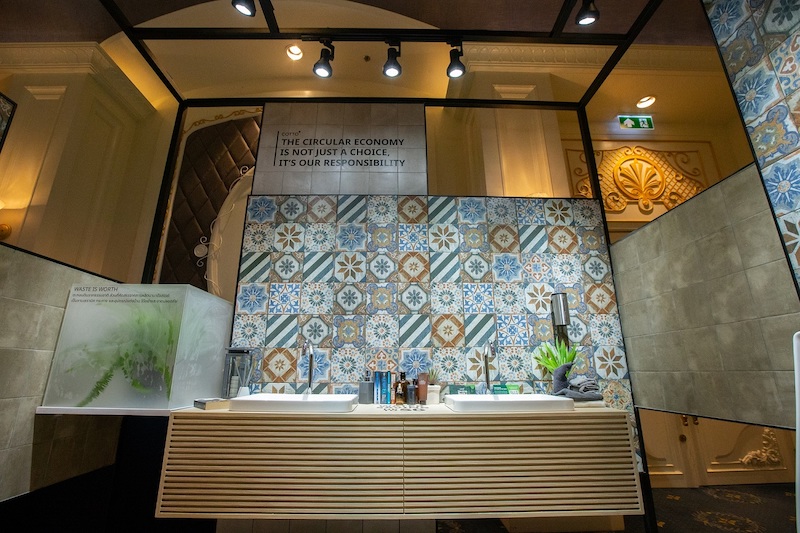
COTTO has developed water-saving sanitary ware for consumers, continuously improving with new technologies that enhance water conservation, resulting in a reduction of 1 billion liters of water saved to date, totaling 20 billion liters over the product's lifespan. Saving water also leads to energy conservation and a reduction in carbon dioxide emissions.
To create a joyful space, we must not harm our planet. By simply changing our perspective and starting with small, frequent actions, we can easily initiate change. With contributions from all sectors, we can work together to improve our world. COTTO aims to be part of the solution, considering every step from design to demolition to help restore our planet to a livable state.