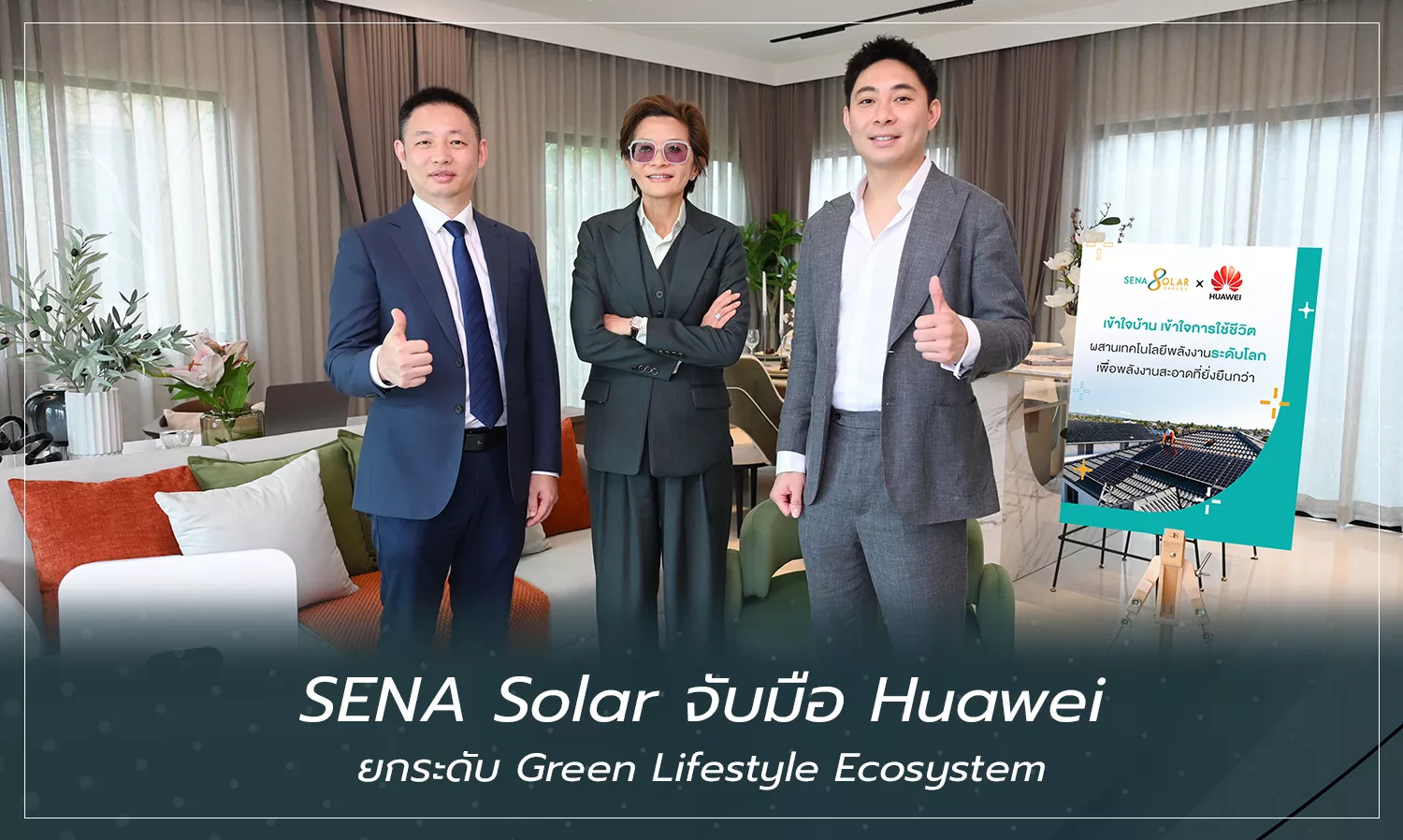
SENA Supports Solar Homes, Promoting Zero Energy Home Model to Reduce Electricity Costs
Sena Development reveals Chulalongkorn University research showing that Zero Energy Homes with solar panels are effective! They can reduce electricity bills by up to 90%. A prototype home will be showcased soon, highlighting the trend of installing rooftop solar systems in residential homes, buildings, and factories, which continues to boom in response to rising electricity costs. Especially in Thailand's hot climate, those who install solar systems can clearly reduce their expenses. The flagship model, "Zero Energy Home" (ZEH), aims to reduce energy consumption in residences by at least 20%, helping to lower electricity bills and living costs for homeowners. We are confident that we are on the right path in our business strategy, focusing on energy-efficient homes that will create true sustainability.
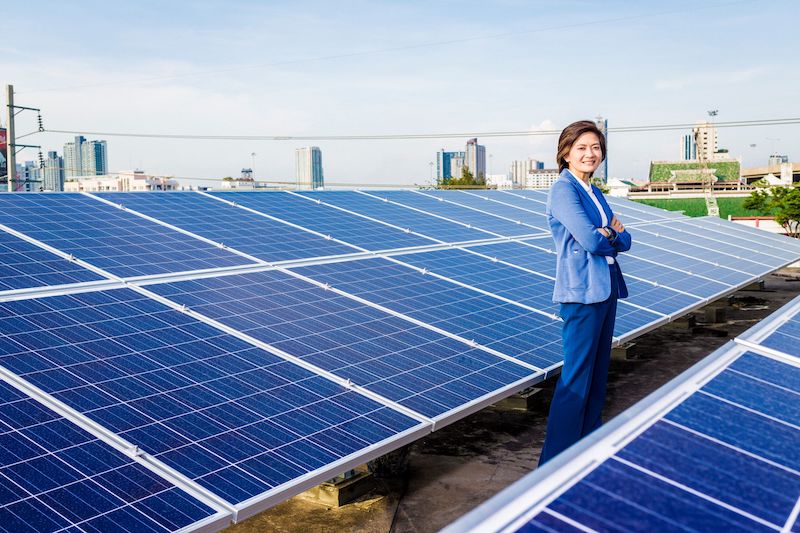
Associate Professor Dr. Kesara Thanyalakphak, Managing Director of Sena Development Public Company Limited (SENA), the first real estate developer to create a fully solar village, stated that the extreme heat has significantly increased electricity expenses for Thai people. Coupled with the automatic variable electricity tariff (Ft), the overall rate for 2023 has been continuously rising, with the latest adjustment (May-August 2023) set by the Energy Regulatory Commission at 4.77 baht per unit, under review for further reduction, yet remaining at a high level. Therefore, the production of electricity from rooftop solar systems is gaining significant interest from households, buildings, and factories to help alleviate the burden of high electricity costs and combat global warming.
“The extremely hot weather in Thailand in 2023, along with electricity costs compared to previous years, has risen significantly, causing the public to suffer from doubled electricity bills. This has prompted all sectors, including political parties, to become aware and focus on solving this issue. It is evident that after installing rooftop solar systems, the electricity bills have decreased significantly.”
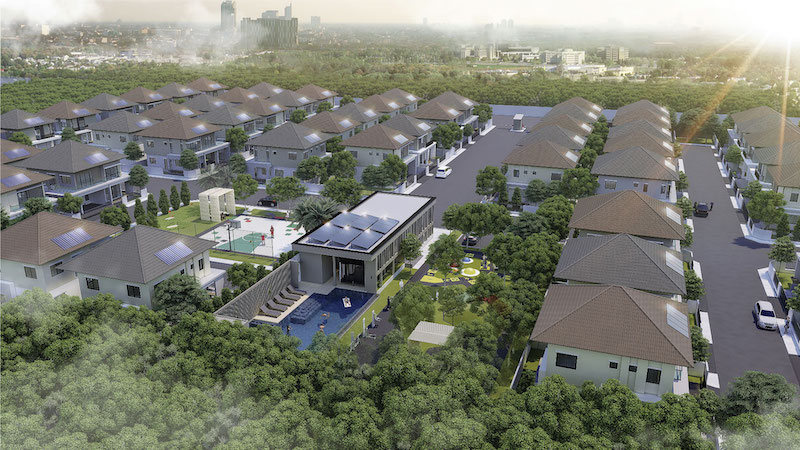
Sena has been a pioneer in comprehensive solar energy for over 13 years, studying and developing Thailand's first solar village. Currently, Sena installs solar systems for homeowners in all projects, including single-family homes, townhomes, and common areas of condominiums, totaling 47 projects and over 1,000 households, generating more than 100 megawatts of electricity. Additionally, there are two solar farm power plants in Wang Muang District, Saraburi, and the Troluy Riverside project in Nakhon Pathom, with a total capacity of 46.5 megawatts.
In 2023, Sena is implementing a business strategy to further develop smart homes using the SENA HHP ZERO ENERGY HOUSE (ZEH) model, incorporating know-how from business partner Hankyu Hanshin Properties Corp. This model is applied to Sena's housing projects, focusing on design and material selection to minimize energy consumption as close to zero as possible, to meet current and future market demands where consumers will choose residences that fit their lifestyles.
Whether working from home or living with elderly and children present, the development of projects must consider the cost of living, which increasingly relies on the home.
“The ZEH model we are implementing in Sena's housing projects, starting with single-family homes in Ram Inthra Km. 9 and Bangna Km. 29, is expected to launch in the third quarter of this year. The goal is to reduce energy consumption for Sena homeowners by at least 20%. Additionally, we are developing the SENA 360 application to allow homeowners to monitor their solar energy usage via mobile devices, integrating technology and innovation to enhance convenience for residents,” said Associate Professor Dr. Kesara.
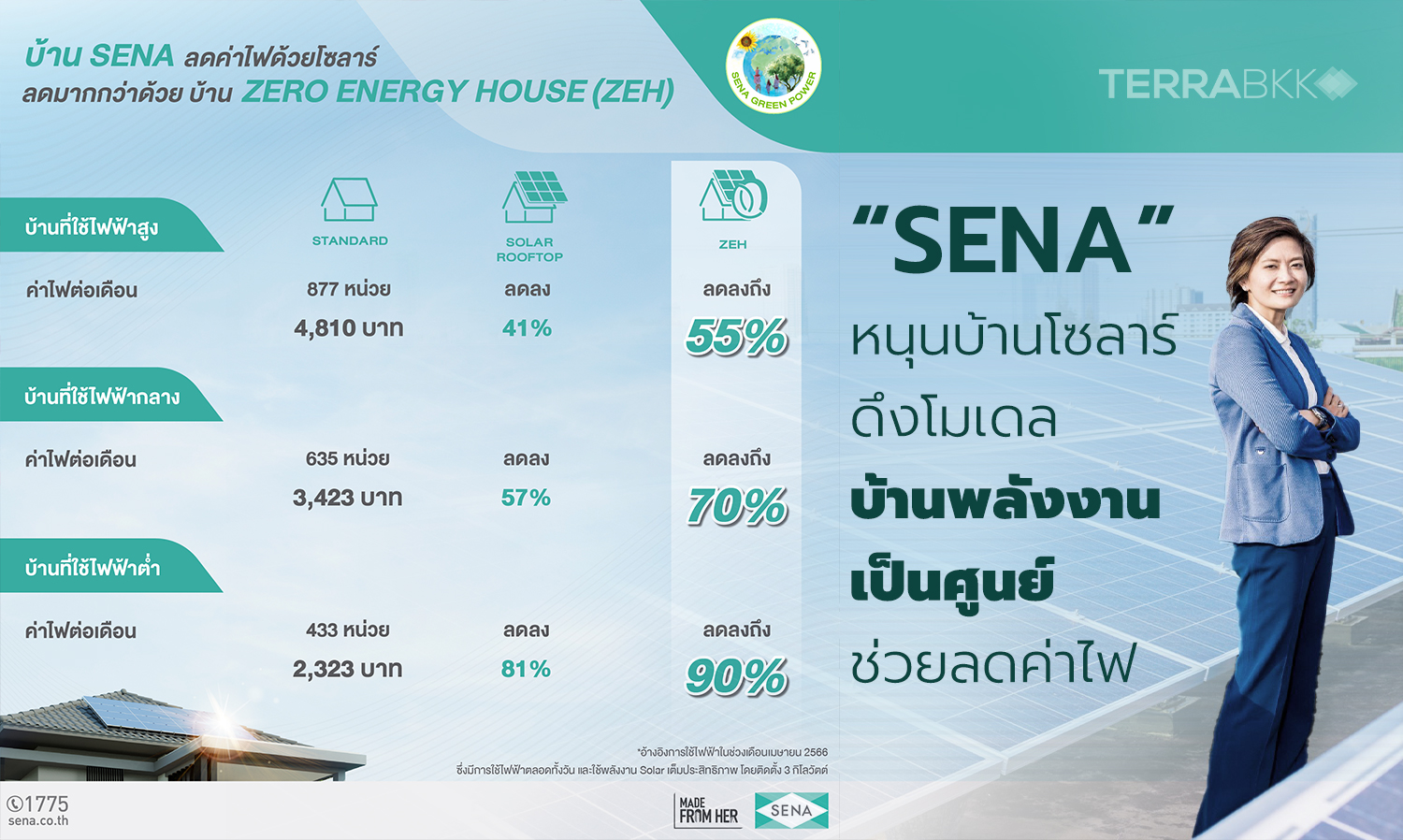
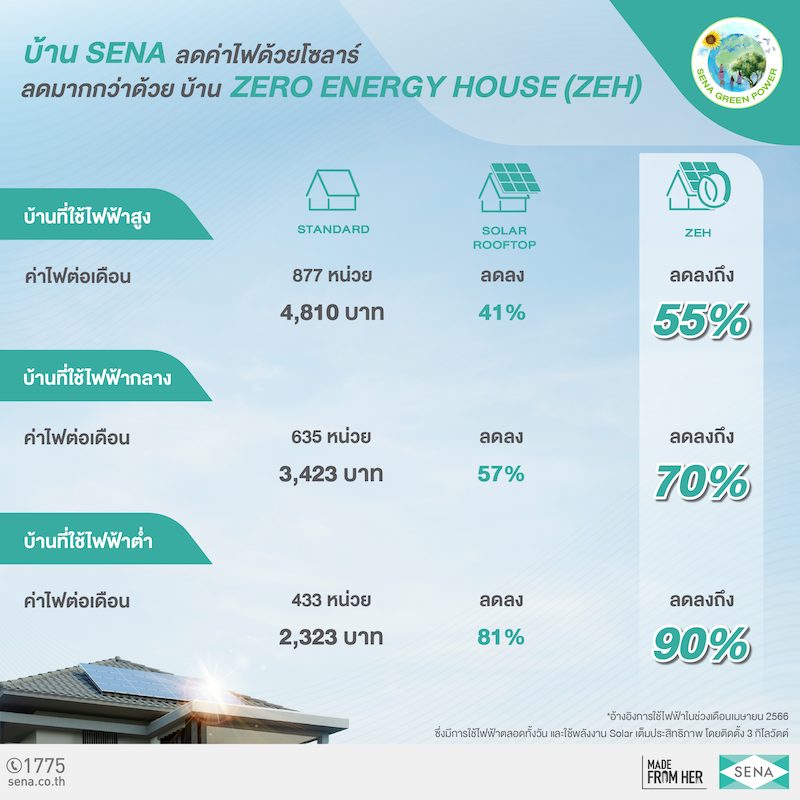
For the development of projects suitable for the ZEH approach, we are collaborating with Chulalongkorn University to research and develop methods to reduce energy consumption within residences to meet targets. Currently, research is progressing in creating prototype homes using various energy-efficient materials and project management systems to reduce energy consumption within the projects and residences. Based on research, electricity users are categorized into three groups: 1.High electricity users, where Zero Energy Homes with solar panels can reduce electricity bills by 55% compared to conventional homes; 2.Medium electricity users, where Zero Energy Homes can reduce bills by 70%; and 3.Low electricity users, where Zero Energy Homes can reduce bills by 90% compared to conventional homes. Nevertheless, Sena is committed to continuing research and development to reduce energy consumption for homeowners as per the set targets.
“We aim to develop our business towards sustainability, based on the principle that everything starts from home, which is the smallest social unit: the family. Therefore, developing residences must establish infrastructure and create a new Eco System to instill a sense of environmental stewardship among everyone, accelerating the goal of sustainability. Sena's key objective is to think carefully and pay attention to every step of residential project development, aiming for Net Zero Carbon Energy, enhancing quality of life, and sustainability in all dimensions of society,” said Associate Professor Dr. Kesara.
For those interested in the project, more details can be found at https://www.sena.co.th/ or inquire at 1775.