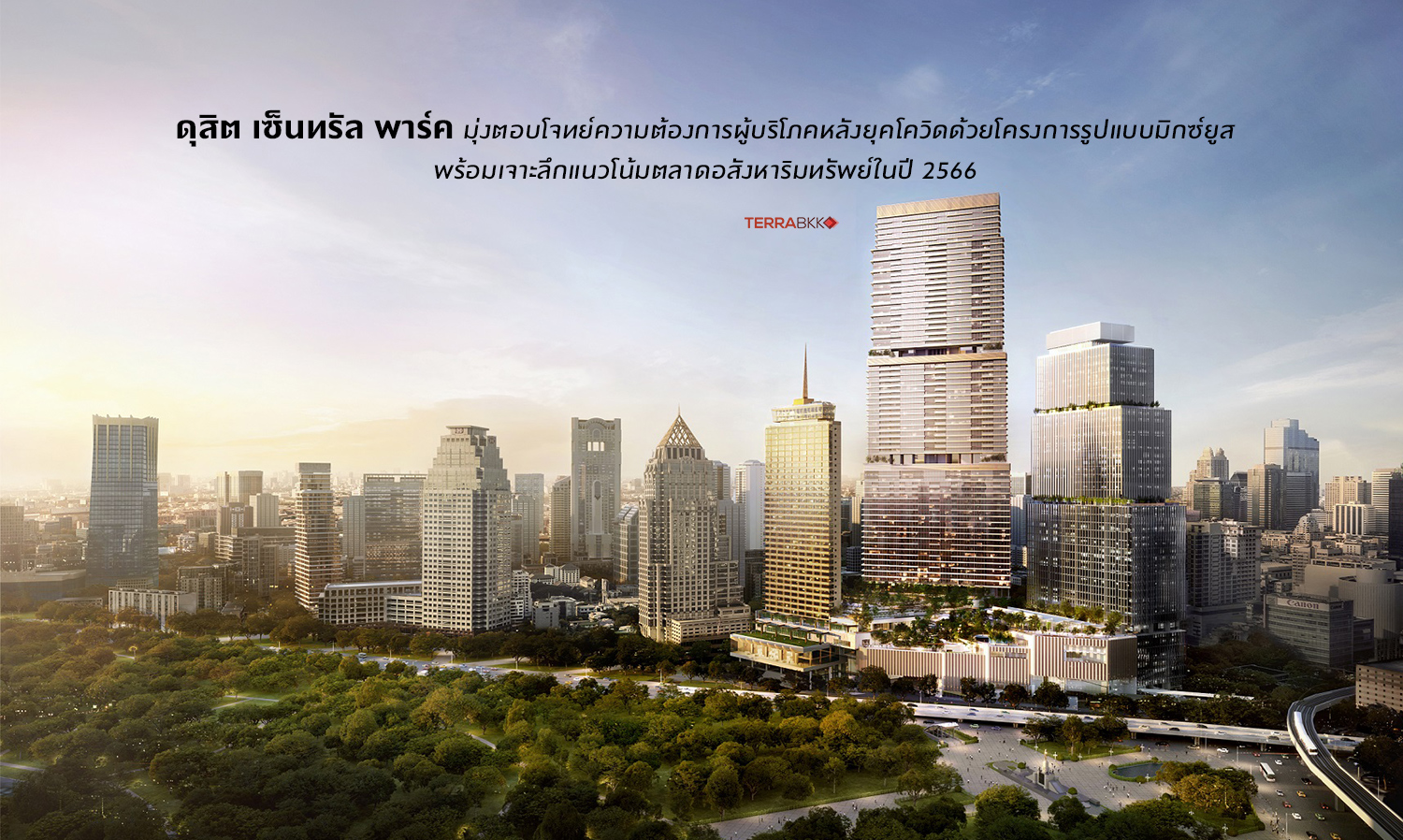
Dusit Central Park Aims to Meet Consumer Demands Post-COVID with Mixed-Use Project, Delving into Real Estate Market Trends for 2023
Like many industries, the COVID-19 pandemic has impacted Thailand's real estate market. Part of this is due to uncertainty that led many foreigners to return to their home countries, selling condos and leaving office spaces vacant, as well as temporarily closing shops due to social distancing measures. Additionally, the lack of tourist visits from 2020 to 2021 caused property prices to plummet, significantly affecting the Thai economy.

According to the Real Estate Information Center (REIC) of Thailand, the Thai residential market is expected to return to pre-pandemic levels by the end of 2023, sooner than previously anticipated. This is driven by the easing of housing loan regulations and the reopening to foreign tourists, particularly from China, which has identified Thailand as a top outbound travel destination following the Chinese government's announcement to reopen the country. Therefore, when categorized by property type, several factors are stimulating investment and promoting the overall growth of Thailand's real estate market.
Residential Real Estate
CBRE's report on the Thai real estate market trends for 2023 indicates that the pandemic over the past three years has changed consumer behavior and housing demands. A clear example is the trend of working from home. Real estate developers, especially in luxury projects, must pay attention to design details that cater to consumer needs, emphasizing convenience, modernity, increased usable space, and improved quality of life.
Furthermore, due to the COVID-19 pandemic and the complexities of the Chinese real estate market, Southeast Asia and the Middle East have become top potential markets in the eyes of investors from China, particularly Thailand. Recently, the government approved the principle of a draft ministerial regulation allowing foreigners to acquire land for residential purposes, as part of economic stimulus measures to attract high-potential foreigners to Thailand. This means that foreigners who meet the criteria will be able to purchase and own property in Thailand.

Office Market
The overall supply of office rental space in Bangkok continues to increase, especially following the recovery from the pandemic. Older office buildings over 20 years old are becoming less suitable for modern trends, which not only include location but also comprehensive workplace solutions, the ability to provide a closer connection experience, diverse amenities, and environmentally friendly modern work environments, along with meeting LEED and WELL standards that modern operators prioritize as incentives for employees to return to the office and help attract talented personnel. Therefore, instead of spending on renovating old offices, operators (tenants) are starting to look for new turnkey office building options.
Shopping Centers
Although the Thai e-commerce market continues to grow, reports from KKP Research indicate that the value of purchases through e-commerce channels by Thai users remains low, at only 9% of total retail sales. This evidence shows that people still desire interaction and prefer to select products in physical stores, especially post-COVID, where meeting in open spaces has become something everyone seeks. Therefore, project developers and operators need to improve shopping center buildings, storefronts, or offline platforms to meet this demand, such as providing relaxation areas, creative recreational spaces, art exhibition areas, pet-friendly parks, and outdoor family activities. Additionally, the increasing popularity of medium-sized shopping centers has led retailers to develop medium-sized retail stores to cater to future shopping behaviors.
Mixed-Use Project Development Concept
With the demand for residential spaces near city centers and the need to enhance the value of shopping centers through larger and more comprehensive sizes, for major real estate developers, mixed-use projects are the solution that combines luxury residences, office buildings, five-star hotels, cinemas, event spaces, educational and childcare facilities, and comprehensive retail and service offerings into massive project areas in key economic zones of major cities.
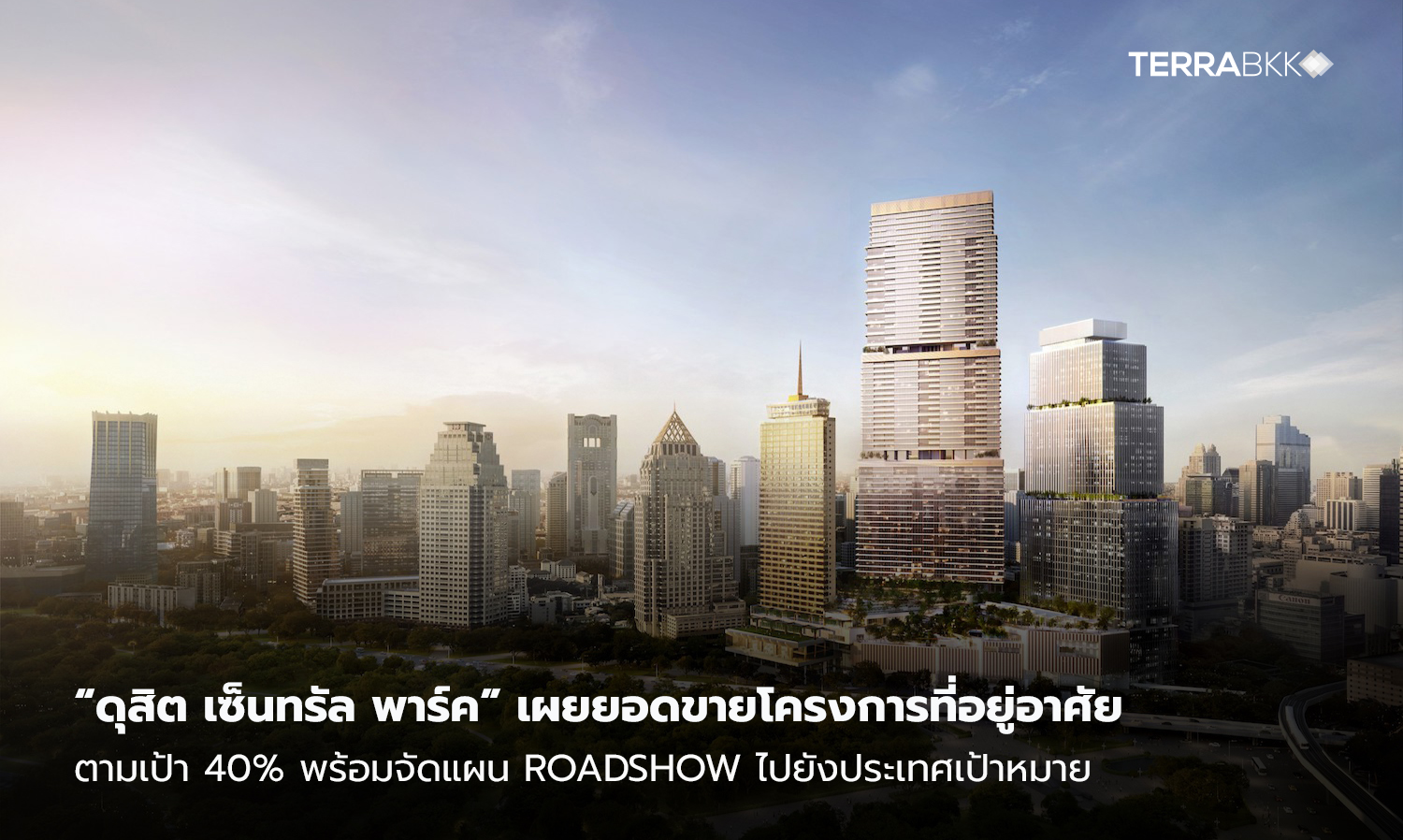
In Bangkok, the Dusit Central Park project represents a historic investment in a mixed-use development on the corner of Silom-Rama 4 Road, an area that has significantly evolved since the original Dusit Thani Hotel was a landmark. The latest land price assessment for the Silom area in 2022 by the Treasury Department indicates a maximum figure of 1,000,000 baht per square wah. Considering only the land price currently being developed for the project, it exceeds 9 billion baht, which is a competitive advantage, allowing the project to create a mixed-use development that can be utilized in various ways.
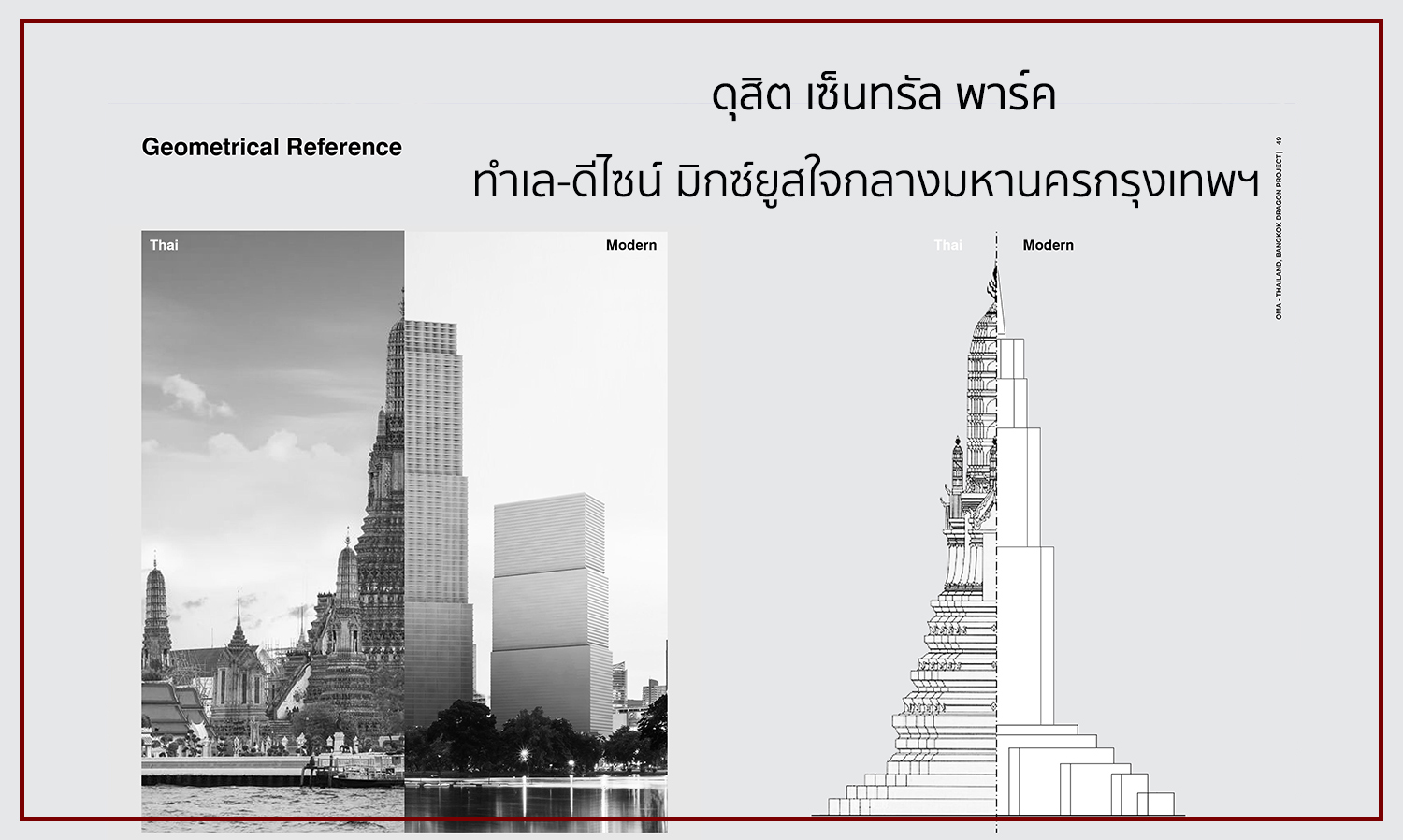
The concept of urban redevelopment is applied to the transformation of Dusit Thani, a prime location known for being the most expensive in Bangkok, and aims to transform the Silom business district into an iconic center of Bangkok. The project will be divided into four parts: Dusit Thani Bangkok Hotel, Dusit Residences, Central Park Offices, and Central Park Shopping Center. With these components, Dusit Central Park will become a mega-project property that can attract investment and create significant economic value.
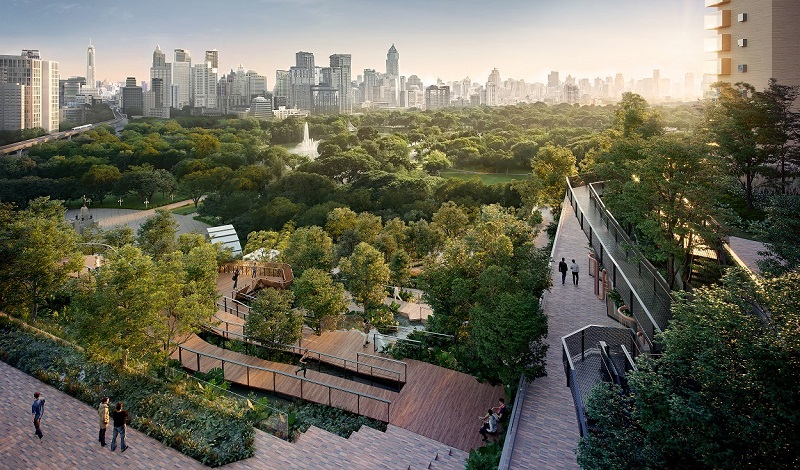
However, Dusit Central Park cannot truly be a central park without a key feature: the design of a large green space called Roof Park, a 7-rai elevated public park within the project, surrounded by the four buildings, which is expected to be a significant highlight of the project that demonstrates the optimal use of land for public benefit and supports new urban lifestyles.
In terms of designing spaces that facilitate community engagement and create connections between the project and the Silom-Rama 4 area, Khun Somkiat Lohjindapong, Deputy Managing Director of Architect 49 Co., Ltd. (A49), one of the architects involved in developing and designing the Dusit Central Park project, revealed the design concept behind the mixed-use buildings: “A key similarity of the CBDs in Bangkok, which are prime business locations, is the need for connectivity with the BTS and MRT and being at the intersection of roads, such as the Asoke-Sukhumvit and Silom-Rama 4 intersections. I see this as traffic that indicates the potential for growth and expansion of the city and business. However, the uniqueness of the Silom intersection, which is the location of Dusit Thani, is the presence of what we call emotion from the natural view of Lumpini Park, which is directly opposite the location. And we all know that there is no CBD location that has both traffic and emotion like Silom.”
The growth trend of the Thai real estate market in 2023 is flourishing for several reasons, such as government policies, the growth of the tourism sector in 2023, strategic locations, reasonable prices, and designs that cater to the lifestyles of modern people. These elements have created an environment conducive for real estate developers and investors to initiate the development of commercial and residential properties in the country. Moreover, the development of mixed-use projects also helps enhance the quality of life for people socially, environmentally, and stimulates economic recovery post-COVID.