Fire: A Preventable Danger Close to Home
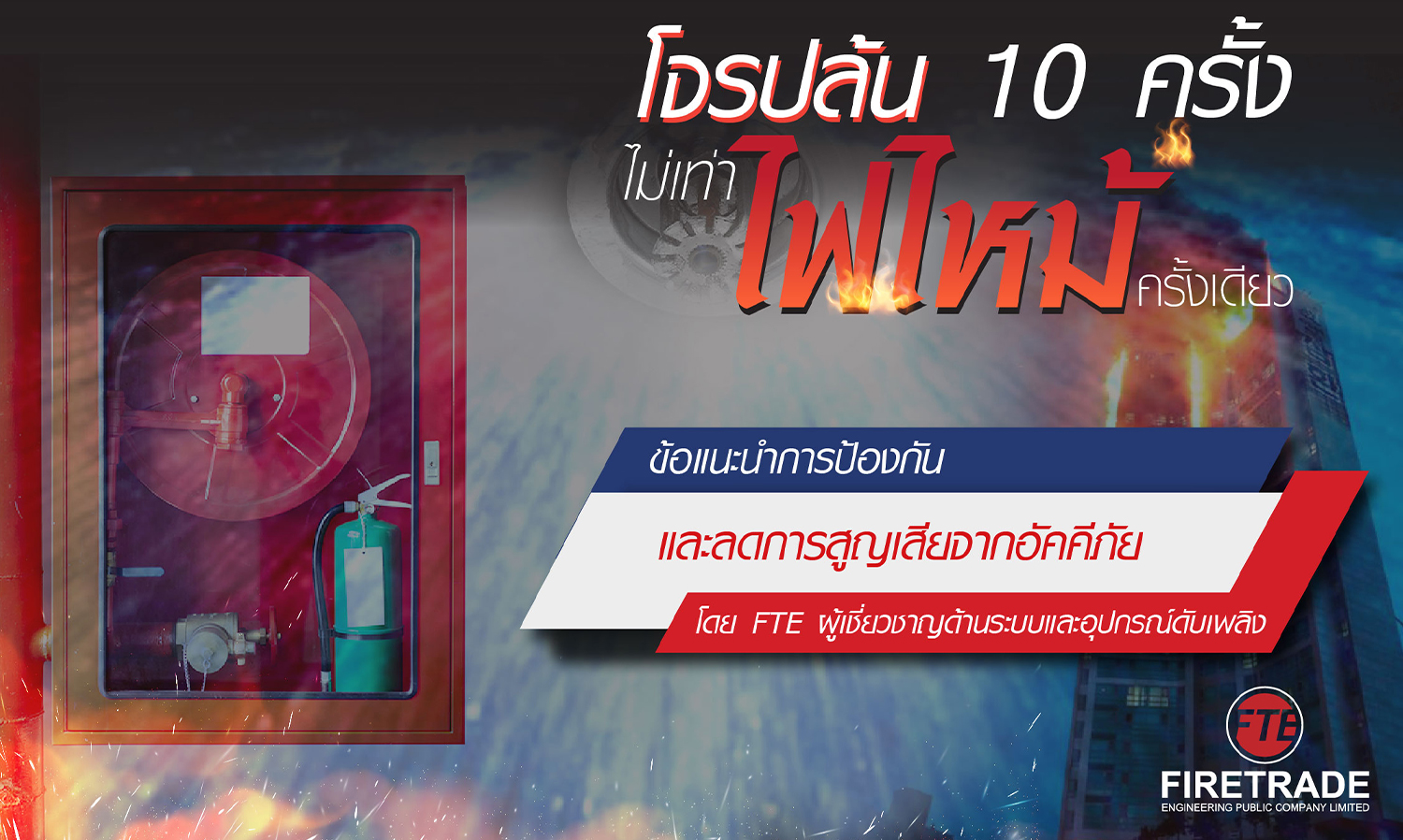
“Ten robberies are not as devastating as one fire” is an age-old saying that continues to hold true. No matter how advanced fire prevention technology and safety measures become, they cannot overcome human negligence and carelessness.
The reason for this is that most people often think of “fire” as something distant, when in fact it is a close danger that frequently occurs and often results in severe loss of life and property.
In the past year of 2022, there were continuous incidents of fires, such as at a six-story building on Silom Soi 2, the Bon Kai community, row houses in Bang Bon, four-unit row houses in Sampeng, a golf cart battery storage in Samut Prakan, a nightclub in Chonburi, and the EnCo Building A, with the latest incident at the Justmak Thai Institute on Sathorn Road, where in some cases, more than ten lives were lost.
These unexpected events may be uncontrollable, but with good preventive measures and standard equipment, the damage caused by such incidents can be alleviated. The general public, as well as business operators, should be knowledgeable and aware of the importance of choosing standard fire prevention equipment and systems to help prevent and reduce property loss and threats to life.
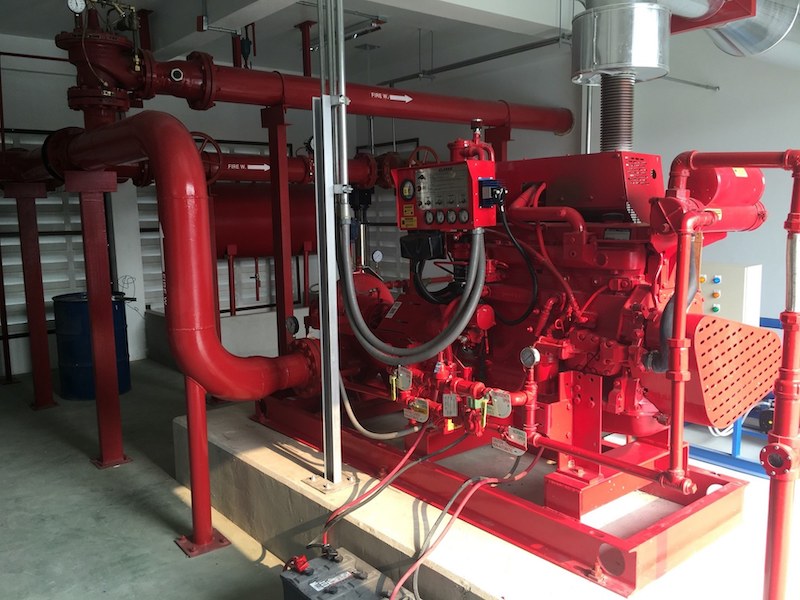
According to Firetrade Engineering Public Company Limited (FTE), the largest designer and supplier of comprehensive fire protection products in the country, ensuring safety and fire prevention is crucial for residences and businesses of all sizes. It is essential to choose equipment related to fire prevention, which can be categorized into two main groups:
- Alarm and detection systems, such as smoke detectors, heat detectors, and fire alarm systems.
- Firefighting equipment and systems, such as portable fire extinguishers, water, foam, clean agents, and gas suppression systems.
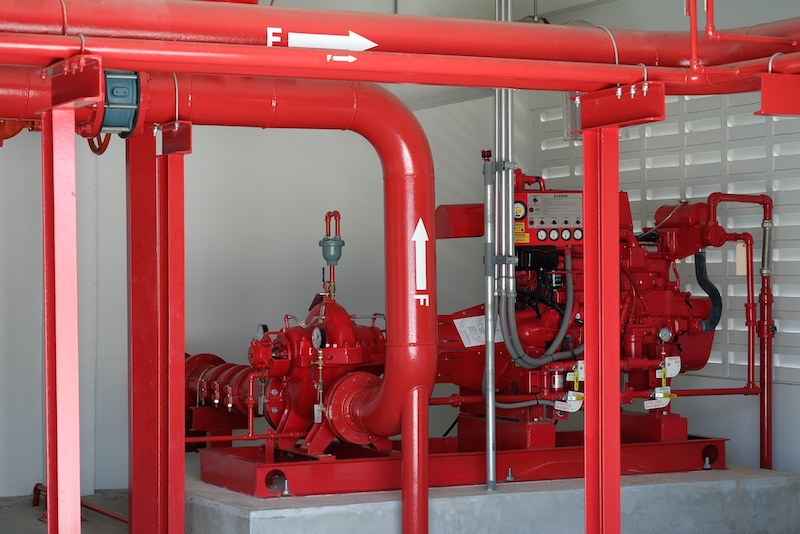
For residential areas, the public should choose standard alarm systems and firefighting equipment, such as alarm devices, fire extinguishers, and sprinkler heads, installed in appropriate locations. It is important to understand how to use these devices and regularly check the equipment every month or as per international standards and legal requirements, such as testing alarm signals, checking detection devices, inspecting sprinkler heads, ensuring fire extinguishers are in good condition without dents, bulges, or rust, and checking pressure levels and chemical quantities to ensure they are always ready for use.
For small to medium-sized businesses, such as shops, restaurants, and entertainment venues, appropriate equipment and systems should be selected based on the size of the business area. Additionally, escape routes should be prepared, along with a map and methods for safely evacuating in the event of a fire.
4.JPG)
For large businesses, such as industrial factories and warehouses, there are responsibilities under the Building Control Act of 1979, Ministerial Regulation No. 33 of 1992 regarding the structure and equipment of high-rise and special buildings, and Ministerial Regulation No. 39 of 1994 concerning the installation of fire prevention systems, lighting, and ventilation to ensure the safety of high-rise buildings against fire hazards.
Additionally, the Ministry of Industry's announcement on fire prevention and suppression in factories in 2009 states that "factories with storage areas for flammable materials or products exceeding 1,000 square meters must install automatic fire suppression systems, such as automatic sprinkler systems or equivalent systems to cover that area."
Beyond these laws and regulations, operators should be aware of and assess the risk of potential fire hazards. Fire suppression systems not only help reduce damage to property and ensure the safety of personnel in the area but can also prevent disruptions to operations and business liquidity.
Currently, fire suppression systems have developed new technologies and standards that enhance their effectiveness in preventing and reducing damage. FTE hopes that the general public and operators of all sizes recognize and prioritize this issue.
5.JPG)
The budget for fire alarm and suppression systems for a single house ranges from approximately 1,500 to 10,000 baht, for general buildings from 500,000 to 1,000,000 baht, and for industrial factories from 3 million to 80 million baht, depending on the size of the area, building height, and type of materials used for fire suppression.
It can be seen that for a single house, the investment is not exorbitant compared to the potential damage that could occur. Even for factory systems, while the costs may be relatively high, they are far more worthwhile compared to the losses and business damages that may arise.
We express our condolences for the losses incurred from recent fire incidents and commend the efforts of firefighters, volunteers, and rescue workers who have worked tirelessly to control the situation.