Stakeholders in Housing and Habitat in the Asia-Pacific Region Emphasize Calls for a Better Future at the World Urban Forum in Poland
The 11th World Urban Forum (WUF 11), held from June 26 to 30 in Katowice, Poland, will discuss significant findings from a recently released report on the impact of climate change and COVID-19 on housing and shelter in the Asia-Pacific region.
Luis Noda, Vice President of Habitat for Humanity Asia-Pacific and one of the speakers at the Asia-Pacific Housing and Habitat Conference, stated, "Creating a better future for inclusive housing for all means that each of us, especially the most vulnerable families we are assisting, should have the opportunity to voice their opinions and play a role in accessing better housing. This belief guides the work of Habitat for Humanity International, and we have expressed our views at WUF 11 regarding building resilience or adapting to various disasters amid severe changes and potential threats through innovation and collaboration from all parties. This is a pathway towards a sustainable and environmentally friendly future for human society."
The main focus of WUF 11 will be on overcoming the diverse crises faced by urban communities and transitioning towards a better urban future.
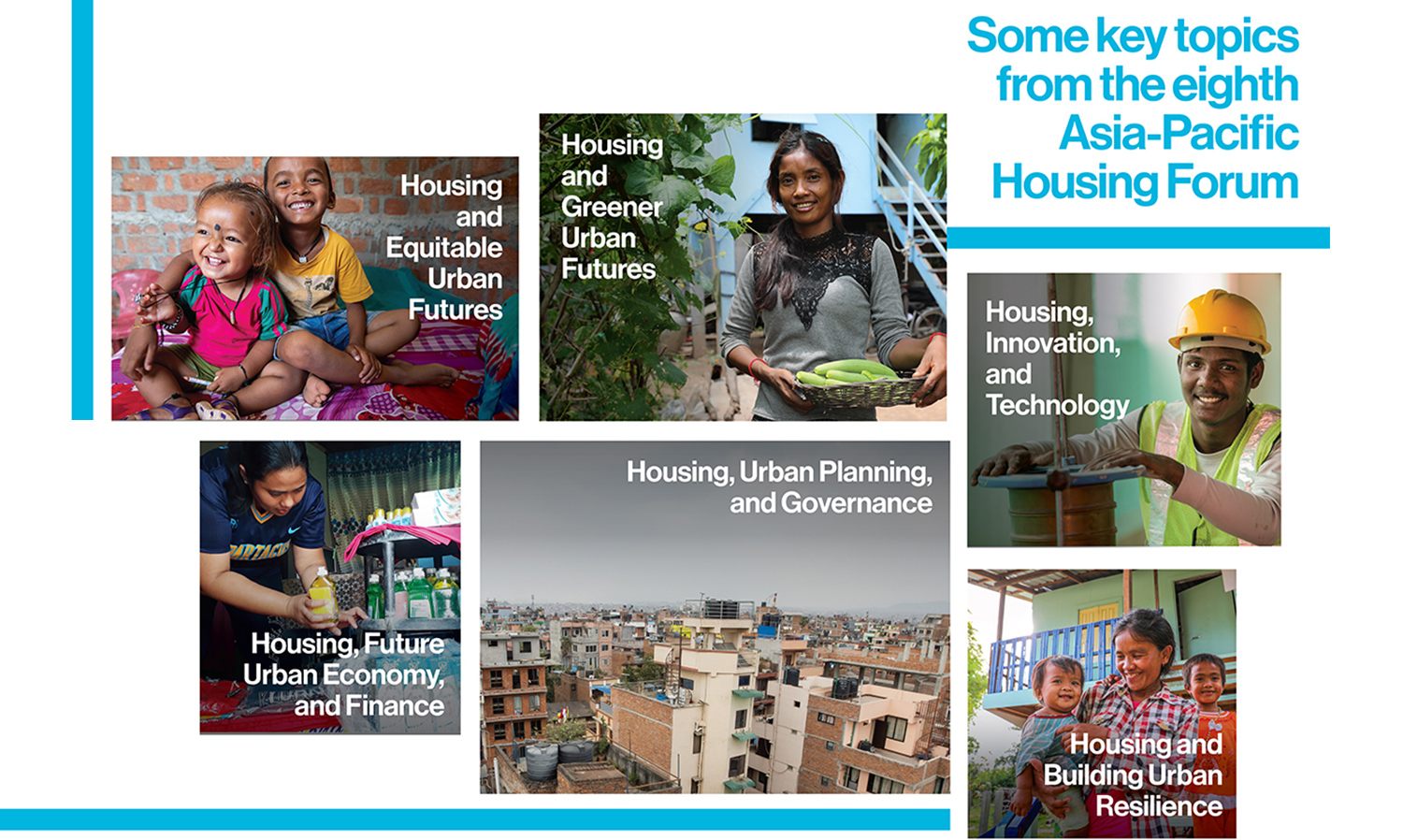
In line with the objectives of the main theme of WUF 11, participants from the Asia-Pacific region will focus on discussions regarding shared responsibilities and roles at the government level, civil society, the private sector, academia, and donors in achieving the goal of "housing for all." Building partnerships and supporting social participation, along with innovations that create sustainable responses, are crucial for enhancing sustainability amid factors exacerbating housing challenges in the region, such as the impacts of climate change, inadequate national housing policies and operations, limited access to technology, and a lack of capacity in society.
As COVID-19 continues to have long-term impacts on the Asia-Pacific region, the United Nations estimates that over 200 million people will fall into extreme poverty by 2030, making the region one of the most affected areas. This underscores the critical importance of housing for the economic, social, and environmental recovery of the region.
Other topics at WUF 11 will also align with key issues raised at the recent Asia-Pacific Housing and Habitat Conference, such as effective measures to address housing challenges through urban community development, which should receive equal attention as environmental issues. Making the housing supply chain environmentally friendly can help reduce costs and mitigate impacts both in the short and long term. Therefore, it is necessary to adjust approaches to sustainability in areas such as construction material production, design, and recycling, and to support access to information, technology, knowledge, and resources.
Over 900 stakeholders from government, private sector, and civil society participated in the Asia-Pacific Housing and Habitat Conference held from December 7 to 9, 2021. Discussions on these topics have been summarized in a comprehensive report, which can be read at the APHF website, www.aphousingforum.org.