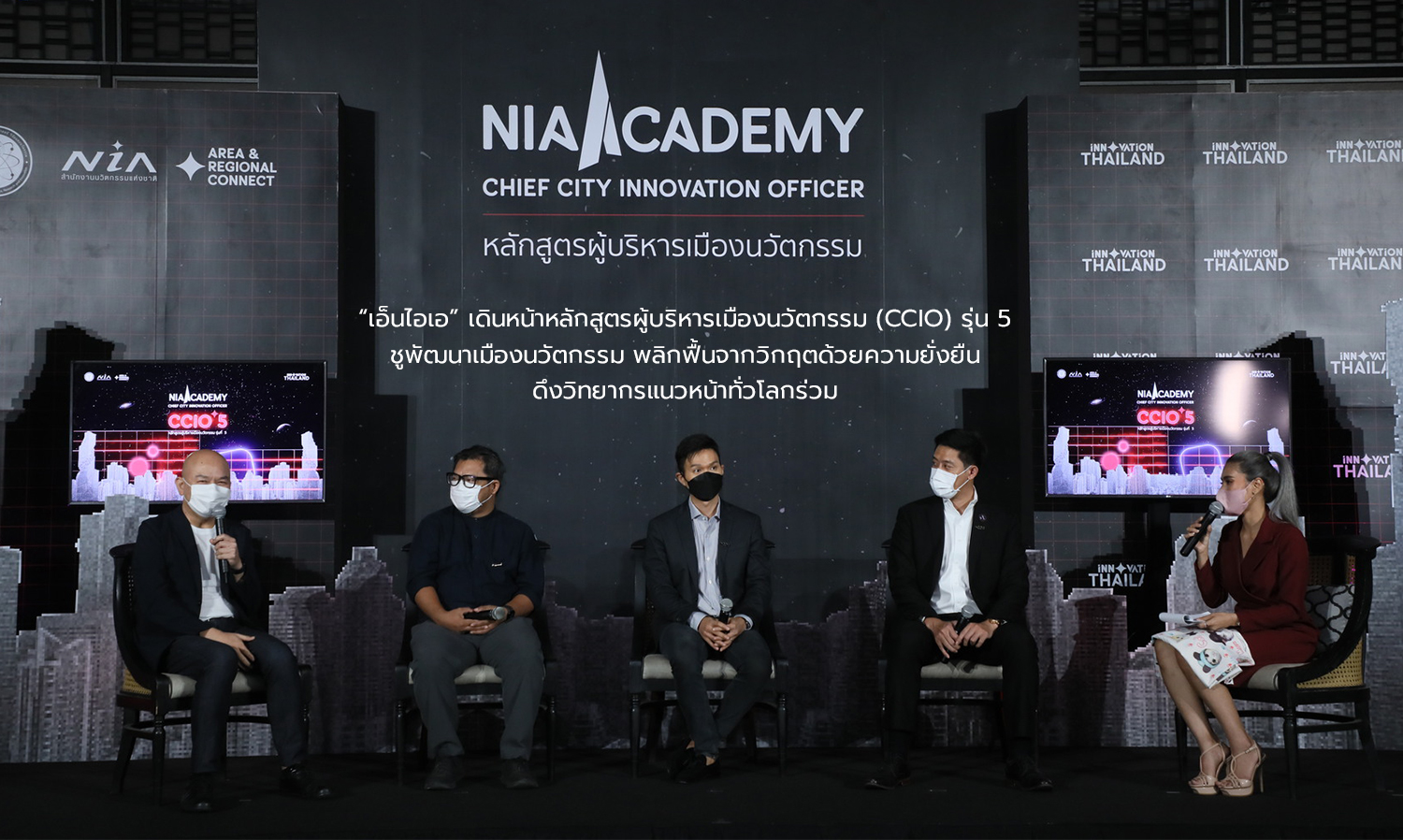
"NIA" Advances the Chief City Innovation Officer (CCIO) Program, Class 5, Focusing on Sustainable Urban Innovation Recovery from Crisis with Global Experts
The National Innovation Agency (Public Organization), or NIA, under the Ministry of Higher Education, Science, Research and Innovation, is now accepting applications for the Chief City Innovation Officer (CCIO) Program, Class 5. This program aims to enhance knowledge and understanding of comprehensive urban development, aligning with current and future situations. It will delve into urban innovation development with leading global experts starting from June 11 to July 30, 2022.
Dr. Phanachart Chairat, Director of the National Innovation Agency (Public Organization), or NIA, revealed that NIA has been conducting the Chief City Innovation Officer (CCIO) training program continuously since 2018, now in its fifth edition. This program aims to create an understanding of innovation for senior management (C-Level) in urban and community development, with the goal of enhancing capabilities in developing and managing innovative cities. It focuses on developing strategic planning skills and urban management in accordance with international standards while adapting the principles of model cities to local contexts for effective development. This aligns with the strategy for spatial innovation development to integrate knowledge for driving innovation ecosystem policies by applying knowledge in science, technology, and innovation for the development of potential areas at three levels: districts, cities, and regions, leading to the United Nations Sustainable Development Goals (SDGs) and fostering inclusive, sustainable, and connected cities.
“The organization of this training program aligns with the spatial and regional innovation development plan, focusing on creating more innovators and innovation personnel in the area (Create The Dots), building networks among government, private sectors, educational institutions, and communities to facilitate knowledge exchange in innovation, as well as establishing joint development guidelines for target areas or clusters (Connect The Dots) and developing networking activities that support innovation area development (Networking Assets). This can support the performance indicators for creating a network of at least 40 urban developers, which impacts the enhancement of capabilities and skills of city executives, as well as building a network of city executives and innovators at the local level,” Dr. Phanachart stated.
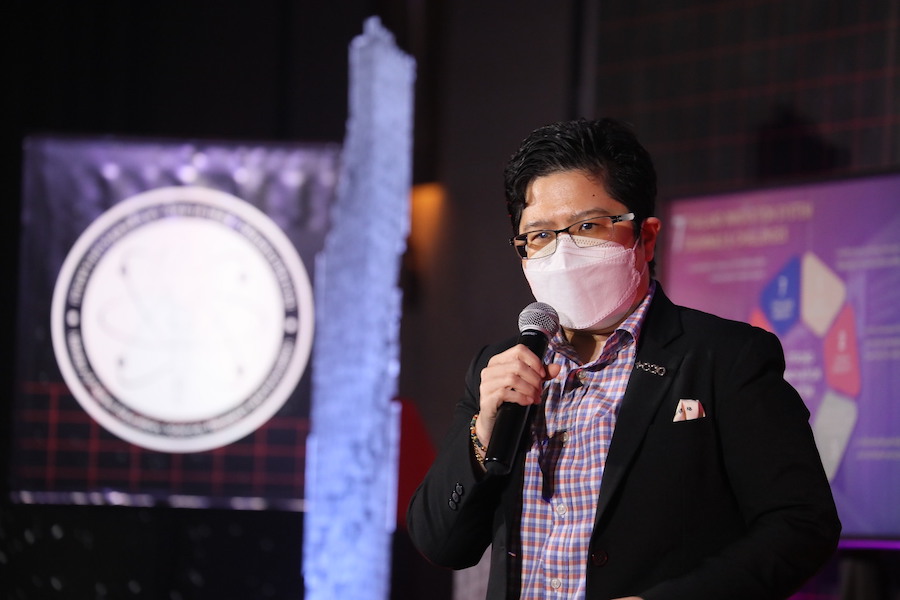
Dr. Kritphaka Boonfueng, Deputy Director of the Innovation System at NIA, stated that “In the past, the CCIO training program has attracted a significant number of senior executives from both public and private sectors, creating a network of over 180 urban developers and innovators. This has led to the development of model ideas or projects for urban development, including collaborations that have resulted in more than 10 practical projects, generating an investment value of over 50 million baht.”
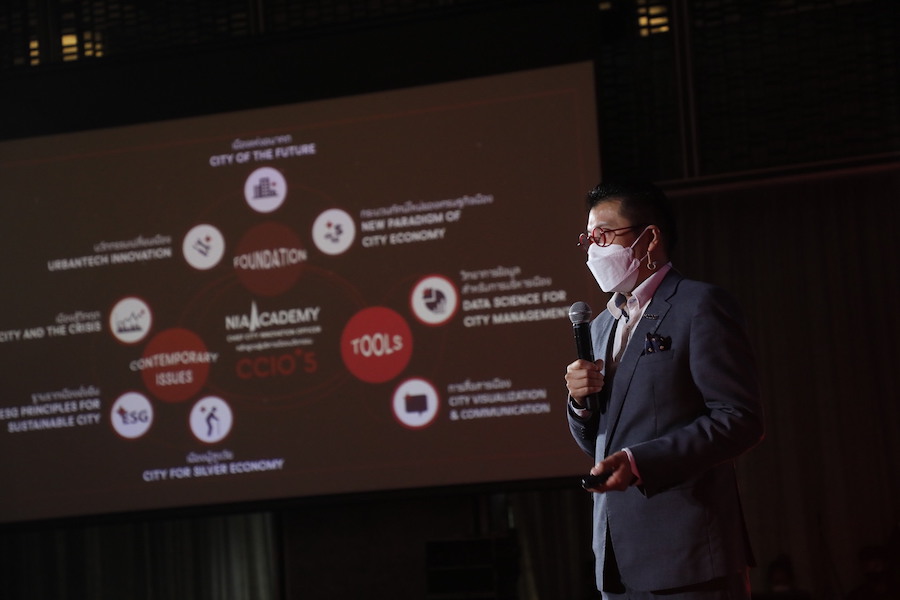
For the CCIO Class 5 program, emphasis is placed on comprehensive urban development, aligning with current and future situations. Topics of interest include the City of the Future, New Paradigm of City Economy, UrbanTech Innovation, City and the Crisis, ESG Principles for Sustainable Cities, City for Silver Economy, Data Science for City Management, and City Visualization & Communication. Distinguished speakers from both domestic and international backgrounds will share their insights. Participants in this program will gain knowledge to effectively develop organizations, businesses, and cities, as well as build a strong network of senior executives that can lead to innovative creations benefiting businesses and the country. This is evident from the success in leveraging knowledge and networks among participants from the previous four classes. The training will be held from June 11 to July 30, 2022. Interested individuals can inquire at [email protected] or visit www.nia.or.th/ccio.