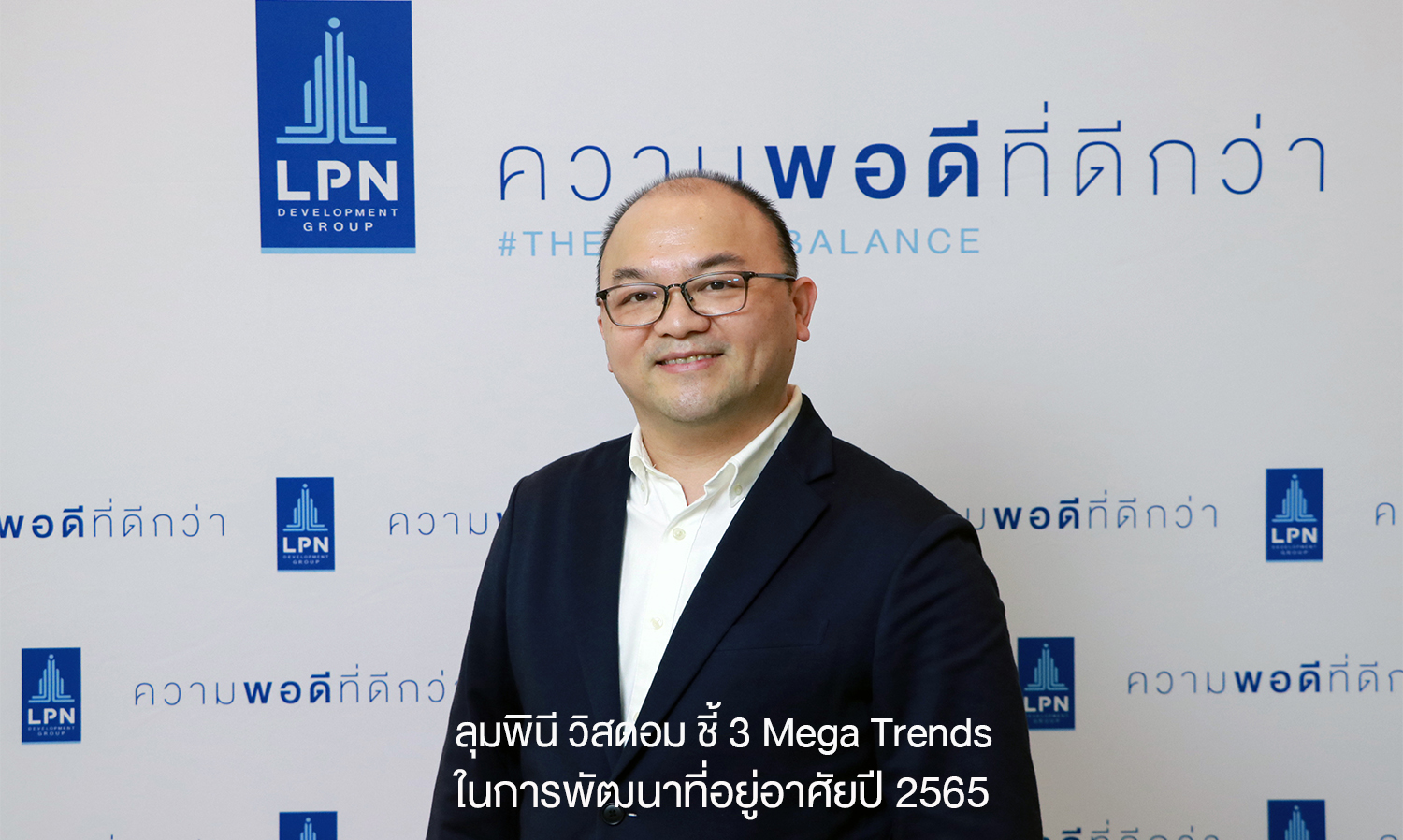
Lumpini Wisdom Identifies 3 Mega Trends in Residential Development for 2022
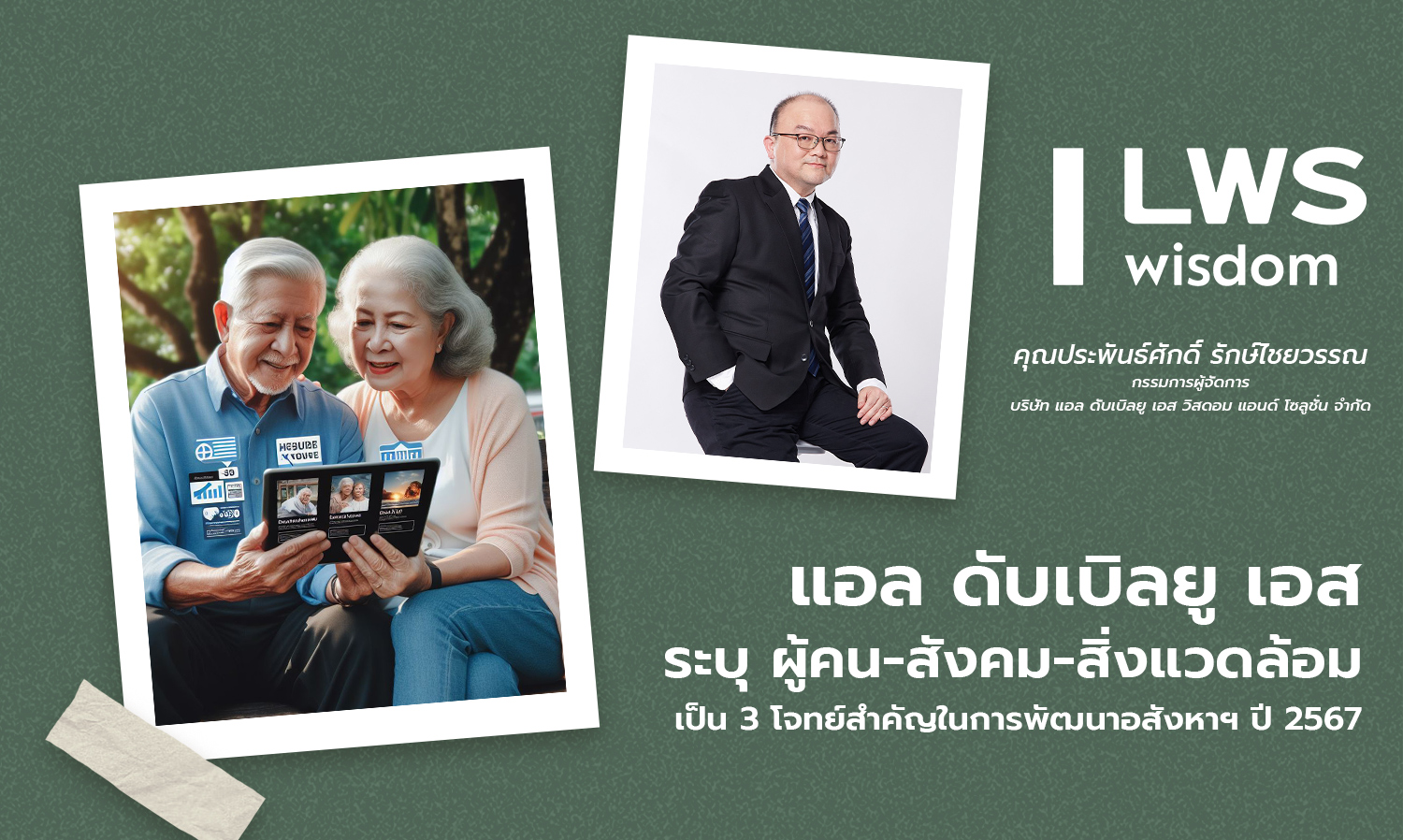
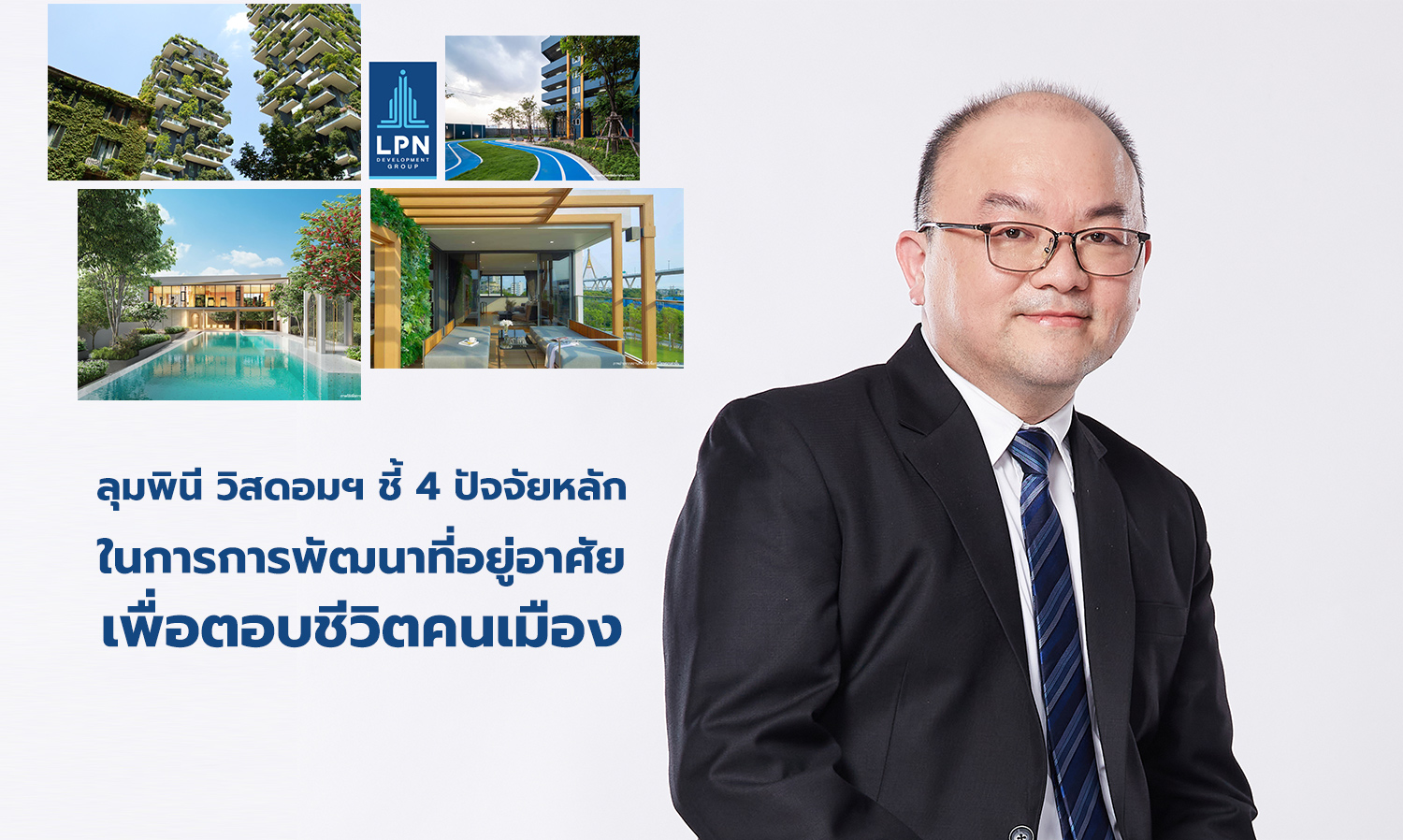
Mr. Prabhan Sak Raksaiwan, Managing Director of Lumpini Wisdom and Solutions Co., Ltd. (LPN Wisdom or LWS), a research and consulting firm in real estate development under L.P.N. Development Public Company Limited (LPN), discussed the trends in residential development and services for 2022. He noted that the COVID-19 pandemic, which began in 2020 and continues to this day, has shifted the behavior of homebuyers, placing greater emphasis on health and hygiene in living environments. There is an increasing demand for home office spaces (Work from Home) and a growing acceptance of technology to enhance the comfort of both residential houses and condominiums. These trends indicate that residential design in 2022 must focus on 3 Mega Trends that address the needs of homebuyers and solve current and future pain points in living conditions:
_(1).jpg)
• Well-Being: Designing residences that promote healthy living
• Smart Living: A lifestyle that balances living and working
• Virtual-Connecting: Technological advancements leading to innovations that cater to normal life in a new context
Well-Being: Designing residences that promote healthy living
The COVID-19 pandemic, combined with global warming and PM 2.5 dust issues, has made people aware that homes, buildings, and cities play a crucial role in managing pathogens and significantly affect hygiene. They are central to daily life and the foundation of physical and mental health. However, merely designing environmentally friendly buildings may no longer be sufficient.
Currently, the standard for designing buildings that promote the well-being of individuals has become a new benchmark for residential design, focusing on good hygiene. The WELL Building Standard from the International WELL Building Institute (IWBI) includes ten design guidelines that must be considered for the health of building users, including air, water, nutrition, light, movement, comfort, sound, materials, mental health, and community.
The above guidelines can be applied to the design of homes and condominiums, such as:
• Designing openings for good ventilation and appropriate natural light
• Providing space for small vegetable gardens to encourage vegetable consumption and promote mental well-being
• Designing walkways or stairs to be inviting, encouraging more movement
• Reducing external noise pollution by planting trees in the direction of the sound
• Even selecting furniture that supports ergonomics to reduce discomfort.
In addition to well-designed living spaces, services also play a crucial role in promoting good health in living environments. For example, health care services in the community in collaboration with nearby hospitals, automatic recycling waste return services, designated green areas in residential spaces, cleaning services, disinfection, dust mite removal, and in-home traditional Thai massage services for office syndrome relief.
Smart Living: A changing lifestyle that balances living and working
Due to changing behaviors, policies promoting remote work have attracted more workers, leading to questions about the time wasted commuting and the necessity of living in crowded urban areas. This has sparked a Rural Revival trend, where populations are returning to suburban or rural areas in search of less crowded living conditions. Urban planners are increasingly interested in the concept of a “15-minute city,” which aims to transform small towns into villages or neighborhoods equipped with amenities that cater to local lifestyles and are easily accessible by walking or cycling.
1.jpg)
Residential design in the real estate sector should increasingly align with the “15-minute city” concept, such as developing projects outside urban areas but close to community hubs, creating spaces that connect with the community, and providing areas that foster interaction among residents, along with comprehensive public amenities.
Moreover, considering residential spaces like condominiums or houses, as everyone is confined to their homes or apartments, working from home, and unable to utilize public spaces, people are becoming more interested in their home environments. As homes remain the primary center of life, consumers view outdoor spaces as extensions of their indoor living areas, leading to new uses for spaces ranging from relaxation corners to living rooms and outdoor bars.
Therefore, designing residences with flexible spaces that can be adapted for various uses beyond just sleeping and resting is essential. These spaces can be transformed into photography studios, gardens, storage for collectibles, or hobby areas.
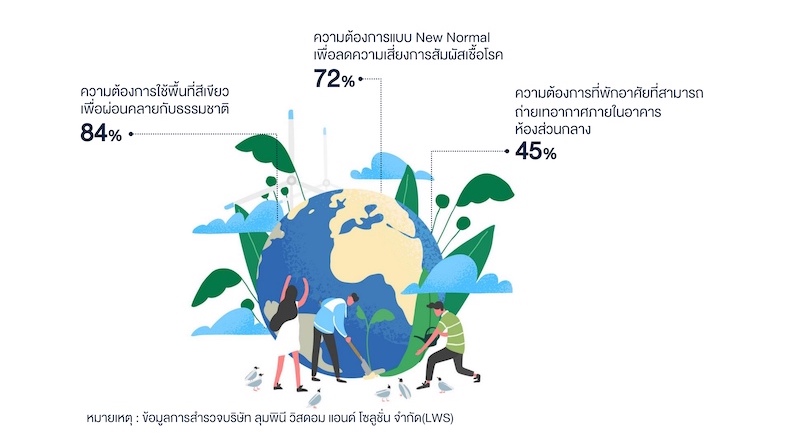
According to a survey by “Lumpini Wisdom,” regarding privacy, there is a strong alignment with the Rural Revival concept, as residents prefer projects with fewer units per floor to reduce congestion. There is a demand for Co-Living Spaces for working in communal areas while maintaining safety and privacy. In an era where time is maximized, services that can be accessed from anywhere, such as childcare, daily/hourly elderly care, transportation for seniors to medical appointments, and home car washing services, are essential. Additionally, services that prioritize safety and health, reducing travel and contact, such as delivery services for daily necessities or heavy items like drinking water, rice, and cleaning supplies, are increasingly sought after.
Virtual-Connecting: Technological advancements leading to innovations that cater to normal life in a new context
In 2022, Forbes predicted 10 Digital Transformation Trends, such as the Work From Home policy or Work Mega Shift, which will lead to increased development and use of Smart Work From Home solutions. Forbes noted that we might witness a migration of populations from urban centers to rural areas, prompting investments in networks and connectivity in rural areas to enhance work efficiency.
.jpg)
Forbes also predicted trends in Smart Cars and Cities, where not only electric vehicles will feature intelligent technology, but cities must also develop infrastructure to accommodate these Smart Cars, such as increasing electric vehicle charging stations and integrating IoT connectivity between vehicles and cities, along with privacy and security in technology use, including the Metaverse trend. In the real estate sector, MQDC has joined the Translucia project as the first property developer to develop a city in this virtual world, making it a focal point for future changes in the real estate industry.
Additionally, the Power of AI will significantly impact daily life, such as Google Home, which users find can effectively control applications and electronic devices within the home, enhancing convenience. This trend continues to influence residential space design.
From a survey of the needs of working individuals regarding service expectations in condominiums by “Lumpini Wisdom,” it was found that residents desire technology-driven solutions, focusing on basic technologies that facilitate daily life, such as IoT, which is increasingly in demand, and safety measures like using passcodes instead of keys, applicable from building entrances to individual units. There is also interest in technologies that help manage building systems to reduce staffing needs and control energy use to lower common area costs, along with enhancing services accessible through online platforms, such as bill payments, package tracking, and booking communal rooms. Residents identified urgent issues requiring prompt resolution, such as communication via phone or Line OA for maintenance requests and inquiries. For notifications and updates, customers can choose to receive alerts via automated messages and check issues independently through applications.
“2022 will be a year to witness changes in residential development and services that prioritize 3 Mega Trends concerning hygiene, balanced design aligned with lifestyle changes, and technology that enhances living standards. These are crucial factors that real estate operators must adapt to in response to the evolving behaviors and needs of residents,” Mr. Prabhan Sak concluded.