Post-Trump America Still at Odds with China
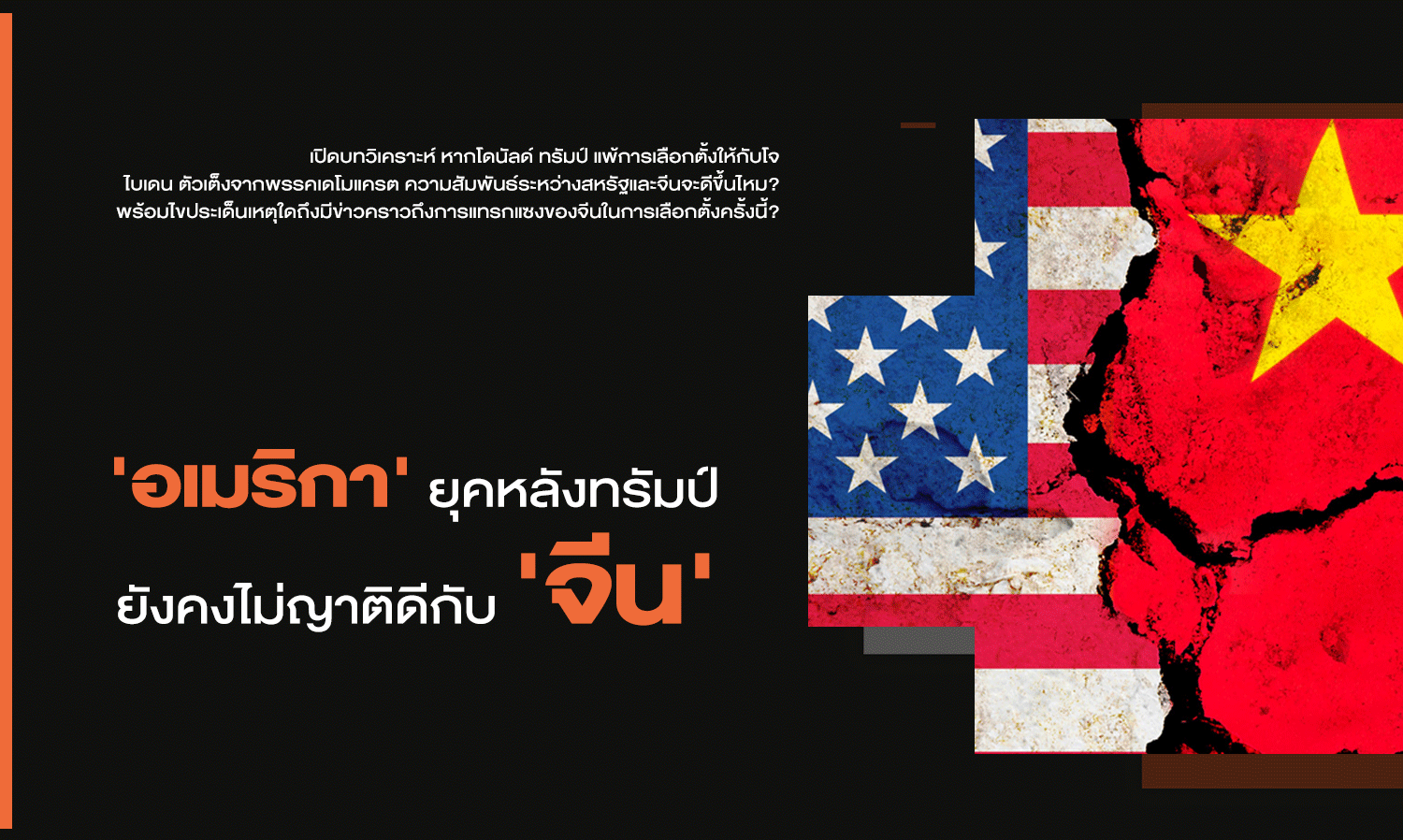
An analysis of whether U.S.-China relations will improve if Donald Trump loses the election to Joe Biden, the Democratic frontrunner, and why there are reports of Chinese interference in this election.
The turmoil in the U.S. today, with COVID-19 cases reaching 5 million and hundreds of thousands dead, alongside intense hatred among various groups following the George Floyd case, has led many to look ahead to the Post-Trump era. This is reflected in the polls where the infamous president is increasingly trailing behind the Democratic candidate.
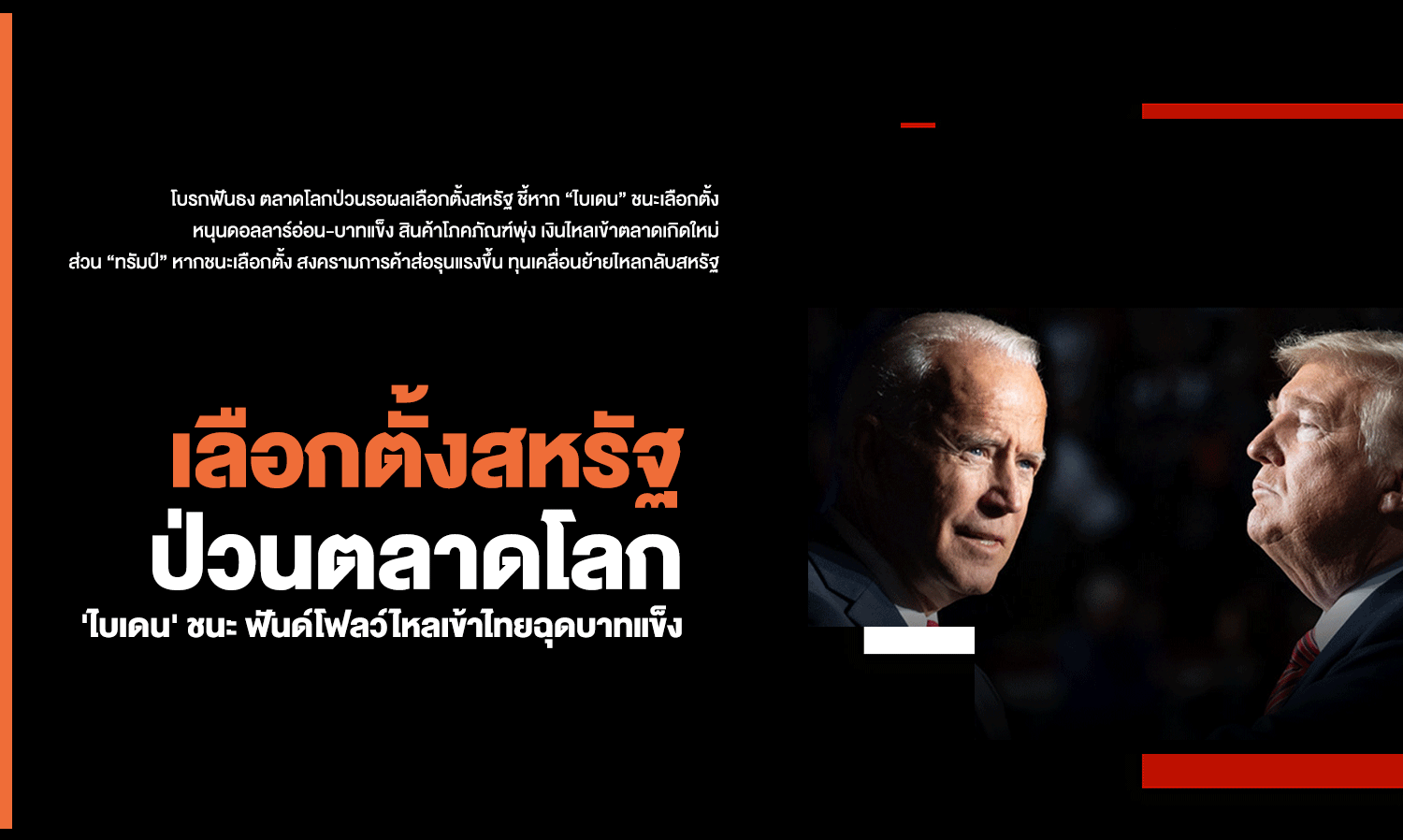
Many countries that have been affected by Donald Trump's policies are cheering for Joe Biden to win the November 2020 election and become the new president, including China, which Trump has heavily targeted to deflect attention from domestic failures. However, can we really believe that relations with China will improve once Trump is out of power? It seems unlikely.
The strategy of reviving a leader's declining popularity by provoking conflict with foreign enemies is not new; many leaders have done it. Whether it succeeds or not depends on the public and the tools of warfare, and the outcomes can determine a leader's fate. In 1982, the military government of Argentina, facing protests for a return to democracy, stirred up nationalism by reclaiming the Falkland Islands from Britain. While the public supported it, the Argentine military could not withstand the superior British forces, resulting in the downfall of President Leopoldo Galtieri's government and a return to civilian rule.
This year, Trump has aggressively targeted China without compromise, unlike the negotiation tactics of three years ago. He has imposed serious tariffs, banned companies, seized assets, revoked Hong Kong's privileges, sent ships into the South China Sea, and forged alliances, leaving no room for China to negotiate. Everything has been swift and forceful.
All of this may not help the Republican government regain favor in the upcoming election, but one thing they have demonstrated to the world is that the U.S. is united on the issue of China. Trump would not have succeeded without the support of Congress, which has opponents, nor would he have succeeded if the bureaucracy was indifferent or resistant, or if allies, especially in Europe, remained silent. However, no one has defended China. The issues raised by the U.S. against China, whether regarding technology theft, violations of Hong Kong and Uyghur rights, seem to have been accepted by Washington's allies.
Will the U.S. aggression towards China gradually fade away once Biden's government fully takes over next year? This is a hope for China, which is why there are reports of Chinese interference in the election to help Biden defeat Trump.
Last year's news about Biden's son doing business with China and the previous Democratic administration under Barack Obama, which, despite emphasizing a pivot to Asia, focused more on negotiations than serious pressure on Chinese companies, indicates that the Democrats have shifted their stance towards a more conciliatory approach to China this year.
This shift is largely due to China's own aggressive posture on the global stage, challenging U.S. interests relentlessly, leading many Americans and numerous allies to become dissatisfied and implicitly side with Trump.
The American belief that China has been responsible for the spread of COVID-19, along with China's heavy-handed actions in Hong Kong and against the Uyghurs, has significantly increased American discontent towards China this year. Consequently, the Democrats must revise their policy that seemed too lenient towards China, and this change in campaign policy has allowed Biden, who was previously trailing Trump, to surge ahead.
The underlying dissatisfaction among Americans towards China has existed for some time, and it may lead to a confrontation where China cannot maintain its current position. Many Americans believe that China's rise today is due to the U.S. neglecting to protect its own interests, allowing China to undermine and damage America.
The Democrats have recognized this sentiment this year, and Biden's campaign policy is not soft on China. They are calling for human rights for the Uyghurs, selling arms to Taiwan, condemning China's actions in Hong Kong, and accusing Trump of being too lenient in his policies towards China, focusing more on trade benefits than national interests. The Democrats are determined to ensure that the U.S. remains strong and secure, not allowing China to violate U.S. interests any longer.
Whether Biden, who is currently leading, will win is one thing, but the Republicans, who are trailing in the polls, are already aggressively attacking China with support from various factions. These dynamics are unlikely to diminish after the election. No party will be able to change the American sentiment; only China can do that, but to what extent can China manage this, given that it is also facing its own challenges?
China must continue to advance to prevent domestic issues from catching up with it, while the issues in Xinjiang, Hong Kong, and the South China Sea are all matters of face and sovereignty that China cannot back down from either. Given this, it is clear that the world in 2021 will be even more intense than this year.
SOURCE : www.bangkokbiznews.com