Sansiri Launches SANSIRI BACKYARD: EAT-ABLE GARDEN - A Home Vegetable Garden Concept That Sparks Residents to Transform Their Surroundings into Family Food Sources
Sansiri introduces the concept of SANSIRI BACKYARD: EAT-ABLE GARDEN - A Home Vegetable Garden that is Easy to Grow
Inspiring residents to transform their surroundings and condos into family food sources
- 'Sansiri' ignites a movement for residents to take action in transforming their home and condo spaces into organic vegetable gardens and family food sources with the strong concept of “SANSIRI BACKYARD: EAT-ABLE GARDEN - A Home Vegetable Garden that is Easy to Grow”
- Expanding the SANSIRI BACKYARD concept into residential areas, showcasing edible gardens in the show units of housing and condo projects, packed with activities and privileges of EAT-ABLE GARDEN, and preparing to offer edible garden setup services delivered to residences by ZTHEGARDEN, one of the winners from THE FOUNDER.

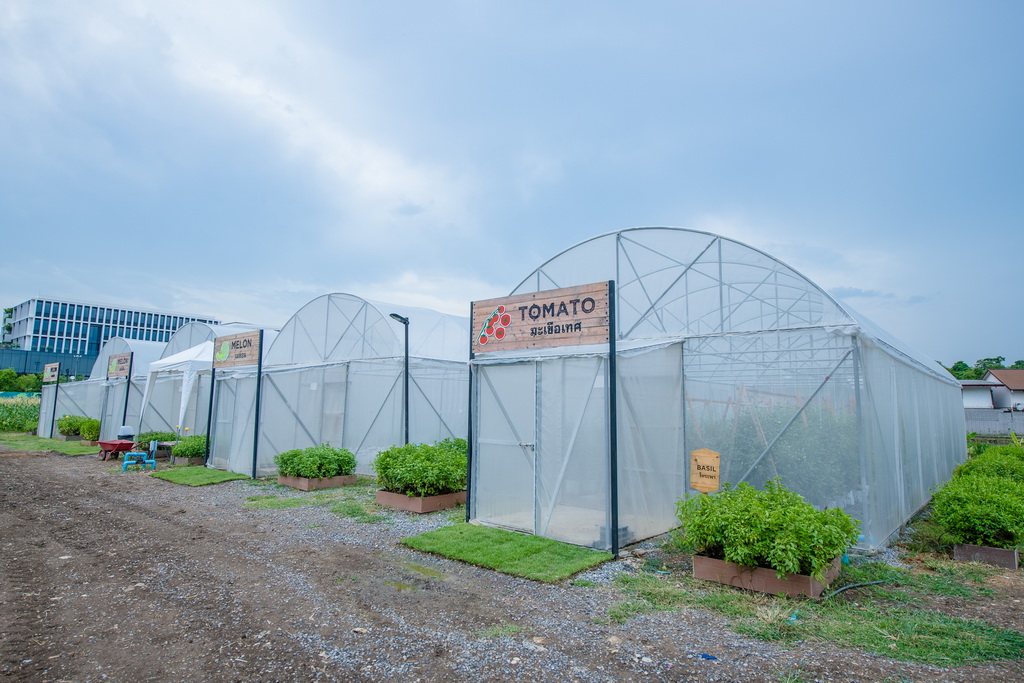
- Continuing the success of SANSIRI BACKYARD on undeveloped land and common areas, expanding SANSIRI BACKYARD x CHUL FARM at T77 COMMUNITY covering 17 rai, raising egg-laying ducks and planting rice berry, while creating edible gardens and food sources for residents in 160 projects including condos, single houses, townhomes, and townhouses within this year.
- Highlighting the importance of being food producers with home vegetable gardens, reinforcing the approach to good health for sustainable living for residents and society.
Ms. Jariya Janjerdsuk, Assistant Managing Director of Product Development at Sansiri Public Company Limited stated, “From the success of SANSIRI BACKYARD over the past year under the 3GS principle or GREEN-GROW-GIVE, we are looking at increasing green space under our sustainability mission (SANSIRI SUSTAINABILITY 2020) in a new dimension that not only provides shade in residences but also utilizes home space as a safe food source for families, leading to the concept of “SANSIRI BACKYARD: EAT-ABLE GARDEN” encouraging residents to use some of their vacant spaces, such as backyards or condo balconies, to grow edible gardens and become food producers themselves.”
SANSIRI BACKYARD: EAT-ABLE GARDEN aims to inspire the idea of home vegetable gardens, showcasing in show units of both housing and condo projects including Kawa Haus, Anasiri Chaiprakarn-Wongwaen, and Anasiri Bangkok-Pathumthani, alongside activities supporting over 120,000 families in the SANSIRI FAMILY to grow edible gardens at home under the concept of GREEN INSPIRE-GROW COMMUNITY-GIVE EXPERIENCE, including delivering edible plant kits, sharing tips about edible plants, and organizing pop-up edible gardens, along with a lineup of special privileges from Khamnan Jul Farm, Tops Supermarket, and Villa Market, while promoting ZTHEGARDEN, one of the winners from THE FOUNDER project to provide edible garden setup services to residences.
Ms. Pornpimol Puphat, SANSIRI SPYZ representative of the new wave employees with the role of conveying Sansiri's stories to Gen Z & Y regarding sustainability explained the concept of EAT-ABLE GARDEN further, stating, “It is a ‘home vegetable garden that is easy to grow’ stemming from a simple idea that supports every home to have space for growing vegetables, even if it’s a small area in pots on a windowsill, or on a condo balcony or rooftop. Sansiri has also succeeded in growing organic vegetable gardens in vacant spaces in common gardens and undeveloped areas, creating a happy community for residents (MAKE A GREAT NEIGHBORHOOD) throughout the past year of SANSIRI BACKYARD.”
In the second half of 2020, Sansiri is ready to continue the success of SANSIRI BACKYARD both in common areas and undeveloped spaces as food sources for the community, expanding green spaces to a total of 17 rai of SANSIRI BACKYARD x CHUL FARM at T77 COMMUNITY, adding rice berry fields and raising ducks in the rice fields to eliminate weeds and pests while providing fertilizer for the rice plants, all under the careful management of Khamnan Jul Farm, one of Sansiri's eco-friendly business partners, while adding a 1.5 km exercise track around the T77 COMMUNITY project to explore the abundance of SANSIRI BACKYARD x CHUL FARM and the thoughtfully created WALL ART by Sansiri employees, while aiming to establish SANSIRI BACKYARD as an edible garden and food supply source in a total of 160 condo, single house, townhome, and townhouse projects within this year.
“SANSIRI BACKYARD: EAT-ABLE GARDEN is an adjustment of the environmental factors in the development projects of Sansiri to align with the current trends of consumers who are increasingly concerned about healthy sustainable living, as well as living in an environmentally friendly manner. Consumers are spending more consciously regarding sustainability, coexisting with nature, and consuming safer, chemical-free food. Therefore, having SANSIRI BACKYARD: EAT-ABLE GARDEN in every project will be another factor in enhancing the value of Sansiri residences that stand out and differentiate from competitors by addressing consumer insights,” Ms. Jariya added.
SANSIRI BACKYARD from the concept of creating green spaces from every vacant area to a community food source
The COVID-19 pandemic has led people to focus more on preventive health care. According to the latest Dusit Poll survey, 45.39% of the population has adjusted their lifestyles to prioritize exercise and choose to consume safe food, believing that maintaining good health can help prevent viruses and that consuming safe food can help build immunity.
Throughout the lockdown period when everyone spent most of their lives at home and in condos, SANSIRI BACKYARD has served as a FOOD SUPPLY or food source for communities in Hua Hin and the resident community in T77 COMMUNITY and 30 other projects, benefiting over 15,000 families, including nearby communities, who trust in the cleanliness and safety of Sansiri's chemical-free vegetable cultivation.
“From the success of the past year to SANSIRI BACKYARD: EAT-ABLE GARDEN, we are committed to inspiring residents to see the importance of being food producers themselves, reducing reliance on other sources that may not be clean and could carry germs or viruses, to be a food source for their families, reinforcing the approach to good health and sustainable living for residents and society,” Ms. Jariya concluded.