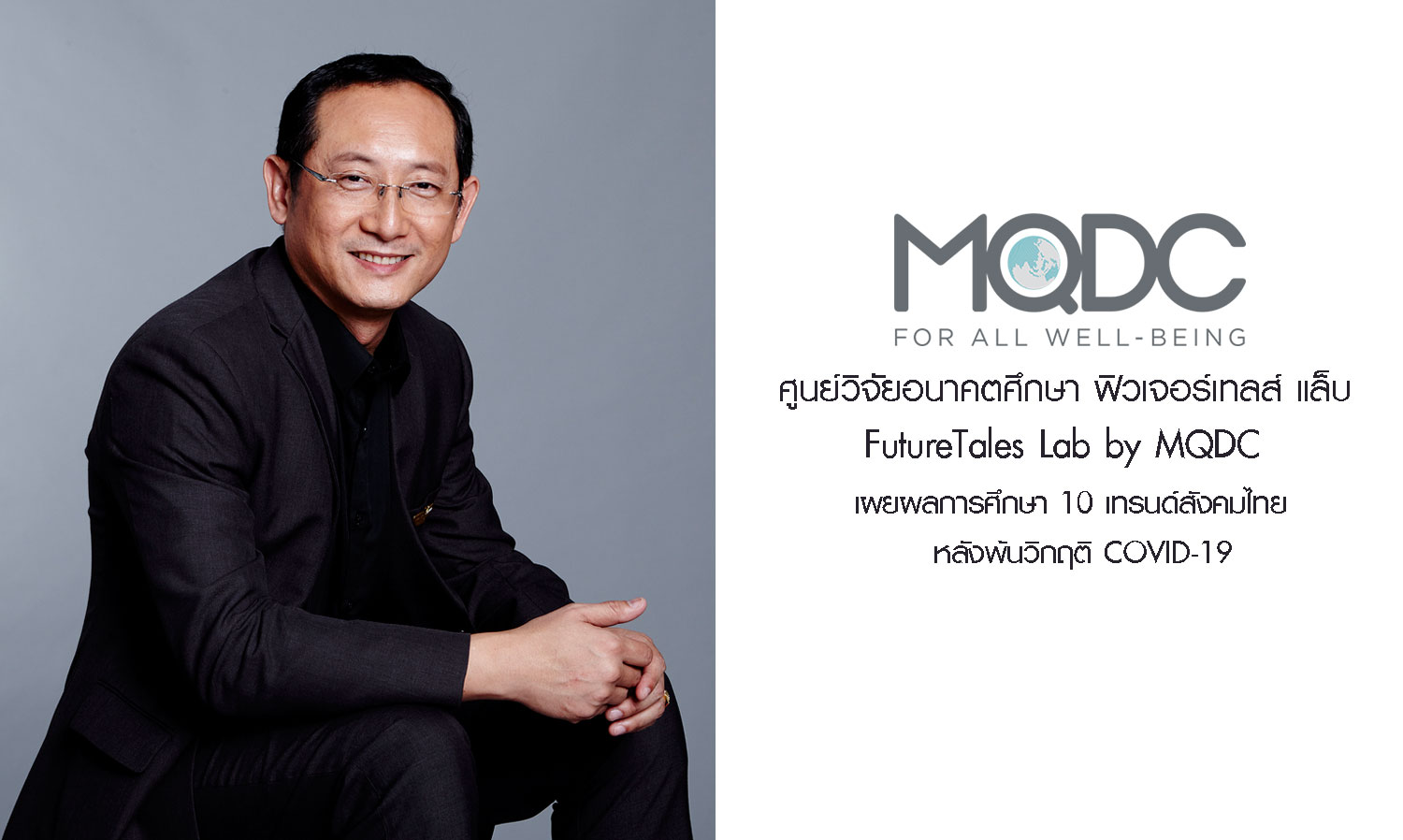
FutureTales Lab by MQDC Reveals 10 Trends in Thai Society Post-COVID-19
The global outbreak of COVID-19 has impacted every aspect of life, including the economy, society, politics, and the way people live. A crucial question that arises is how life in society will change after this crisis. FutureTales Lab (FutureTales Lab by MQDC), or the Future Studies Research Center under Magnolia Quality Development Corporation Limited (MQDC), seeks to answer this through an analysis of the impacts and collection of data on future society, presenting 10 interesting trends to prepare for effective adaptation to all changes.
Mr. Wisit Malaisirirat, CEO of Magnolia Quality Development Corporation Limited (MQDC), stated, "MQDC recognizes the importance of new trends and forecasting what may happen in the future world, allowing all sectors, both public and private, to utilize this information for development and policy design, proactive response planning, and the development of housing, products, and services that meet the future lifestyle needs based on the concept of 'For All Well-Being', which aims to create a truly sustainable quality of life for all beings on Earth. This is the foundation for establishing the first Future Studies Research Center in the ASEAN region, named 'FutureTales Lab'.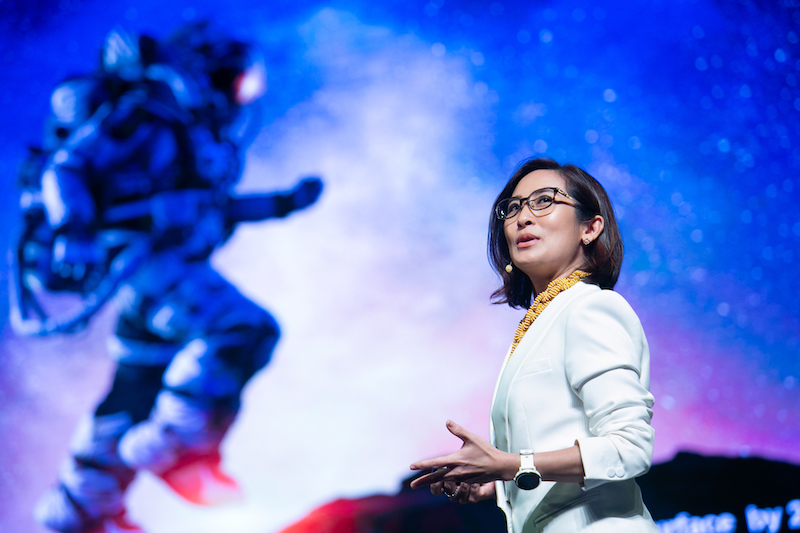
Dr. Kandi Liewphairoj, Head of the Advisory Committee at FutureTales Lab, Magnolia Quality Development Corporation Limited, revealed that the FutureTales Lab by MQDC has highlighted important issues and analyzed them using the Web of Impact tool by the FutureTales Lab research team, illustrating the potential social impacts that may arise after the COVID-19 crisis. These can be summarized into 10 trends that Thai society should prepare for, covering aspects of lifestyle, housing, technology use, transportation, healthcare, and overarching government policy trends:
- Social Structure: New social projects will emerge with globally unified laws that enhance health and safety, alongside the introduction of IOT Infrastructure and various systems that will attract more public interest. Another related aspect is that people will prioritize health and well-being, willing to share personal data to protect their health and the assets of themselves and their families.
- Resilience & Agile by Force: Although personal trust and confidence may decline post-COVID-19, collaboration between organizations and industries will increase. The government will take the longest to adapt and will undergo more changes, such as basic laws and legal meetings conducted online. This crisis may positively reset the economic landscape, allowing the state and businesses to use this opportunity to provide free online learning for workers or establish regulations that reduce resource consumption.
- Global Emotional Crisis & Touchless Society: This refers to the emotional crisis faced by individuals when confronted with difficulties in a situation where traditional ways of living are no longer possible, leading to a loss of mental and emotional balance. For instance, younger generations who grew up accustomed to greeting with handshakes or hugs now find such interactions impossible, resulting in increased physical distancing. This will affect emotional aspects of care and concern in the future, such as the working age population that prefers
Co-Working Spaces, which may adapt to a model of Sharing Space With Boundary, or create more defined personal areas and design service spaces that require no physical contact, utilizing voice recognition or AR instead.
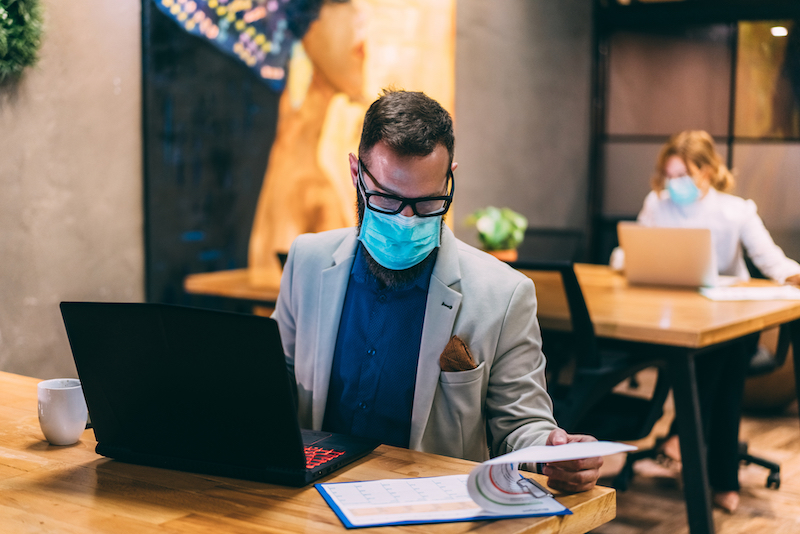
- Public Space / Indoor Technology with Health Factor: Due to distrust and anxiety regarding safety in public spaces, businesses in this sector, such as large shopping malls, must plan responses and create tools to enhance consumer feelings of safety. Implementing sanitation systems will be as crucial as air, water, and electricity systems, with established standards for clean air quality in buildings.
- Prioritizing Space Over Convenience: Consumer mindsets regarding housing purchases will shift. Previously, everything was concentrated in city centers, with proximity to public transport being a primary factor. However, the current situation may lead to more remote working opportunities, reducing the necessity to commute daily. This could influence housing decisions, making it less essential to live in the city or in small condominiums, potentially leading to a preference for larger homes in suburban areas with gardens, or converting vacation homes into permanent residences.

- Everything At Home: Also known as the homebound economy, the pandemic has altered lifestyles, leading people to become accustomed to living, working, and engaging in various activities at home. This will affect housing demands, as previously acceptable smaller living spaces may no longer suffice, necessitating larger areas that can accommodate multiple functions. For example, condominiums will need to include spaces for cooking, working, and exercising simultaneously.

- Proactive Healthcare Platform: The COVID-19 pandemic has underscored the importance of healthcare and illness prevention platforms. Urban infrastructure, buildings, and homes must incorporate health and mental health services as fundamental offerings.
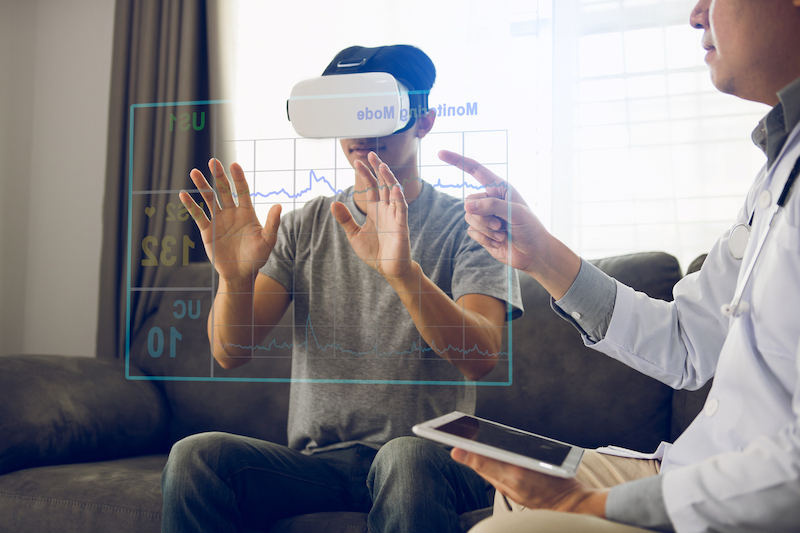
- Last mile & next hour logistics: Changing consumer behaviors will increase the demand for short-distance transport (1 kilometer) and rapid delivery within one hour.

- Wearable Device – Prioritizing Health & Safety Over Privacy: The growth of wearable electronics will see consumers willing to share personal data in exchange for enhanced safety. For instance, applications may develop deeper insights into risk levels at specific locations, raising issues of safety and privacy.

- Super Food & Food Supply Chain Transparency To Personal Food Supply: Traditionally, consumers have prioritized taste and social aspects of food. However, moving forward, there will be a greater emphasis on healthy eating, with consumers seeking assurance that food products meet safety and cleanliness standards. Some consumers may even begin urban farming initiatives.
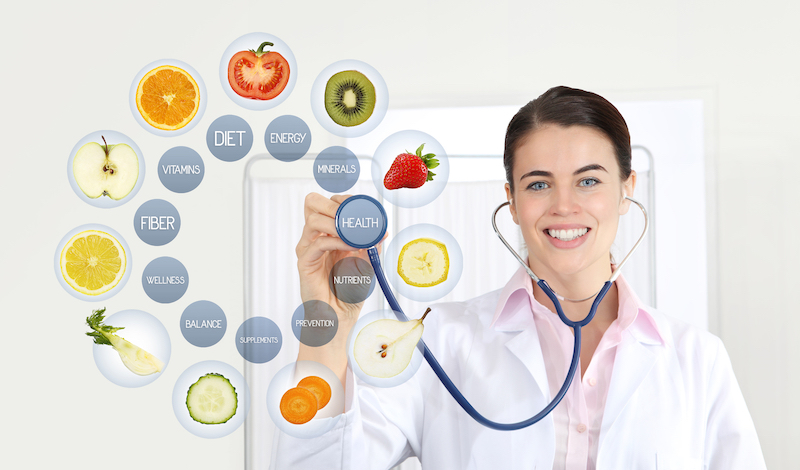
These are the 10 societal trends that will change after the COVID-19 crisis.
“FutureTales Lab” believes these insights will benefit all sectors of society in preparing to adapt to The Next Normal, the new normal expected to emerge after this crisis, Dr. Kandi concluded.