Sustainable Urban Development through Collaborative Research in Bangkok
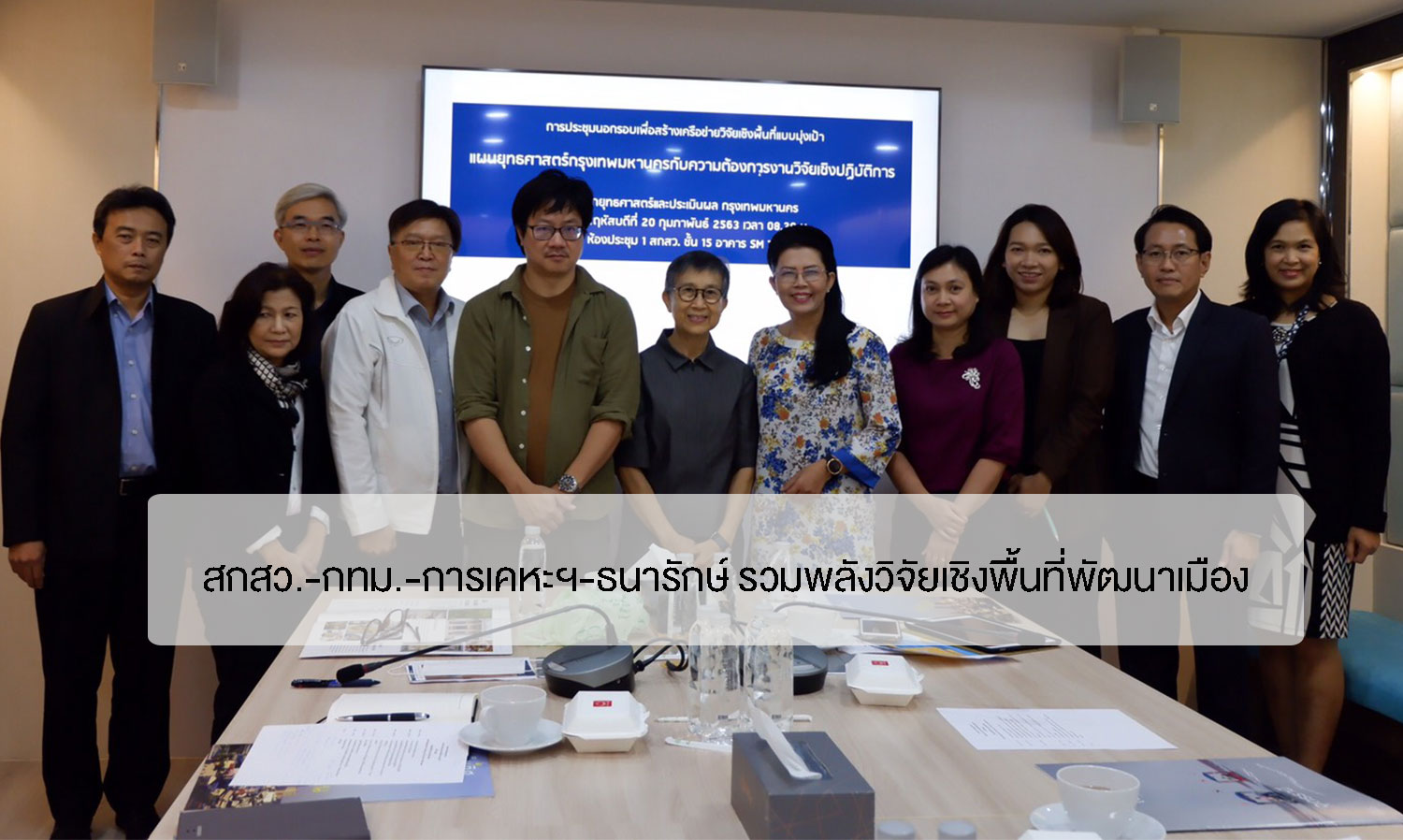
The Science, Research and Innovation Promotion Office (SRIPO) is working to establish a targeted research network focused on the strategic plans of Bangkok, the operational guidelines of the National Housing Authority (NHA), and policies from the Department of Lands, aiming to gather cooperation for sustainable urban and housing development.
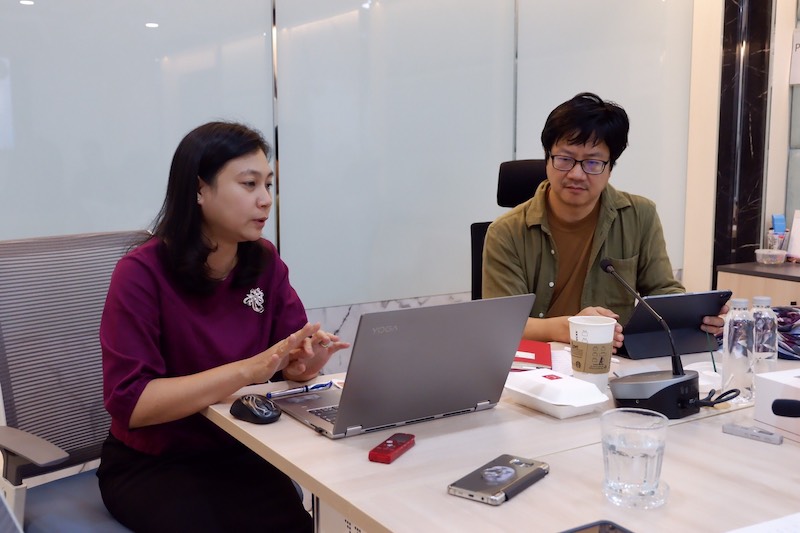
Associate Professor Dr. Pun Tiengburanatham, Deputy Director of Strategic Planning and Budgeting at SRIPO, revealed that SRIPO, in collaboration with the Bangkok Metropolitan Administration (BMA) through the Management Strategy Division and the National Housing Authority (NHA), along with the Department of Lands, is brainstorming cooperative strategies to achieve sustainable urban and housing development through a targeted research network.
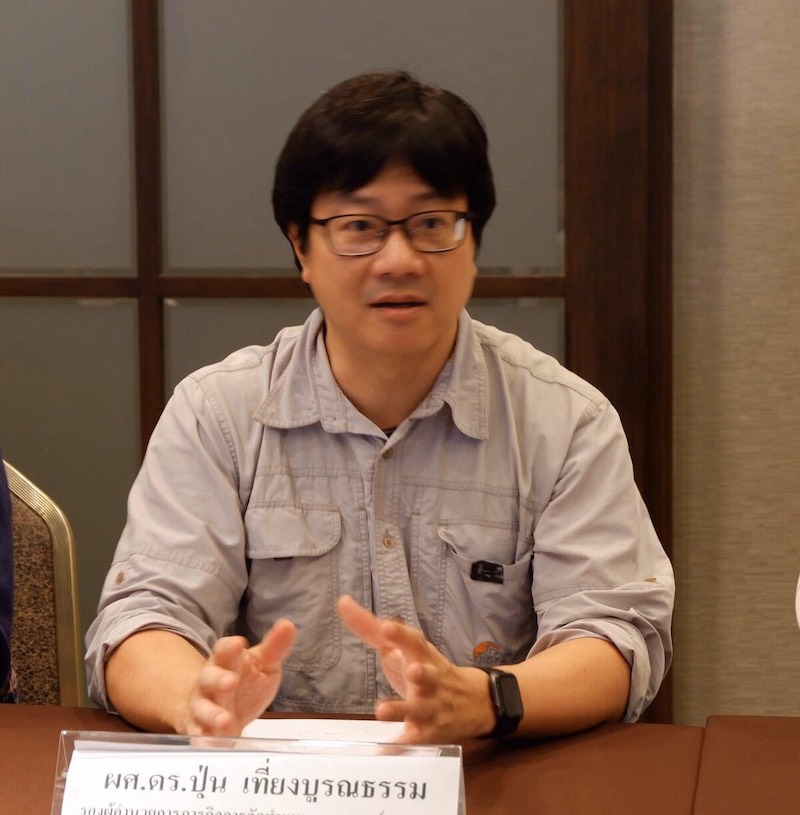
Currently, many areas have various networks involved in housing development at both central and local levels. This initiative aims to present a clear picture of each unit's housing development strategies to relevant partners, providing research data that can lead to successful outcomes.
Dr. Pun stated that the NHA has indicated that this will be a research and development effort to enhance knowledge, technology, and innovation related to housing, communities, and urban development, fulfilling its mission to address issues and guide the NHA's operations, along with related agencies. There are currently 284 research projects categorized into various areas: 34 on macroeconomic development, 9 on housing regulations, 64 on construction technology and materials, 10 on finance, 66 on community development, 39 on urban development, and 62 on other topics.
"There needs to be a housing policy that enables collaborative usage. We want to see research translate into practical applications, which should lead to better matching. The NHA should serve as a knowledge hub on housing, providing a database for the National Housing Development Committee to build upon and identify mechanisms for collaborative work, especially in community development and technology, which will exceed 50%. Only a portion of innovations can be practically applied, while others will relate to urban development, macroeconomics, finance, and more," she added.
Mr. Kirat Dunkhunakool, Director of the Housing Development Academic Division at NHA, mentioned that the research direction of the NHA focuses on creating collaborative networks among agencies to integrate housing research and development efforts in the country to solve problems and plan for future scenarios. This includes the continuous development of knowledge, technology, and innovation, as well as the exchange and sharing of knowledge and technology to promote practical applications.
Ms. Prinada Meechalad, Policy and Operational Planning Analyst at the BMA's Management Strategy Division, stated that they have surveyed the current and future housing needs of the public to align with the BMA's 20-year strategic plan.
In terms of linking various plans, there will be community plans pushed through each district office, emphasizing the importance of district development plans, although there is currently no mechanism to support them. This year marks the first trial in each area, and if successful, it will expand to other areas. All six zones will integrate by gathering public opinions to create clear housing development plans for each district.
"Ultimately, this can lead to budget allocations to drive the strategies of each area using the BMA's budget. This initiative began on January 21, 2020, inviting educational institutions in Bangkok to participate, with 20 institutions from over 40 agencies expressing interest in collaboratively developing business plans, alongside 112 public consultation venues. Educational institutions will help design processes to ensure tangible outcomes," she concluded.
Dr. Sirichat Phupakdee, a representative from the Department of Lands, stated that the management plan for the Department's 12.5 million rai of state land covers three dimensions: physical, economic, and social. 90% will primarily be used for government purposes, while the remainder will be developed for various benefits, including addressing issues such as encroachment and stimulating the grassroots economy in line with the Ministry of Finance's policies.
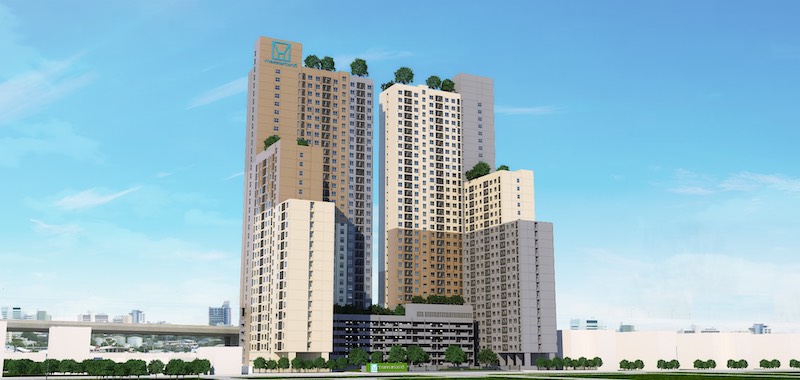
"We aim to provide housing and livelihoods for income-earning citizens without encroachment, distributing land ownership. The development aspect is evident in the 'Thanarak Pracharat' project, which allows encroachers to enter the government system through leasing, enabling them to use that right as collateral for loans, thus generating additional income. The 'Thai People Pracharat Housing Project' for low-income earners and the development of housing along Lat Phrao and Prem Prachakorn canals represent another dimension of facilitating sustainable housing for both the government and citizens," she added.
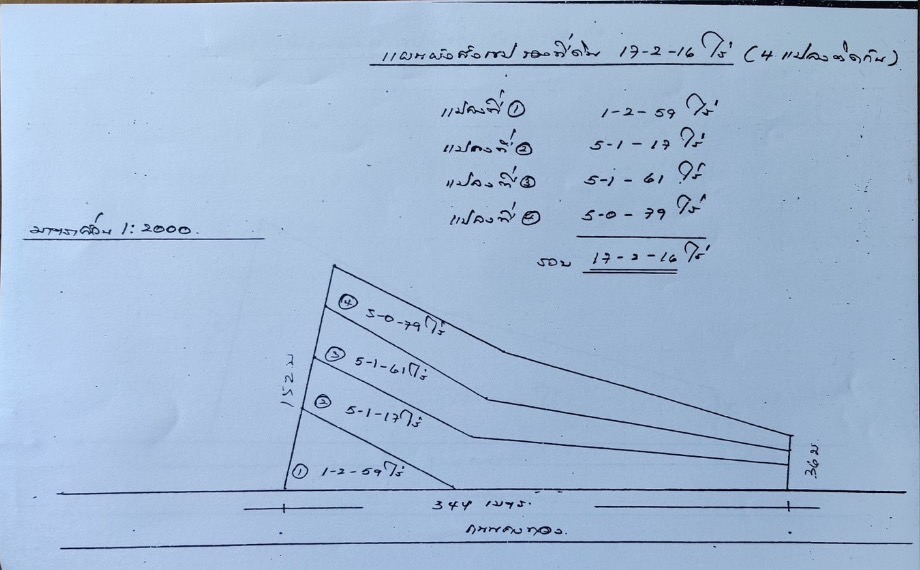
Currently, the targeted area-based research role does not have a dedicated division within the Department of Lands, but a working group has been established to analyze spatial data from the Department's land information nationwide to identify which issues can be addressed in each area, particularly in cases of encroachment. There is an initial policy to reclaim unused government land in those areas for housing development for low-income citizens in line with government policies.