Brand Character: Strategies for Creating an Identity in the Minds of Customers
Creating a Brand or engaging in Branding is something that every business owner today is particularly interested in, beyond just producing quality products. This helps make their products or businesses more memorable to consumers and fosters Brand Loyalty, leading to sustainable profits and a strong customer base.
In an era where product manufacturing is easy, resulting in a plethora of similar products flooding the market, consider this: if we want a pair of shoes today, there are numerous Brands and styles to choose from. But why do some people insist on buying only from a specific Brand? This is because each brand creates a unique value in the minds of consumers based on its Brand Character. Today, Terrabkk would like to share insights into one aspect of brand creation: developing Brand Character.
What is Brand Character?
Brand Character is the identity of a Brand, which varies from one brand to another, much like how individuals have different personalities, habits, and characteristics. The study of Brand Character consists of two main disciplines: Brand Personality and Brand Archetypes.
Brand Personality categorizes the personality of a Brand into five types:
1. Excitement: Enthusiastic, spirited, confident, often seen in adventure tourism businesses targeting youth and young adults.
2. Sincerity: Caring, genuine, honest, often found in life insurance products.
3. Sophistication: Complex, luxurious, desirable, typically associated with high-end or luxury brands.
4. Competence: Leadership, intelligence, superior quality, often seen in IT products or smartphones.
5. Ruggedness: Durable, long-lasting, bold, often related to construction and machinery.
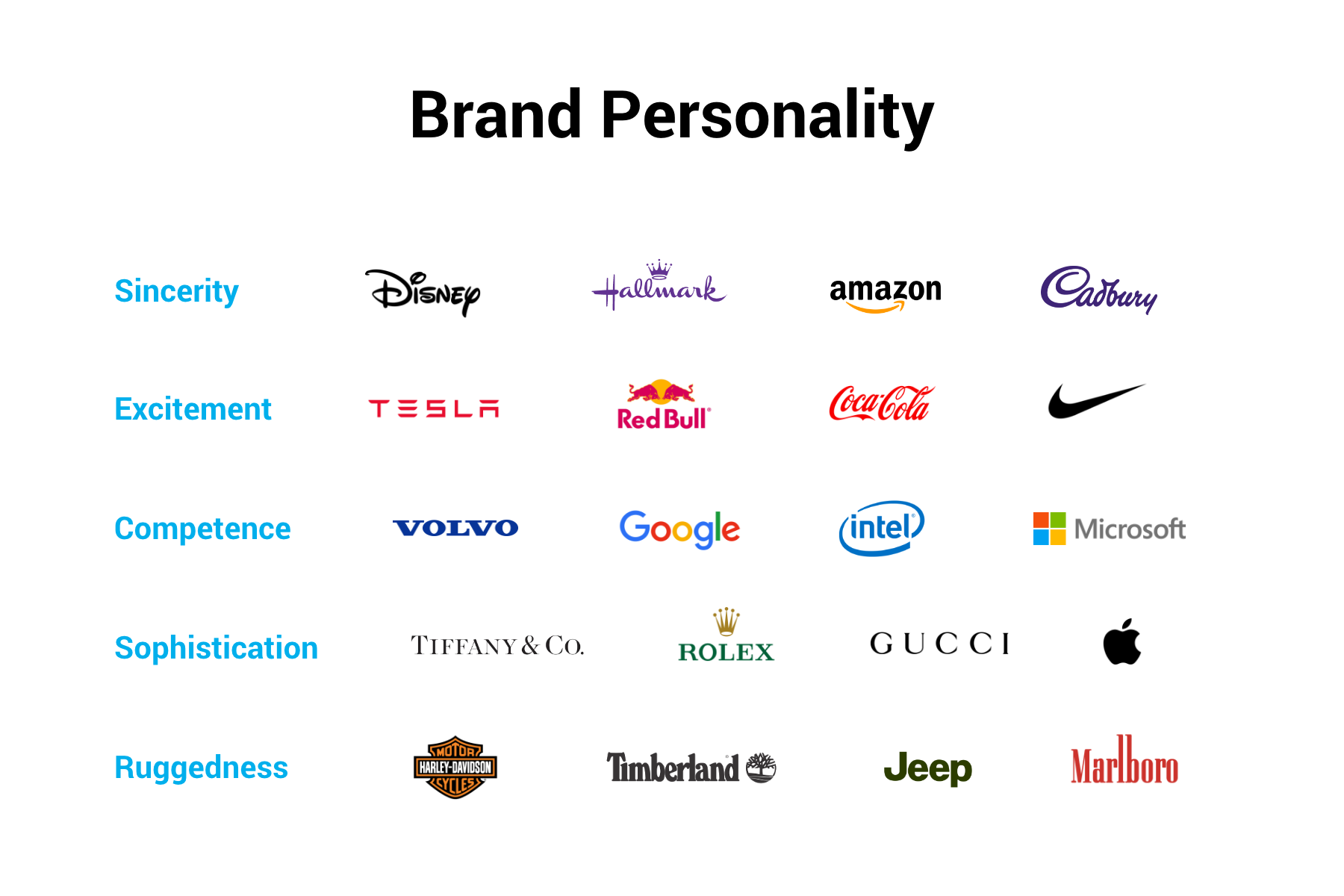 Source: https://medium.com/@ebaqdesign/brand-personality-traits-of-top-brands-19c58890770f
Brand Archetypes are concepts from Swiss psychologist Carl Gustav Jung, who studied human psychology regarding the influence of the collective unconscious on behavior. This is divided into five groups and twelve types.
Brand Archetypes are divided into 5 groups:
1. Spirit: Individuals who adhere to ideals.
2. Thought: Individuals who are calm and possess deep wisdom.
3. Energy: Individuals full of creative energy and change.
4. Emotion: Friendly, kind, and charming individuals.
5. Substance: Individuals rich in substance and abundance.
Brand Archetypes are further divided into 12 types:
1. Innocent: Simple individuals seeking happiness as their goal.
2. Explorer: Energetic individuals who love novelty and challenges.
3. Sage: Knowledge-seeking individuals, thinkers, and philosophers.
4. Hero: Competitive individuals whose goal is victory.
5. Outlaw: Individuals who challenge rules and love freedom.
6. Magician: Individuals who create the seemingly impossible and possess imagination.
7. Everyman: Ordinary individuals who easily relate to others.
8. Lover: Individuals who love others and value relationships.
9. Jester: Fun-loving individuals who enjoy socializing and have a good sense of humor.
10. Caregiver: Individuals who care for others, share, and nurture.
11. Creator: Individuals who enjoy creating new things.
12. Ruler: Individuals born to lead, who enjoy governance and power.
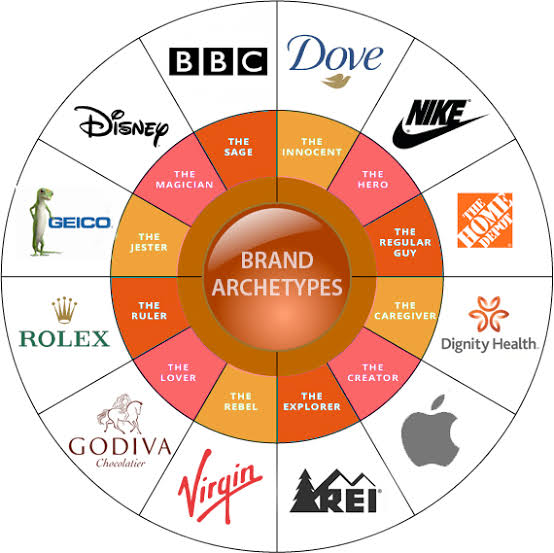
Source: http://www.themarketingsage.com/brand-archetype/
Why is it important to have a Brand Character?
1. It aligns marketing communication across the organization and targets the right customer group.
A clear Brand Character provides a framework for consistent communication. Marketing communication can effectively target the intended audience, ensuring that recipients understand the message and clearly receive the information.
2. It differentiates from competitors.
As mentioned earlier, the ease of product manufacturing has led to a multitude of similar products in the market, giving consumers more choices. However, creating a Brand Character allows consumers to recognize the uniqueness and identity that the Brand wants to communicate, prompting them to choose that product to feel part of the Brand's identity, like purchasing Apple products, where buyers feel they are at the forefront of innovation and defy conventional norms.
3. It fosters Brand Loyalty, creating a tribe of Brand enthusiasts.
The tribe of Brand enthusiasts is a community of individuals who share beliefs in that Brand. It is not an exaggeration to say that we see people around us who have different beliefs in various Brands and will defend their Brand when others criticize it, such as Apple fans, Nike supporters, and Adidas enthusiasts.

Anyone looking to develop a Brand Character must answer these questions:
1. What are the key features of your brand?
2. How do you want your target audience to emotionally connect and perceive your brand?
3. What are the communication goals of your brand that convey its attributes and benefits intelligently?
4. What words, phrases, or sentences will make your target audience think of you and feel confident sharing them with others?
5. What elements of your Brand—colors that represent your Character, images that convey your Character, and typography that reflects your Character—do you need to define?
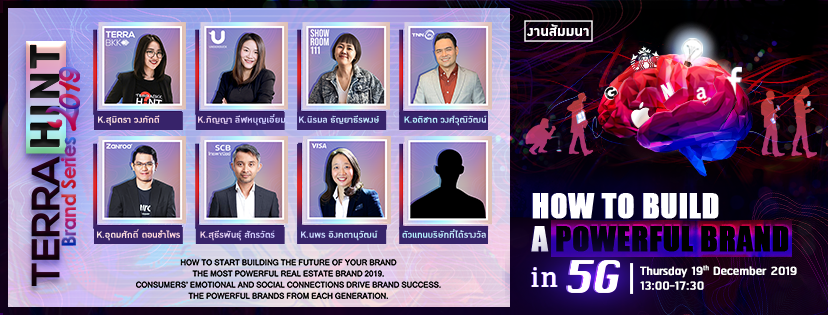
For readers interested in learning more about Brand or wondering how to build a powerful brand in the 5G era, join us for the event TERRAHINT BRAND SERIES 2: Building a Powerful Brand in the 5G Era on Thursday, December 19, 2019, from 1:00 PM to 5:30 PM at CW Tower, C-Asean Auditorium. Register at http://bit.ly/36ZORak.