"Sponsorship" to "Community": The Answer to Building Brands in the New Era
Indeed, sports marketing is not a new concept in the business world, but the key question is, "How do we make it work and achieve sustainable results?"
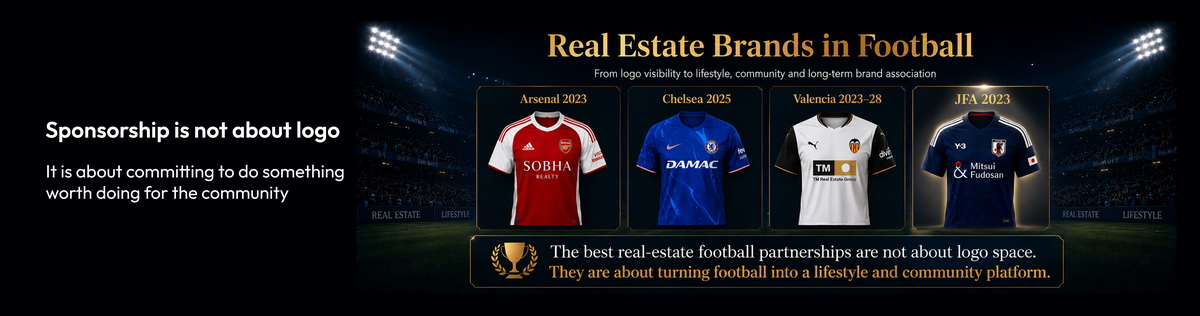
Spending large sums of money on advertising space, placing logos on jerseys, or traditional sponsorship may no longer be sufficient to win the hearts of consumers who seek sincerity and deep connections.
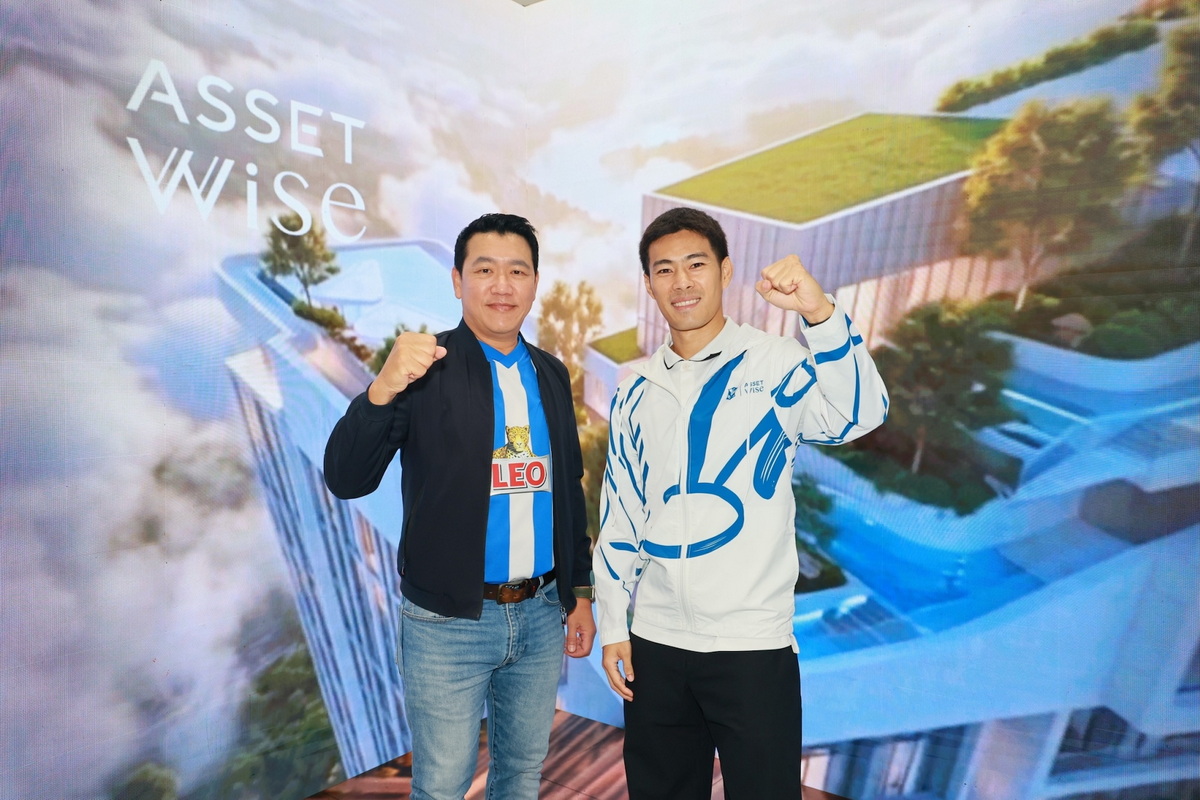
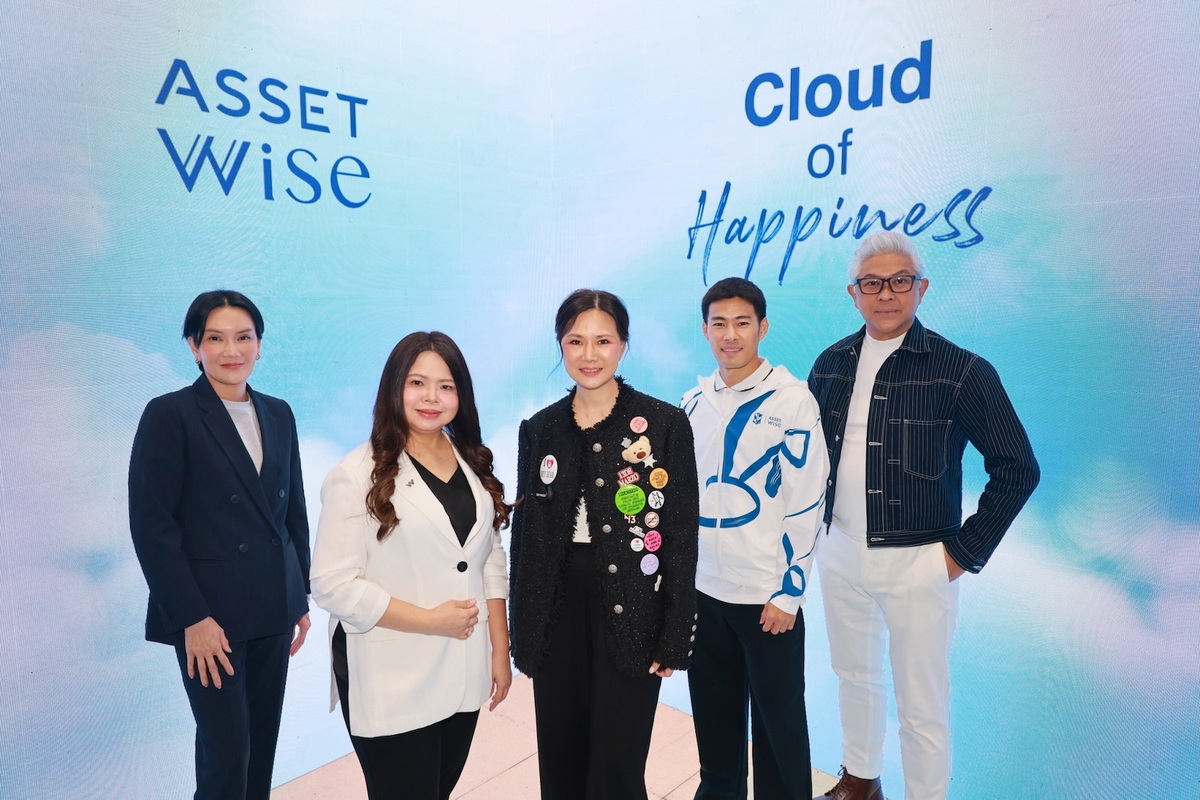
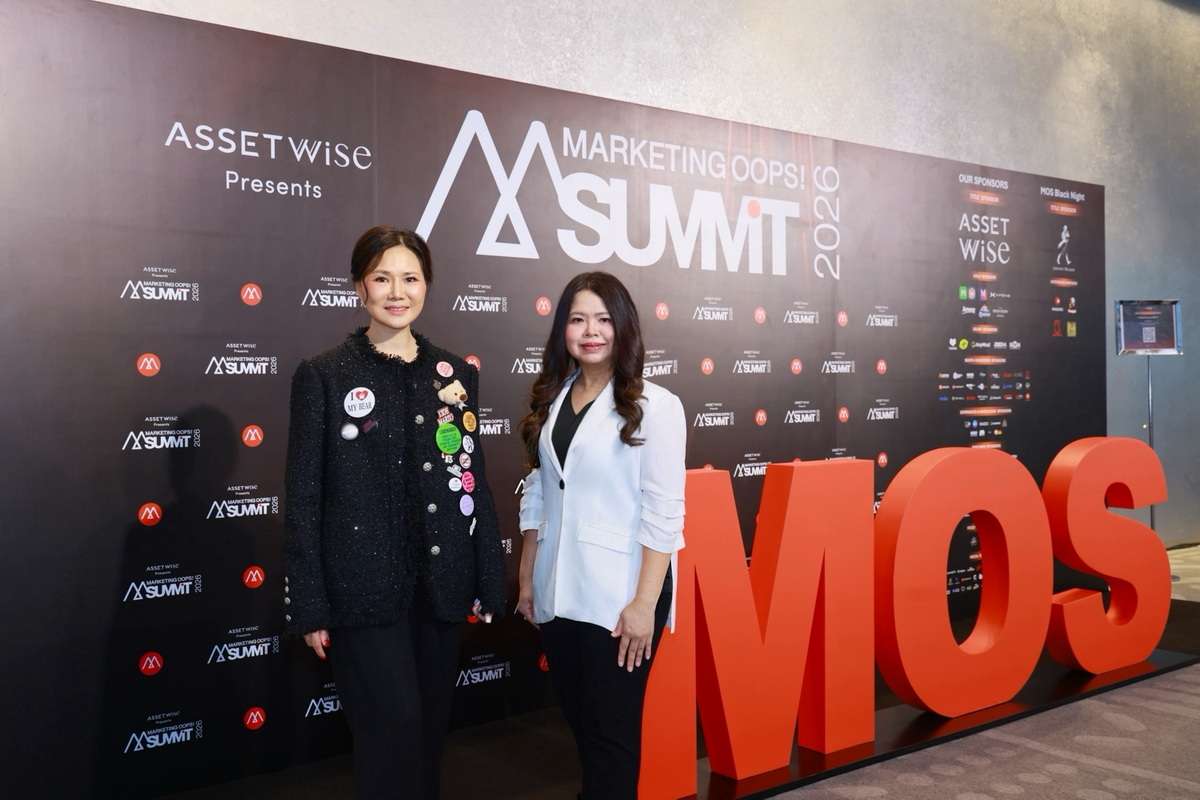
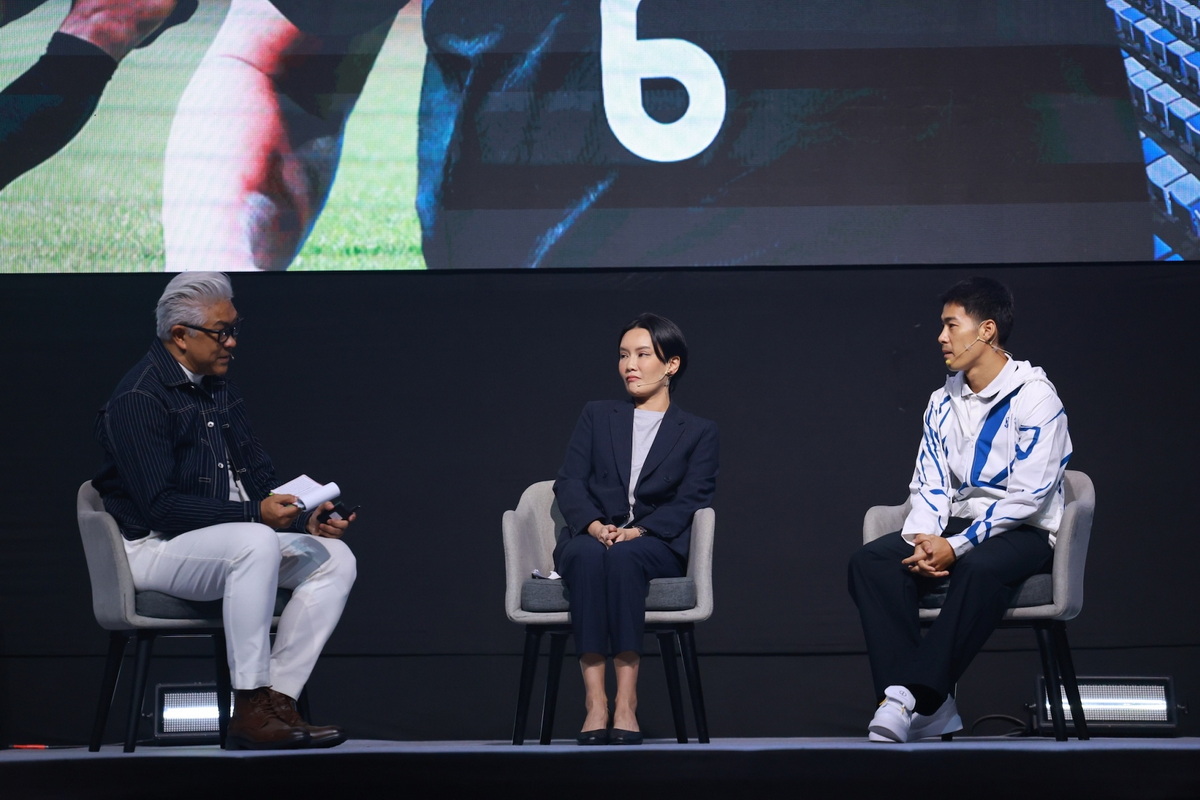
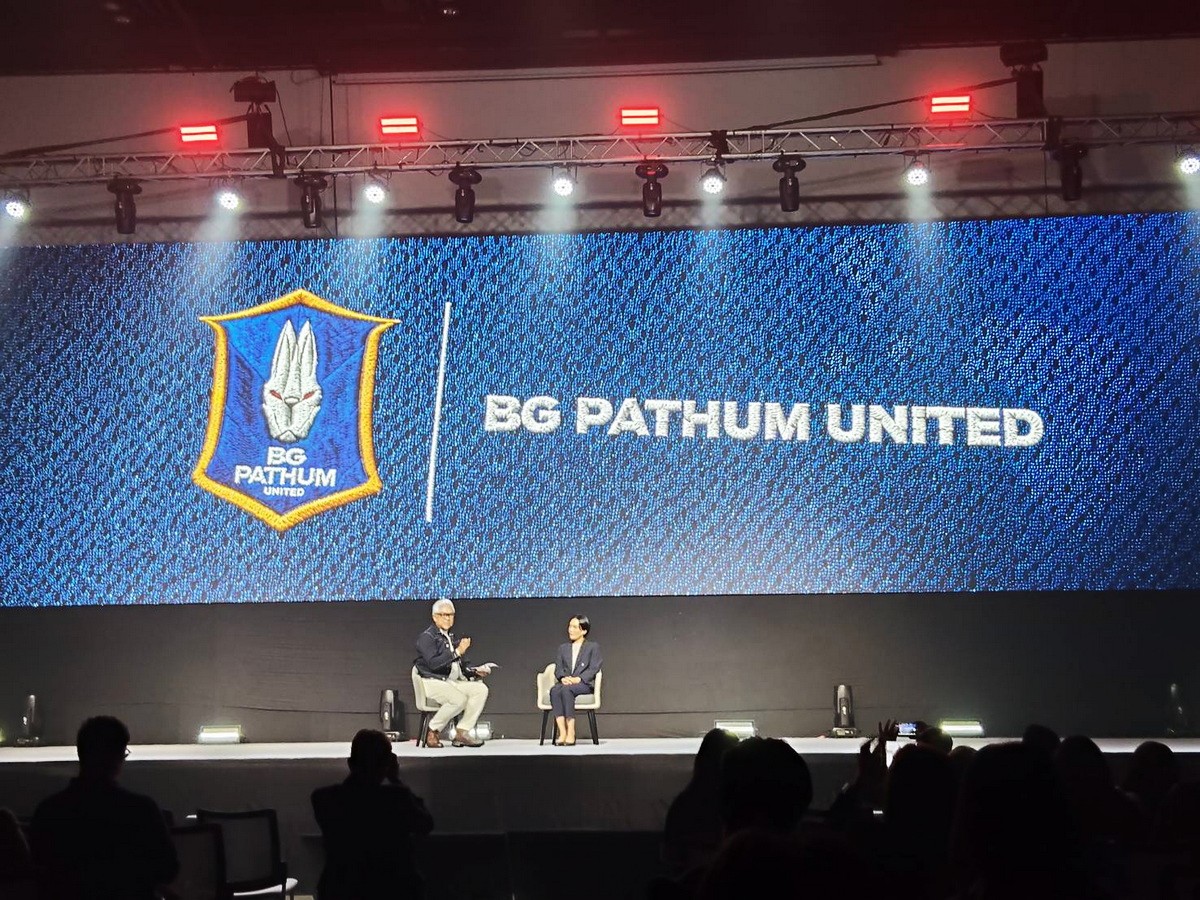
At a special seminar titled "Sponsorship is Dead. Community is Everything" during the AssetWise Presents Marketing Oops! Summit 2026, insights into sports marketing and brand building through a Living Brand Ecosystem were shared. AssetWise (ASW), a leading real estate developer in Thailand and the official sponsor of BG Pathum United Football Club, explored the world of sports marketing through the creation of a new community, led by:
- Dan Sromanee, a renowned brand creator from Brandology Thailand, as the moderator
- Ek - Nittayaporn Tharasuk, Commercial Director from BG Pathum United
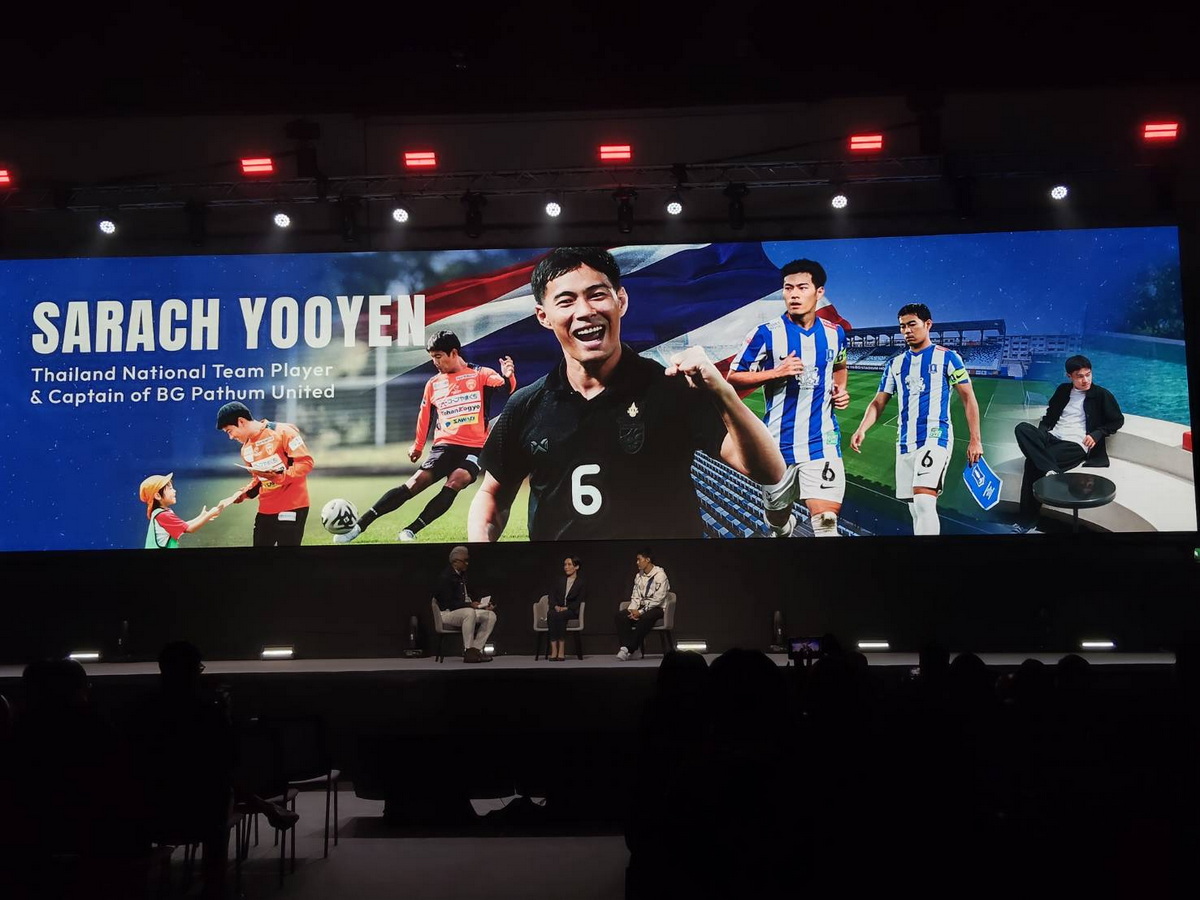
- Tang - Sarach Yooyen, midfielder of the Thai national team and vice-captain of BG Pathum United
The Evolution of Football Branding 1.0 to 5.0
Why is the ecosystem of sports brands important?
To understand this, we must look back at the roots of football branding. Dan Sromanee pointed out that the components of a football brand are similar to those of a typical business brand: they have history, clear identity, experience, and culture. However, this industry has evolved in significant stages, which can be divided into five eras.
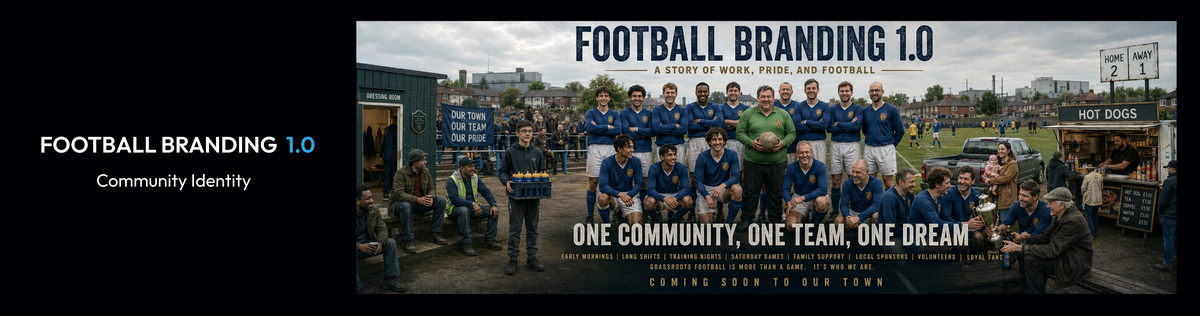
Football Branding 1.0 marks the true grassroots and community beginnings. Over 70-80% of football clubs worldwide started as factory teams or groups of people working in the same area, forming teams to play after work. The keyword for this era is community in a one-to-one manner.
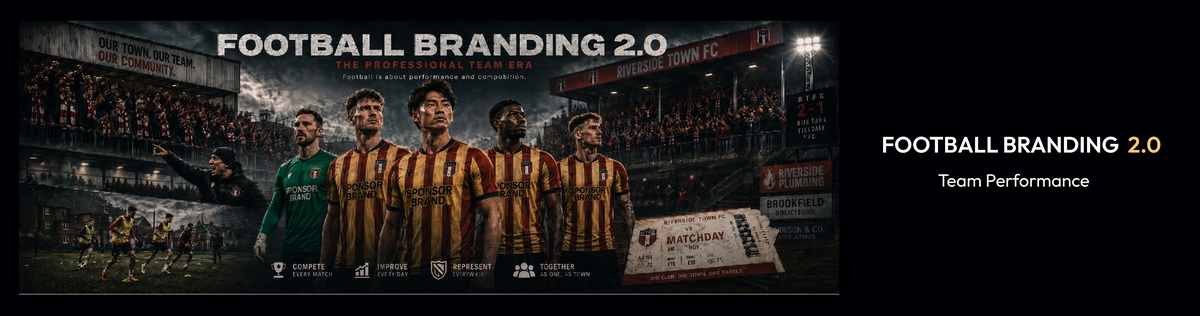
Football Branding 2.0 saw a rise in sincerity and serious competition expectations, with trophy systems and invitations for teams from local communities to compete.
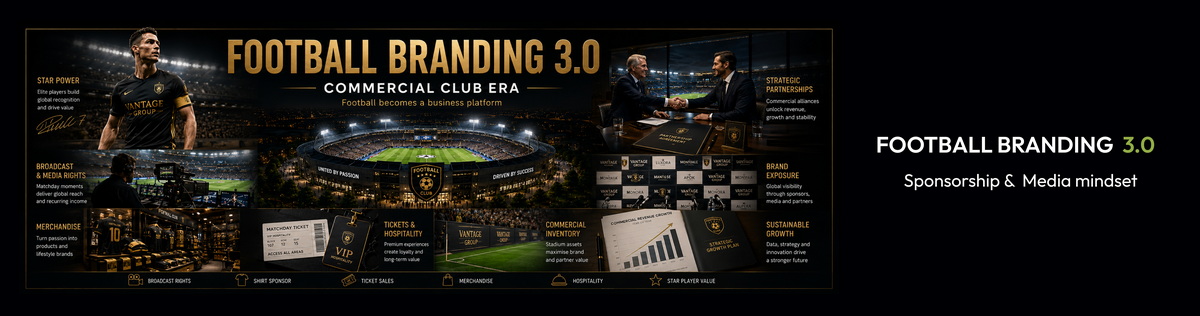
Football Branding 3.0 introduced commercial systems, with ticket sales, merchandise, and the hiring of professional coaches to manage teams systematically.
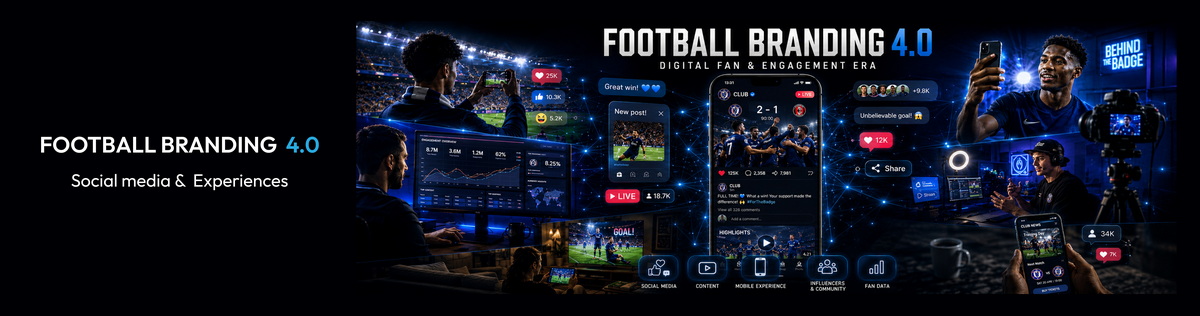
Football Branding 4.0 saw social media become a crucial element, with brands realizing that football content extends beyond the 90 minutes on the field, creating highlights, interviews, and a content ecosystem around athletes to engage fans.
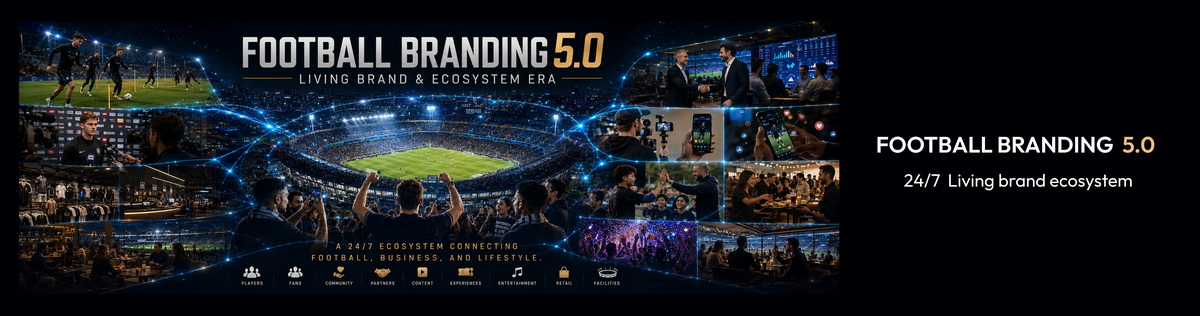
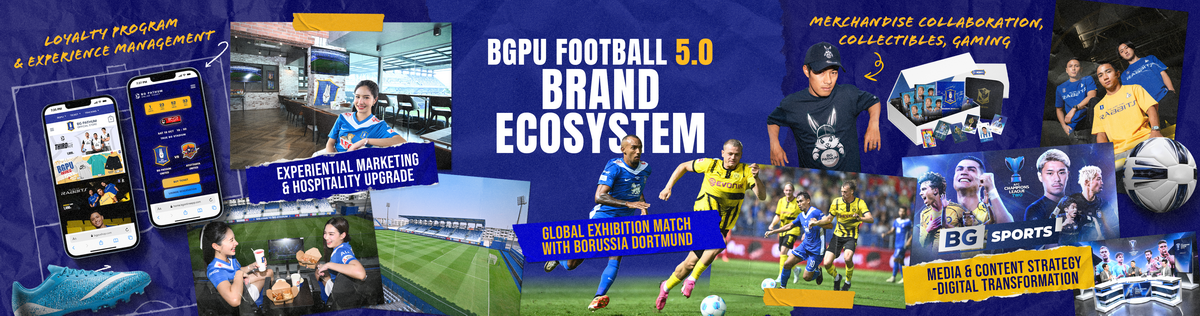
Football Branding 5.0 represents the era of the Living Brand Ecosystem, where history, past successes, trophies, and various stories are integrated into the lifestyle of fans 24/7 through fashion products, cafes, museums, and the creation of a strong community. This transforms football clubs from mere sports teams into brands that connect with fans' daily lives.
"Football is not just a sport, and clubs are not merely brands; they embody history, identity, culture, and most importantly, the emotional power of a community ready to grow and succeed together," summarized Dan Sromanee.
Lessons from a Factory Team to a Top Club: BGPU
BG Pathum United Football Club is one of the clearest examples of evolution from 1.0 to 5.0 in Thailand. Ek - Nittayaporn Tharasuk shared that the club started as a small football club from a glass bottle factory (Bangkok Glass) 40-50 years ago. In 2006-2007, the club registered as a professional football club and had a significant opportunity to merge with Krung Thai Bank, a top team in the country at that time, allowing the team to fully enter the Thai League.
The major challenge then was how to transform a factory football team into a true community team, as football can only survive with a strong community. BG Pathum United began branding by engaging the feelings of the local people in Pathum Thani (Klong 3, Thanyaburi) to become part of the team, initiating early sports entertainment activities like establishing a cheerleading girl group known as the "Rabbit Girls," which gained fame and continues to this day.
However, the path to building a brand was not without challenges. Football is unpredictable, and in 2018, the club faced its biggest crisis: relegation, which caused sponsorship and ticket sales revenue to drop by 90%. Yet, this crisis proved that the true asset of the brand is not just the results on the field, but the "Community."
"The year we were relegated was a true test of our resolve. Our revenue dropped by over 90%, but what never disappeared was the fans. Season tickets still sold, and the data we collected remained intact. That’s because we didn’t just build a football team; we built substance and a strong community with our fans all along," shared Nittayaporn Tharasuk, reflecting on the lesson that became a turning point.
Inspiration Off the Field: Steps to Build Community
From the perspective of an active player like "Tang - Sarach Yooyen," he shared experiences from his time playing in Japan, known for its excellent management of football ecosystems and fan engagement.
Sarach noted that Japanese football clubs place a strong emphasis on community, allowing fans to closely observe training sessions 2-3 days a week to foster connection.
Moreover, each week, players are scheduled to engage in community activities, visiting schools to meet and interact with children. This is not just CSR by obligation but a way to build personal branding that positively reflects back on the club, making athletes aware that their actions both on and off the field impact the club's image and spirit.
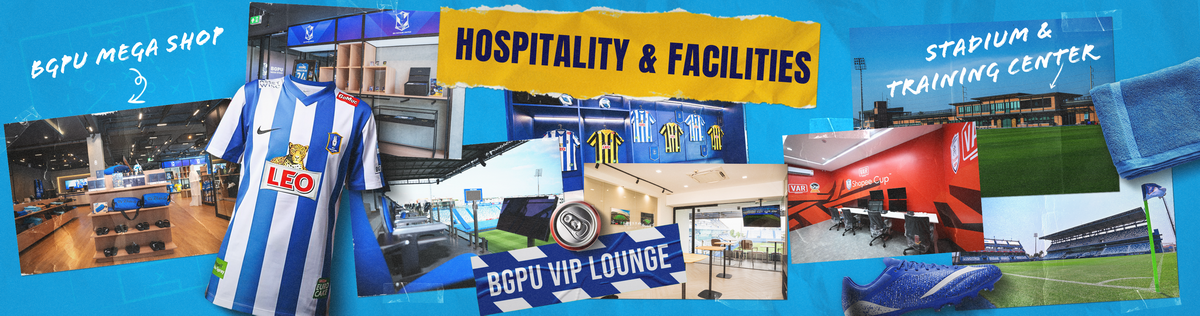
When applying this concept back to BG Pathum United, the club prioritized developing a football stadium without a running track to enhance closeness, organizing pre-match activities to transform match days into "recreational spaces for families" where people of all ages can enjoy together.
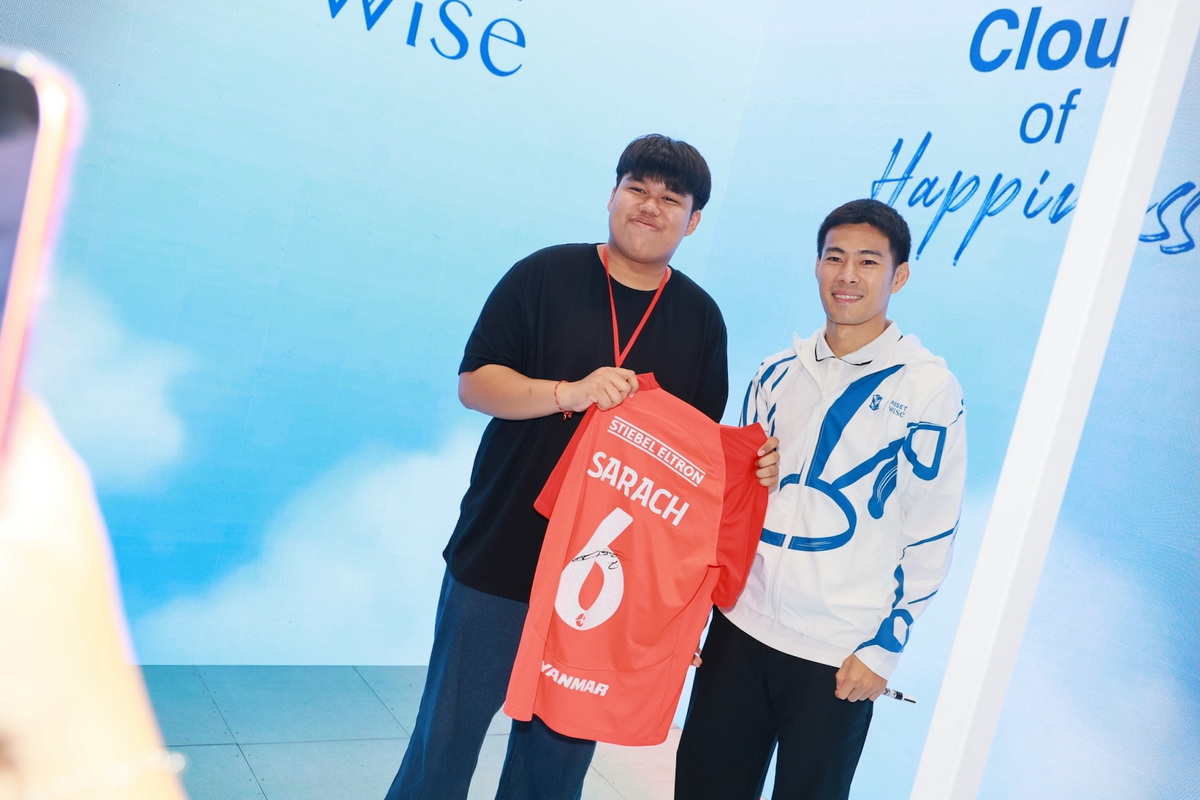
Additionally, the role of modern professional athletes extends beyond the game; it involves healing and sharing positive energy with people. After a game, regardless of the outcome, athletes are ready to thank fans, take photos, and inspire those who took the time to cheer.
"As a football player, beyond the 90 minutes on the field, it’s crucial to be a good example and inspire the youth and new fans. Walking out of the dressing room to meet fans, take photos, and greet them after the game is part of the duty to nurture and heal the community that loves us," Sarach stated.
Vision of AssetWise x BGPU: When Real Estate and Sports Collaborate to Build a Happy Community
Returning to the important business question, why did a real estate brand like AssetWise choose to partner and become the official main sponsor of BG Pathum United?
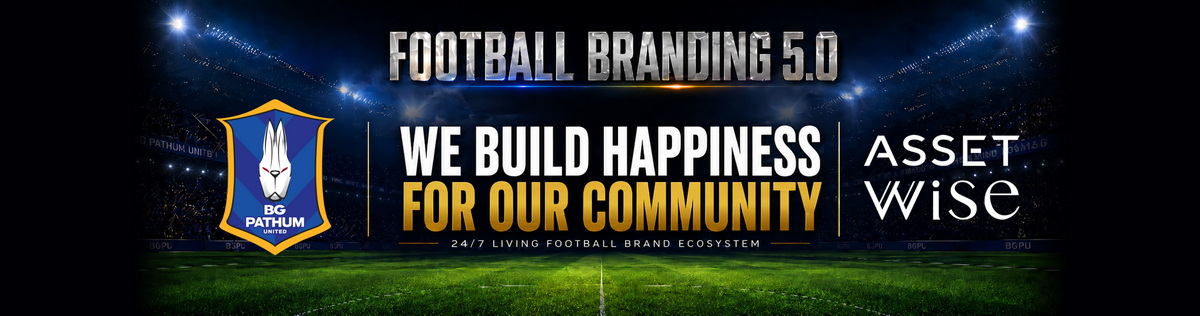
Regarding the collaboration between AssetWise and BG Pathum United, Ek Nittayaporn clearly stated that it is not a relationship where one party is begging the other for money, but rather a genuine alignment of visions to create a community. AssetWise specializes in creating residences and ensuring the happiness of its residents, while the football club excels at building a passionate fan base with a shared heart. When these two elements come together, they create a powerful and valuable brand.
This collaboration has branched out into tangible activities that create substance for society sustainably, particularly youth development projects where AssetWise supports BG Pathum United's youth teams from U12 to U19. Young Thai players have been sent to train at Consadole Sapporo in Japan, resulting in many young talents developing their skills to join the national team and achieve success on the international stage.
Furthermore, there are creative lifestyle integrations, such as joint activities between AssetWise's campus condominium brand and the club, bringing influencers and partners to experience exclusive match days at the stadium, as well as planning co-branded products and providing financial and investment planning advice for professional athletes to ensure stability after their football careers, which represents comprehensive and sustainable care for personnel in the ecosystem.
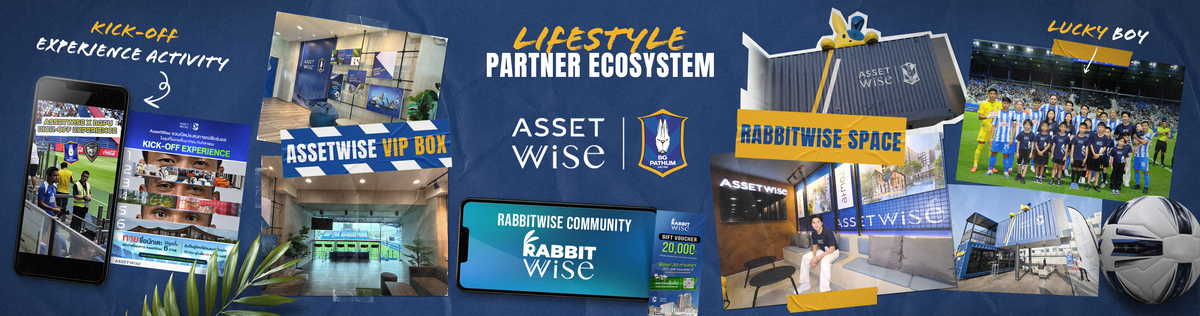
The Future of a Tangible Living Brand Ecosystem
In conclusion, as BG Pathum United and AssetWise transition into the 5.0 era, they continue to leverage new technologies and innovations to provide fans and residents with the best experiences. Currently, the club has implemented AI in the process of editing match highlights through the BGSport channel and is using intelligent live broadcasting cameras that can automatically pan to follow the ball, delivering content to fans quickly around the clock. In the near future, the club plans to enhance its smart capabilities further by introducing facial recognition systems at stadium entrances to ensure maximum convenience and safety for all fans.
The journey of the concept "Sponsorship is Dead. Community is Everything" is not just a catchy slogan but a proven strategy that shows that in a world driven by algorithms and technology, brands that can survive and truly reside in the hearts of consumers will thrive.