The High-Tech Innovation Race: Why China is Developing So Rapidly
In ancient times, China was a country that made significant technological advancements for our world. Agricultural technologies were first developed in China, including water power engineering, iron plows, fertilizers, as well as paper, medicine, explosives, compasses, and seafaring ships, all stemming from Chinese innovations. However, no one knows for sure why, after the 14th century, China's inventiveness seemed to fade away.
Today, China is not only determined to catch up with Western countries but also aims to be at the forefront of technological innovation. The main driving force behind China's innovation is the desire to propel economic growth and the strategies of Chinese companies to enter high-tech industries, ready to compete on an innovation-to-innovation basis with Western firms.
As a result, over the past 20 years, China has made rapid technological advancements. The progress of Chinese companies such as Huawei, WeChat, Baidu, Alibaba, and Tencent has driven China's economy to grow at a high rate and has also influenced the global economy. In the race to lead in 5G technology, it seems that China is gaining the upper hand over the United States.
China is Winning
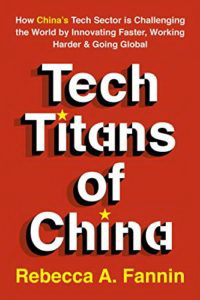
In the book titled Tech Titans of China, author Rebecca Fannin states that Freshippo, Alibaba's supermarket in Shanghai, is a cashless store with no cashiers and no lines to pay. Everything is digital. Customers pay using the Alipay app, and at the payment point, there are cameras that scan customers' faces, delivering goods within a 3 km radius in just 30 minutes. Alibaba has opened over 100 Freshippo stores in major cities across China.
Meanwhile, Amazon's GO convenience store is lagging behind due to having fewer products, not being fully digital, and having opened fewer than 10 locations in the United States.
With Tencent's WeChat app, users can chat one-on-one or in groups, transfer money, pay for various services, request loans in seconds, buy movie tickets, order from supermarkets, and exchange barcodes, similar to exchanging business cards. WeChat thus combines the functionalities of Facebook, WhatsApp, Instagram, and Amazon into one platform, making it a Chinese innovation that influences future changes.
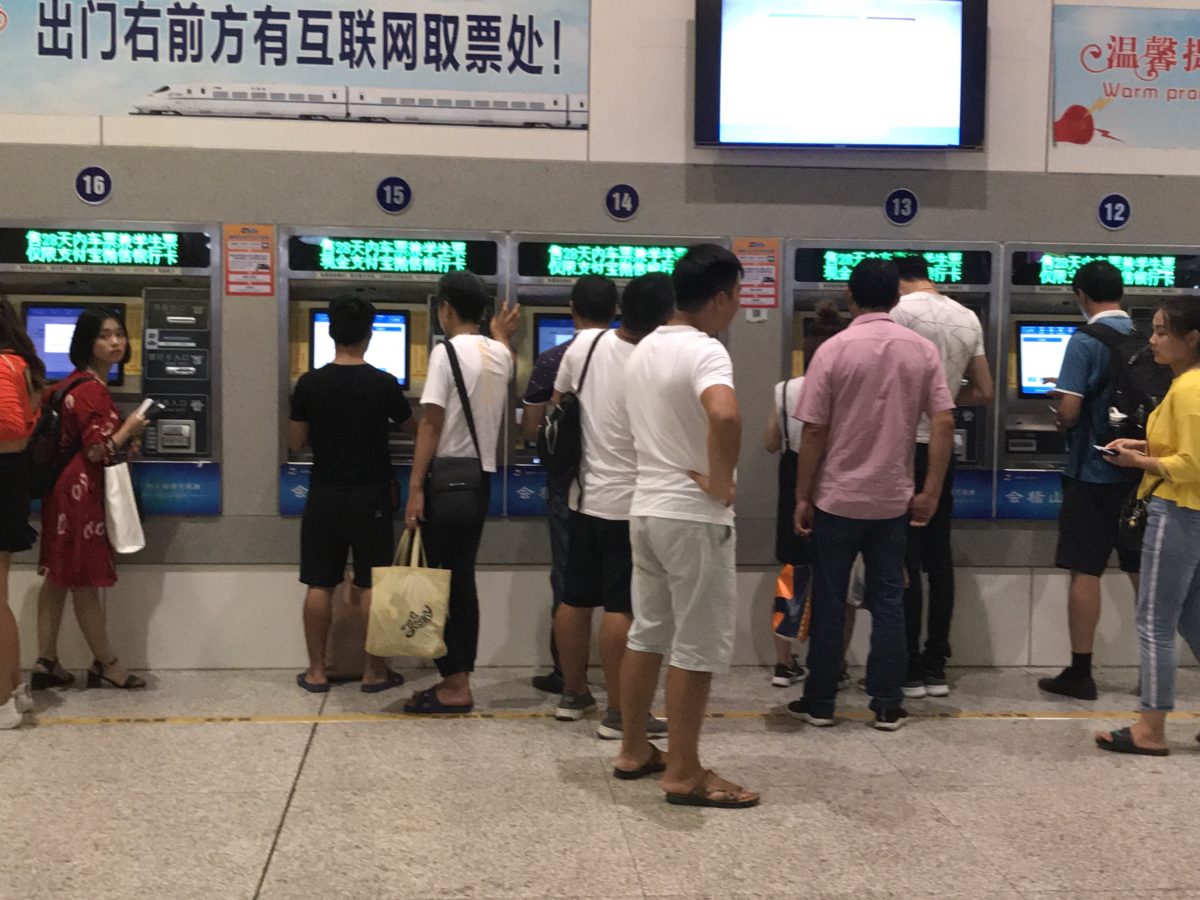
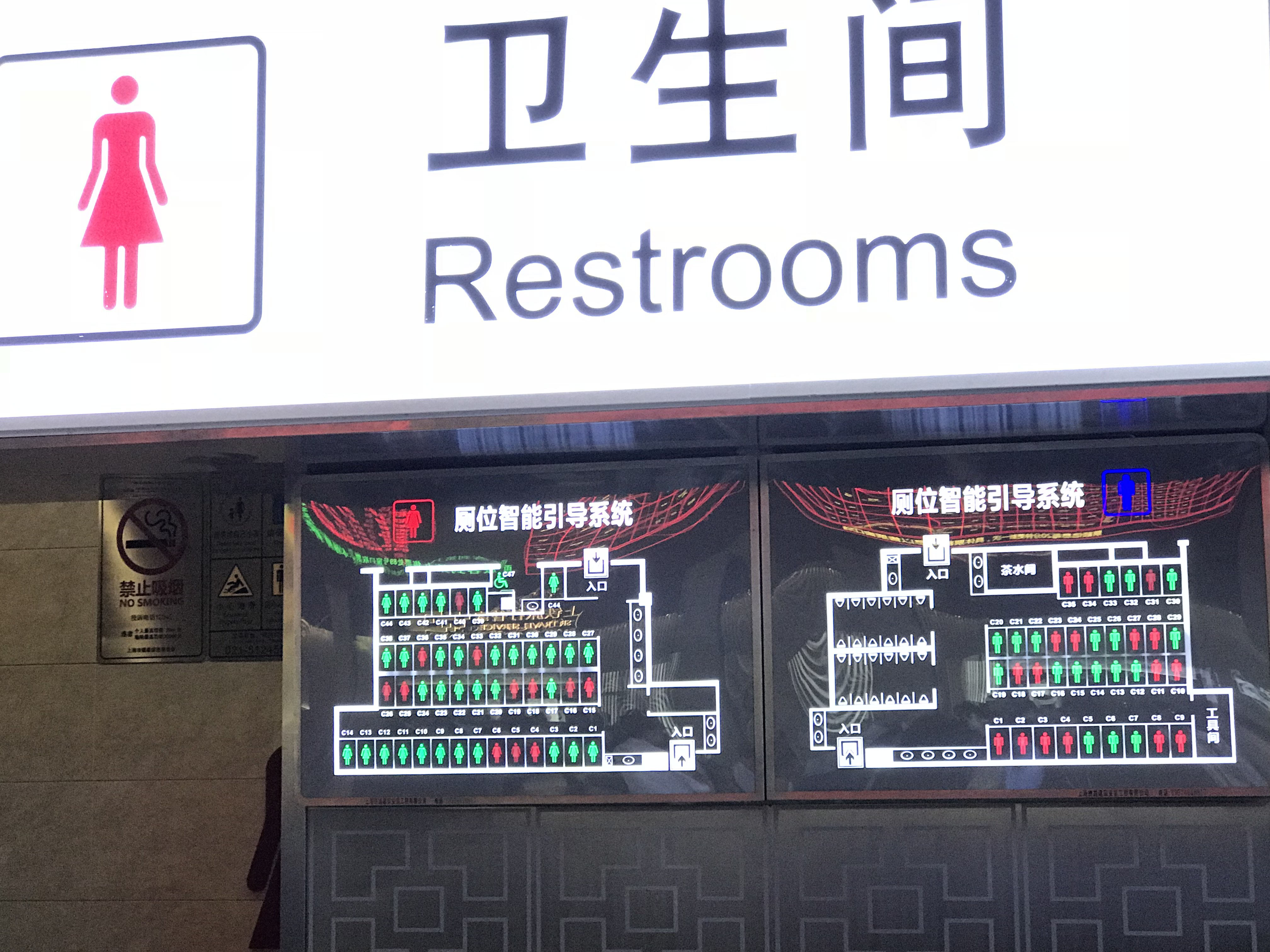
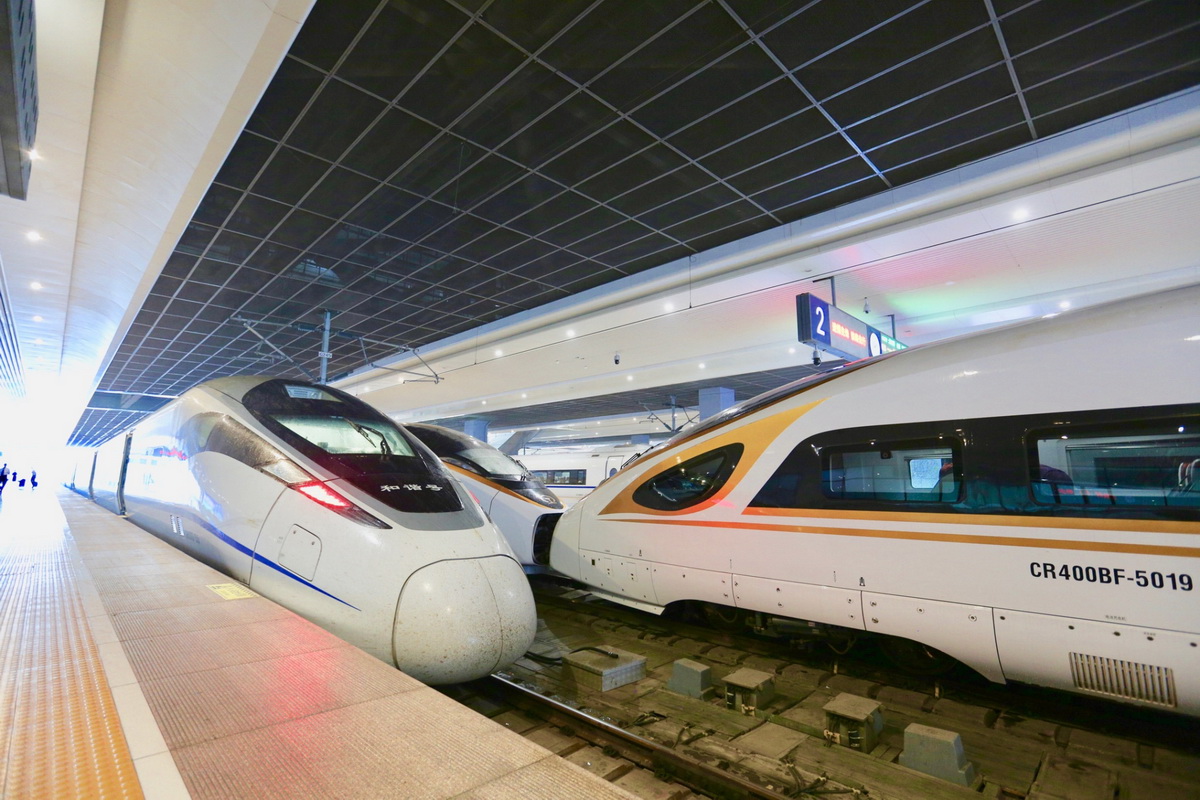
From a past reputation as a country that copied foreign technology, China has moved beyond that. Public transportation in Shanghai and Shenzhen is entirely electric, with sensor systems throughout the cities providing government agencies with information about pollution levels and alerting citizens to stay indoors when pollution reaches dangerous levels. China has built a 34-mile bridge over the sea connecting Hong Kong, Macau, and Zhuhai, investing $20 billion.
Key Developments in High-Tech
The book Tech Titans of China states that China's tech giants and startups focus on the most advanced ideas in the digital world, challenging the United States in several areas, such as:
- Artificial Intelligence: Baidu is leading in self-driving car technology and voice-controlled home devices. While the U.S. still leads in this area, China is rapidly developing its capabilities.
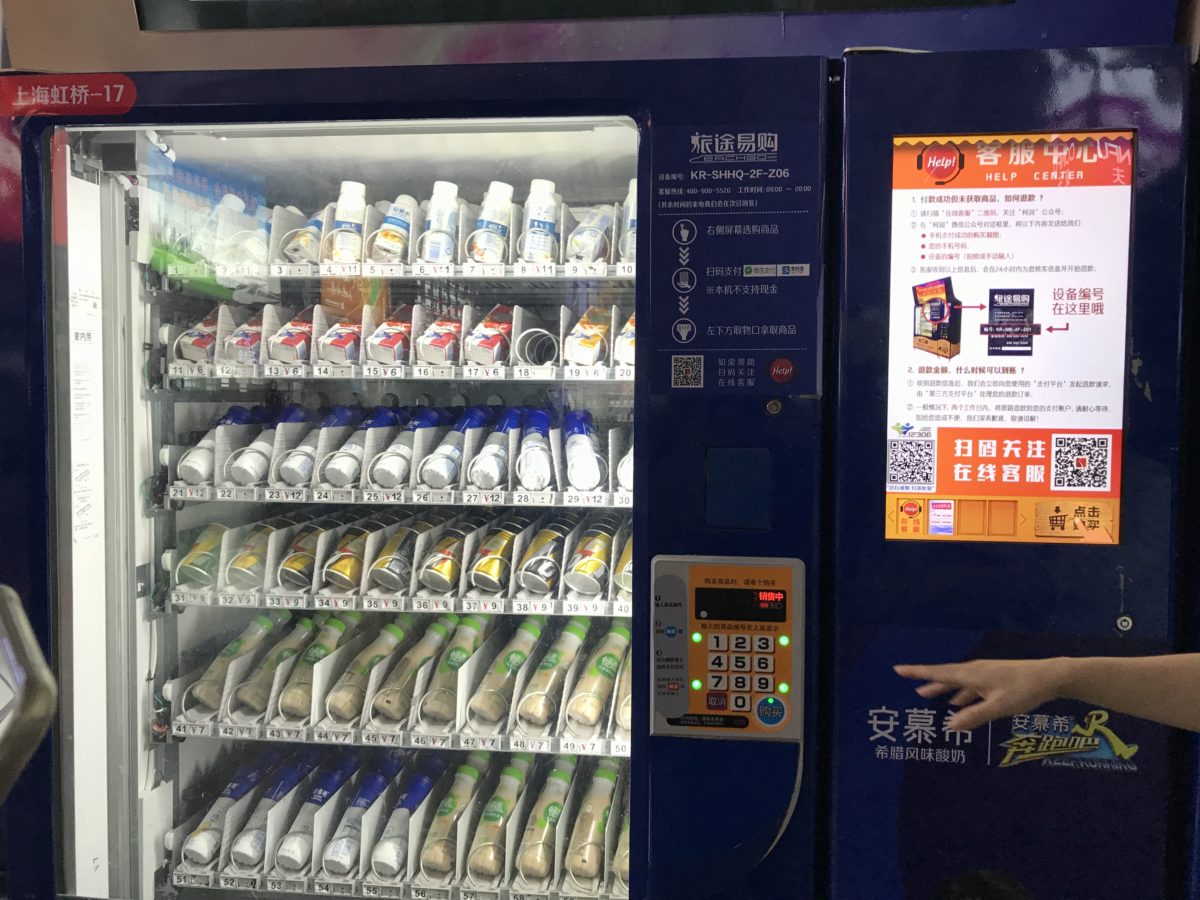
- Retail: Alibaba and JD.com are pioneering cashless, cashier-free stores, making retail and logistics in China entirely digital.
- Smartphone Payments: Today, China has become a cashless society, with its smartphone payment businesses, led by WeChat and Alipay, being larger than credit card usage in the U.S.
- Fintech: Ant Financial, an Alibaba affiliate, provides one-stop financial services using big data and AI for lending, insurance, mobile payments, and wealth management.
- Social Credit System: China has created a system to measure citizens' trustworthiness through technology tracking, determining access to loans, employment, education, and travel.
- Electric Vehicles: Government support is making China the Detroit of electric and self-driving car manufacturing, currently being the largest producer and market for electric vehicles.
- Social Commerce: China is transforming e-commerce into social commerce, integrating online shopping with gaming, prize lotteries, or discounts for group purchases.
Towards Southeast Asia
The Chinese tech giants are collectively referred to as BAT, consisting of Baidu, Alibaba, and Tencent, similar to how American tech companies are grouped as FANG, which includes Facebook, Amazon, Netflix, and Google. In China, Baidu owns the search engine, Alibaba dominates the e-commerce market, and Tencent leads in social media.
The BAT tech group is aiming to expand its business internationally. Baidu generates only 1% of its revenue from abroad, while over 50% of Google's revenue comes from international markets. Tencent has only 5% of its revenue from overseas, while Facebook exceeds 50%, and Alibaba has 11% from abroad, with Amazon deriving one-third of its revenue from international sources.
The book Tech Titans of China states that Southeast Asia will become the next China. The international investments by BAT will focus on this region first due to its high potential market, large population, and familiarity with new technologies.
Importantly, startup businesses in Southeast Asia are still about 5 years behind China, creating opportunities for Chinese companies to profit from investments in Asia. Recently, the BAT tech group has led investments in Asia, such as in e-commerce or startups in Singapore, Vietnam, Indonesia, Malaysia, and India that provide car services.
For instance, Alibaba invested $4 billion in acquiring Lazada, a Singaporean e-commerce company, and co-invested $2.2 billion in Tokopedia, a mobile payment service in Indonesia. Tencent co-invested $1.2 billion in Indonesia's Go-Jek company.
The book Tech Titans of China concludes that China's rapid high-tech development is partly due to the ability of Chinese startups to raise venture capital and partly due to the entrepreneurial culture in China that relentlessly works to create new innovations.
References
Tech Titans of China, Rebecca A. Fannin, Nicholas Brealey Publishing, 2019.
Thanks to information from thaipublica.org