200 Cutting-Edge Technologies from Japan: A Model for Thailand's Productivity in the IoT Era
One of the challenges that the Thai industrial sector continues to face is the management of continuity, risk management, and the enhancement of repair and maintenance systems. The Ministry of Industry recognizes that these issues are crucial for the growth of enterprises and production systems. Currently, the manufacturing processes in factories still experience significant losses across various aspects, resulting in lower efficiency than desired. It has been observed that production takes a long time and involves multiple steps, with losses due to overproduction, high production costs, and substantial maintenance expenses, among others. Therefore, it is essential to have concrete ideas or approaches to reduce these missed opportunities, enabling the industrial sector and related fields to transition into the 4.0 era and align fully with global industrial trends.
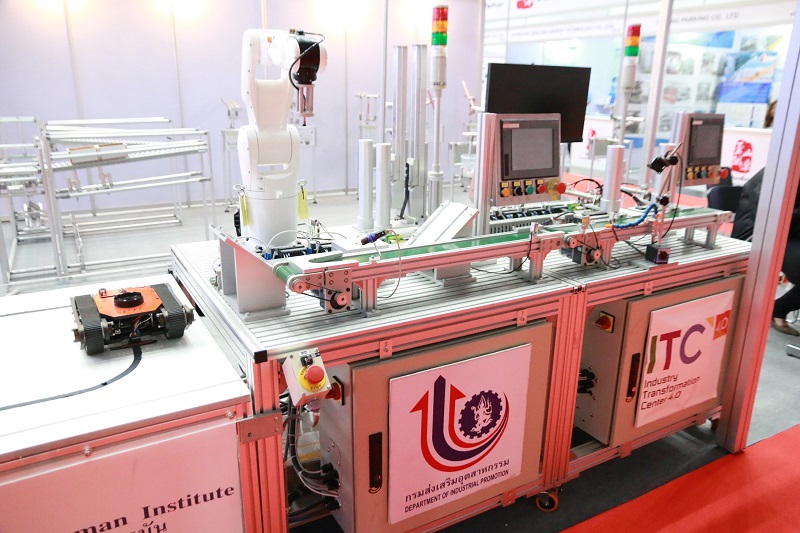
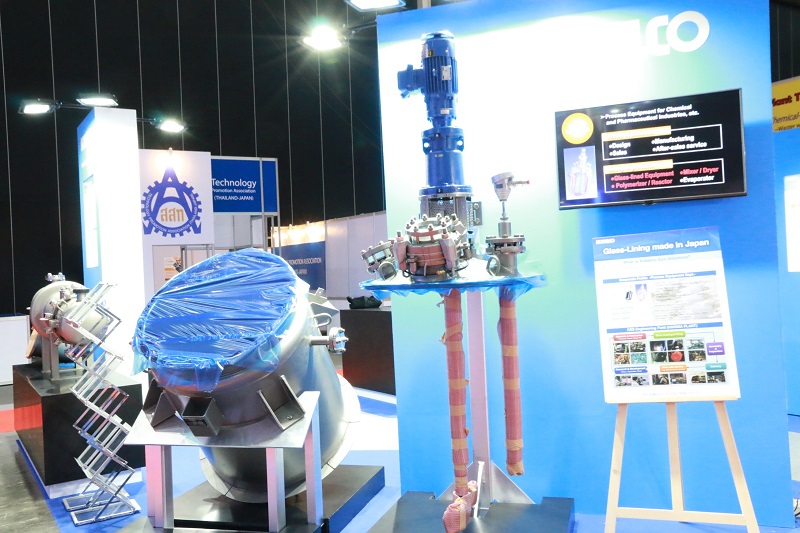
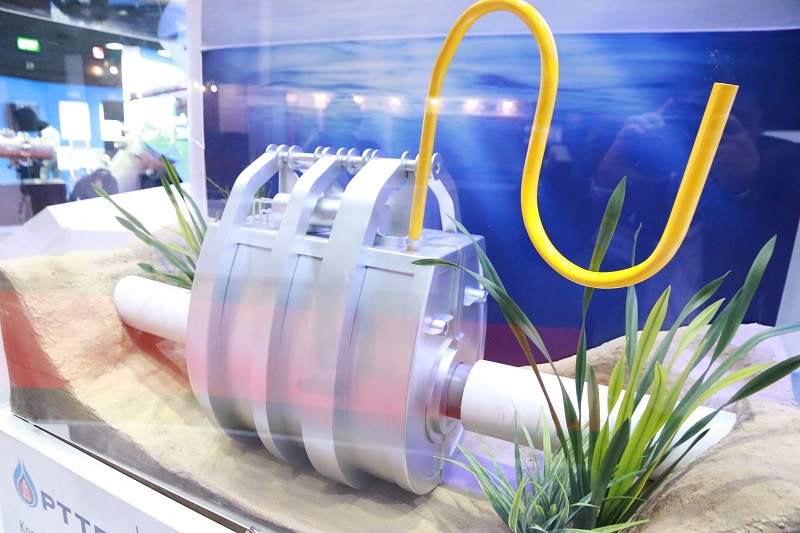
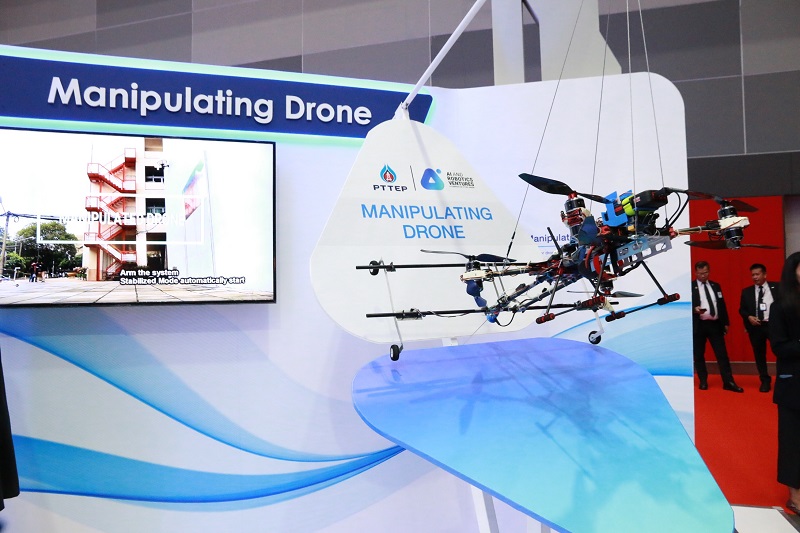
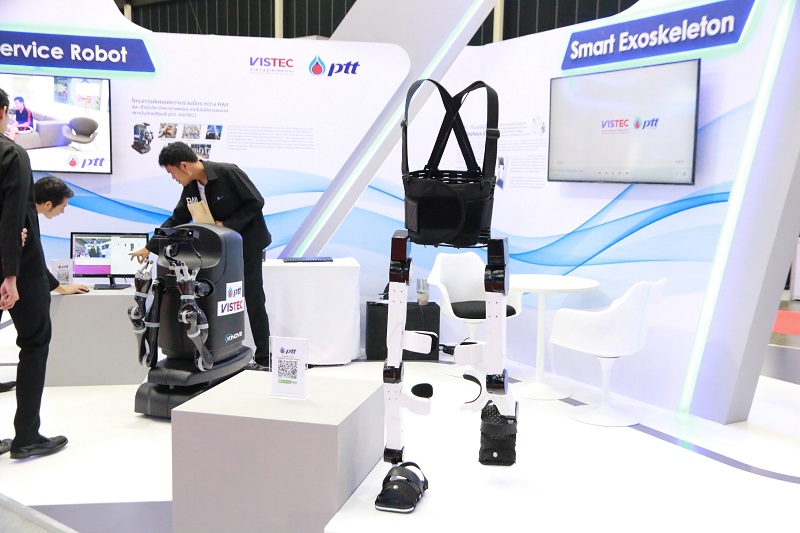
Mr. Phanuwat Tririyangkoonsri, Inspector General of the Ministry of Industry stated that to encourage the industrial sector to recognize the importance of continuity management, risk management, and the enhancement of repair and maintenance systems, the Ministry of Industry has collaborated with the Ministry of Transport, the Faculty of Engineering at Chulalongkorn University, the Japan Management Association, and ExpoSys Co., Ltd. to organize the Maintenance & Resilience 2019 (MRA 2019) event. This exhibition showcases recognized technologies and innovations in manufacturing processes and infrastructure, which have been continuously held in Japan for nearly 60 years. This event will serve as a platform for enterprises in Thailand to adapt similarly to Japanese enterprises, which excel in maintaining machinery systems in good condition and ready for long-term use. The use of automation systems, such as IoT sensors, robots, and big data in production and operations, as well as having assessment and forecasting systems to prevent various risks, and the ability to recover enterprises quickly in case of disasters, will be highlighted.
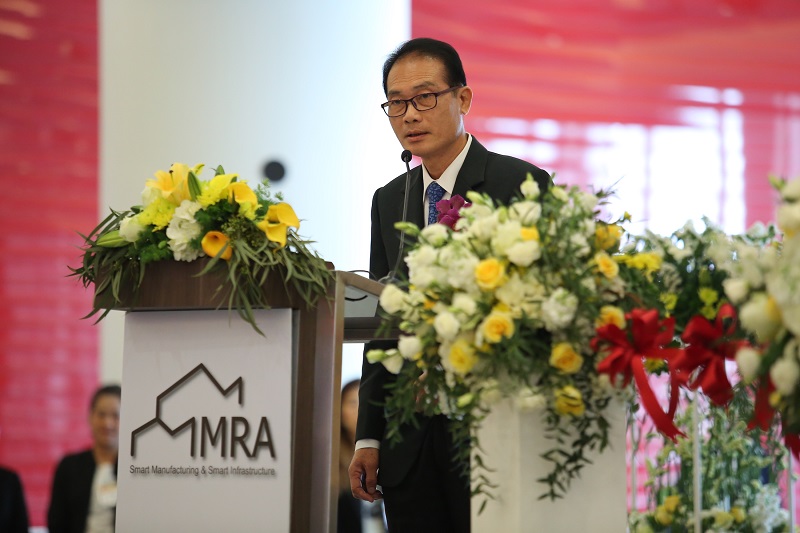
Mr. Wijit Nimittawanit, Transportation Academic Officer, Office of Transport and Traffic Policy and Planning, Ministry of Transport mentioned that Thailand currently has numerous projects for developing transportation systems and infrastructure, including high-speed rail, extensions of the Bangkok electric train, smart city developments, the establishment of the Eastern Economic Corridor (EEC), as well as the construction of highways, tunnels, and many other facilities. Both the public and private sectors involved in these developments need to have management plans, maintenance strategies, and enhance the operational efficiency of systems to ensure they function effectively and comprehensively, capable of handling various risks and disasters more than they currently do.
Moreover, the Thai infrastructure and transportation sectors should study and look to Japan as a model of success, as it is one of the world leaders in the perfection of transportation systems and public infrastructure. The MRA 2019 event will provide insights into how Japan manages its transportation systems, roads, tunnels, bridges, and railways that have been in use for over 50 years, yet remain durable, recover quickly, and can withstand the natural disasters that Japan continually faces. Additionally, the event will offer knowledge from various agencies, presenting another excellent opportunity to learn and adopt best practices from leading countries.
Mr. Masami Nakamura, President of the Japan Management Association stated that the exhibition will showcase over 200 technologies and innovations related to the industrial and infrastructure sectors, such as robots for factory production, IoT systems used in enterprises, alarm systems, and various forms of artificial intelligence. There will also be knowledge sharing from both public and private sectors, delivering important experiences and techniques, such as the government’s smart manufacturing strategies, enhancing factory management to advance towards Thailand 4.0 with safety in smart industries through collaboration between Thailand and Japan, the role of universities in developing new personnel to support Thailand 4.0 policies, smart city development in Thailand, and case studies from the economic cities of various countries to serve as guidelines for Thai entrepreneurs in business development.