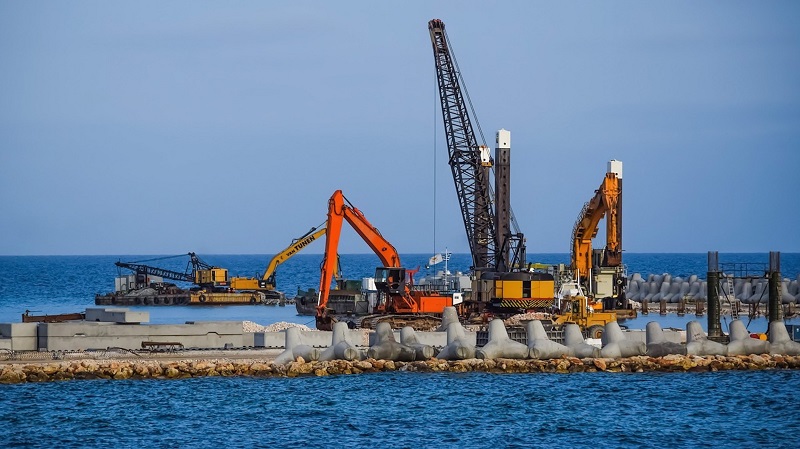
Thailand Adopts Japan's Industrial and Transportation Model to Enhance 'Made in Thailand' Brand Image to Match 'Made in Japan'
It is a challenge for the Thai industry and transportation sectors to adapt and prioritize in order to keep pace with global changes and elevate the Thai economy. This mission is particularly challenging for the image of Thai brand products. Although the quality has met standards, it is still difficult to elevate it to the level of Japan. Thai businesses need to adapt, develop plans, and implement effective technology systems for risk management, enhance labor capabilities, and improve safety standards. The integration of technology and digital systems in transportation management is essential. Thailand aims to enhance its manufacturing sector and infrastructure to be as efficient as Japan's, creating a brand image for 'Made in Thailand' that rivals 'Made in Japan.'
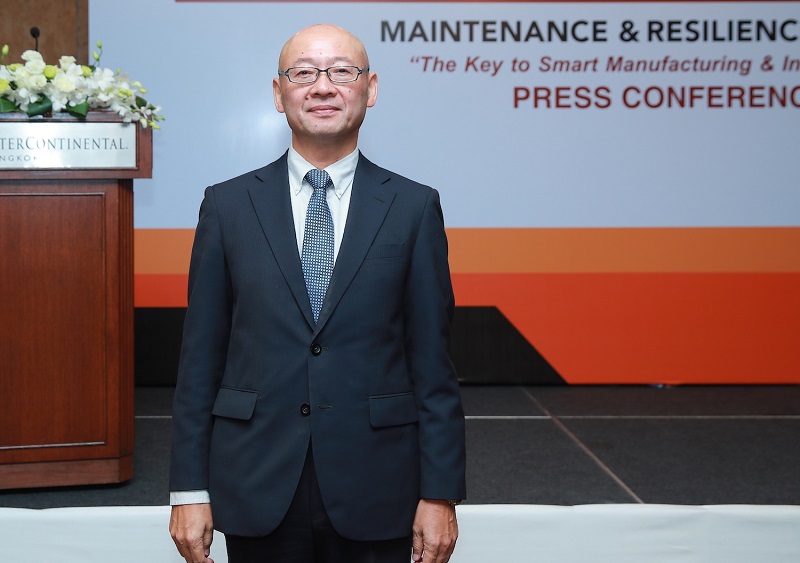
Mr. Atsushi Tereda, Senior Manager of the Japan Management Association (JMA) stated that Japan sees Thailand as a country with industrial potential, serving as a partner and manufacturing base for many Japanese factories. Additionally, Thailand is in the process of developing various infrastructures to drive the economy towards better growth. As a trade and economic partner, there is a concept to help modernize various sectors in Thailand to be on par with Japan.
Mr. Phanuwat Triyangkulsi, Inspector of the Ministry of Industry mentioned that the operational guidelines of the Ministry of Industry place significant emphasis on promoting the manufacturing sector towards 4.0, aiming to push for the adoption of new technologies and innovations, including artificial intelligence (AI), to enhance the capabilities of entrepreneurs as a mechanism for developing Thailand to be on par with leading industrial countries.
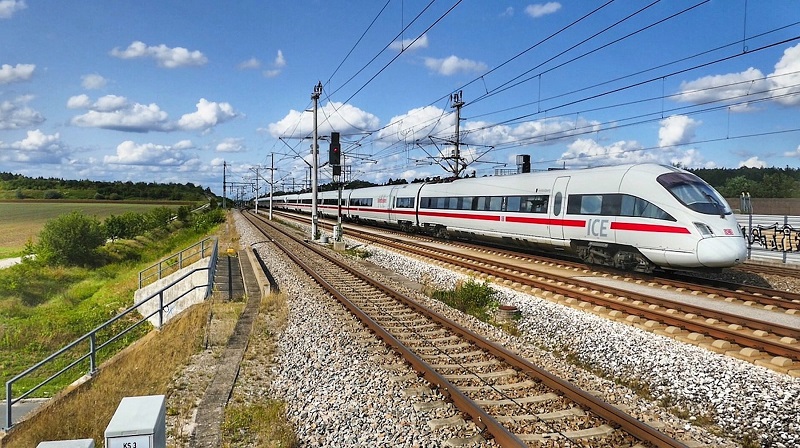
Mr. Wijit Nimittawanit, Transport Scholar at the Office of Transport Policy and Planning, Ministry of Transport stated that transportation will play a crucial role in economic development as a stronger infrastructure, particularly in connecting transport systems with facilities, logistics competition, travel, and improving the quality of life. Relevant sectors must share data (big data) for operational agility, creating mutual benefits in the form of a sharing economy, and enhancing travel experiences. This should be accompanied by appropriate secondary transport systems for cities, such as buses, monorails, and small electric vehicles that align with daily life, including housing, workplaces, educational institutions, healthcare facilities, and other public services to make life easier.
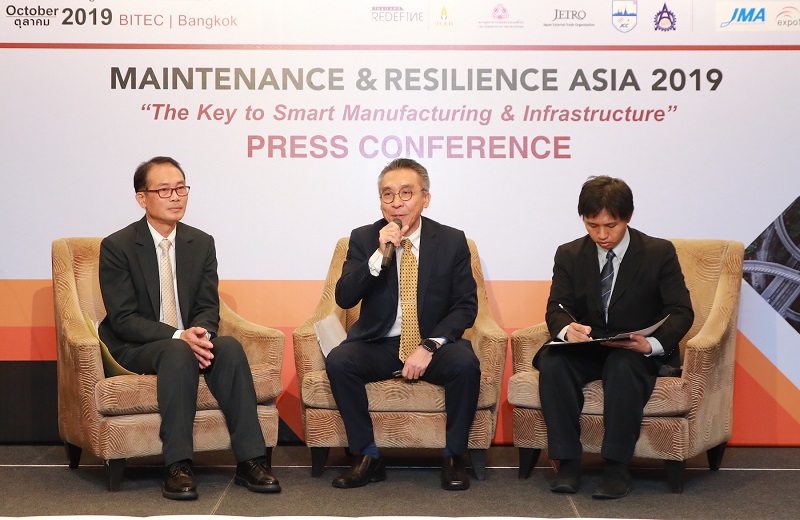
To support Thailand in enhancing its competitive efficiency, the Japan Management Association (JMA), in collaboration with the Ministry of Industry and the Ministry of Transport, is preparing to organize the “Maintenance and Resilience Asia 2019”” from October 2-4, 2019, at BITEC Bangna, under the concept of Smart Manufacturing & Smart Infrastructure, featuring innovations and technologies such as sensors, artificial intelligence, automation, and IoT.
However, JMA believes that this event will help strengthen Thailand's industrial, transportation, and infrastructure sectors to be as robust as Japan, which is one of the world leaders in transportation system perfection and public infrastructure. It will also provide insights on managing efficient production, transportation systems, roads, tunnels, bridges, railways, etc., which Japan has utilized for over 50 years, yet remains durable, quickly recoverable, and capable of withstanding recurring natural disasters.