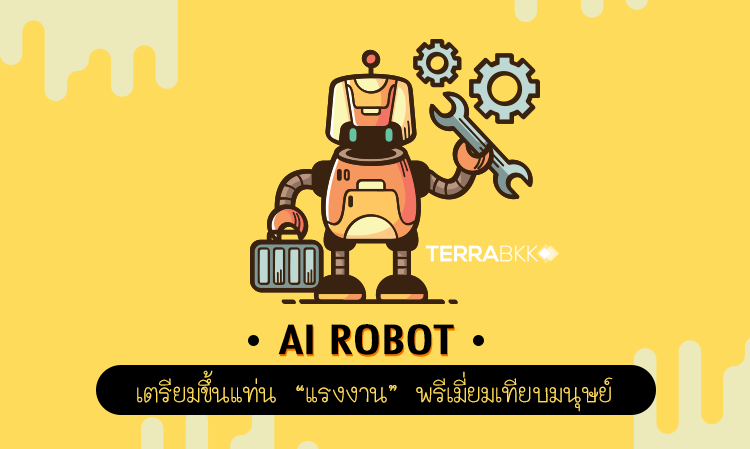
AI Robots Set to Become Premium Labor Comparable to Humans
AI Robots Set to Become Premium Labor Comparable to Humans
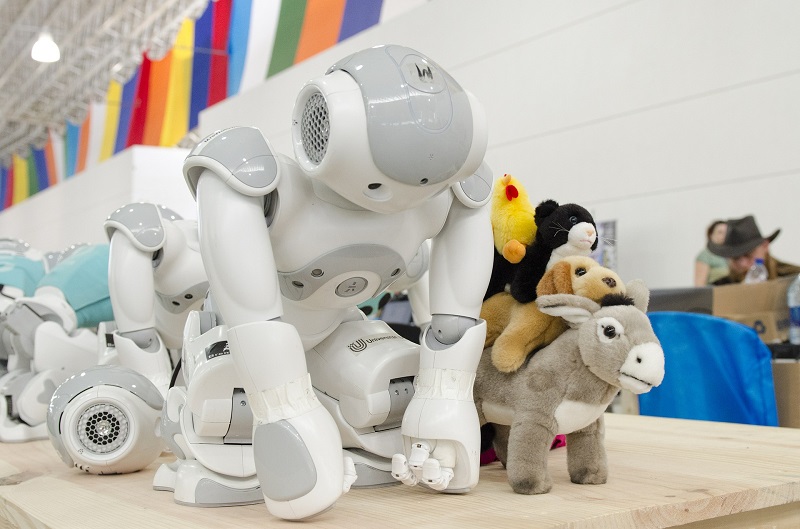
Are humans really at risk of losing their jobs? As artificial intelligence technology, or AI robots, prepares to take on high-quality labor roles comparable to humans, this technology is continuously being designed and developed to communicate and exhibit behaviors increasingly similar to those of humans. This could replace human labor in hazardous jobs and assist humans in various dimensions, such as bomb disposal robots, pilot robots, baristas in coffee shops, and chefs frying omelets. All of these are just a glimpse of the brilliance of AI robots.
Is it time for human labor to come together to find a significant way to prepare for the challenges posed by robots encroaching on their job sectors in the future? Or will humans and robots ultimately be able to work together as mutually beneficial partners (Win-Win)?
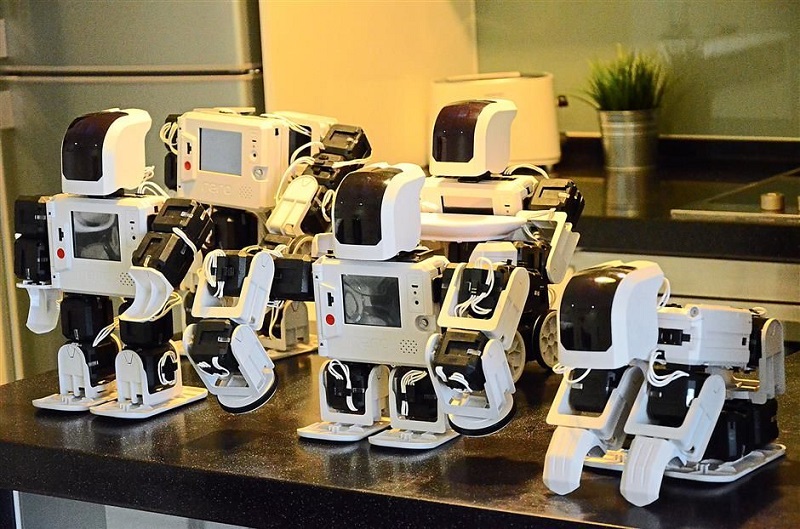
Prof. Dr. Thanarak Thiramanakong, President of the Artificial Intelligence Association of Thailand and a faculty member in the Department of Information Technology, Computer, and Communication at the Sirindhorn International Institute of Technology, Thammasat University (TU) stated that artificial intelligence (AI) is beginning to play a role in facilitating human labor, and the output from AI can control both quantity and quality to meet desired standards. AI work can be categorized into three levels:
- Replacing the human brain: This involves decision-making tasks, such as inputting patient symptoms for diagnosis. However, it requires a large and sufficient amount of data to make accurate diagnoses or decisions.
- Replacing human speech: This involves interactive tasks with humans, such as automated response systems or chatbots that can provide information to human interlocutors, but only with pre-recorded information and cannot solve unrecorded or complex problems.
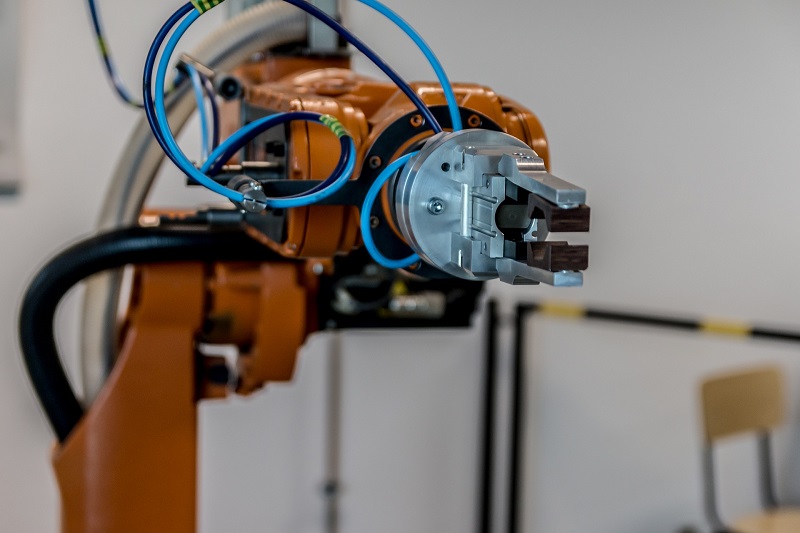
- Replacing human actions: This involves tasks that substitute human labor, such as robots or robotic arms in industrial factories to sort out defective parts or those not meeting agricultural industry standards based on data recorded by humans, or robotic arms assisting surgeons in certain procedures, though they cannot fully replace surgeons in all operations.
Although AI can currently replace tasks that are not complex or require only basic skills, advancements in technology suggest that in the future, AI could evolve to replace more complex human jobs. Therefore, human labor must continuously develop both specialized skills and technological knowledge to align with future labor demands.
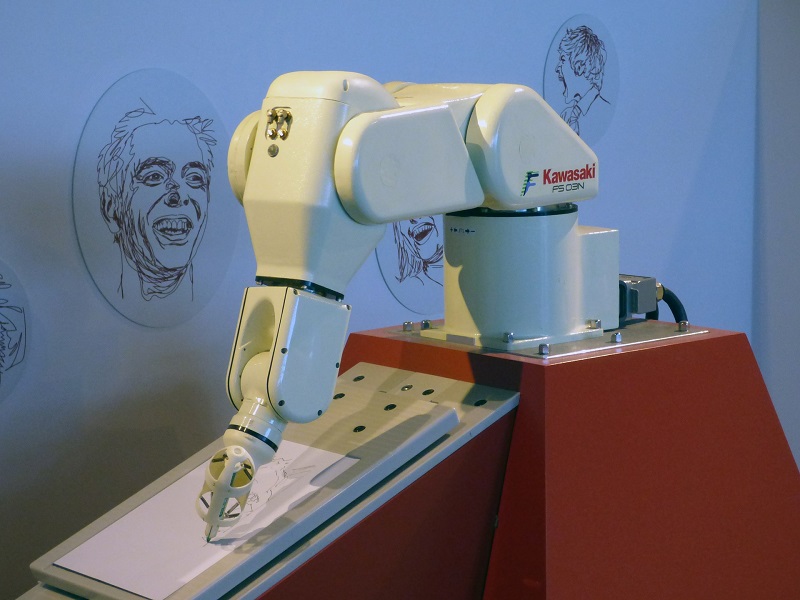
Assoc. Prof. Dr. Somchai Choktrakan, Dean of the Faculty of Science and Technology at Thammasat University (TU) indicated that the growth of AI robots clearly reflects advancements in science and technology. However, robots still have limitations and cannot fully replace humans, especially in aspects of empathy and sincerity, which are crucial in service jobs.
Additionally, scientific principles require human skills in thinking, analyzing, and creativity as a foundation for developing research and innovations that effectively address societal needs. In the future, AI robots may play a closer role alongside scientists in a partnership dimension, aiding in research or innovation development to enhance speed and efficiency.
Nonetheless, natural learning remains a strength of humans that technology and artificial intelligence have yet to match. Despite advancements in technology or AI, humans must continuously learn and develop these skills to ensure that the future work environment for both humans and robots can coexist happily.
Thank you for the information: Thammasat University