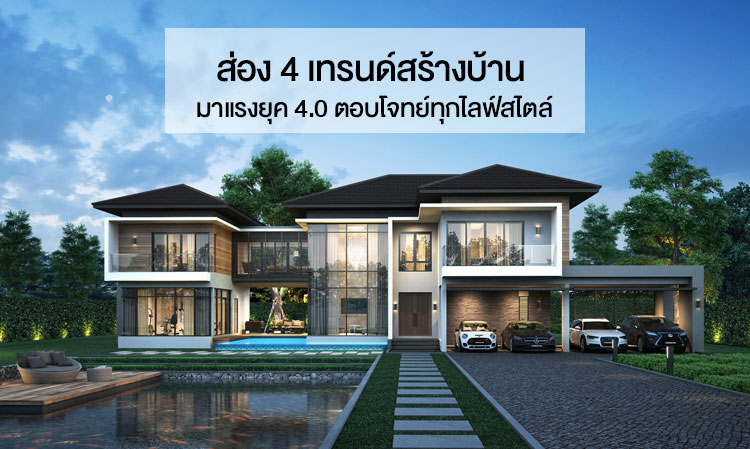
Spotlight on 4 Hot Home Building Trends of the 4.0 Era That Meet Every Lifestyle
The Home Builders Association highlights 4 hot home building trends for 2018: Eco-Friendly Homes, Multi-Generational Homes, Expanding Family Homes, and Innovative Living Smart Homes, all of which cater to various lifestyles.
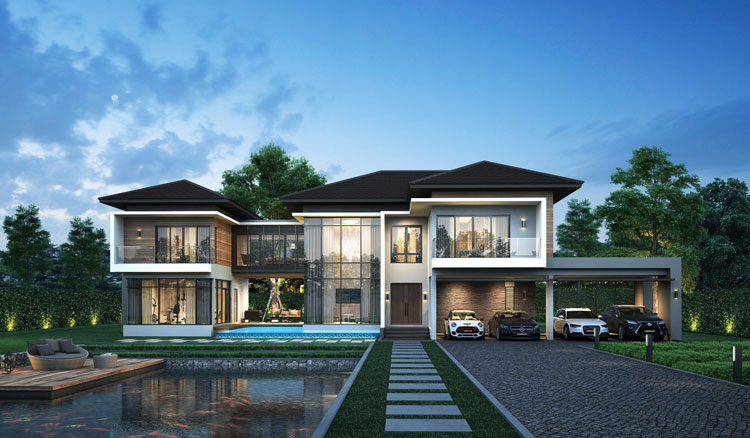
The rapid changes in technology and innovations have significantly influenced home building trends, reflecting shifts in environmental factors, including climate conditions and Thailand's demographic structure as it transitions into an aging society. Currently, Thailand has the highest proportion of elderly citizens aged 60 and above in ASEAN, accounting for 10% of the total population. Therefore, homes designed for families with elderly members must be adapted and modified to enhance convenience, all of which are factors driving the evolution of home building trends in the 4.0 era.
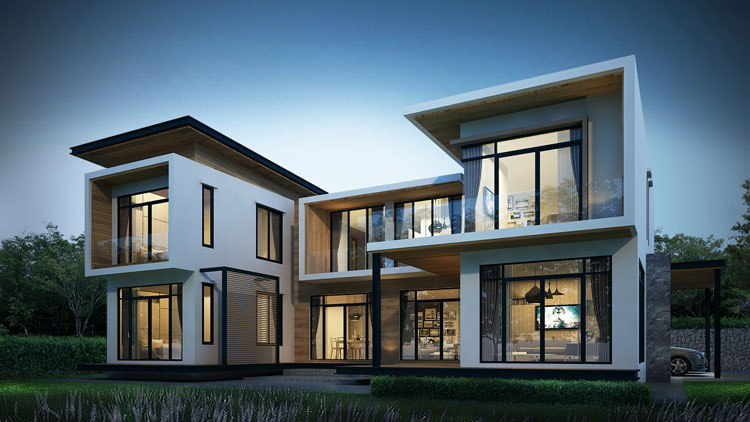
According to data from the academic department of the Home Builders Association, the demographic of those looking to build homes has shifted from the 45-60 age group to those under 40, with a growing trend of self-building. This shift is driven by a desire for home designs that reflect personal identity and meet basic daily needs.
As a result, home building trends are beginning to change. For 2018, it is anticipated that the 4 main trends desired by the 4.0 era customers will include: 1. Eco-Friendly Homes, which are energy-efficient and environmentally conscious, designed primarily to reduce energy costs and utilize natural resources wisely without harming the environment. These homes are typically designed to be airy and comfortable, allowing natural breezes and cooling while preventing heat accumulation. Generally, this design emphasizes natural methods but must also incorporate technology for cooling, such as energy-saving devices or solar panels for renewable energy collection.
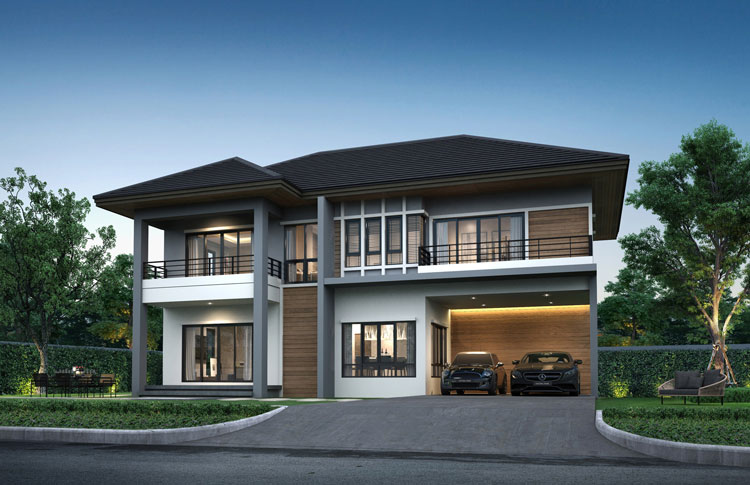
2. Cluster Homes for Multi-Generations, designed for elderly grandparents to live together with their children and grandchildren in the same area or house, with designated living spaces and shared common areas to foster warm relationships, creating a non-isolated environment for the elderly.
3. Expanding Family Homes, or Multi-Family Homes, which consist of multiple houses on the same property. This trend reflects the Thai preference for the benefits of living together as a large family. Such homes often feature multi-family living arrangements, expanding usable space either vertically or horizontally, depending on the land size, with separate homes for parents, sons, daughters, or siblings who choose to build residences on the same property while maintaining privacy, along with shared amenities like swimming pools, dining rooms, fitness areas, or gardens.
4. Innovative Living Smart Homes, where every home utilizes modern technology to facilitate living. It is expected that within the next 2-3 years, all newly built homes will begin to incorporate certain changes, such as technology or gesture control for voice commands to operate lights, curtains, air conditioning, etc.
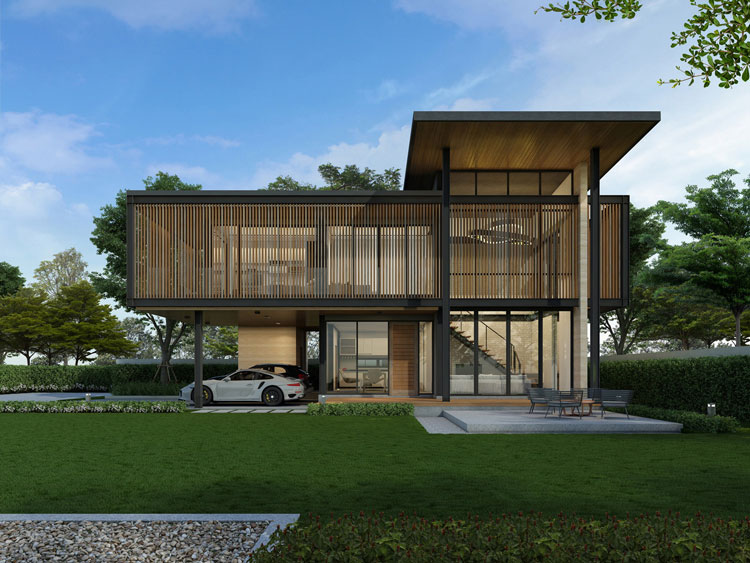
Homes are an evolving architecture that continuously adapts and develops in terms of design, construction materials, and building technology, all of which fundamentally depend on the needs of the residents.
Thank you for the information from http://www.hba-th.org/