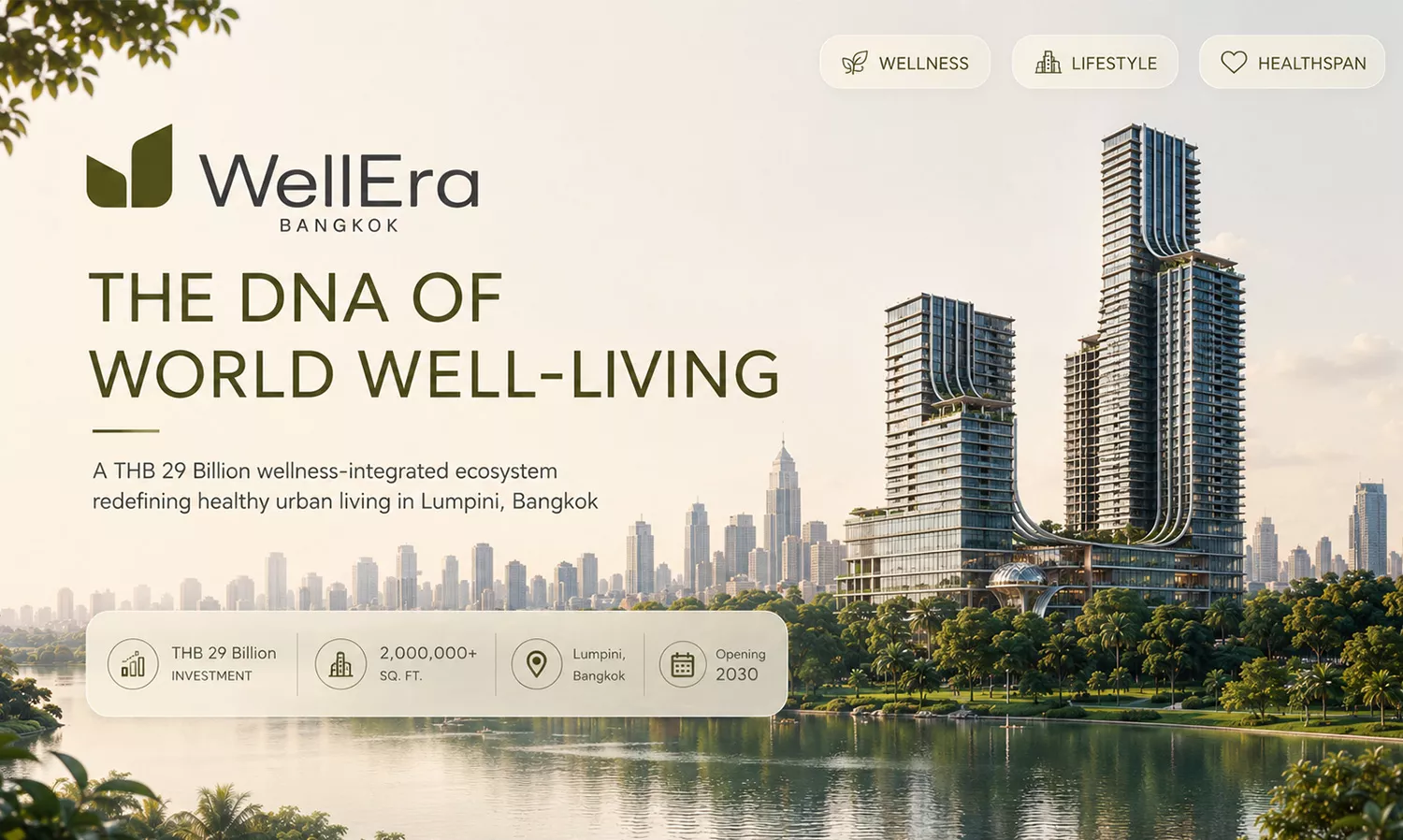
Annual International Well-being and Sustainability Forum Bangkok 2018 Organized by MQDC
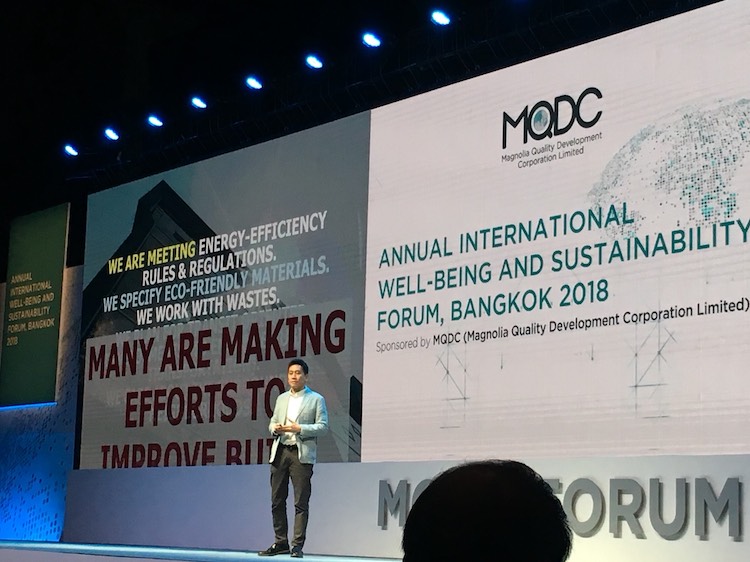
Annual International Well-being and Sustainability Forum Bangkok 2018 organized by Magnolia Quality Development Corporation Limited (MQDC)
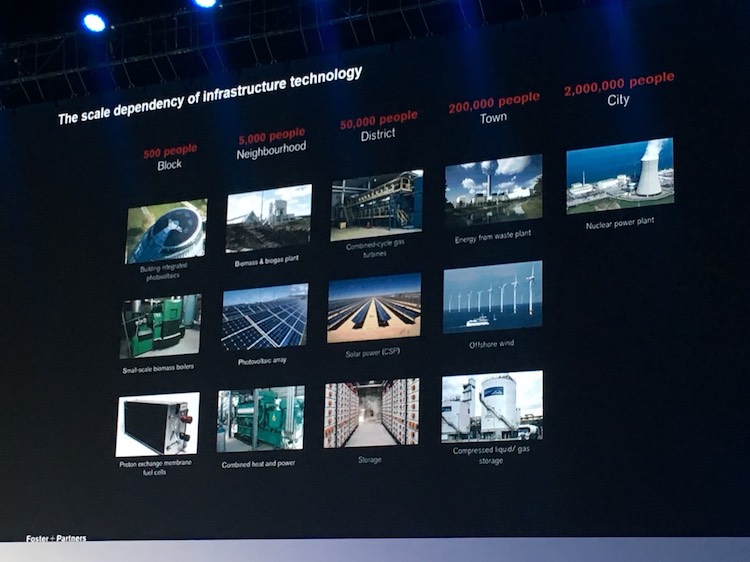
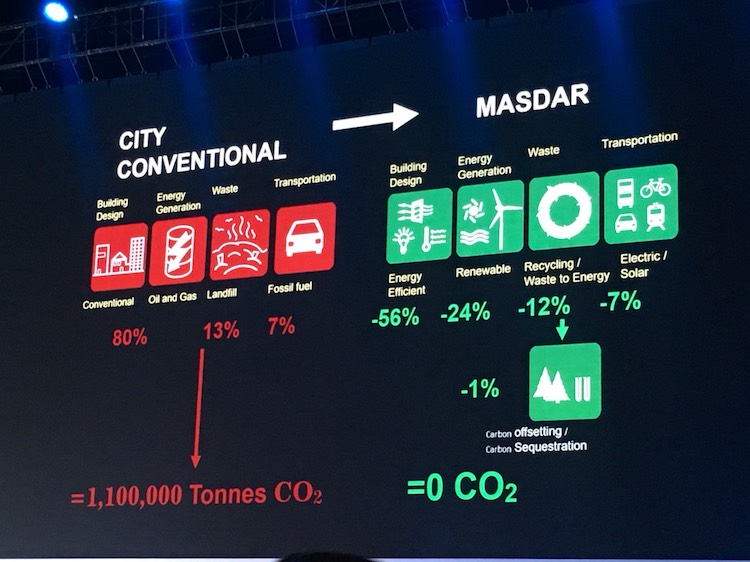
Mr. Toby Blunt, Senior Vice President of Foster + Partners, a renowned architecture and engineering firm from the UK, discussed energy consumption, which comes from:
1) Infrastructure design consumes up to 54% of energy, thus architectural design must align with this
2) Automobile usage
3) The agricultural sector also consumes a significant amount of energy.
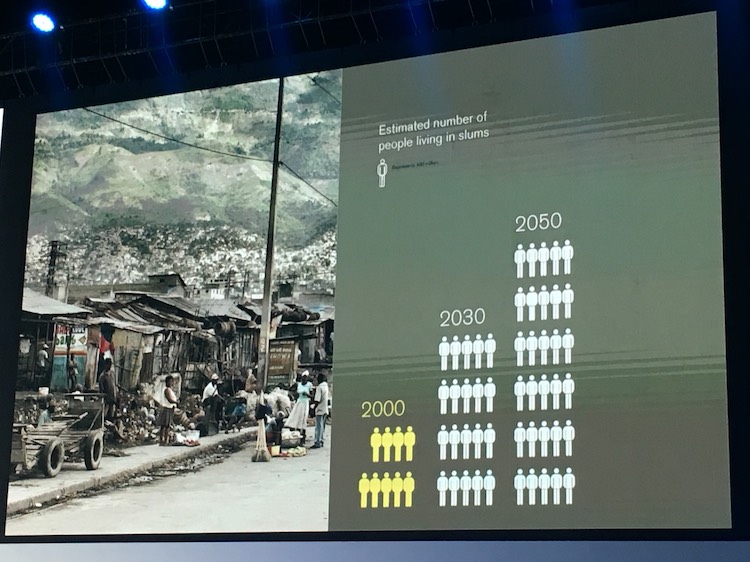
Using a master plan to create One World Living in the slums of Mumbai, involving community participation to create a new urban model by dividing the city into blocks, adding roads, public buildings, schools, and green spaces.
The Wind Tower can harness wind energy for the central areas of the city.
Mr. Bill Coan, Founder and Chairman of ITECH Entertainment, an American company leading in customer experience design in theme parks worldwide, discussed how entertainment can occur at any time, whether through films, laughter, tears, or surprises. However, it raises questions and creates experiences. Today, entertainment has become a commodity and a value for those who partake in it, equating to the experiences one receives. Thus, each individual must understand what type of experience suits them. Entertainment is embedded in various sectors, such as retail, which must create experiences that cannot be found online. For example, Walt Disney was the first to design a theme park, a place that creates experiences for people, and ITEC Entertainment is the company that designs and interacts with those experiences, including using technology to broadcast or share various activities for people to enjoy outside, such as ads on buses. Real estate companies also strive to incorporate experiences and memories into buildings to create positive associations and smiles.

Associate Professor Dr. Sing Intarachuto, Chief Advisor of the Research and Innovation Center for Sustainability (RISC) and Faculty Member at the Faculty of Architecture, Kasetsart University, discussed sustainability concepts to reduce environmental impacts. For example, are these cities sustainable for the future?
- London
- Paris
- Toronto
- Tokyo
- New York
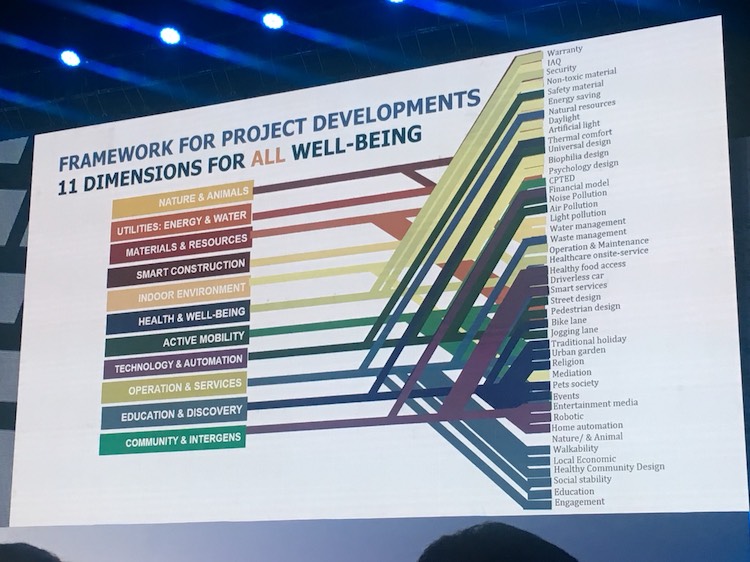
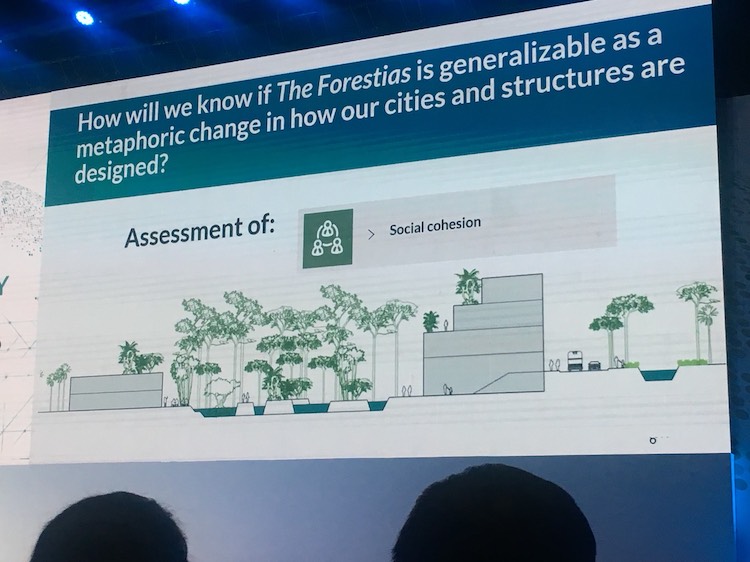
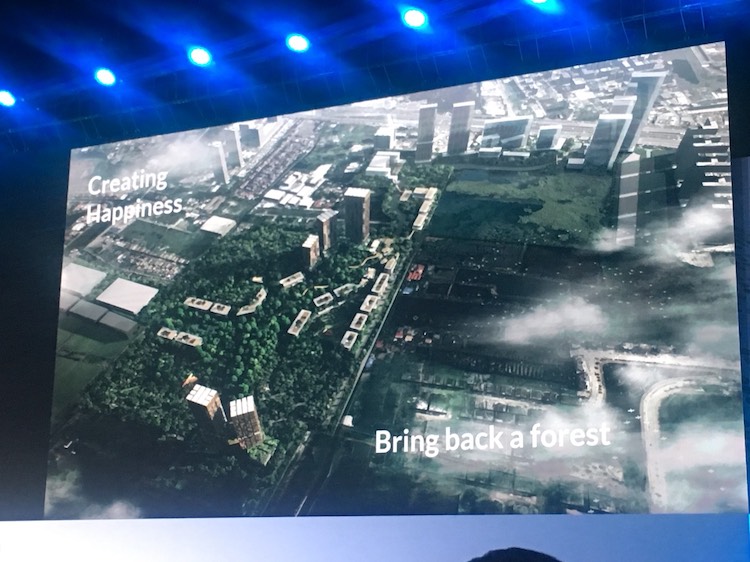
We need to find new ways to achieve sustainability. Do we know that we can create new things for sustainable cities? We must focus on ensuring everyone has a good quality of life, not just a human-centered approach, because humans cannot exist alone; we need to be surrounded by a good environment. Historically, we have focused solely on humans, neglecting our surroundings. Therefore, we must use both our hearts and minds to care for everything around us. For instance, Forestias allocates 40% of its area to green spaces. The 30-Year Warranty Residences & Condominiums will positively impact people by creating an Energy Recovery Ventilation system to ensure good air circulation in small rooms.
Dr. William E. Reichman, Chairman and CEO of Baycrest, a leading research and care center for the elderly from Canada, discussed the increasing elderly population in Thailand and the accompanying health issues such as dementia, heart disease, and cancer. How will we plan to accommodate this aging population to ensure they have a good quality of life, including providing medical personnel and ensuring that the elderly maintain good health by managing their well-being? This includes moving services into communities to reduce costs associated with hospital visits for healthcare services. Healthcare services in hospitals often separate treatments for different diseases, leading to a lack of communication regarding treatment and medication, which is essential for promoting well-being. Well-being is determined by many factors, not just good medical care; having good housing, safe transportation, community interactions, and financial security are also necessary. Regardless of how good a hospital is, financial security is crucial, and communities should facilitate social interactions among the elderly living in various real estate projects.
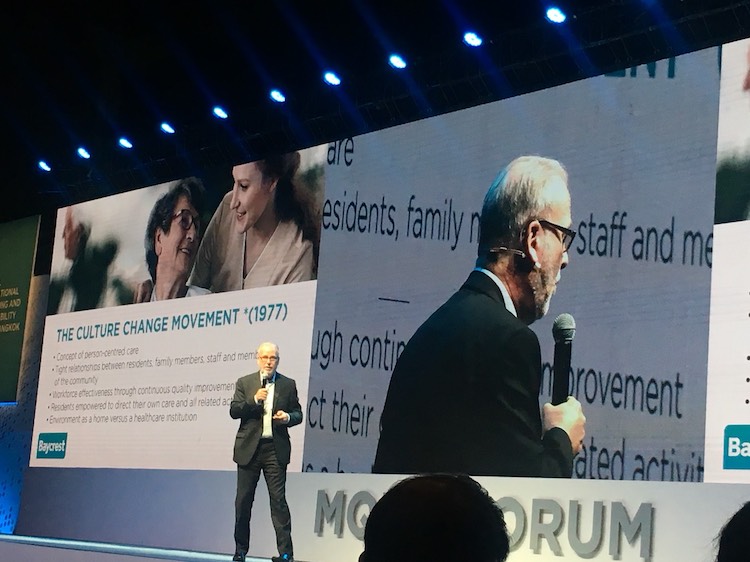
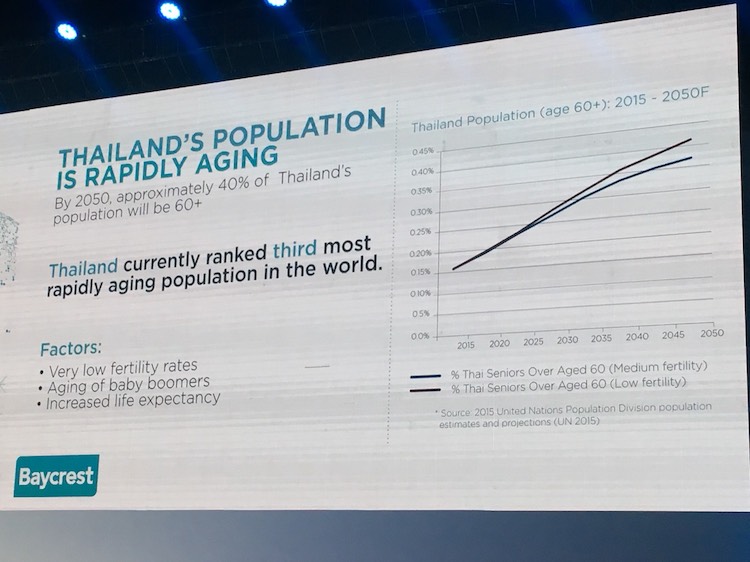
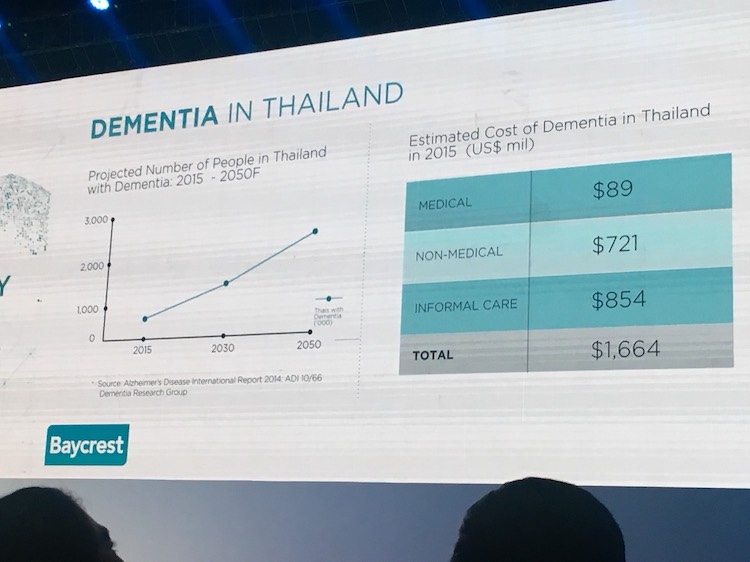
Currently, facilities for the elderly should provide opportunities for them to decide when to eat, bathe, etc., rather than having someone else dictate their schedule. The environment should resemble a home, allowing them to connect with nature, engage in outdoor activities, and interact with pets and children. Staff in elderly care facilities must be flexible and not adhere strictly to a predetermined schedule. Therefore, there must be diverse options to meet everyone's needs. One key aspect is the connection between the community and family. How can we design environments that enable the elderly to help themselves? Walkways must be well-lit and equipped with handrails. MQDC serves as an example of an organization adapting to support the elderly.
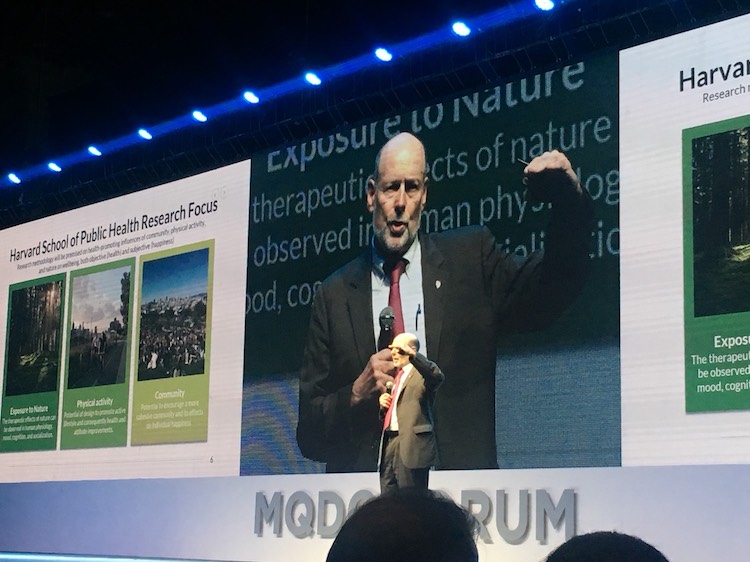
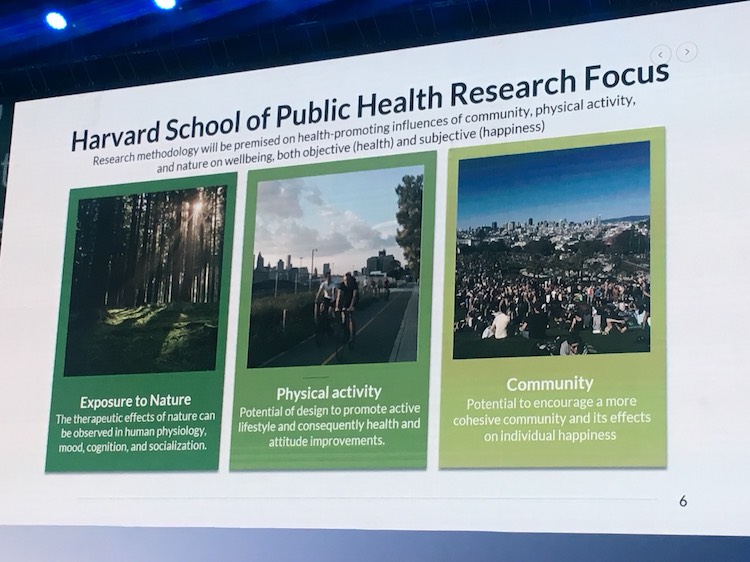
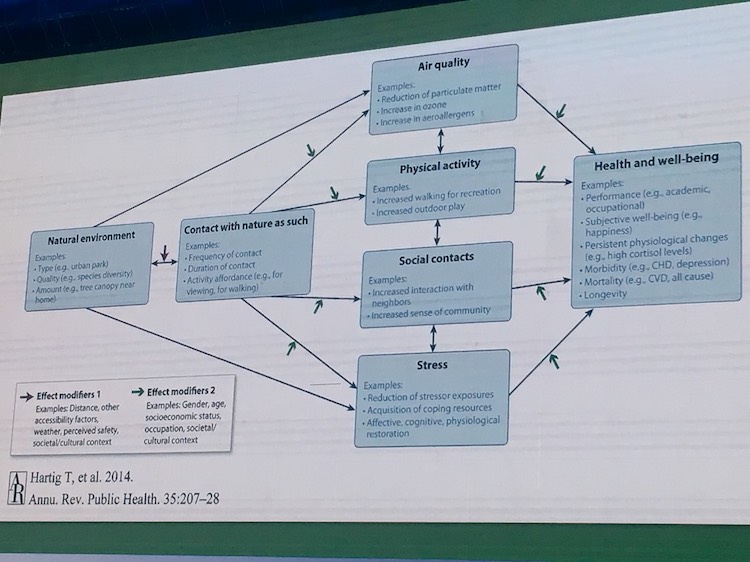
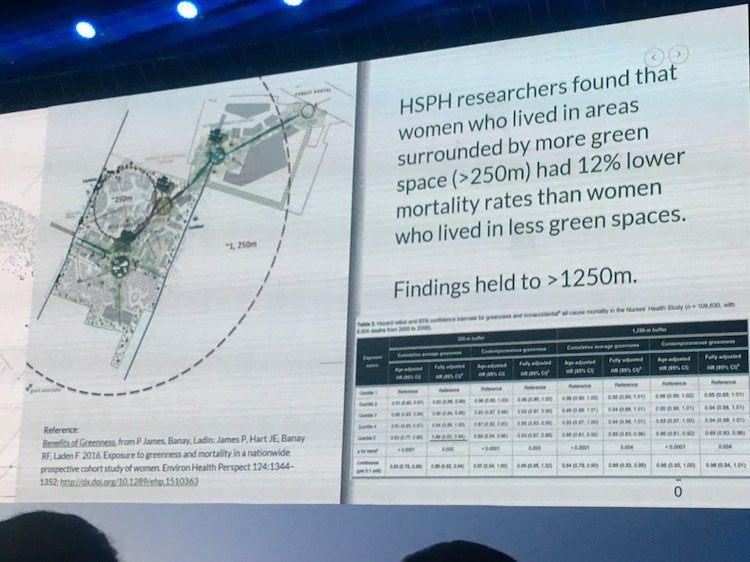
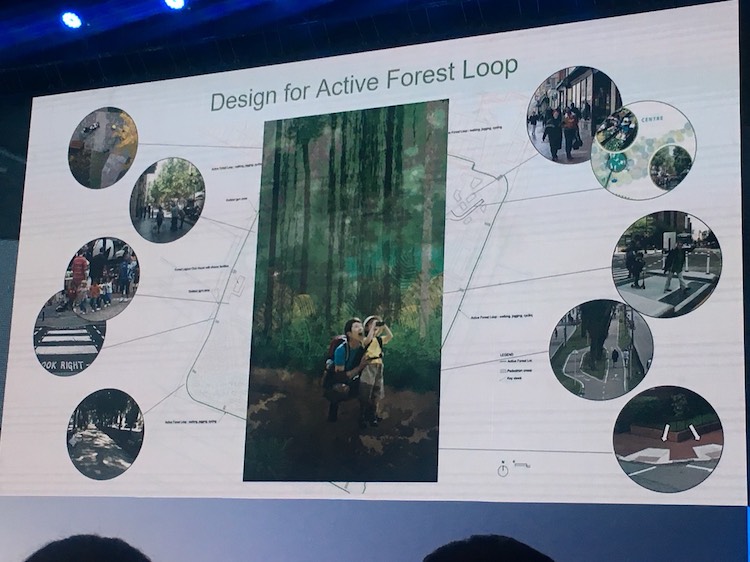
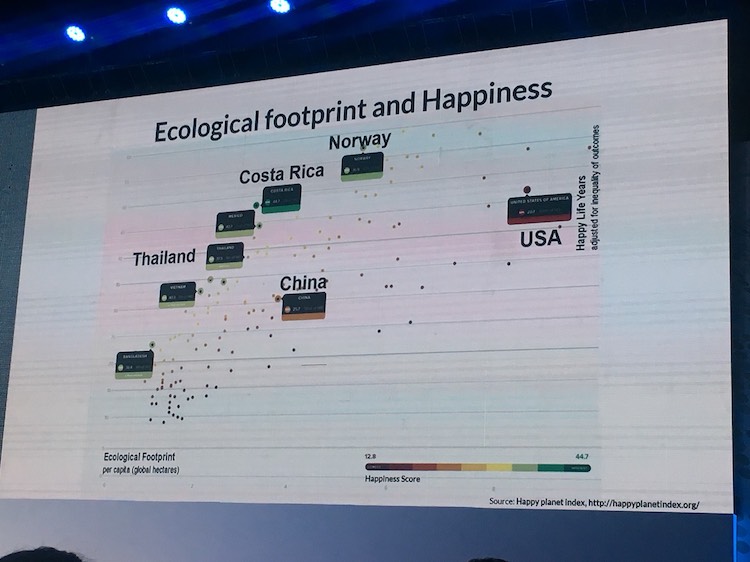
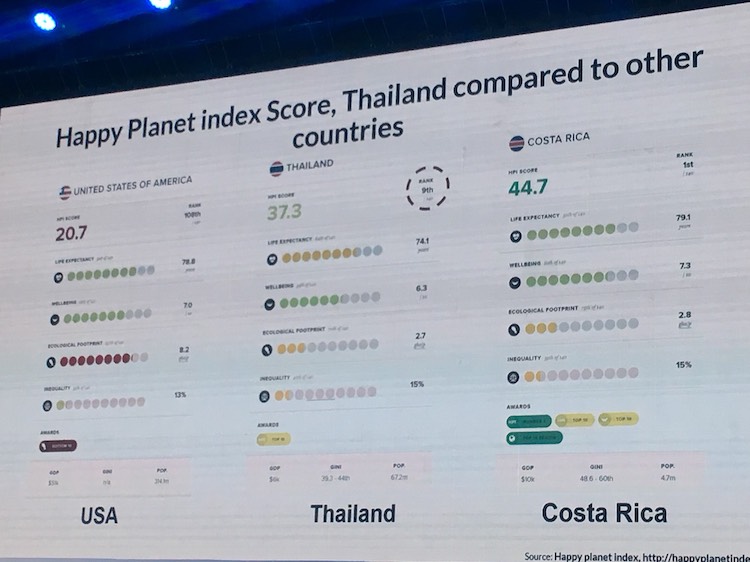
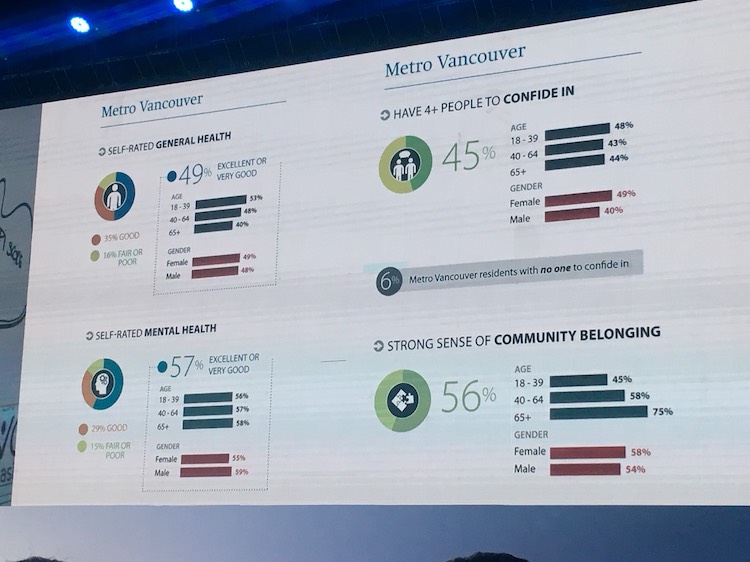
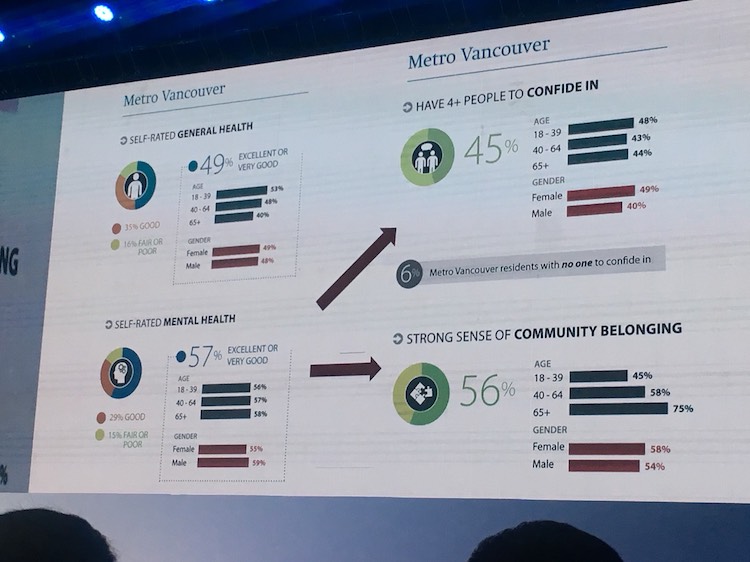
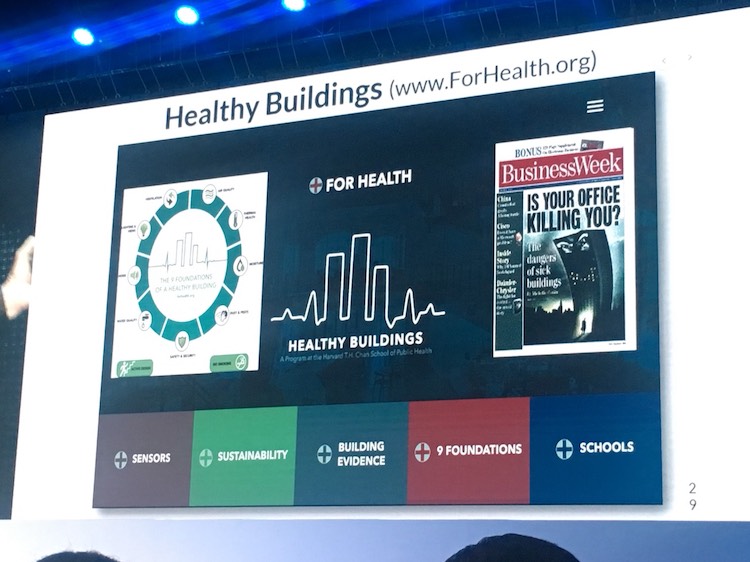
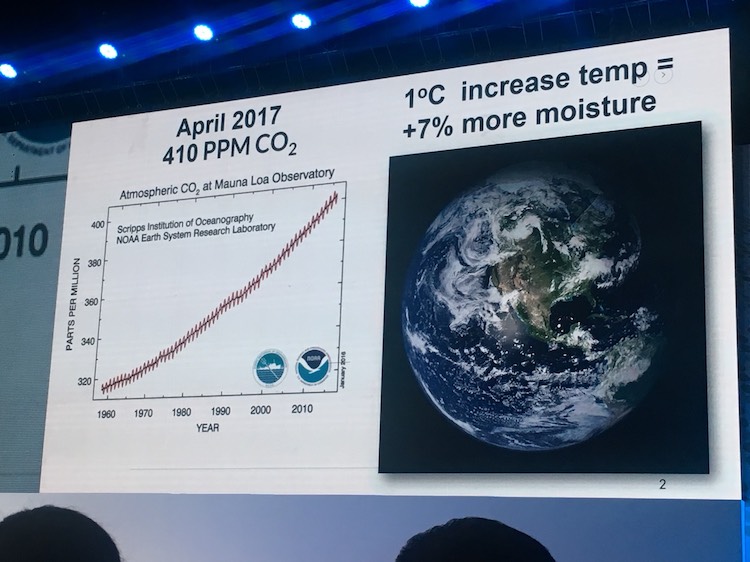
Professor Dr. John D. Spengler, Professor of Environmental Health and Human Habitation at Harvard T.H. Chan School of Public Health, noted that by 2018, nature may no longer be as it once was. Humans have a profound relationship with nature. The Wellbeing Concept fosters coexistence among people of all ages.
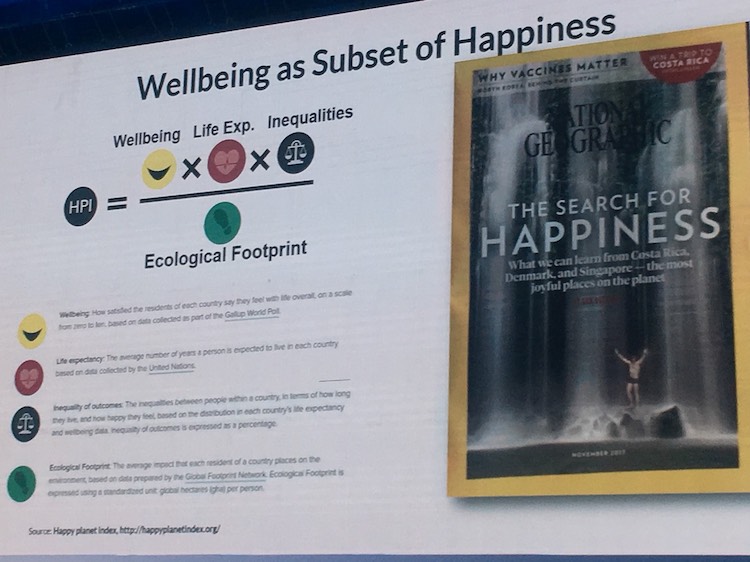
HPI = Wellbeing x Life Expectancy x Inequality of Outcomes / Ecological Footprint
Thank you for the information from mqdc.com