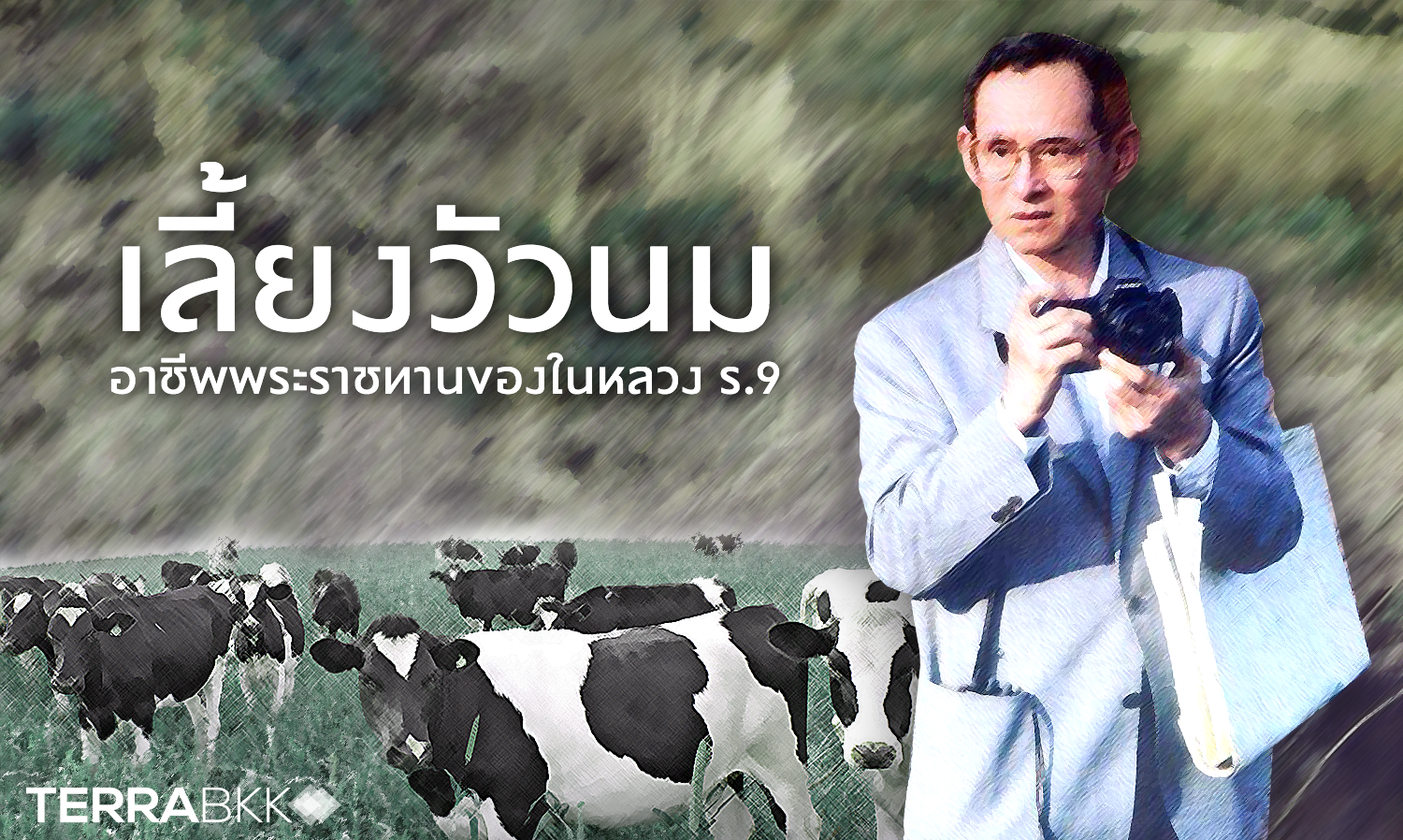
"Dairy Farming" - The Royal Gift of King Rama IX
In the past, dairy farming was not a common profession among Thai people, resulting in fresh milk not being widely consumed and primarily enjoyed only by the affluent.
In 1960, King Rama IX traveled to Europe for six months during the Cold War, a time when Thailand needed to establish diplomatic relations with other countries to demonstrate its friendship with the free world. During his visit to Denmark, he became interested in the dairy farming practices there and recognized that dairy farming could provide a stable livelihood and ensure that Thai people had access to milk. He believed that if Thailand developed its dairy industry, it would enhance the quality of food available to the public.
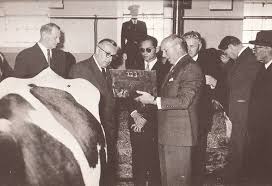
At that time, dairy farming in Thailand was limited to a small community of Indian farmers. Following the King's vision, the Thai-Danish Dairy Farm was established in Mueang Saraburi district, marking the first dairy farm in Thailand after the Danish government graciously offered to support dairy farming initiatives in the country.
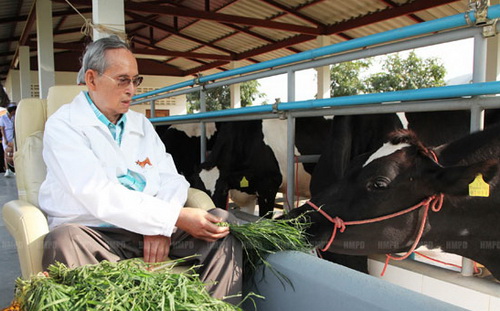
In 1962, King Rama IX established the Chitralada Dairy Farm within the royal compound to experiment with breeding cattle suited to Thailand's hot climate and to disseminate knowledge about dairy farming. He encouraged the cultivation of grass and crops as feed for the cows, as this method was economical and suitable for rural farmers.
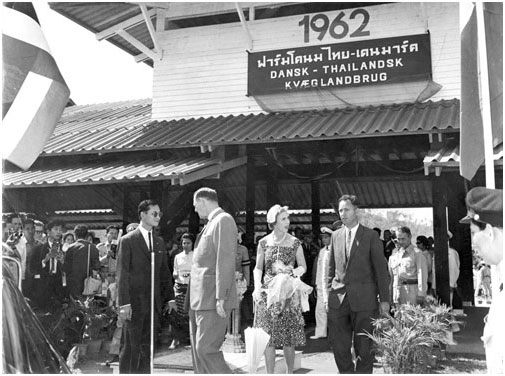
In addition to providing knowledge about dairy farming, the establishment of this dairy farm also promoted the consumption of fresh milk by selling it to the public at affordable prices. Since then, dairy farming has become a new option for Thai farmers.
However, in 1966, there was an oversupply of raw milk in the market due to a lack of processing plants and insufficient consumer demand. Upon recognizing this issue, King Rama IX graciously ordered the establishment of the Dusit Milk Powder Factory, Thailand's first milk powder production facility, to process milk and address the surplus problem. Subsequently, other milk processing plants were established in the Chitralada royal project area, producing products such as condensed milk, cheese, UHT milk, and bottled water made from the leftover water from the milk evaporation process, demonstrating a comprehensive milk production model.
Additionally, King Rama IX also graciously established the Nong Pho Milk Powder Factory in Ratchaburi province to help resolve the issue of raw milk surplus. This facility later became part of the Nong Pho Dairy Cooperative and produced fresh milk as a result of the royal initiative.
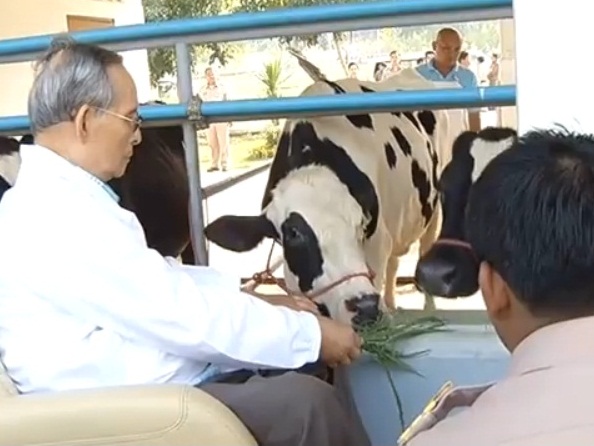
Thus, dairy farming is regarded as a "royal gift" from King Rama IX to the Thai people, aimed at creating livelihoods and providing high-quality milk for the health and well-being of the population.
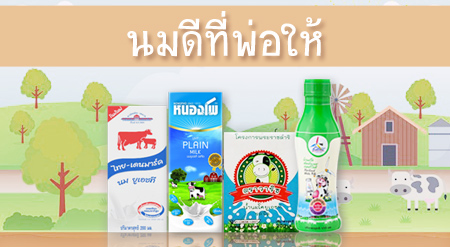
Image credits: Google