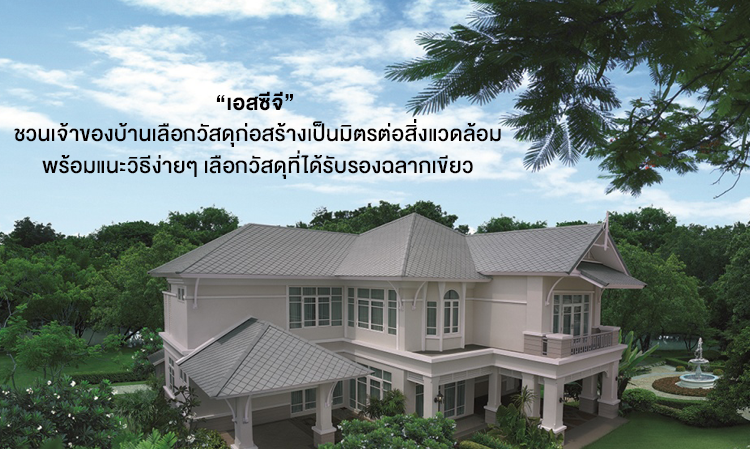
"SCG" Invites Homeowners to Choose Eco-Friendly Construction Materials and Offers Simple Tips for Selecting Green Label Products
In light of the current changing environment, including rising temperatures, unpredictable weather, and the increasing severity of natural disasters, many people are becoming more conscious and concerned about the environment. This is evident from the growing popularity of environmental conservation movements, leading to a wider interest in eco-friendly living (Green Living). Mr. Phanuphan Papun, an expert in eco-friendly construction materials (LEED AP ® BD+C) from SCG Green Building Solutions,<\/span><\/strong> stated that in recent years, the trend of green building has gained traction among both public and private sector businesses. This is evident from the development of green buildings within organizations and policies aimed at encouraging the public to care for the environment. As a result, working-age individuals and the younger generation are recognizing the importance of living harmoniously with their surrounding environment (Green Living). Homeowners are beginning to seek information about the various properties of construction materials and are looking for materials that meet their comprehensive needs in terms of design, functionality, quality of life, and environmental impact. They are also starting to adapt their homes according to the "green home" concept, which prioritizes environmental preservation, planning construction, choosing eco-friendly materials, and planning energy use within the home.<\/p>
A green home not only helps reduce environmental impact and save energy but also promotes the health and well-being of all household members. Therefore, homeowners should actively participate in selecting construction materials, which are a crucial component of building and renovating homes. "SCG," as a leader in construction material innovation, recommends simple methods for choosing eco-friendly materials by selecting products that carry the green label certification on their packaging. This label is awarded to products that are of high quality and have a lower environmental impact compared to similar products, certified by the Industrial Product Standards Office and the Thailand Environment Institute. We recommend two main categories of materials that homeowners should consider before making a purchase:<\/p>
Structural Construction Materials<\/span> <\/strong>Most homeowners believe that selecting these materials is the responsibility of the contractor or builder. However, structural materials are akin to the muscles and foundation of a home, so it is essential to choose materials that are strong, high-quality, and safe. If issues arise, it can be difficult to modify or rectify them. Therefore, we recommend structural materials that are certified with the green label as a good option, including:<\/p>
- Structural Cement or Portland Cement Type 1<\/span> <\/strong>for foundations, columns, beams, and floors. It is crucial to select the appropriate type of cement for its intended use. The advantage of green label certified cement is that its production process has a lower environmental impact. Next, choose a reputable brand that is certified by the Industrial Product Standards (TIS), ensuring that it is high-quality cement that provides a strong and durable structure while being environmentally friendly.<\/p>
- PVC Pipes<\/span><\/strong> Currently, there are two types that are certified with the green label: PVC pipes for plumbing and drainage systems, and PVC pipes for public utilities and large-scale plumbing systems. For other selection techniques, choose pipes that have a brand label and a clear TIS mark with size specifications to ensure that you are getting environmentally friendly products that are safe, free from contaminants, meet standards, and are suitable for use.<\/p>
Construction Materials for Systems and Residential Decoration<\/span><\/strong> Homeowners often choose these materials based on their aesthetic appeal and high quality but overlook their environmental friendliness. Therefore, we recommend materials that meet green label standards, including:<\/p>
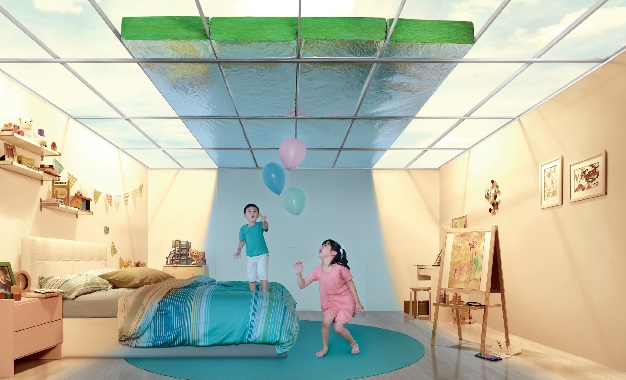
- Thermal and Acoustic Insulation<\/span><\/strong> Using thermal and acoustic insulation with a green label not only provides benefits from the product's properties but also ensures that the production process uses raw materials free from harmful chemicals, has a low environmental impact, and the packaging is reusable, thus minimizing pollution and helping to reduce the use of natural resources.<\/p>
- Sanitary Ware, Faucets, and Water-Saving Devices<\/span><\/strong> with a green label will have a lower water usage rate than general TIS standards, which helps reduce global energy consumption and lowers living costs simultaneously.<\/p>
However, in addition to the green label certified construction materials mentioned above, there are other certification standards that can assist in selecting environmentally friendly materials. Product standards will certify the environmental friendliness of products, such as the green label, SCG eco value label, carbon label, and Green Industry label. Interested individuals can look for these various certification symbols before making a purchase. The Thai Green Building Standard (TREES) and the US Green Building Standard (LEED) provide building certifications and recommendations regarding products related to green buildings according to standards. Additionally, you can seek advice or inquire about construction materials for free at SCG Experience and SCG Home Solutions at all branches, or contact the SCG Contact Center at 02-586-2222.<\/span><\/strong><\/p>
Thank you for the information from: www.scgbuildingmaterials.com<\/a><\/p>
<\/span><\/strong><\/span>
Therefore, "SCG," as a leader in construction material innovation and a proponent of sustainable business practices, invites homeowners to transform their homes into green spaces by selecting construction materials that are certified with the "Green Label." These materials are available in both structural and decorative categories, serving as a great aid in choosing materials before building or renovating a home, ensuring that the home becomes a relaxing retreat that enhances the quality of life for its residents while reducing environmental impact, costs, and energy consumption in the long run.<\/span><\/strong><\/p>
 <\/span><\/strong><\/a><\/p>
 <\/a>
<\/a>  <\/a><\/p>
 <\/a>
<\/a> 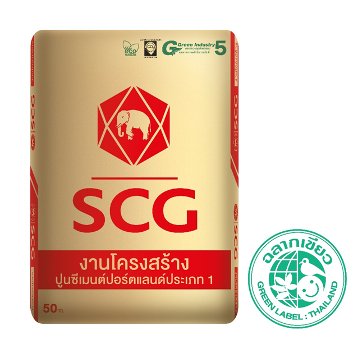 <\/a><\/p>
 <\/a>
<\/a> 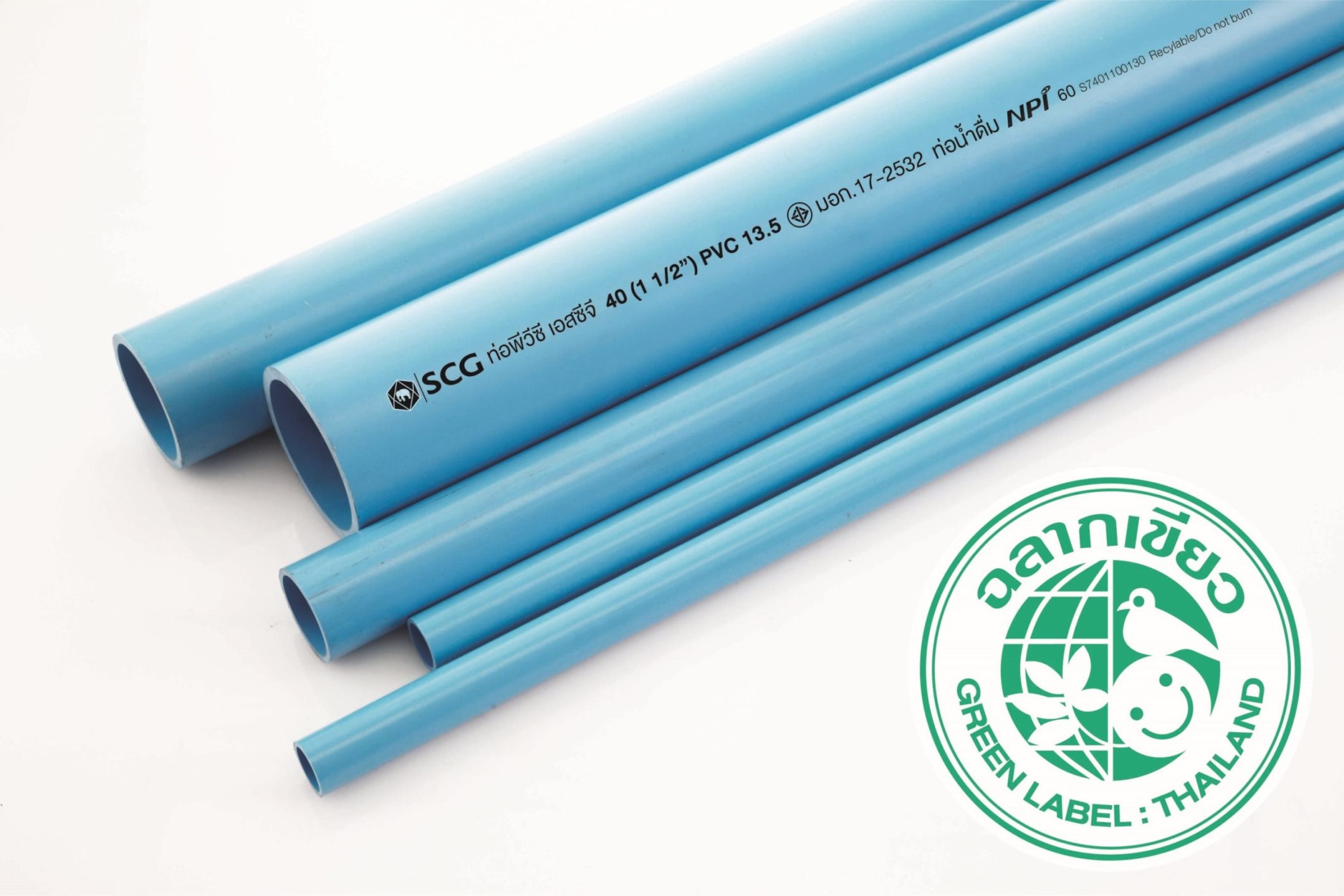 <\/a><\/p>
 <\/a>
<\/a> 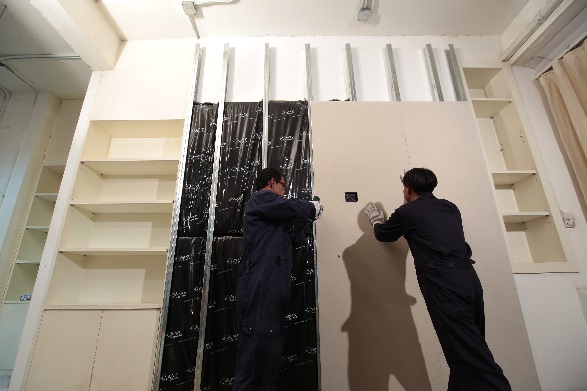 <\/a><\/p>