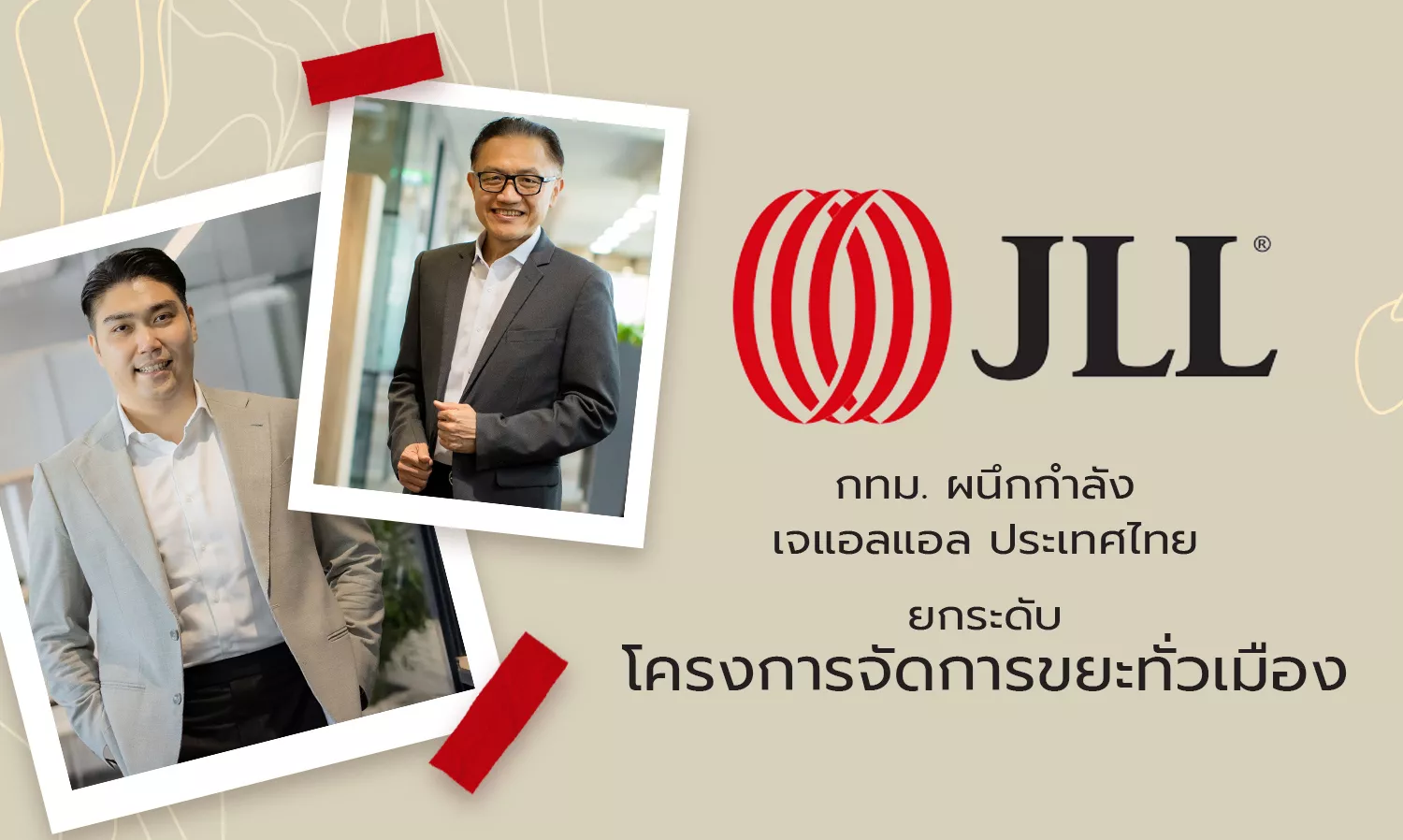
Bangkok Collaborates with JLL Thailand to Enhance Citywide Waste Management Project
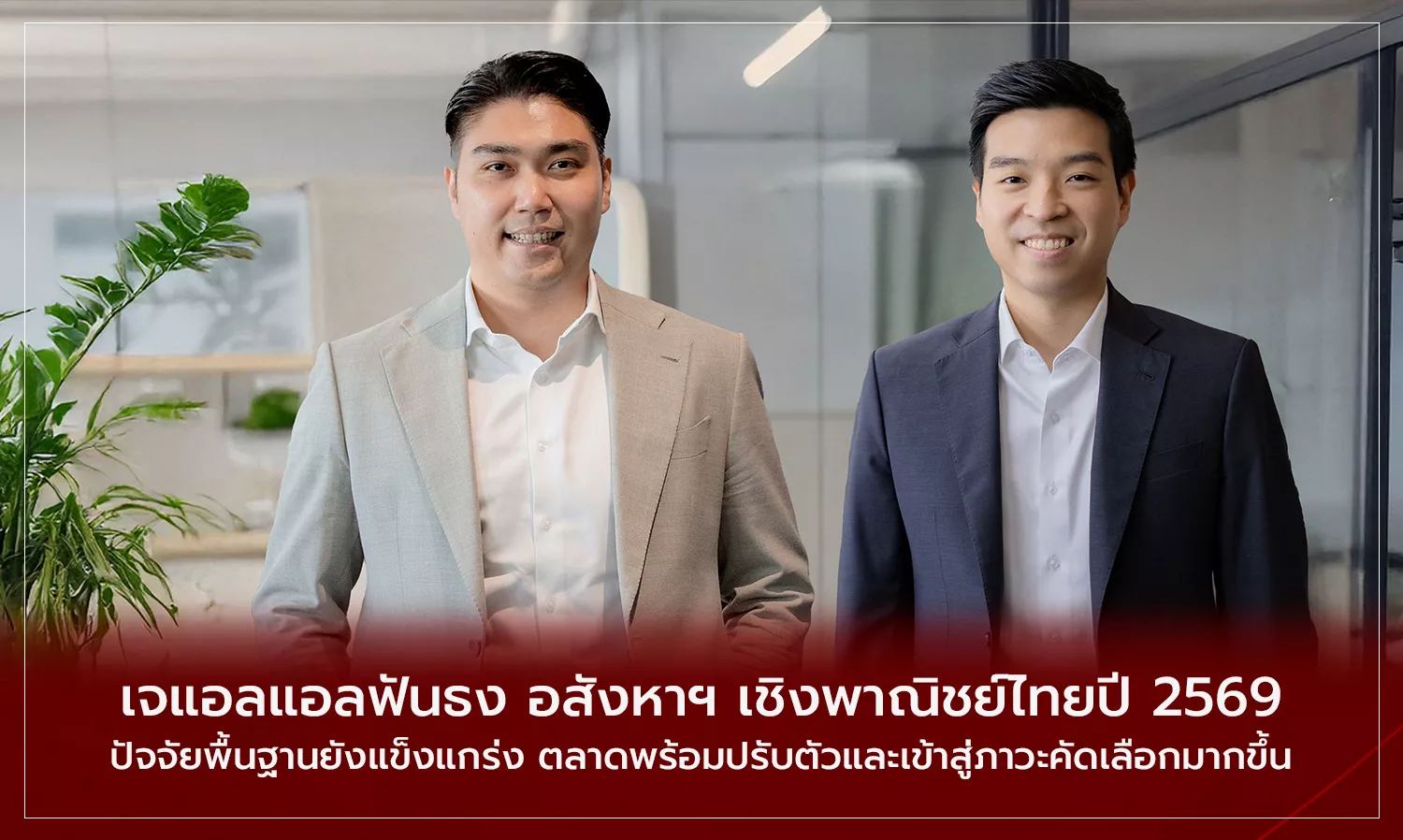
JLL Thailand (NYSE:JLL) has officially joined Bangkok's citywide waste management project as a private sector partner, leveraging its expertise in property management as the largest global real estate management company in Thailand to support the city's operations. This collaboration reflects JLL's role in managing complex commercial buildings, particularly office spaces, while extending waste management standards to commercial and residential properties across Bangkok.
This partnership is part of Bangkok's efforts to enhance waste sorting, recycling, and reduction throughout the city through collaboration with major private sector players. By aligning Bangkok's policies with JLL's building management systems, the project aims to improve waste management in high-density commercial buildings that often deal with significant daily waste volumes, diverse tenants, and operational complexities.
JLL's involvement primarily focuses on commercial properties, especially office buildings under the company's management, where standardized processes, tenant engagement, and performance tracking systems can be implemented to significantly reduce waste. Additionally, residential projects managed by the company are included in the operational plans to support a consistent waste management approach across all asset types.
JLL began working with Bangkok in late 2025 to implement waste management strategies aligned with the city's policies in certain commercial and residential properties under its management. The initial phase focuses on office buildings, where operational measures and tenant engagement can be broadly implemented. This project is part of a phased operational plan to expand waste management standards to properties in Bangkok that JLL will manage in the future.
The initial operations in participating buildings emphasize improving waste sorting at the source through sorting systems, operational manuals, and clearer tenant engagement initiatives. These measures are supported by more efficient recycling processes and close coordination with waste collection service providers in the business sector. Preliminary operations have shown that systematic tenant engagement and the establishment of clear waste management standards play a crucial role in improving waste management outcomes in high-density office buildings.
This project aligns with Bangkok's overall waste management policy. In the fiscal year 2025, Bangkok collected an average of approximately 9,560 tons of waste per day, with more than half being food waste. The contamination of food waste with other materials remains a significant challenge, as it reduces the value of recyclable materials and complicates end-of-life management processes.
To address these challenges, Bangkok has expanded its citywide waste sorting project to cover all 50 districts, shifting from voluntary participation to incentive measures based on the “Polluter Pays Principle.” The new waste management fee ordinance, effective September 28, 2025, establishes varying fee rates based on the amount of waste generated. Under this new structure, households producing no more than 20 liters of waste per day will pay a monthly fee of 60 baht, which can be reduced to 20 baht if they register for the waste sorting program. Meanwhile, large waste generators will be charged fees based on the amount of waste under the Pay-As-You-Throw (PAYT) approach, reflecting the principle that those who generate more waste should bear a larger share of the costs.
For high-rise buildings, particularly commercial and mixed-use projects, operational challenges arise due to high daily waste volumes and inconsistent waste sorting. To address this, Bangkok has initiated pilot projects in Khlong Toei and Wattana districts to develop suitable waste management models for high-density buildings, which are expected to lead to citywide expansion in the future.
“As the largest leading property management service provider in Thailand, our responsibility is to translate sustainability goals into practical operational standards for buildings, especially in complex commercial environments,” said Mr. Krit Pimmathaiwut, Managing Director of JLL Thailand and Head of Investment Services.
“Office buildings generate significant amounts of waste daily, and enhancing management efficiency requires a consistent, measurable, and scalable system. Our participation in this project aligns our commercial operations with the city's environmental goals, setting a clear direction for all commercial buildings in our management portfolio to fully engage in the program by 2026,” he added.
Mr. Jakrapan Phawangkharat, Head of Building Management at JLL Thailand, emphasized that building managers play a crucial role in driving the city's waste management improvements. “Commercial buildings serve as a bridge between policy and real-world implementation. Through standardized processes, data tracking, and tenant engagement, building managers can tangibly reduce waste while maintaining operational efficiency. Our goal is to develop approaches that can be applied to a variety of office buildings and can be sustained over the long term.”
“Effective waste management cannot be achieved through government policy alone,” said Mr. Pornprom Wikitseth, Advisor to the Governor of Bangkok and Chief Sustainability Officer of Bangkok. “Commercial buildings, especially office buildings, are significant sources of daily waste in Bangkok. Collaborating with building managers like JLL enables the city to enhance waste management efficiency in areas with large operational volumes, requiring consistent operational standards that support Bangkok's overall environmental goals.”
Bangkok is also enhancing long-term waste management efficiency by increasing the role of the private sector. Currently, regulations regarding waste collection, transportation, and disposal are being updated to establish modern and consistent licensing criteria for private sector operators, while also providing opportunities for businesses to participate more in Bangkok's waste management system.
This project also aligns with JLL's sustainability development strategy, which emphasizes environmental performance, operational responsibility, and continuous improvement in properties under the company's management. By implementing scalable waste management standards in commercial buildings, JLL aims to extend best practices to residential communities, creating measurable outcomes at the city level and encouraging greater industry participation.
For more information about Bangkok's waste management project and how to participate, please visit: https://greener.bangkok.go.th/waste-recycle/