ORN Partners with KBank and IFC to Propel Thai Real Estate Towards International Green Building Standards
The real estate sector in the northern region is entering a significant turning point as Orsirin Holding becomes the first EDGE Champion in the area, in collaboration with Kasikorn Bank and the International Finance Corporation, under the EDGE standard—an assessment tool for green buildings that provides measurable results in energy, water, and carbon.
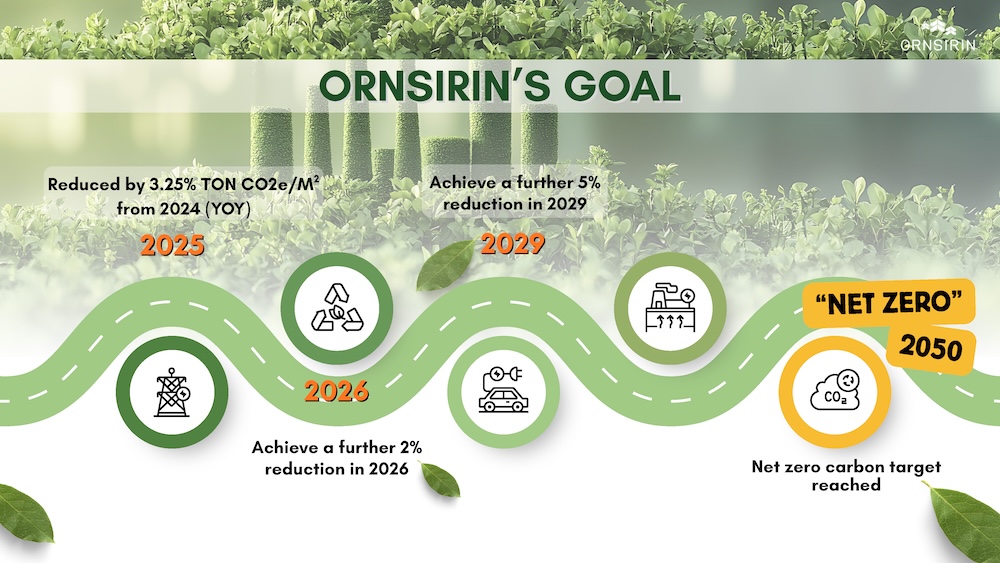
This is not just a publicity stunt; it is a clear declaration of a business direction where "sustainability" is becoming a core structure of the Thai real estate development model.
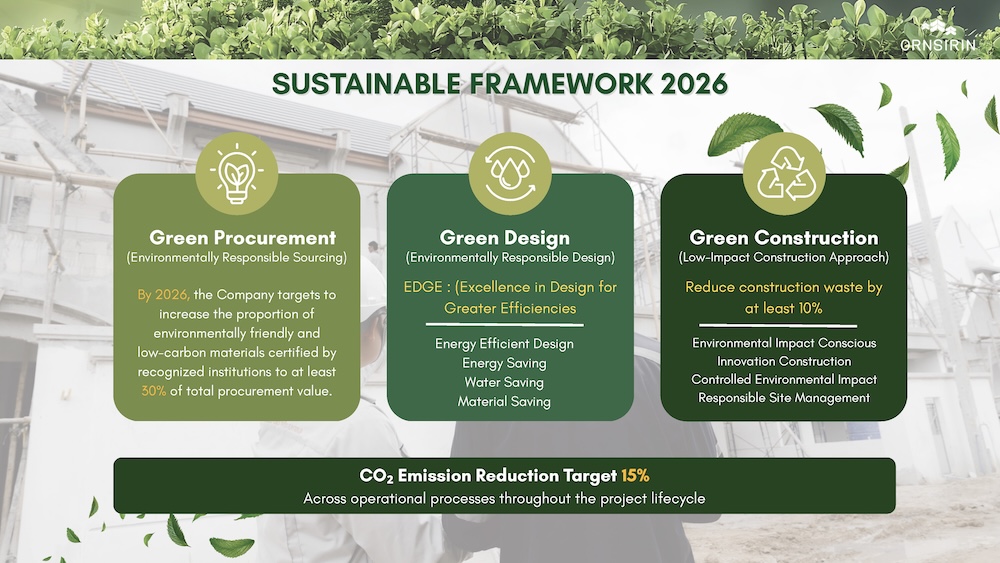
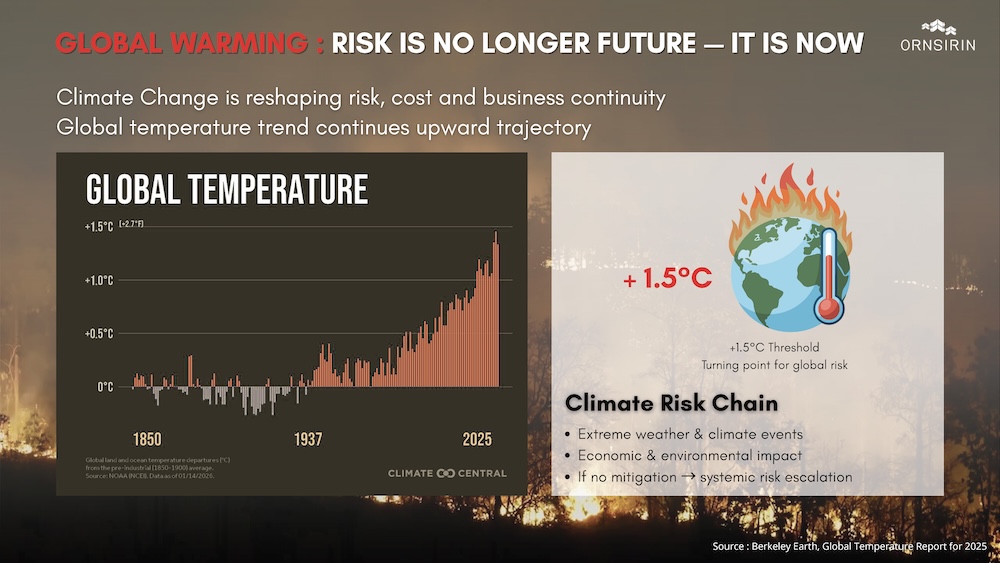
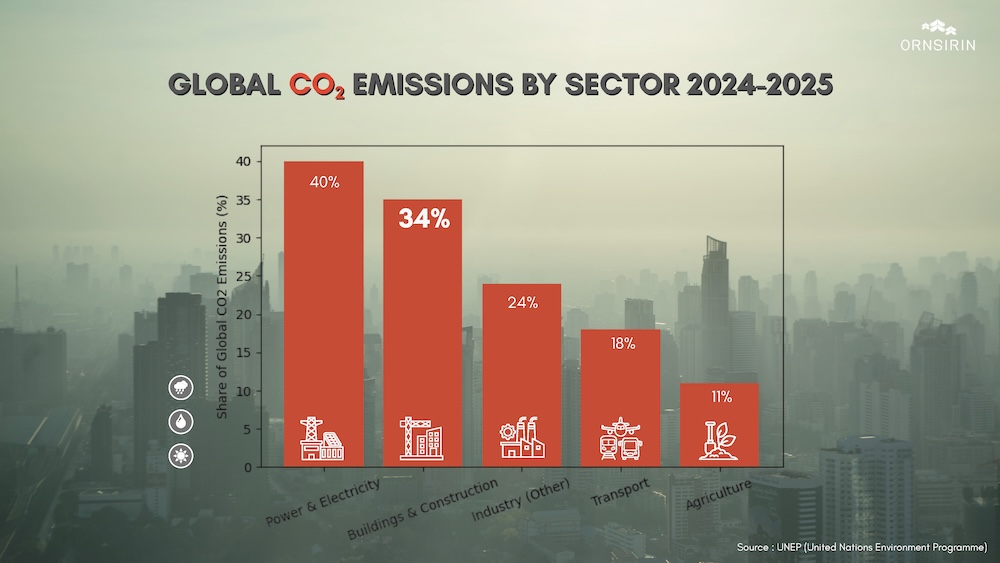
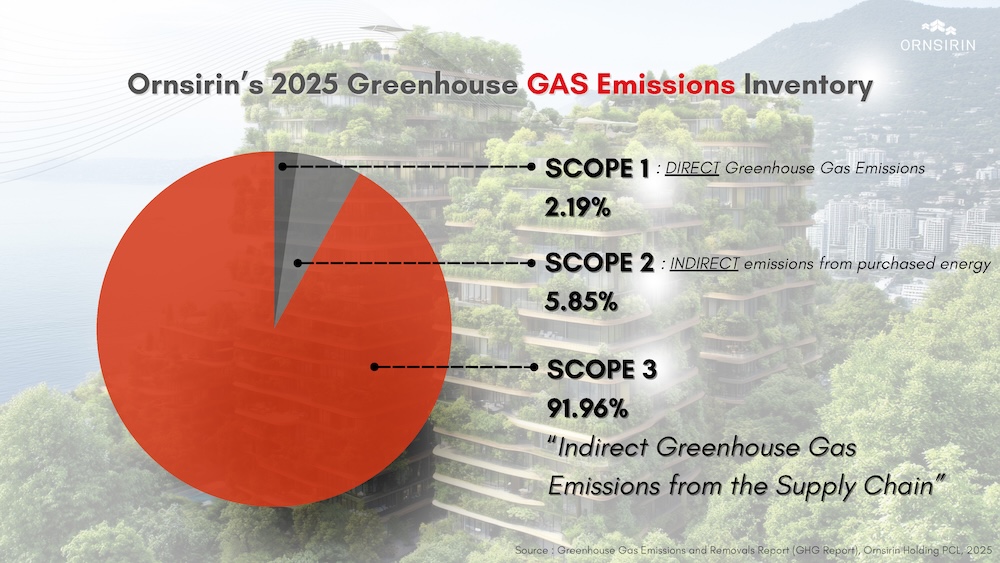
The world is facing the risk of temperature increases exceeding 1.5–2 degrees Celsius, while the construction sector accounts for 34% of global greenhouse gas emissions. For ORN, over 92% of carbon emissions fall under Scope 3, or the value chain, meaning that improvements within the organization alone are insufficient. It is necessary to elevate the entire supply chain, from materials and design to building usage.
The results are already becoming tangible. The Habitat Mahidol and The Next Jed Yod 2–3 projects have received EDGE certification for a total of three projects, achieving over 20% reduction in energy use, over 20% water savings, and in some EDGE Advanced projects, energy use has been reduced by over 40%, with embodied carbon reduced by up to 42.5%.
These figures have clear economic implications. A 20–40% reduction in energy translates to lower long-term costs for residents, increased competitiveness of the projects, and reduced regulatory risks in the future.
ORN's medium-term plan aims for at least 80% of new projects to meet green building standards by 2027, with plans to expand EDGE certification to a total of 12 projects covering over 120,000 square meters, while systematically enhancing green procurement processes and construction waste management.
The financial sector is also making clear moves, with Kasikorn Bank announcing a target to provide loans and investments for sustainability amounting to 400,000–500,000 million baht by 2030. Meanwhile, the IFC estimates that the global green building market could reach $700 billion by 2026, and in some countries, green buildings can reduce default rates by up to 33%, reflecting that sustainability is not just an environmental issue but is directly related to financial risk.
The development cost increases by only 2–3% under the EDGE standard, but the returns are reflected in reduced expenses, higher property values, and opportunities to access green loans at special rates.
What ORN is doing is not just about obtaining certification; it is about elevating the standards of northern real estate to align with global platforms and signaling that businesses capable of long-term growth are those that measure profits alongside systematic responsibility.
In an era where ESG is not an option but a competitive necessity, taking proactive steps will always create an advantage.