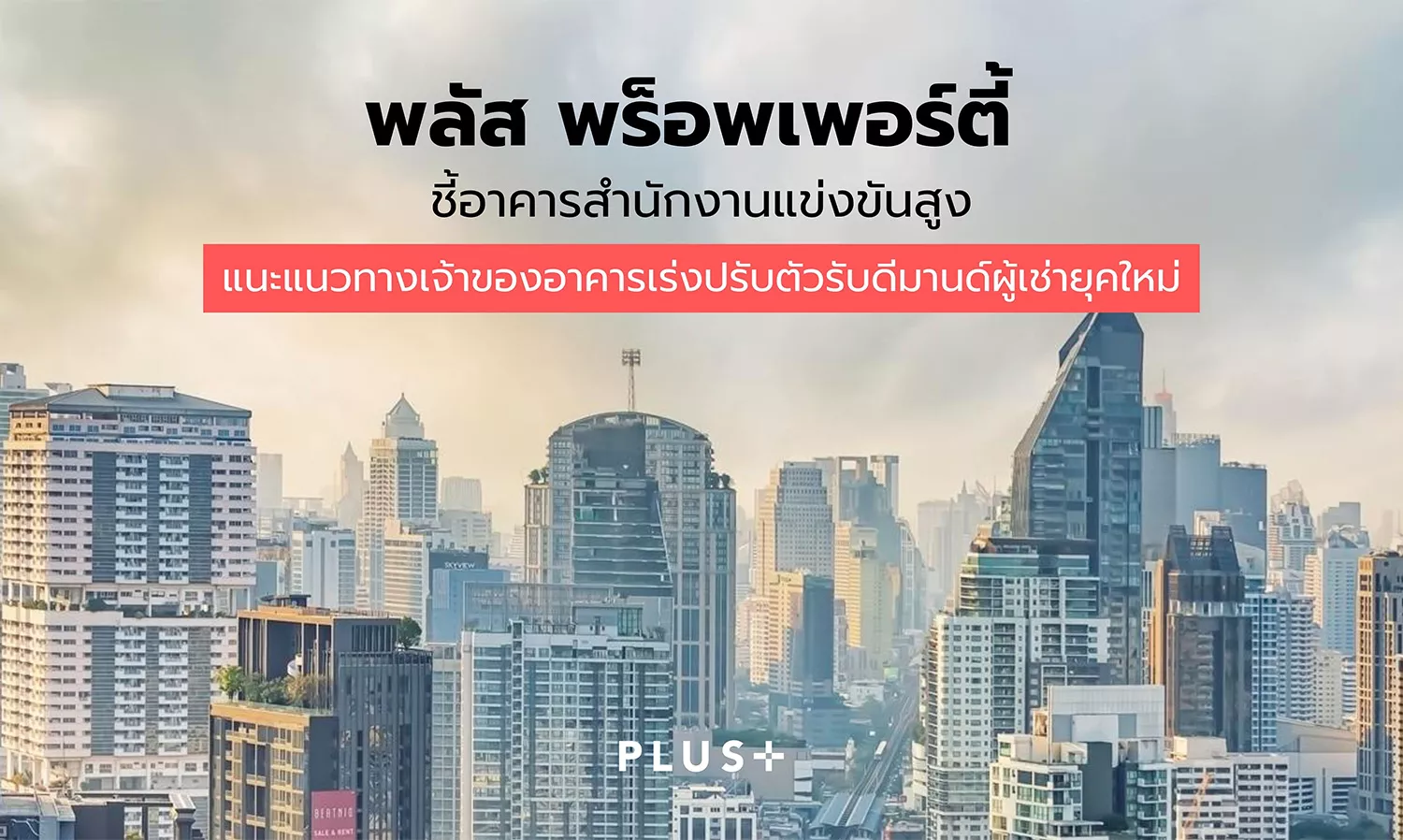
Plus Property Unveils Strategies for Old Buildings to Compete Against New Developments
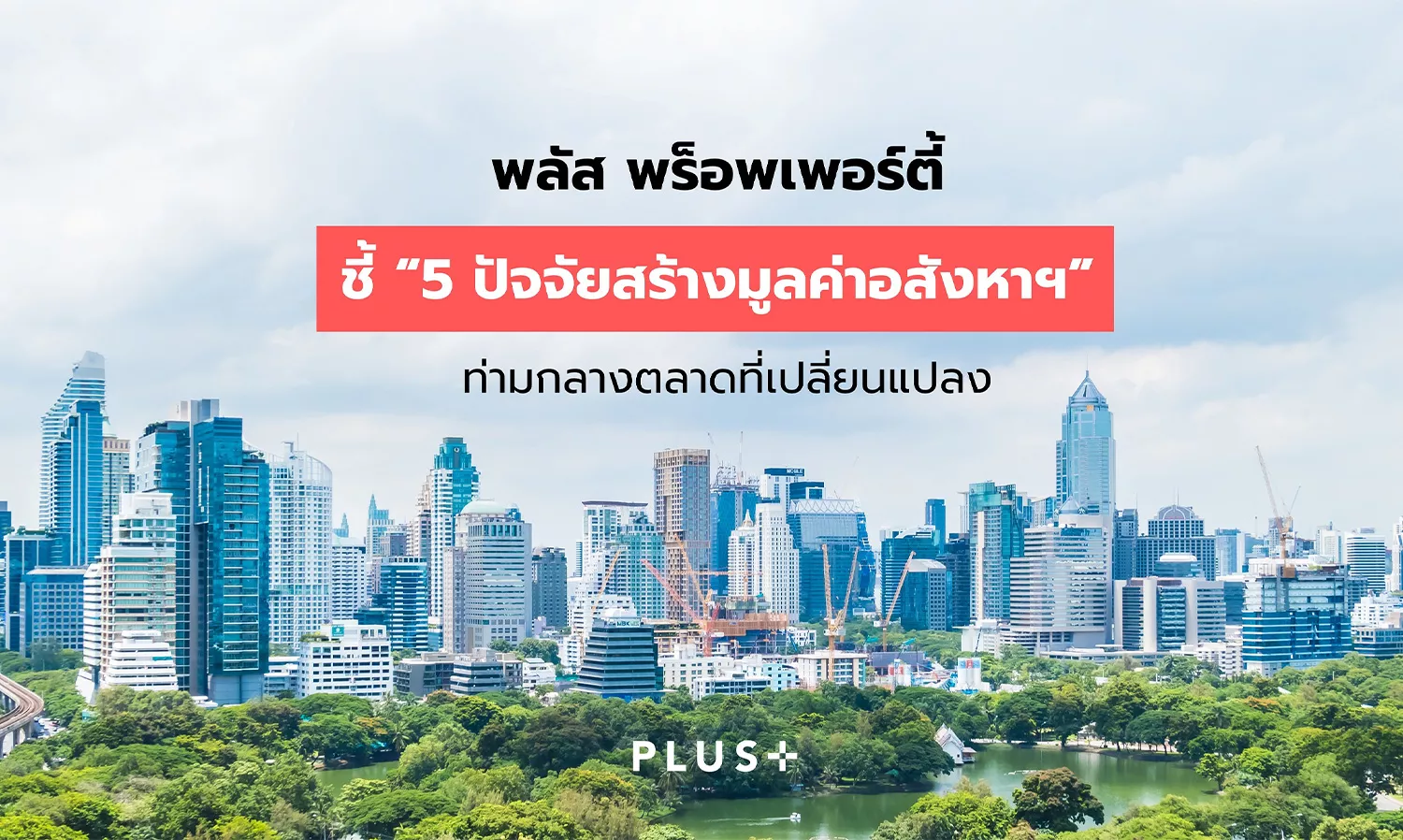
Amid fierce competition in the office rental market, driven by a continuous influx of new buildings, Krungsri Research indicates that investment plans for office buildings are set to increase by 1.4 times from 2024 to 2026 compared to the average of the previous three years.
At the same time, the supply of rental offices is expected to grow by an average of 1.5–2.0% per year, following a significant number of new spaces entering the market in 2024-2025. Approximately 80% of the office space completed and operational in 2025-2026 will be Grade A and A+ buildings, which meet green building standards and are located within large mixed-use projects.
The arrival of numerous high-quality buildings has intensified competition in the rental office market, putting direct pressure on older buildings (those over 15 years old), which must adapt quickly to maintain competitiveness against new players that have advantages in terms of physical attributes, building systems, and capital.
Mr. Pakin Ekkathikom, Director of Building Resource Management at Plus Property Co., Ltd., stated that the renovation of old buildings should be approached comprehensively, covering three main components: building physicality, building systems, and building management.
Starting with the renovation of areas that users will first encounter, such as the building facade, lobby, and improvements to common areas like restrooms, hallways, and elevator lobbies, it is essential to modernize these spaces to ensure they are safe, clean, comfortable, and conducive to productivity.
In terms of building systems, including electrical, air conditioning, elevator, and security systems, regular maintenance is crucial to ensure they are operational and stable, reducing the risk of malfunctions that could impact tenants' business operations. This is particularly important for buildings over 15 years old, where some machinery and equipment may begin to deteriorate and require upgrades to enhance energy efficiency and align with modern building standards, as well as environmental and sustainability considerations that tenants increasingly prioritize.
Building owners may consider integrating new technologies such as AI (Artificial Intelligence) and IoT (Internet of Things) to help manage internal systems and collect data for effective energy forecasting and management, as well as enhancing safety measures like fire alarms and anomaly detection.
Furthermore, building management is another critical factor in enhancing the competitiveness of older buildings. Selecting experienced experts and having a supportive team to advise building owners can assist in project preparation and budgeting. Modern building management goes beyond mere maintenance; it requires a deep understanding of tenant behaviors and needs, from service speed and communication transparency to creating long-term office space experiences and providing appropriate renovation recommendations that meet market demands.
Additionally, Green Office is becoming an increasingly significant segment as it attracts large corporations and international companies that value an organizational image aligned with ESG (Environmental, Social, and Governance) principles, particularly for office buildings certified to international standards such as LEED, WELL Building Standard, and EDGE.
As a result, older buildings that receive expert consultation and preparation for renovations to meet these standards will be more appealing to tenants and significantly enhance their competitiveness in a highly competitive market.
From an investment perspective, neglecting preventive maintenance and opting for repairs only when damage occurs can lead to higher costs in the future compared to systematically planning renovations in terms of physicality, systems, and management, which is more cost-effective in the long run and allows for potential rent increases.
For example, the Chulantip Building in the Silom area, which has been in operation for over 34 years and is managed by Plus Property, has undergone improvements in both landscape and internal systems, such as replacing traditional electrical meters with digital ones, resulting in a meter deposit refund of over 1.5 million baht. Additionally, enhancing the functionality of the space, such as opening retail areas and parking for rent, has generated supplementary income and increased the building's attractiveness to tenants, allowing it to retain existing tenants while attracting new walk-in clients.
Mr. Pakin concluded, "The key to adapting old buildings lies in the owners' perspective on aligning their concepts with market trends, especially in an era where new office buildings in CBD locations and large mixed-use projects, equipped with international standards and green buildings, continuously enter the market. Buildings that can elevate their physicality, systems, and management while embracing new technologies will maintain their competitiveness and create long-term value for their assets."