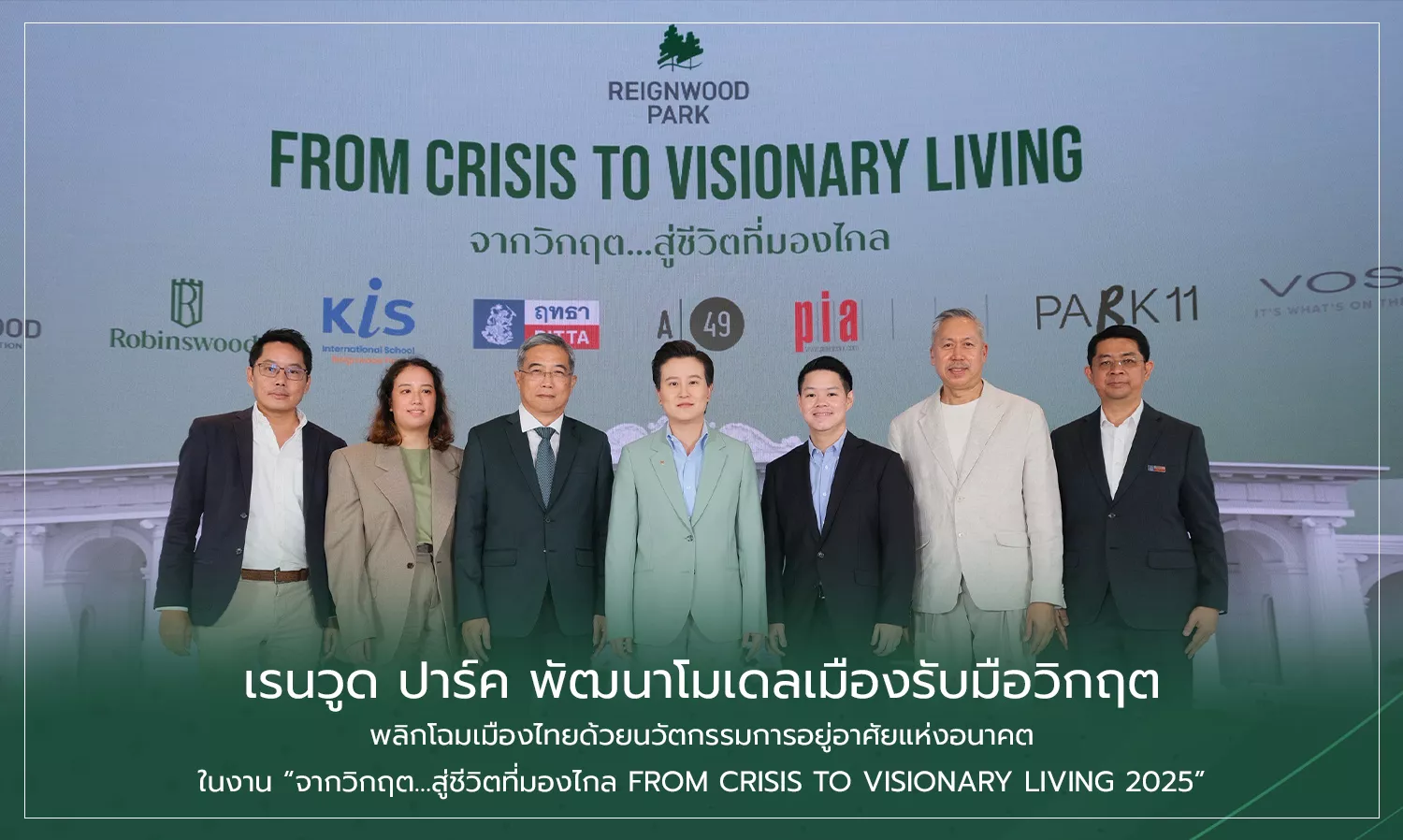
Rainwood Park Develops a City Model to Tackle Crises: Transforming Thailand with Future Living Innovations at the Event 'From Crisis to Visionary Living 2025'
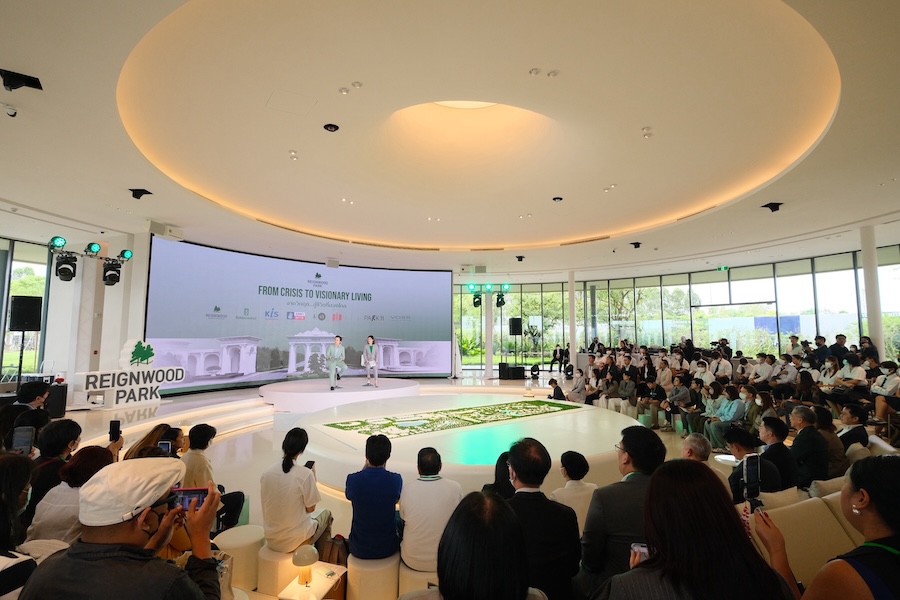
Rainwood Park, Thailand's mega mixed-use project, unveils its vision for creating a model city for sustainable living that accommodates the lifestyles of all generations under the concept of The World Class Community for Multigenerational Living. The city is designed to be resilient against crises, withstanding earthquakes of at least 7 on the Richter scale, robust infrastructure, and enhanced quality of life. In collaboration with partners Ritttha, A49, and PIA, the project hosted a forum titled 'From Crisis to Visionary Living 2025', reflecting Rainwood Park's vision for developing a model city that supports global crisis infrastructure, clean energy systems, water management, and balanced economic and environmental growth.
Ms. Vorapanit Ruayrungreung, CEO of Rainwood Group, stated that Rainwood Park is defined as more than just a home, as its development aims to deliver 'a high quality of life in every dimension, taking care of every detail as if it were our own home.' This is achieved through investments in strong infrastructure completed before the official launch, starting with the project's heart—a large green space, clean energy systems, one-stop after-sales services, and 100% self-managed management systems to ensure residents receive the best quality of life every day. The mission is to design lifestyles that cater to diverse generations, ethnicities, and cultures while giving back to the surrounding community through job creation, enhancing local property values, and opening some areas for public use, recognizing that beyond the structure of homes, we prioritize the quality of neighbors, the environment, and long-term care. Careful selection of residents aims to create a harmonious quality community that can tangibly access a good quality of life.
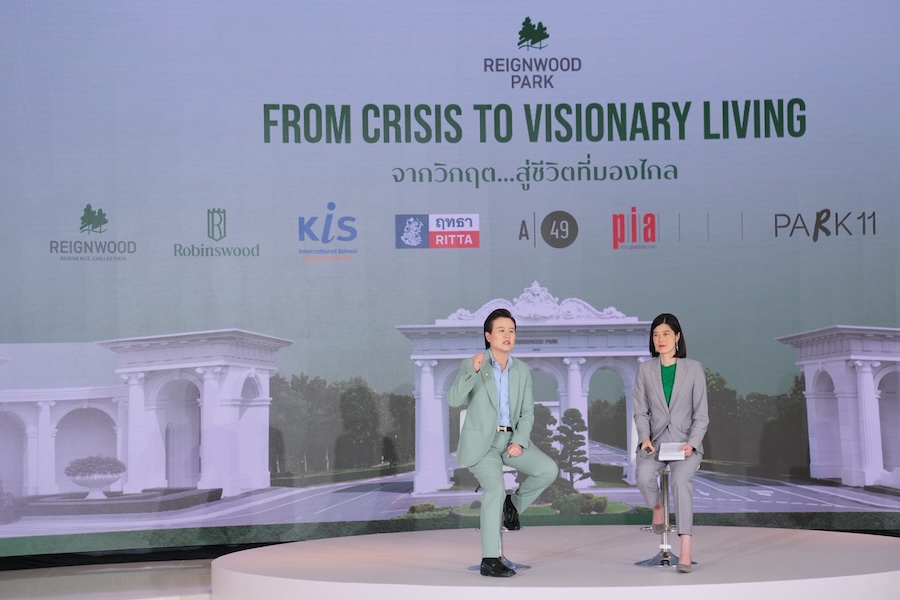
“After the COVID-19 situation, we have learned that people place greater importance on safety, peace, and stability in life than ever before. Therefore, Rainwood Park is designed to be a city ready to face changes, from building structures that can withstand higher than standard seismic forces to hotel-standard services that make daily life smooth and worry-free. Even when the outside world is uncertain, Rainwood Park will always be a place that provides a sense of security and readiness for the future,” Ms. Vorapanit added.
From homes to a lifestyle designed for the future, Rainwood Park emphasizes building a strong foundation to support long-term quality of life, focusing on creating a community that can serve as a central hub for all family members, crafting valuable shared living spaces under the concept of Inclusive Community. This community is designed and developed with consideration for the diversity of people and extends its reach to surrounding communities in terms of employment and future public space openings. “A good home must have the right neighbors to create a good quality of life together. Therefore, Rainwood Park places great importance on 'neighbors' and 'environment', while also increasing opportunities for all groups to access a better quality of life. Today, we can confidently say that Rainwood Park is ready to face every challenge with vision, even in uncertain times, with proactive after-sales service, safety alert systems, and timely communication with residents.”
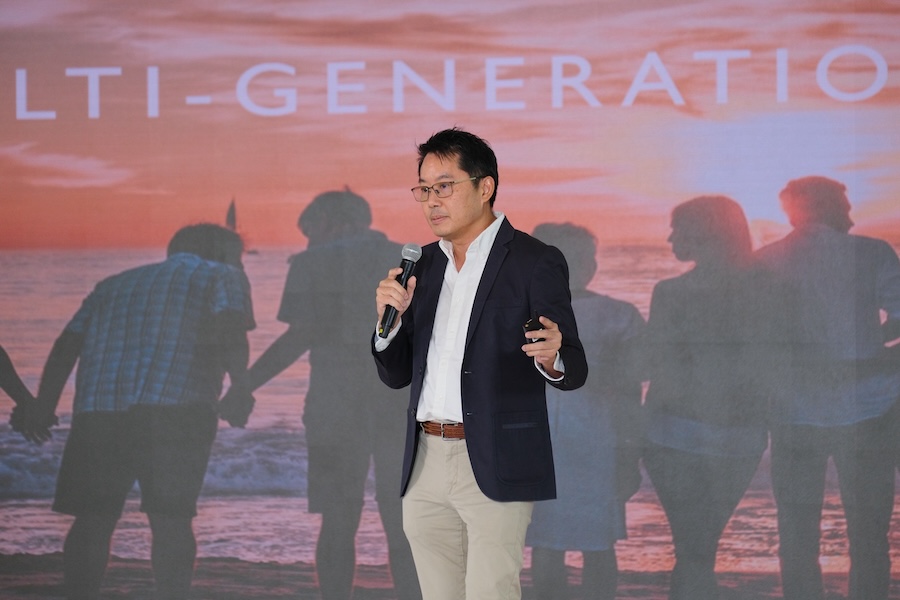
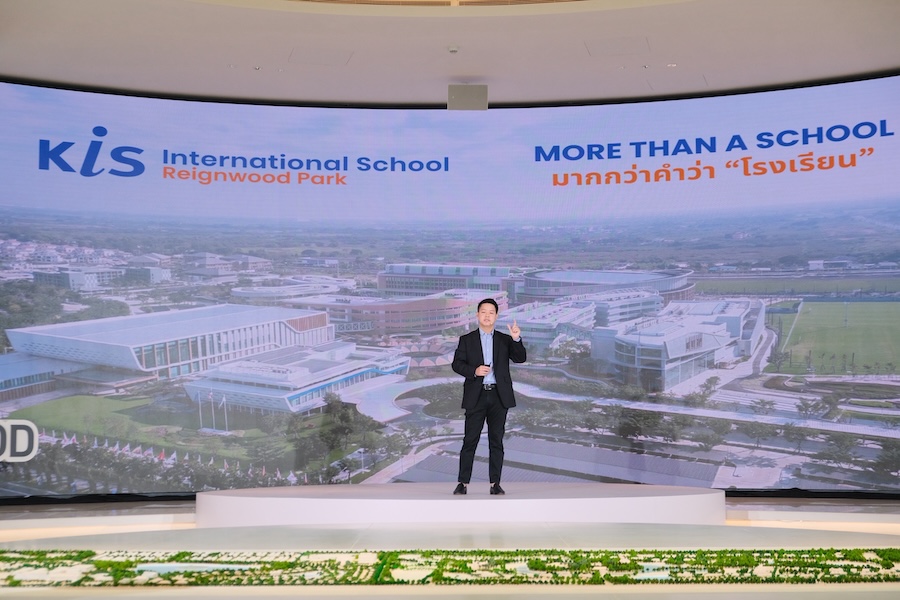
A place to live that does not require traveling abroad, the project is likened to a First-Class Destination that feels like a vacation and happiness every day, without the need for a rushed lifestyle,” Ms. Vorapanit added. Assoc. Prof. Dr. Chotichai Jaroengnam, Project Development Director of Rainwood Park, stated that Rainwood Park began with designing the life systems and infrastructure of future cities by studying factors such as geography, climate, soil, water, wind, and fire to assess risks both currently and in the long term, such as flooding, earthquakes, and air quality, and using this data to design systems ready to cope with future changes.
In terms of engineering, Rainwood Park employs the highest standards in infrastructure systems, including the use of long piles to support areas with soft soil, comprehensive wastewater treatment systems, clean water production systems, large water storage tanks, and a Floating Solar system of over 2 megawatts that can sufficiently power the project in case of unexpected situations. These infrastructure systems enable Rainwood Park to sustain itself in emergencies, functioning like a self-sufficient city.
Furthermore, Rainwood Park looks deeply into the community's recovery from unexpected situations in the long term by dividing the area into different zones, including residential, service, and public zones, so that in the future, people in the surrounding areas can participate, use the space, and benefit together, such as opening running areas, community markets, and promoting local safe agricultural producers to operate within the project area, all under a safety system controlled by technology, including approximately 650 CCTV cameras throughout the project, surveillance drones, and AI data analysis systems.
“What we learned from the recent earthquake confirmed that the design principles we established from the beginning are correct and robust because we used the SDGs standards as the main guideline in creating this project from the start, covering environmental aspects, structural security, quality of life, biodiversity, and resilience. We do not wait for problems to arise before solving them; we have already established systems to accommodate those issues in advance,” Assoc. Prof. Dr. Chotichai discussed the project's potential to handle various risks that may arise.
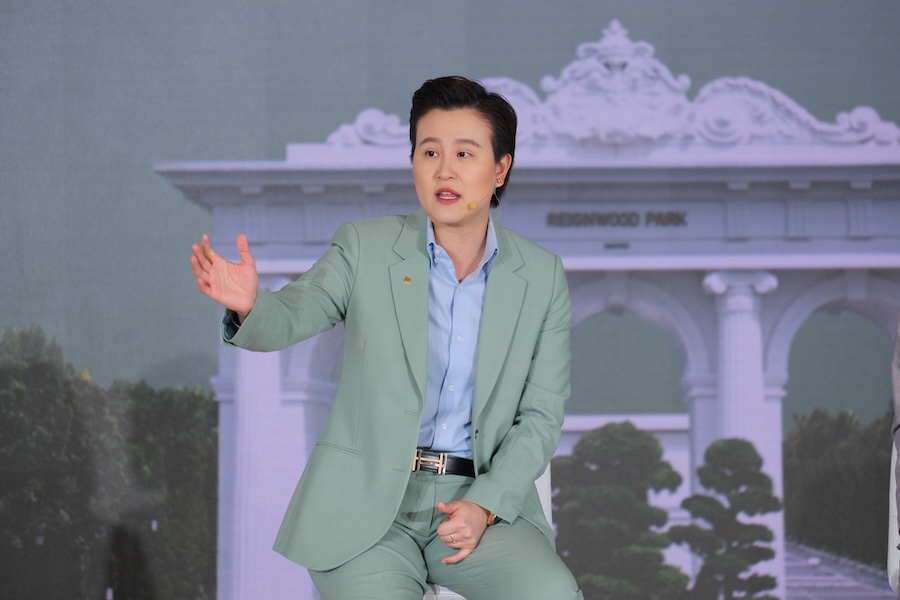
“Rainwood Park also emphasizes the growth of the surrounding community in terms of employment, enhancing the local economy, and assisting communities during disasters, such as providing manpower, pumping systems, or using project resources to support external needs. Importantly, we have collaborated with both domestic and international agencies, including government bodies such as the Electricity Authority, Waterworks, and the Department of Public Works, to enhance service systems in the area, as well as partnerships with global organizations from the UK, China, and Singapore in areas such as golf courses, technology, management, and services, such as Wentworth Golf Club, Four Seasons Hotel London At Tower Bridge, and Reignwood Pine Valley Hotel, which directly impart knowledge to this project to reinforce the quality and meticulousness of Rainwood Park as a world-class community while preserving the charm of Thai gentleness.”
Thus, “Rainwood Park” is being developed into a model city of the future that cares for the environment, community, and quality of life for all generations in a tangible way, with development on over 2,000 rai, reinforcing the vision of future real estate development through a balanced design approach that integrates ESG (Environmental, Social, and Governance) concepts, covering everything from environmental management, residents' living conditions, to creating benefits for surrounding communities.
The project is designed to have green spaces covering up to 700 rai, or 35% of the total area, with over 10,000 large trees that help improve air quality, enhance greenery, and restore ecosystems to increase biodiversity, such as being a habitat for various bird species. Meanwhile, large water sources such as “Heart Lake”, covering over 57 rai, and the wetlands surrounding the golf course of another 89 rai, have been designed with efficient water circulation systems within the project, ensuring no wastewater is released externally, along with the installation of 28 aerators to maintain water quality for sustainable reuse, while also aiming to reduce fossil fuel energy consumption by installing a Solar Floating system in the heart-shaped pond, capable of producing up to 2 megawatts of electricity, supplemented by 16 solar cell points throughout the area that can generate approximately 400 kilowatts, including two electric vehicle charging stations (totaling 6 charging points), supporting an environmentally friendly lifestyle. In 2025 (from January to May), the project can reduce electricity costs by over 5 million baht compared to the same period last year.
In terms of quality of life, Rainwood Park has allocated spaces to promote the health of residents comprehensively, including running and cycling paths totaling over 10 kilometers, fitness rooms, playgrounds, and bicycles for rent, designed to be truly shared living spaces for all ages, along with advanced security systems using 13 security drones, as well as lightning discharge systems and early warning systems in the golf area to ensure residents' confidence in every situation.
Another important dimension of Rainwood Park is giving back to the community and environment by providing opportunities for employees and residents to participate in waste reduction through the “Bottle for Egg” project, which recycled over 1 ton of plastic bottles and cans in one year, along with starting a composting project from leaves to reduce chemical fertilizer use, enhancing food security through self-sufficient agricultural activities, including growing vegetables and raising egg-laying hens, as well as supporting the government and surrounding communities, such as donating 4 rai of land for the establishment of a 100-megawatt substation for the Provincial Electricity Authority, which helps enhance the stability of electricity supply in the area and supporting flood relief equipment during the rainy season. Thus, Rainwood Park is not just a residential project but a creation of a balanced ecosystem of life between humans, nature, and community for a truly sustainable future in every dimension.
Considering the strategic development plan for Pathum Thani Province 2023-2027, which sets the direction for the province's growth as a center for quality economic and residential development, emphasizing the development of infrastructure that supports urban expansion efficiently in terms of transportation systems, public utilities, green spaces, and sustainable water management, while promoting quality of life, safety, and well-being for people of all ages, especially in the Lam Luk Ka area, which is one of the province's key strategic points with high potential for new urban development amidst nature and progress.
Under this strategic framework, Pathum Thani Province aims to create balanced growth in both the economy and environment, alongside giving local communities a role in planning and managing areas collaboratively, which helps open opportunities for quality urban development projects like Rainwood Park to proceed in alignment with the province's development direction, while connecting infrastructure and public services for long-term benefits to the community.