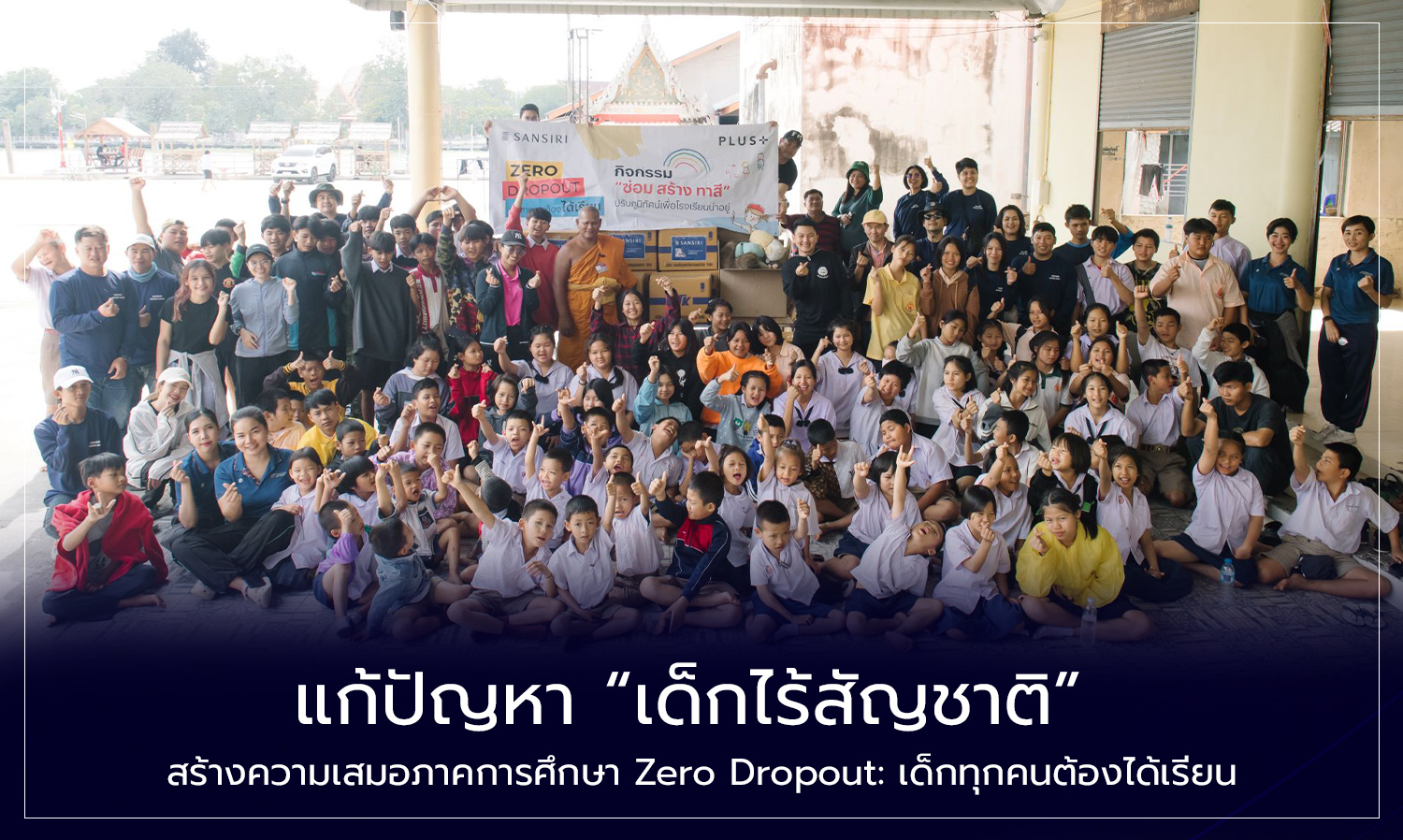
Solving the Stateless Children Problem: Ensuring Educational Equality - Zero Dropout: Every Child Must Learn
Education is considered the foundation for developing "human capital," which is a crucial resource for driving the country forward. However, there has been a significant issue with many Thai children and youth dropping out of the education system due to various factors. One of these is the "statelessness" of children from minority and ethnic groups born in Thailand, which poses an obstacle that reflects educational inequality. Without Thai nationality, they cannot access educational welfare, such as student loans or higher education opportunities. This issue results in a substantial loss of human resources that could benefit the country's development in the future.
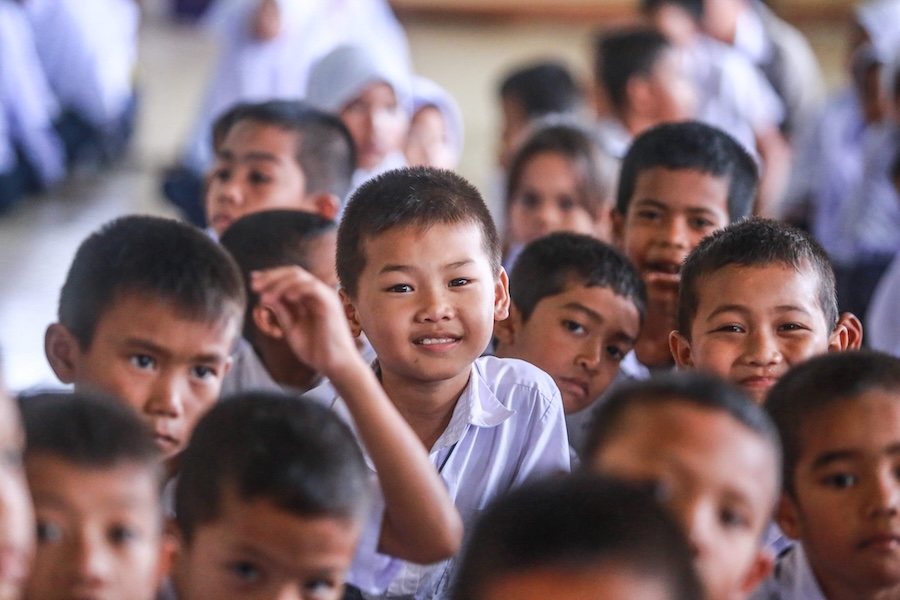
Nevertheless, hope emerged to resolve this issue when, on October 29, 2024, the Cabinet approved guidelines to expedite the resolution of nationality and status issues for long-term migrants in Thailand and for children born in Thailand (19 minority/ethnic groups) awaiting status determination, totaling 483,626 individuals, to receive legal immigrant status (permanent residency) or Thai nationality swiftly.
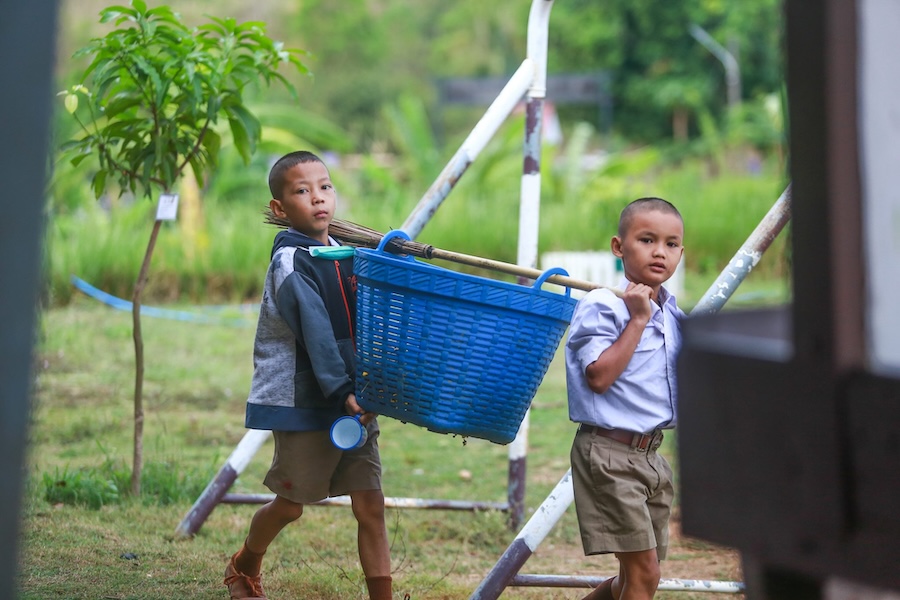
The processing time for legal immigrant status applications for minorities has been reduced from 270 days to 5 days, and the time for Thai nationality applications for children born to foreign parents in Thailand has been reduced from 180 days to 5 days.
“Kittinai Bawornchanakul,” an advisor to the youth leader group Suphanimit and a volunteer at the National Health Security Office (NHSO) in Thong Pha Phum and Sangkhla Buri districts of Kanchanaburi province, reflected that if the Cabinet's resolution is effectively implemented in the area, it will be a “unlocking” of educational barriers for many stateless children born in Thailand, particularly in Kanchanaburi, which borders Myanmar. This has led to an influx of various ethnic minorities from Myanmar, such as Shan, Karen, Mon, Tavoy, Khmu, and Hmong.
In the past, these foreign individuals faced challenges in applying for Thai nationality for their children born in Thailand due to a lack of knowledge about accessing government information, not giving birth in hospitals, which resulted in a lack of birth registration documents, and poverty preventing them from taking action. Additionally, many cases took a long time to process nationality applications.
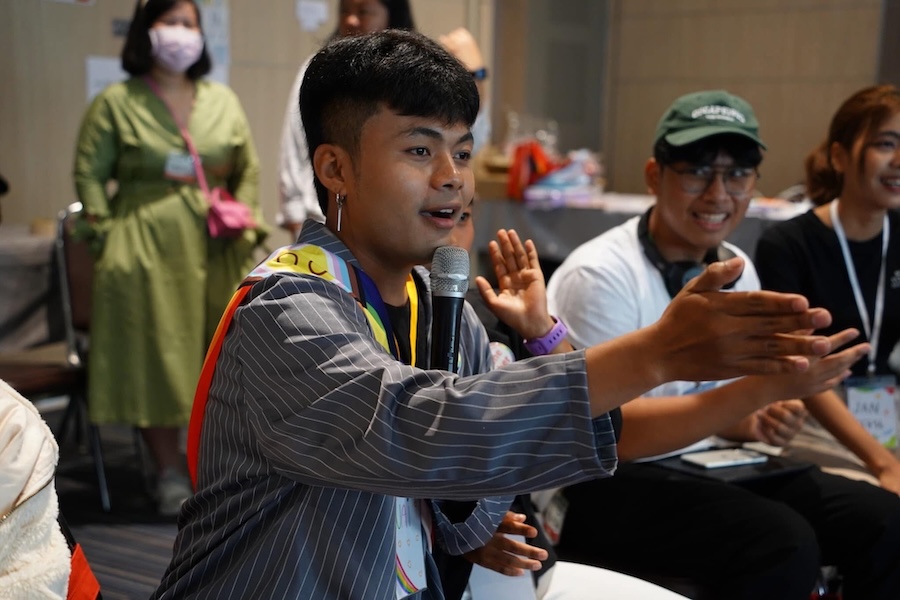
“In Thong Pha Phum district, more than 60% of the population belongs to ethnic minorities, which is greater than the Thai population. Therefore, there are many stateless children born in Thailand. In the past, when applying for Thai nationality was difficult, many waited 2-3 years, resulting in children and youth being stateless and lacking access to education. Coupled with poverty, I am one of those children whose parents are from the Tavoy ethnic group, so I understand this problem well. Although the area allows stateless children to study up to high school and continue to university within the province, they still cannot attend universities outside the area. Furthermore, lacking Thai nationality poses challenges in job applications, especially for government positions that require Thai nationality.”
The advisor to the youth leader group Suphanimit also stated that when these ethnic minority children are forced to “drop out of the education system,” it leads to subsequent social problems, particularly drug trafficking and abuse, teenage pregnancies, and theft. Therefore, obtaining Thai nationality will enable these ethnic minority children and youth to receive education and welfare to create educational equality, which is a solution to the country's social issues.
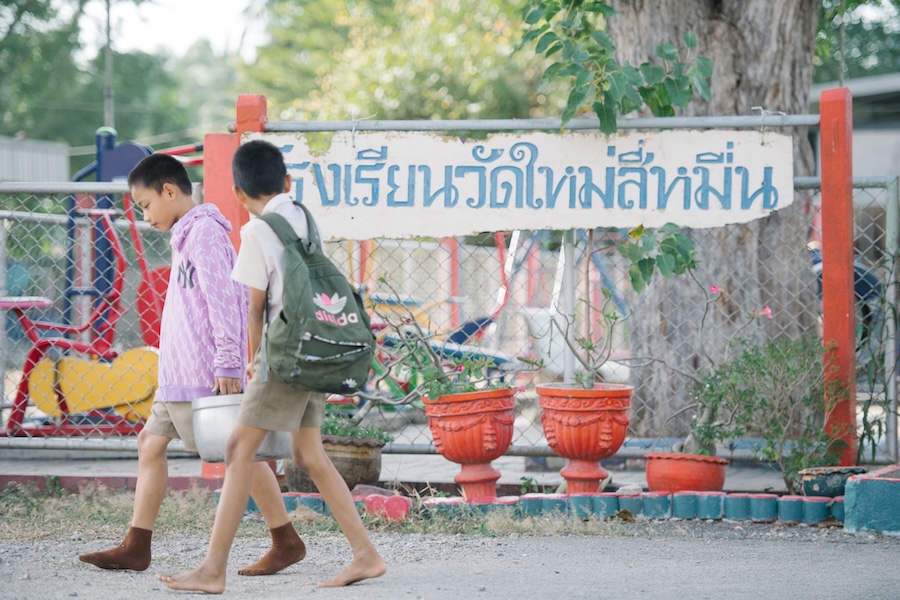
In the past, Sansiri Public Company Limited, a leading real estate developer in Thailand, has prioritized creating equality in all dimensions. One of these is promoting educational equality through the "Zero Dropout: Every Child Must Learn" project, which has been underway since 2022, starting in Ratchaburi province, aiming to be a "model" for educational transformation mechanisms to be expanded to other provinces. The goal is to assist children who have dropped out of education due to various issues, including statelessness, to return to school. Sansiri has supported funding of 100 million baht through financial innovations by issuing bonds for educational investment, becoming the first private sector entity to do so, and also promoting a flexible education model of "1 school, 3 formats," which includes formal, non-formal, and informal education to provide educational alternatives for children and youth to address the dropout issue.
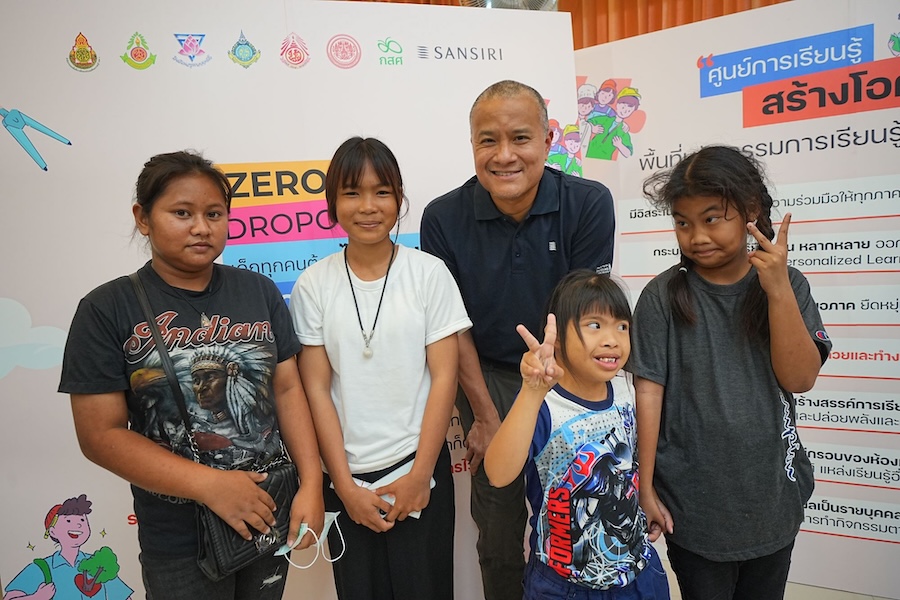
The Cabinet's approval of the expedited guidelines for resolving nationality and status issues for long-term migrants in Thailand and for children born in Thailand, along with the enforcement of the Ethnic Nationality Act, will positively impact the promotion of the "Zero Dropout: Every Child Must Learn" project, allowing for self-managed and flexible curriculum delivery with 1 school, 3 formats. This opens opportunities to design educational curricula by integrating local knowledge and core curricula by local people, which will help tailor learning content to fit the lifestyles of ethnic groups appropriately and ensure that local wisdom is not devalued or lost. Importantly, this also addresses social issues and creates capable personnel as a vital force for the country's development.