National Housing Authority Aims to Create Housing for the Aging Society
Mr. Thaveepong Vichaidit, Governor of the National Housing Authority, stated that Mr. Warawut Silpa-archa, Minister of Social Development and Human Security, has assigned the National Housing Authority to develop future housing with a focus on Universal Design principles, which aim to make housing accessible to everyone, regardless of gender, age, or physical condition. This initiative is particularly aimed at accommodating the aging population. According to data from the Department of Provincial Administration, Ministry of Interior, as of September 2024, Thailand has 13,444,127 elderly individuals aged 60 and above, accounting for 20.69% of the total population, with a continuous upward trend. This will lead Thailand to become a fully aged society similar to Japan within the next decade. Therefore, inclusive design should be a standard for housing development, ensuring that everyone can live their daily lives equally.

The statistics on the elderly have prompted the National Housing Authority to reassess its housing policies, increasing the proportion of housing designed for the elderly from the current 10% of total units to 20% by next year, with plans to eventually reach 100% to accommodate the growing elderly population. Additionally, the focus will be on developing housing alongside improving quality of life through the Smart and Sustainable Community (SSC) initiative, which encompasses four dimensions: economic, participatory, health, and environmental. This will also provide opportunities for those transitioning into the elderly community to purchase housing from the National Housing Authority.
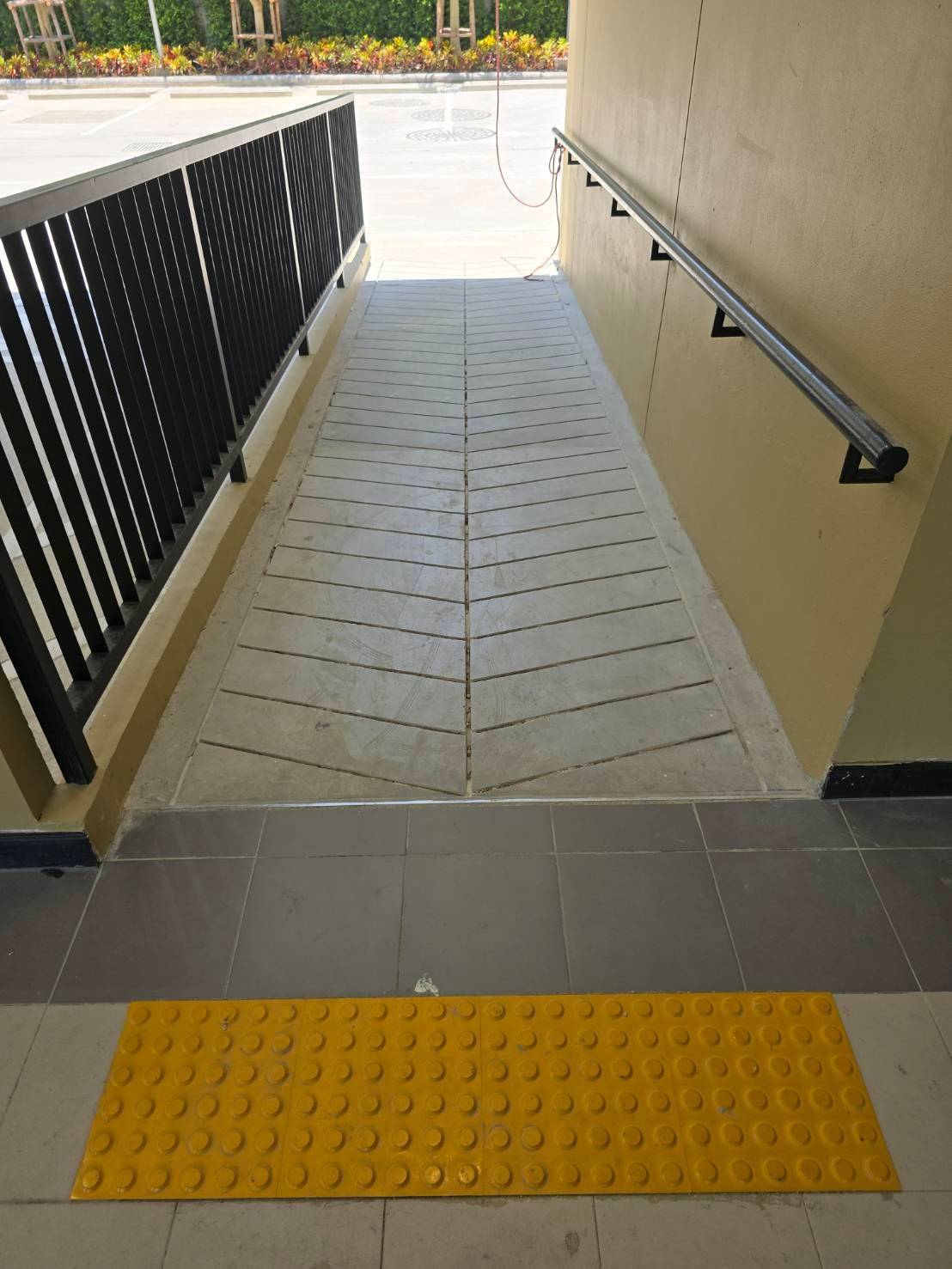
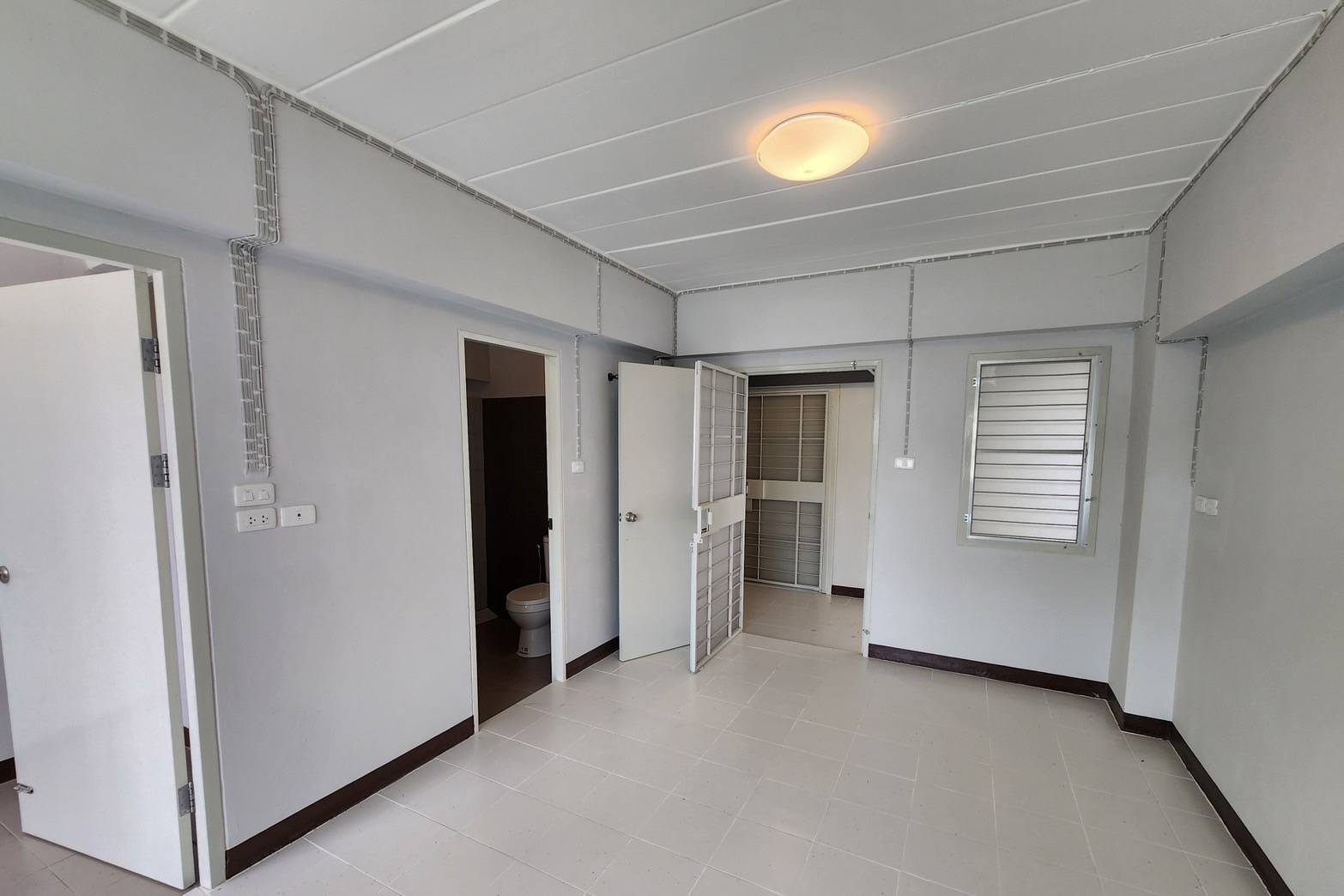
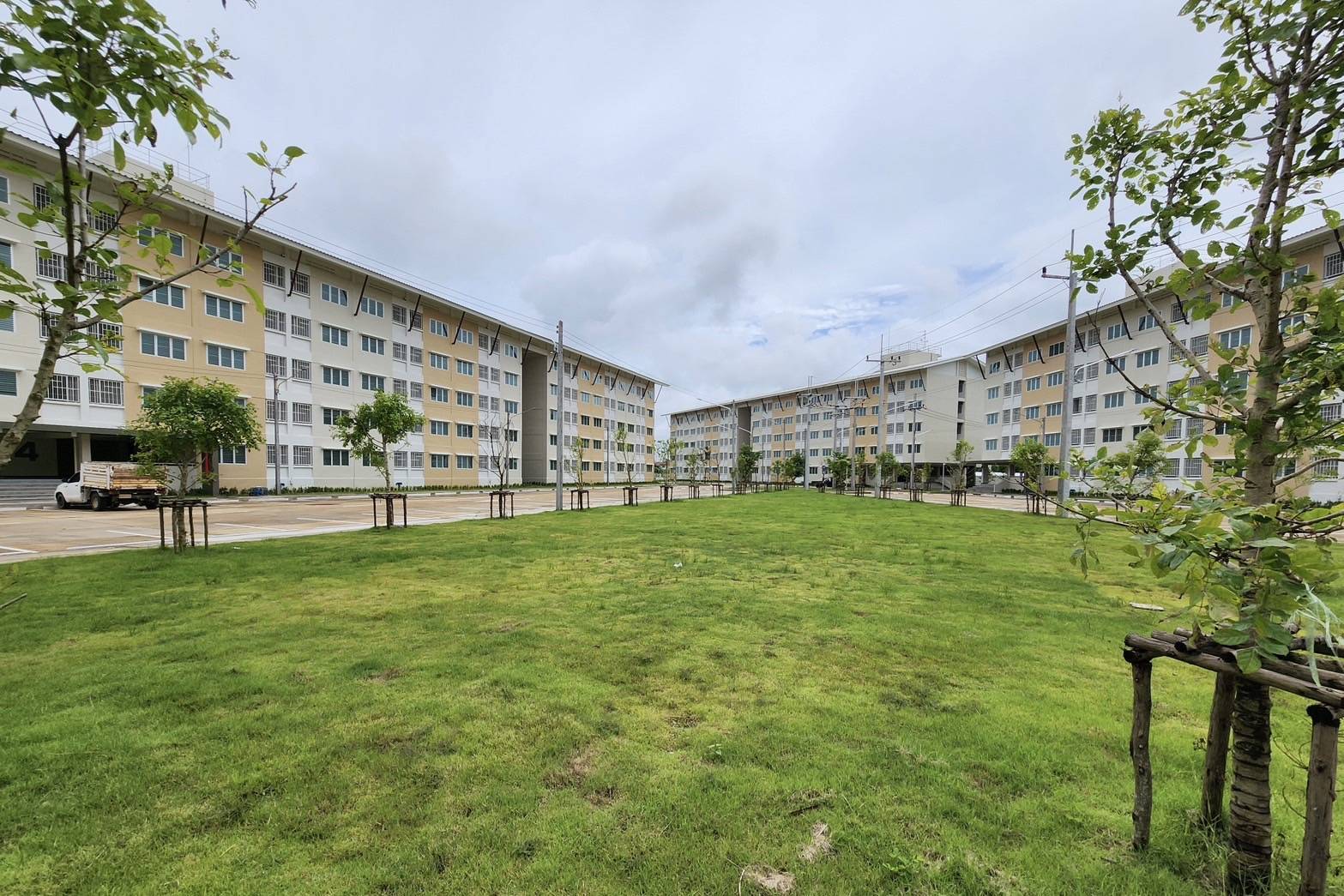
Mr. Thaveepong emphasized that the National Housing Authority is adopting Universal Design principles as the core of housing design to ensure equality for all genders, ages, and physical conditions, aiming to reduce social disparities and provide housing for all. Facilities such as bathrooms with grab bars, shower seats, ramps, connecting paths, sliding doors, and elevators will be provided to accommodate the elderly, along with recreational areas, green spaces, and communal areas. This design will cover both housing and the community environment, ensuring equal access to all areas within the community, with flexibility for all types of individuals. The design will also ensure that the usage of various components is clear and that symbols are easy to understand and comply with international standards.