Green Festival
The end of the year is often a refreshing and joyful time, as it not only brings long holidays but also fills every area with beautiful lights from festival celebrations. Various attractions such as music performances, art displays, product exhibitions, and interactive activities encourage high participation. Festivals are typically organized to promote culture and traditions, with the expectation of positive economic impacts, as tourism activities lead to sales of goods and services and create temporary jobs for the community. However, the aftermath of festivals often involves pollution from vehicles and waste left behind. Images of abandoned tents, food waste, empty cans, and plastic bottles scattered across the area are commonly seen every year. Nevertheless, the amount of waste generated is not as concerning as how to manage that waste.
Wouldn't it be better?
If waste management is planned from the beginning to the end of the event, it should be a collaborative effort among the organizers, vendors, and attendees.
How to plan a green festival
Event Location
If the event location has not yet been determined, it should be chosen based on accessibility to various public transport options, such as buses, BTS, or MRT. If the location is already set, arrangements should be made for electric or biodiesel vehicles to transport attendees from the nearest public transport points, encouraging people to choose energy-efficient travel methods. Additionally, information should be provided on how attendees can use public transport, including maps and routes.
Materials for Booths and Exhibitions
Exhibition areas typically use modular steel structures that can be disassembled and reused. However, decorations for displays and booths often consist of temporary materials that become waste after the event. Therefore, organizers should implement policies to use reusable or recyclable materials, along with clear plans for disposing of those materials, and encourage the use of local materials to reduce carbon emissions from long-distance transportation.
Energy Use
If the event is outdoors, it is advisable to avoid single-use batteries or diesel generators, as they produce toxic smoke and noise pollution. Solar energy can be utilized for lighting and technical equipment, or activities like cycling to music can be introduced to generate kinetic energy for charging mobile phones.
If the event is indoors, the use of electricity and air conditioning is unavoidable, but energy consumption can be reduced by optimizing cooling settings, using energy-efficient light bulbs, and maximizing natural light wherever possible. All non-emergency lights in vacant areas should be turned off.
Registration
Reduce the size of paper registration forms or use electronic registration methods. Instead of distributing pamphlets, QR codes can be used for information sharing. If bags or gifts are given, they should be biodegradable or recyclable, and vendors should be encouraged to promote their products in environmentally friendly ways.
Food and Beverage Services
Incentives should be established to support environmentally compliant products and services, such as discounts on food booth fees or awards to encourage vendors to use more sustainable products, like local, organic food and seasonal fruits and vegetables. Whenever possible, domestic beverage brands should be promoted.
Encourage the use of reusable plates, bowls, bottles, and cups by providing free water refill stations. Biodegradable cups should be preferred over recycled plastic, and facilities should be provided for vendors to separate food waste for composting, or compost bins should be set up in visible areas for both sellers and consumers.
Waste Management
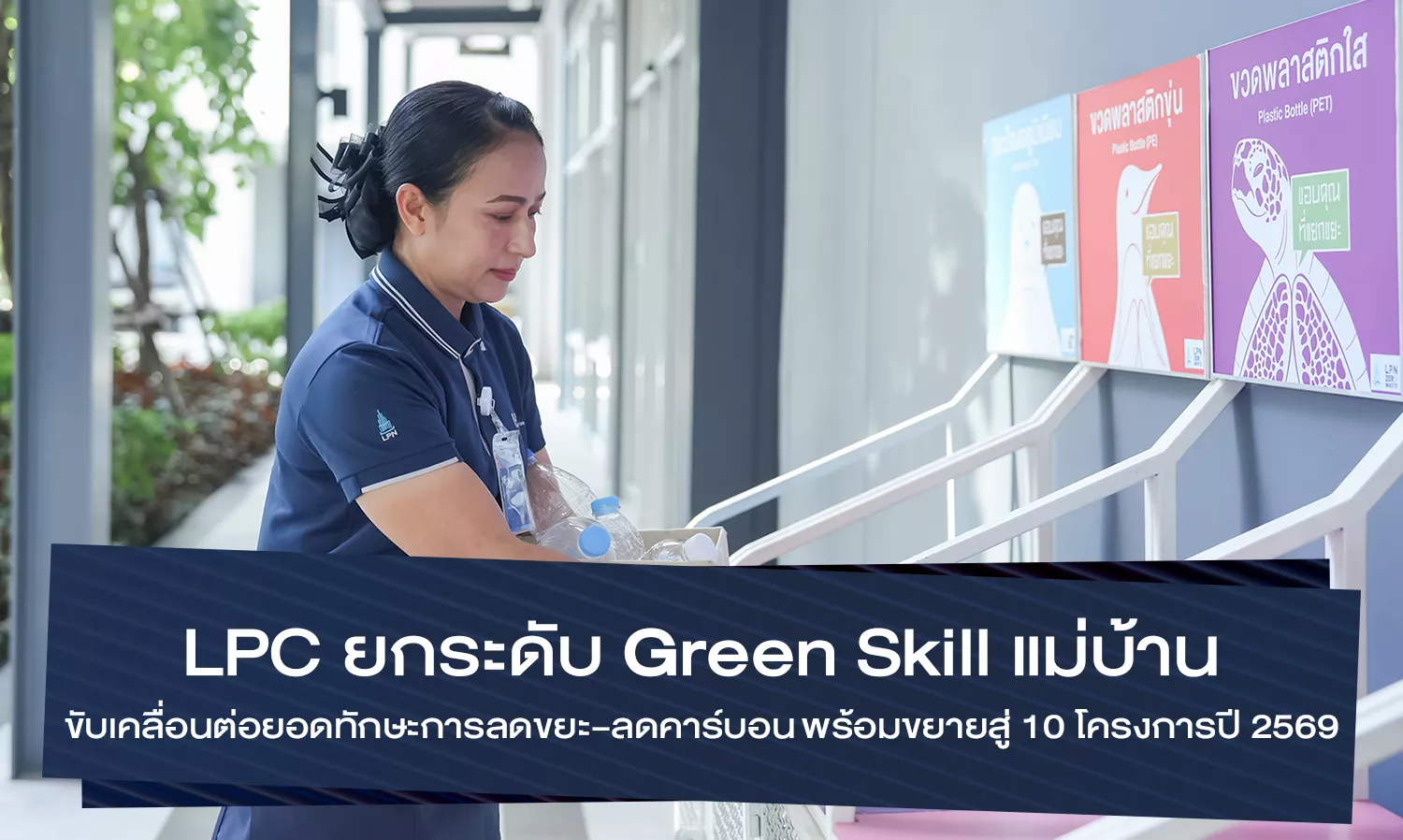
Effective waste management comes from proper waste separation. In addition to providing sufficient waste separation bins, staff or volunteers should be stationed at each point to assist with waste sorting, as many people still lack knowledge in this area. There should be at least three types of waste bins: organic waste (food scraps), recyclable waste, and general waste (non-recyclable materials). Some events may require an additional bin for hazardous waste.
Four Types of Waste Separation
An example of waste separation at the 2022 Red Cross Fair involved staff assisting at every point. A major issue in current waste management is the contamination of food scraps with other types of waste, especially recyclables. Therefore, involving attendees in the waste reduction process promotes environmental awareness that can be applied in daily life.
An example of a successful Green Festival is the Thailand Coffee Fest, an annual event organized by The Cloud in collaboration with the Specialty Coffee Association of Thailand (SCATH) to promote and support coffee. In 2024, it will be in its ninth year, running for four consecutive days with approximately 20,000+ attendees per day and over 200+ vendors. This year, the organizing team aims to create a Carbon Neutral Event, where the greenhouse gas emissions from the event are calculated to be zero. This involves calculating carbon credits for every energy use and recording attendees' travel methods from the registration stage to compute carbon credit purchases for compensation. This year, a dashboard will be installed to display real-time greenhouse gas emissions during the event, linking the data to the information provided by attendees, allowing them to see the carbon footprint generated by personal vehicle travel and how the waste generated will be disposed of in the most environmentally friendly manner.
The design, layout, and aesthetics of the event were developed based on a survey sent to farmers regarding the structures and design elements that could be reused after the event. This approach ensures that the design for Thailand Coffee Fest 2024 will use materials that can be distributed to farmers for future use, such as muslin cloth and water pipes, promoting a Zero Waste concept from the outset.
For instance, in 2022, display decorations were made using chalkboards on stands, which could be distributed to coffee shops or restaurants after the event. In 2023, PVC mesh was used as decoration, which can be given to coffee farmers for further processing.
Additionally, in the food zone of the event, waste disposal points will be scattered around the area, with teams available to assist with waste separation and efficient disposal.
See you again next month!
By Mr. Prabhan Sak Rukchaiwan
Managing Director
LWIS Wisdom and Solutions Co., Ltd.