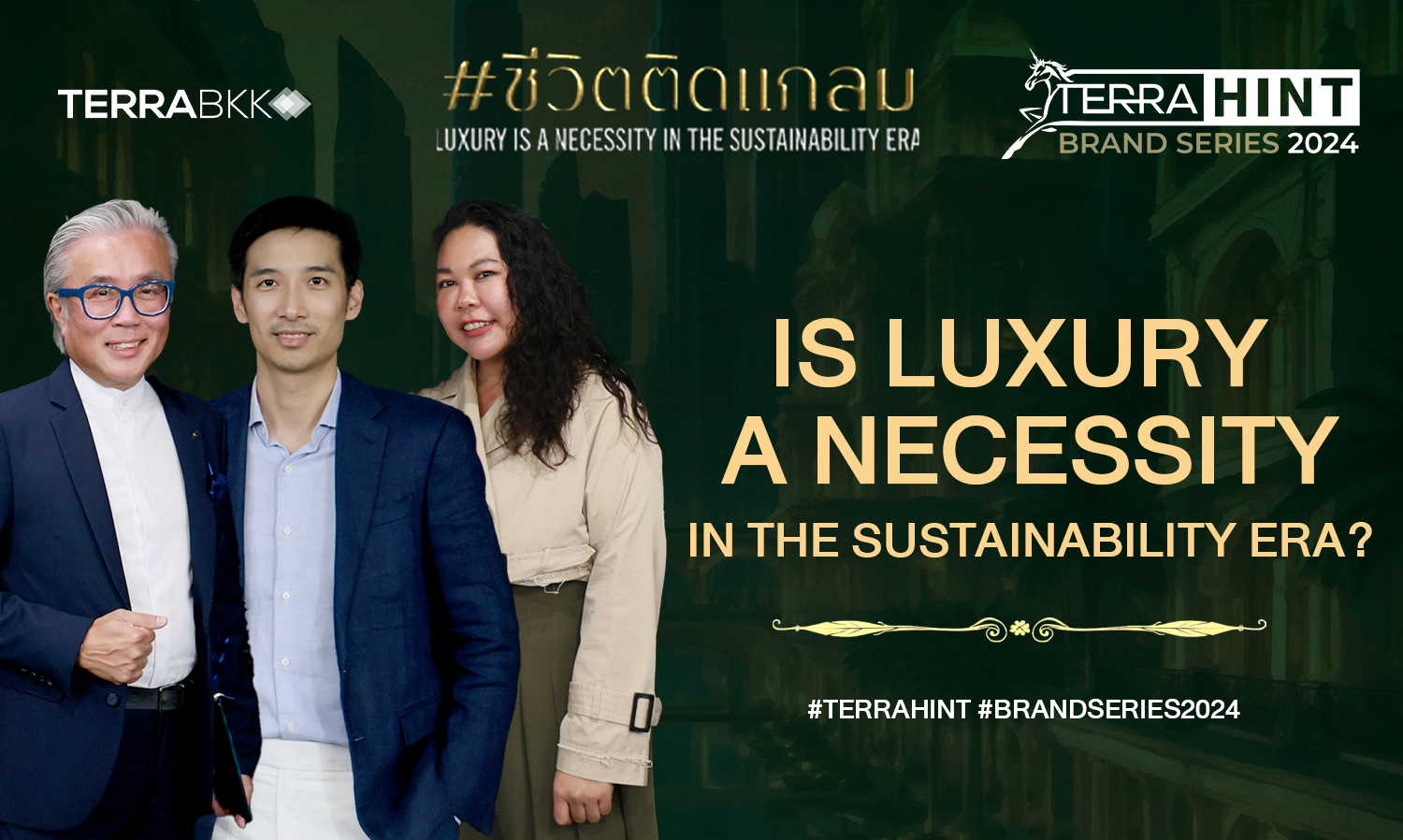
A New World of Luxury in the Dimension of Sustainability Through 3 Experience Creators from 3 Industries
When it comes to "luxury" and "sustainability," most people might see them as incompatible concepts. Many associate luxury with extravagance. But believe it or not, these two ideas are converging, as the definition of luxury is changing.
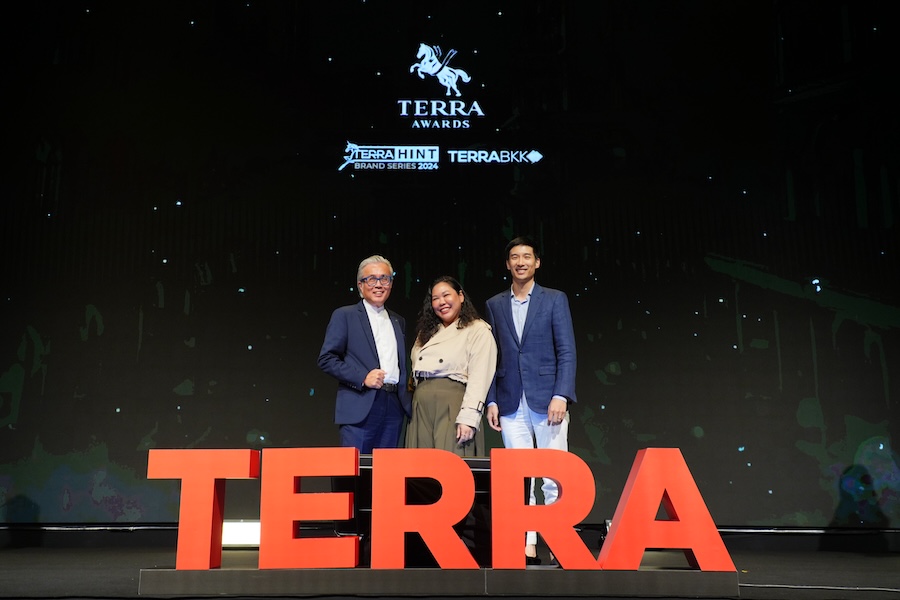
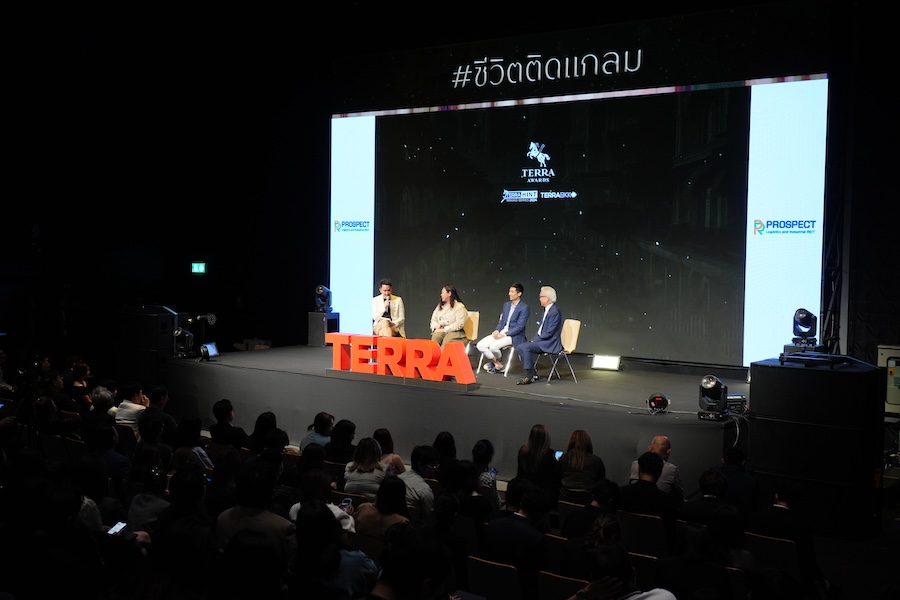
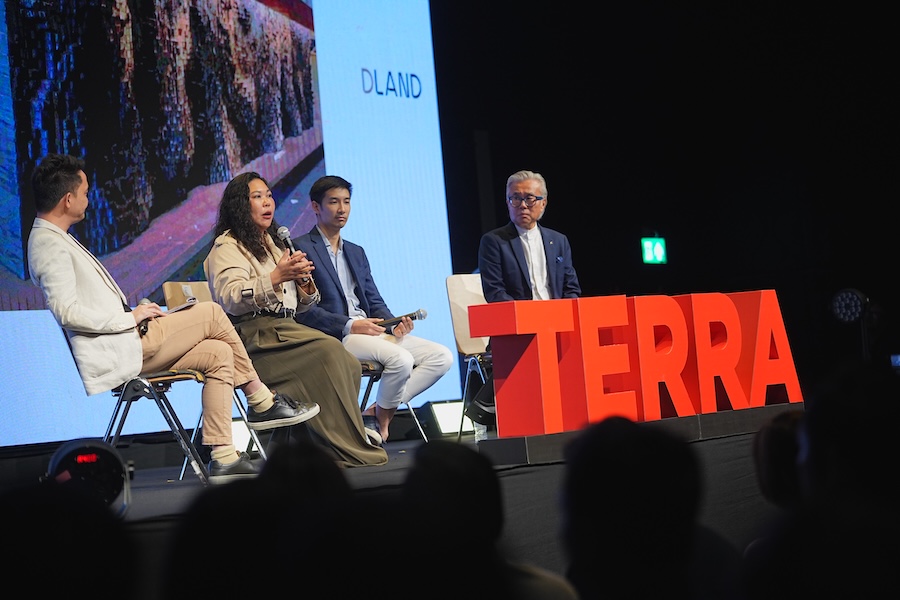
This thought-provoking issue was addressed at the TERRAHINT Brand Series 2024 seminar, now in its 7th year, held under the concept "Luxury is a necessity in the sustainability era. #LifeInGlam". The event aimed to explore brand development strategies towards luxury that meet the demands of the sustainability era, featuring a panel discussion titled "Is Luxury A Necessity In The Sustainability Era?" with three experts from three different fields sharing their knowledge and experiences in creating luxury brands within the context of sustainability:
- Mr. Ji Hung Tan, Manager of Sindhorn Kempinski Hotel Bangkok
- Ms. Napha Nis Isarangkun Na Ayutthaya, Executive of Creative Experience and Project Strategy at Siam Piwat
- Mr. Jatuporn Wongthong, Founder of Artslonga, an artist creating spaces through art as an Art Consultant for hotels, department stores, and leading companies
The event was moderated by Mr. Napapat Jakkatanon, Executive Editor of Today News.
The Value of Luxury is Changing with the Times
It must be acknowledged that today's definition of luxury has become more personal, varying from person to person. The three experts, who are deeply involved in creating high-end experiences for customers, provided interesting insights.
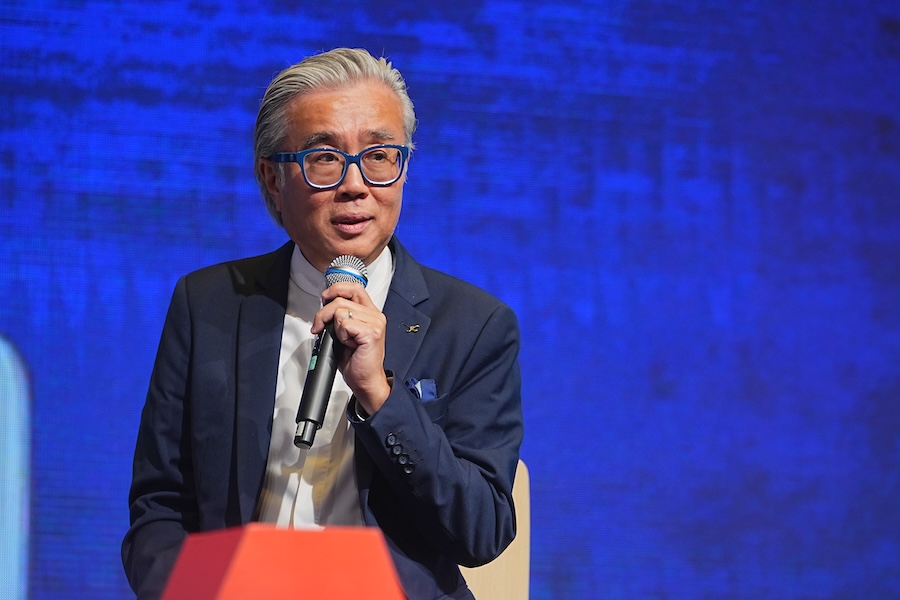
Ji Hung Tan: The definition of luxury has changed from being something to show off to something that brings us comfort. Luxury is now about customization and personal satisfaction, which varies over time.
"For instance, having time for oneself is now a luxury in life. It doesn't mean you need to own an expensive watch. Personally, luxury for me is enjoying fried rice or dining at a Michelin-starred restaurant; it doesn't have to cost thousands. A simple dish like crab omelet from a local eatery can also be considered luxury. Therefore, we can all live luxuriously depending on how we define it."
Napha Nis: People might think luxury refers to products, but it can also mean lifestyle or experiences. The definition has evolved. Nowadays, luxury brands are increasingly focusing on sustainability, such as using materials with longer life cycles and more natural origins to reduce waste.
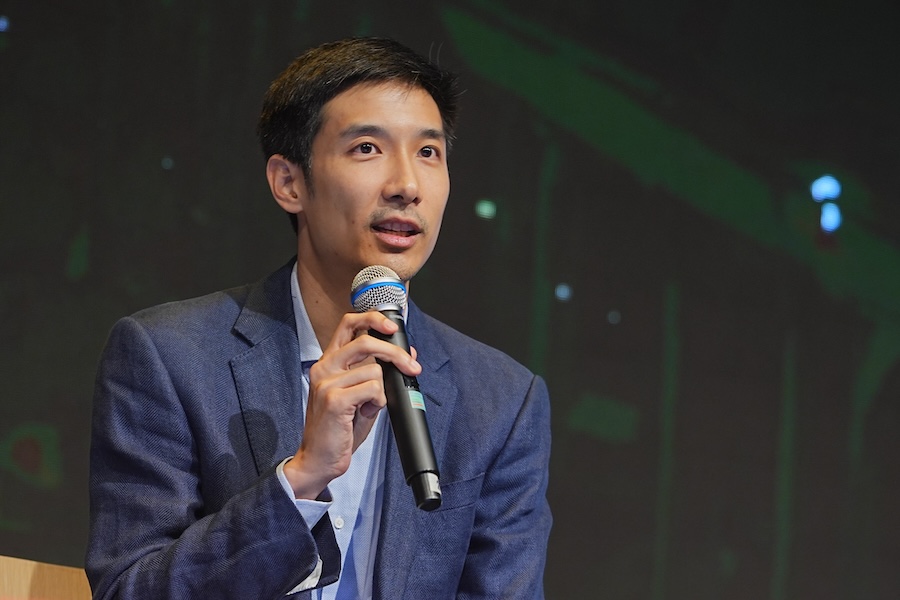
"I believe true luxury is about brand positioning. For example, the unique elements at Iconsiam are not found in other shopping centers because they emphasize the brand story of Iconsiam, which is 'The Best of Thailand Meets The Best of The World.' It aims to showcase the best of Thailand while adapting to modern times to make it more appealing. This is the essence of luxury at Iconsiam."
Jatuporn: As an artist supporting hotels and various shopping centers, we see luxury as experiencing something new. People want to engage with it. Thus, luxury is important but must also be flexible.
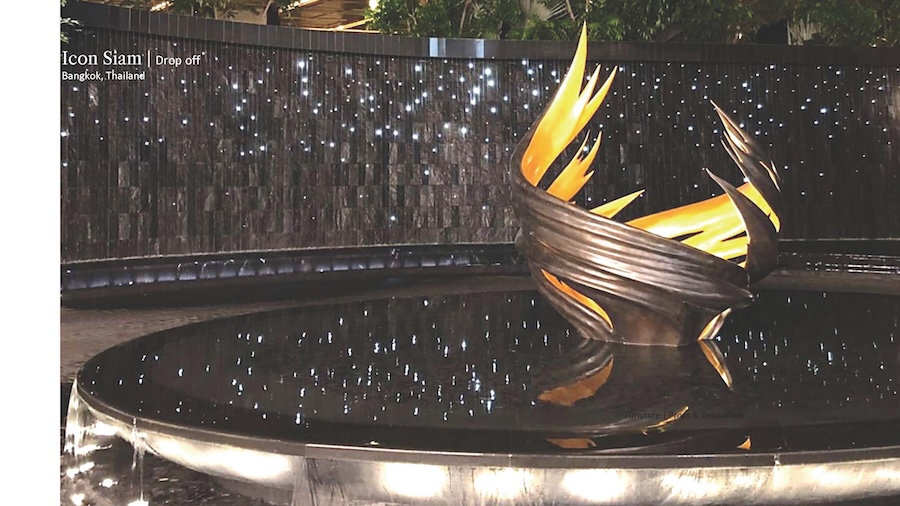
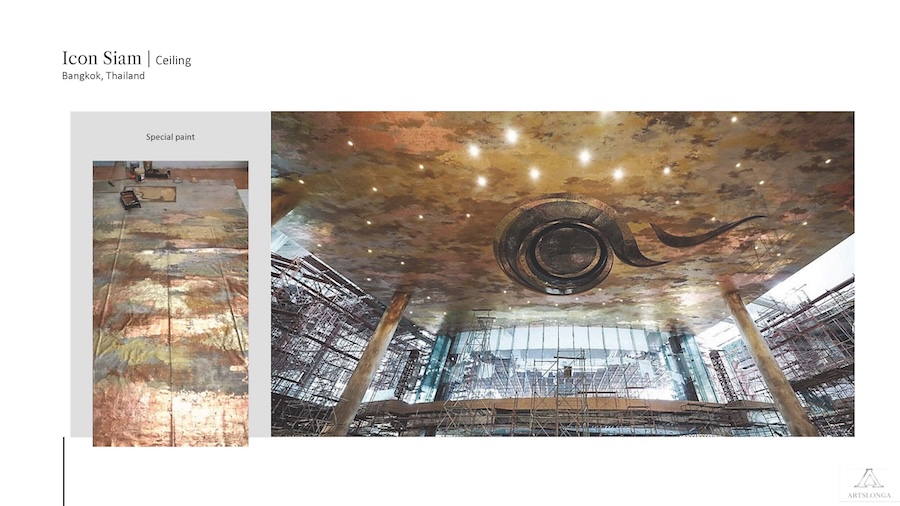
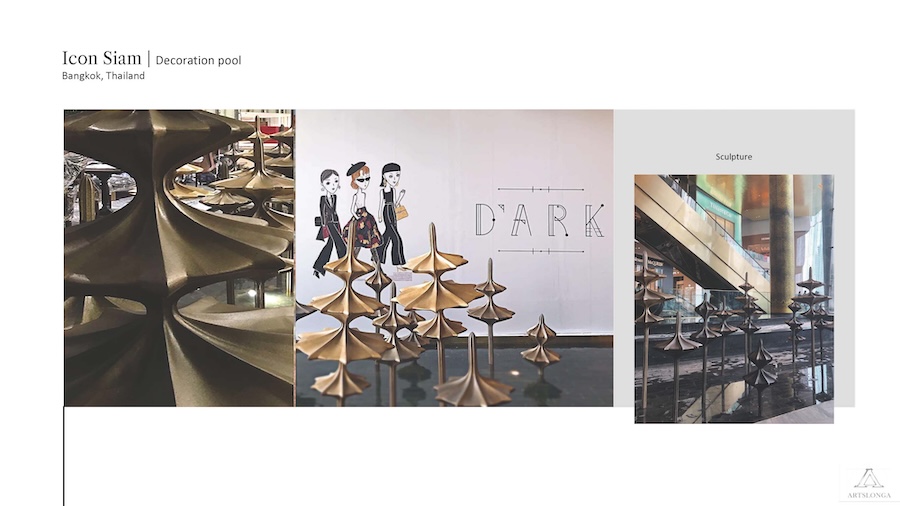
"Flexibility here means incorporating art to enhance spaces, which can come in the form of texture or art installations. As an artist, I may choose techniques, processes, or materials of higher quality while still enjoying the creative process and producing art that embodies luxury."
Jatuporn provided an example of his collaboration with Siam Piwat, where he created spaces using art to provide new experiences and perspectives, making them feel more accessible. Therefore, luxury is not merely extravagance as many understand it, but in today's context, it represents new experiences and a lifestyle in new spaces.
Techniques for Creating Luxury in the Dimension of Sustainability and Well-Being
As the meaning of luxury evolves, it is clear that in an era where society is aware of sustainability and maximizing resource use, the convergence of "luxury" and "sustainability" is not impossible. It depends on what elements or experiences can bridge these two concepts.
As Jatuporn shared, most of the projects at Artslonga involve taking waste materials to create new works, using artistic skills to connect and create new experiences, leading to the definition of their work as "eco-luxury."
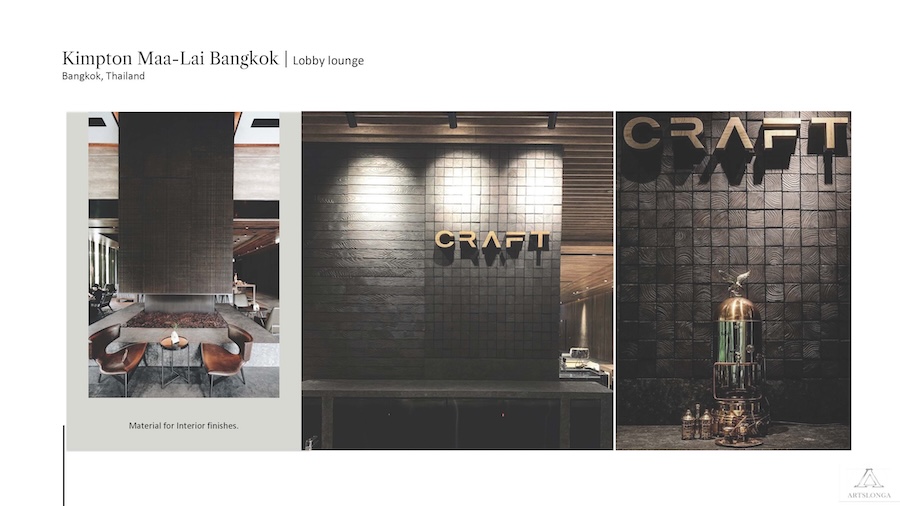
"When transforming waste into luxury or incorporating it into hotel spaces, it requires a lot of refinement. The waste must be reused, revived from its lifeless state, and given the highest possible value. For example, at Kimpton Malai, all the wooden artworks come from recycled waste. This illustrates the concept of eco-luxury well, and in the future, there will be many more alternative materials to reduce resource use."
Regarding the incorporation of luxury to promote quality of life (well-being), Jatuporn views art as a connector that brings happiness to life. When life is happy, it reflects a quality life.
"Art surrounds us; we experience it every second, even in phone cases. Thus, art is a comfort zone that makes us feel happy. While it may not bring world peace, it can enhance our lives with more happiness."
From Ji Hung's perspective in the ultra-luxury hotel business, the inner desires of this group regarding luxury connected to well-being are time, flexibility, and privacy.
"For the ultra-luxury segment, many are celebrities or high-level executives whose lives are constantly under scrutiny. Therefore, what they seek is a space where they feel safe and private."
In addition to service, Sindhorn Kempinski Hotel also emphasizes design and campaigns to promote sustainable living. Currently, Sindhorn Kempinski is a hotel certified under the LEED green building standard, focusing on designs that allow natural light in almost every corner to save energy and air conditioning. They also use triple-glazed windows to protect the building from noise and heat, enhancing guest comfort while reducing energy consumption. They utilize resource-saving decorative items, eco-friendly paper water boxes, and straws, and participate in recycling programs for paper and plastic in restaurants, avoiding single-use plastics and using locally grown organic coffee.
Similarly, Siam Piwat prioritizes sustainability. As is well known, shopping centers are among the highest producers of waste and energy consumption in the real estate industry. Napha Nis revealed that luxury brand tenants today place great importance on sustainability, often more than the general public. Siam Piwat has organized numerous projects to promote sustainability.
"Every brand wants to use electricity from solar energy, and we aim to support this. In the near future, we plan to open a new zone that will showcase energy reduction efforts, a project that reflects a future city that no one expected Paragon would have, focusing primarily on sustainability."
The Heart of Creating Brand Love is to Dare to Be Yourself
Regardless of how a brand moves towards sustainability or promotes quality for consumers, the ultimate hope of branding is to be a brand that resides in the hearts of customers. The three experts, despite coming from different industries, all agreed that to be a beloved brand, one must dare to be oneself, be clear about what they do, and be in the right context, providing real examples of practical application.
"For instance, I would like to mention the restaurant Jay Fai, which has created a memorable character, establishing a form of Brand Identity. Similarly, our shopping centers, such as Siam Center, Siam Discovery, and Iconsiam, all have unique qualities. It's not just about shopping; it feels like visiting a friend."
"Take Iconsiam as an example, which embodies 'The Best of Thailand Meets The Best of The World.' This branding allows us to use Thai elements with a global perspective. You can see this from the entrance façade resembling a krathong, to the artworks by Professor Precha Thaotong, and further inside, art installations by international artists. On the sixth floor, you encounter traditional Thai gilding techniques designed in a modern abstract style. We strive to create design elements that everyone can engage with," Napha Nis explained.
Moreover, Napha Nis added that beyond design, tenants within the center also engage in Brand Collaboration. In this era, consumers are not segmented by generation but by experience based on their lifestyles, focusing on different interests and needs. Brand Collaboration expands the base and creates variety in experiences.
"For example, Hermès, located by the river, has a concept of floating lanterns. The decoration at night makes the Hermès room feel like a lantern rising. Similarly, Louis Vuitton has collaborated with Thai artists to create waves on the ceiling using Thai fabrics. Even BVLGARI has employed world-class designers to design their stores while incorporating the identity colors of Iconsiam, such as silver, gold, and bronze, to create an atmosphere."
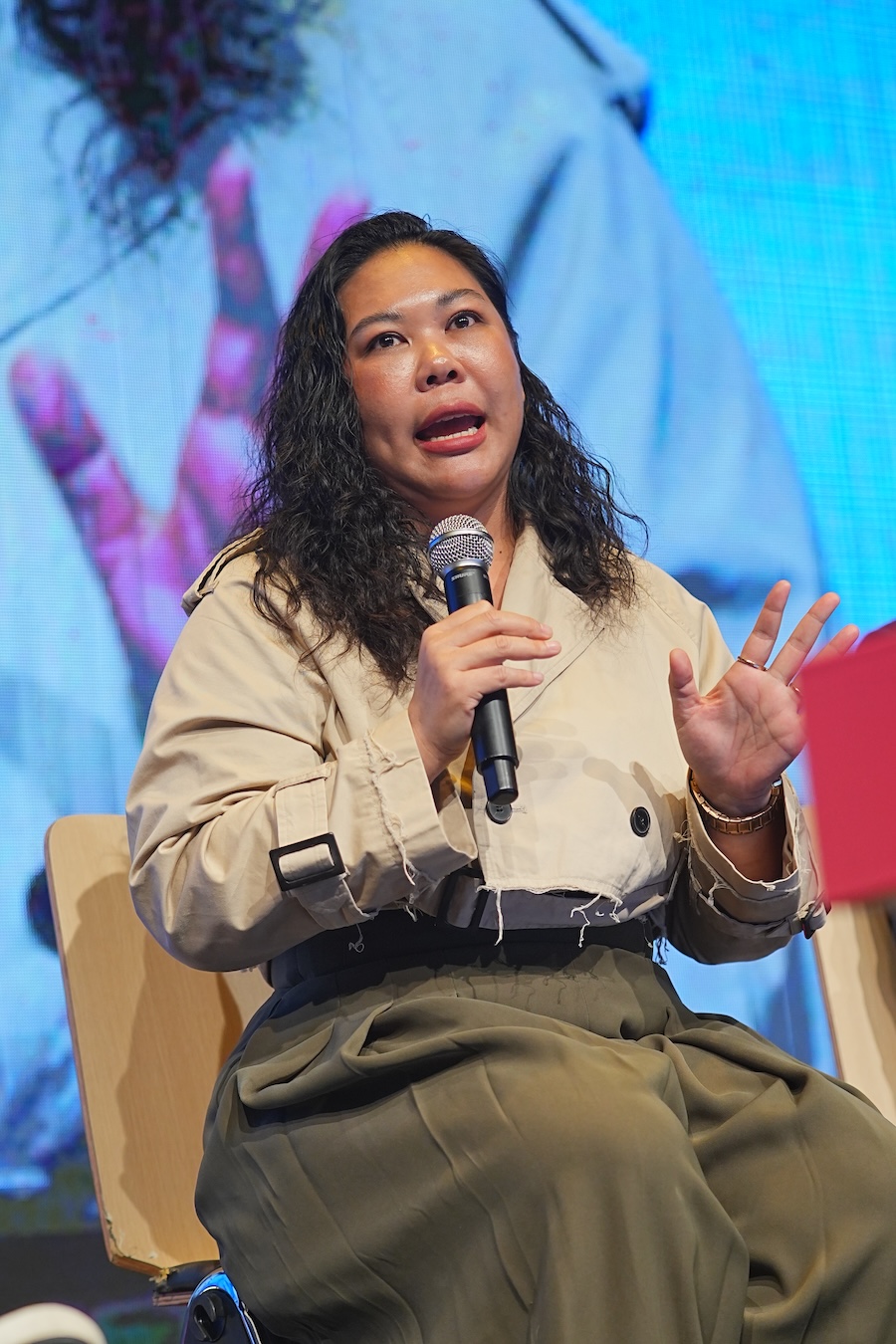
However, beyond various collaborations, the importance of creating Brand Love also lies in the service of employees and teams within the center, which is something customers cannot experience online or through social media.
"I believe this is part of Brand Identity because if we compare a building to a person, we must convey that person's character as much as possible, allowing customers to know us better, which will lead to them liking us more. It's like when you court someone; you may initially see their image, but love and affection develop when you interact and truly understand their identity, creating a bond."
From Jatuporn's perspective as an artist working with numerous leading brands to create art that enhances branding, he agrees that to make a brand memorable, one must clearly know how to be oneself. The role of an Art Consultant is to bring the brand's identity into sharper focus while maintaining appropriateness for the situation or time, which requires considerable experience, knowledge, and artistry.
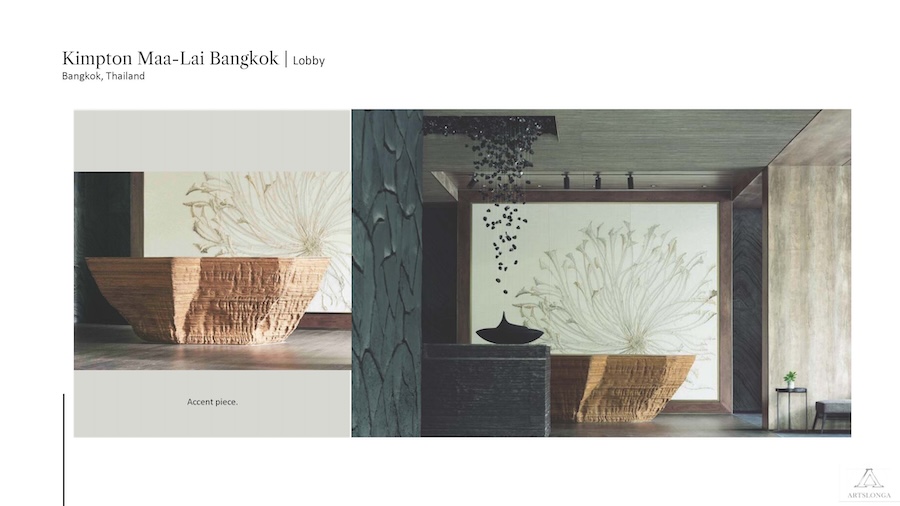
"When we want to create a brand, we must first bring our identity to the forefront, then gradually refine it and incorporate contemporary trends as much as possible. For example, the DNA of Kimpton Malai is that it is a six-star hotel with luxury and a sense of Malai embedded within it. Thus, we apply the thought process of creating Malai to the decoration of everything in Kimpton, which is a unique identity that no other hotel possesses."
Meanwhile, Ji Hung shared insights on creating Brand Love from the hotel business perspective, emphasizing that the key is to be true to oneself. Sometimes being oneself may not attract everyone, but it will draw the right people who appreciate our identity, as exemplified by the Community Area of Sindhorn Kempinski Hotel, which has left a lasting impression on all visitors.
The concept of Sindhorn Kempinski Hotel is to create touchpoints within the building where people can engage in various activities, dine, and promote sustainability simultaneously. For instance, the building is designed to save energy while ensuring comfort, and how to serve organic food.
"When Sindhorn Village (Sindhorn Kempinski Hotel is part of Sindhorn Village) was established, we did not expect to see anything specific. However, with the term 'Village,' which implies community, we aimed to create an atmosphere of community. We focused on how this building can connect with existing elements, especially Lumphini Park, a large park in the heart of Bangkok, making this area a relaxing retreat where everyone can dine and live," Ji Hung reflected on the origins of creating a space that has become a signature of Sindhorn Kempinski Hotel.
In summary, creating Brand Love or luxurious experiences in the era of sustainability does not stem from one party alone but is a collective effort of the brand to convey to customers and consumers.
#TerraBkk #TERRAHINT #BrandSeries2024 #LifeInGlam #LuxuryLifestyle #LuxuryLiving