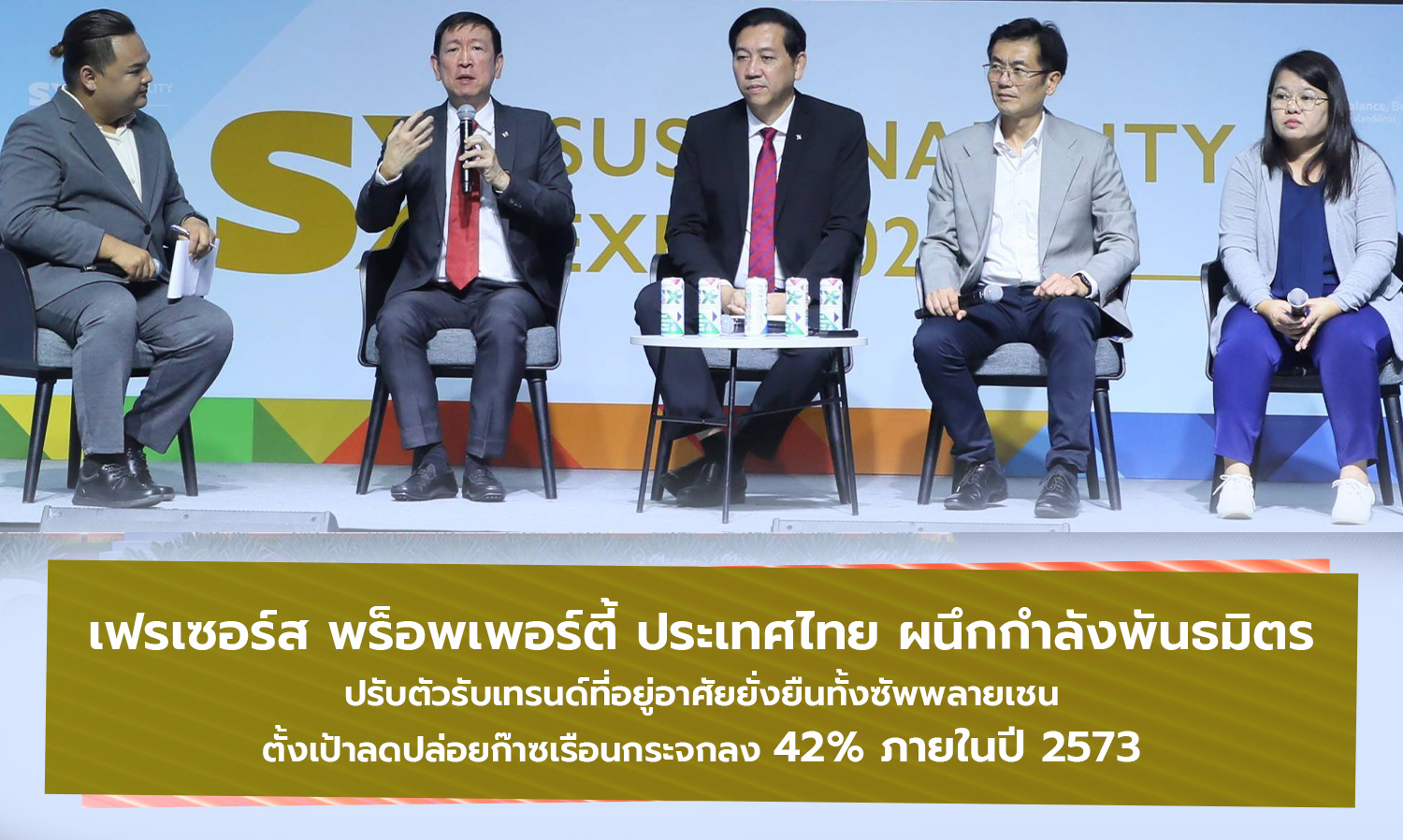
Frasers Property Thailand Partners with Allies to Adapt to Sustainable Housing Trends Across the Supply Chain, Aiming to Reduce Greenhouse Gas Emissions by 42% by 2030
Frasers Property Thailand is advancing its sustainable real estate business to meet the demands of modern consumers. Collaborating with both public and private sector partners, the company is developing residential projects that address all dimensions, including nature-focused design, carbon-reducing materials, and the use of renewable energy.
Additionally, the company is committed to social responsibility for sustainable growth across the supply chain, with a goal to reduce greenhouse gas emissions by 42% by 2030. Mr. Somboon Vasinchachawal, Chief Financial Officer and Acting CEO of the Residential Property Group, participated in a discussion titled "Adapting the Residential Business to Meet the Needs of Consumers in a Sustainable Way" at the Sustainability Expo 2024 (SX2024), the largest sustainability event in ASEAN, held on October 3, 2024. He revealed the commitment to creating sustainable housing that meets the needs of modern consumers, particularly the Gen Y demographic, which prioritizes an environmentally friendly lifestyle, from product selection to technology integration. Frasers Property's residential projects come equipped with various innovations, collaborating with partners throughout the supply chain to create sustainable housing from design and construction to actual use, with a focus on people at the center of all operations.
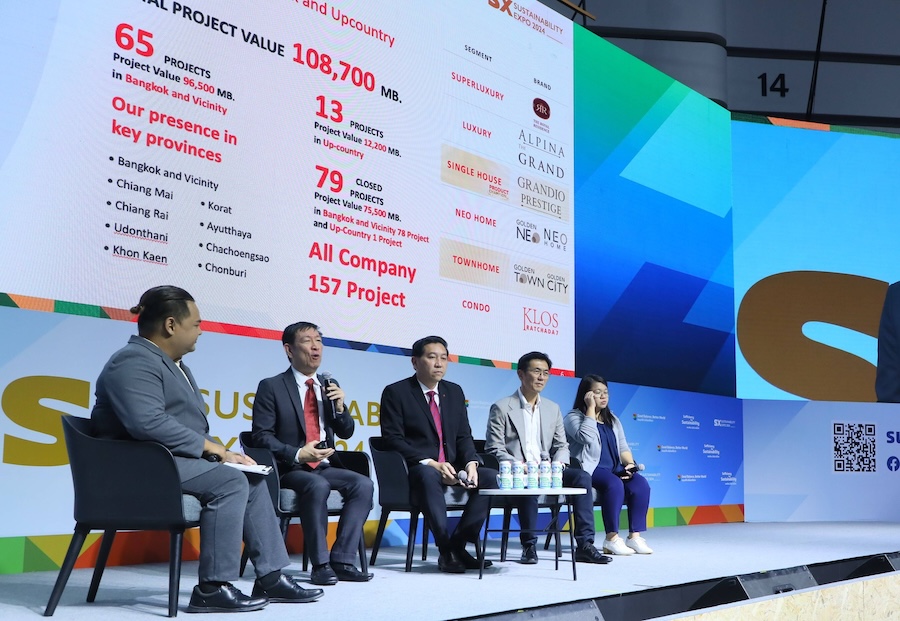
Designing with an Understanding of the World and Residents: The design combines passive and active elements to maximize benefits for residents, incorporating natural features into the design with light and air channels to facilitate air circulation inside and outside the home. The Frasers Clean and Cool Air system is installed to filter and exchange polluted air, bringing fresh air into the home, while also capturing fine dust particles at PM 2.5.
Construction with Consideration for Workers and the Environment: Emphasizing the quality of life for workers, clean and safe housing is provided, along with access to healthcare systems and health promotion activities, ensuring that all workers can work efficiently and happily. Waste and leftover materials from construction are managed through recycling and proper disposal to minimize environmental impact.
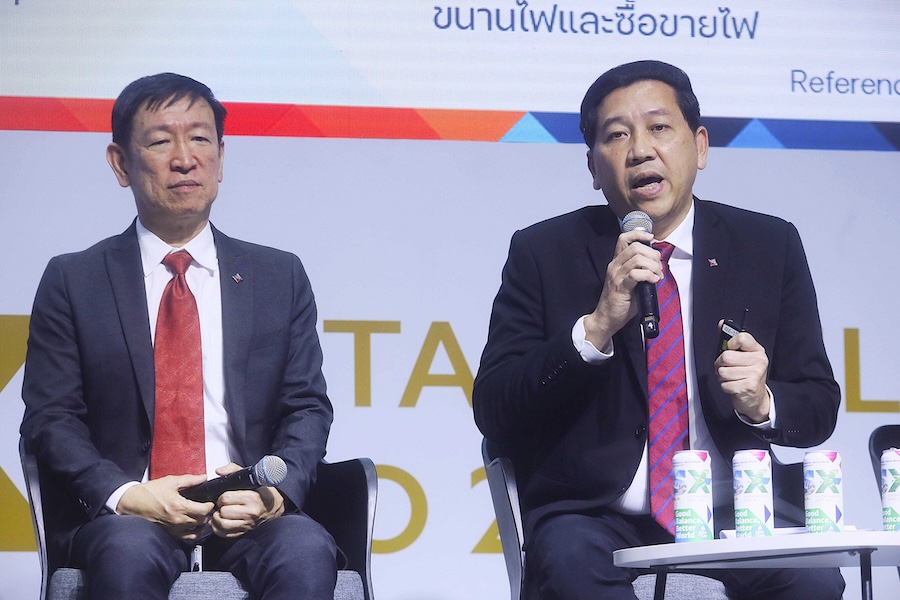
Delivering Homes and Better Experiences with Features that Meet Modern Needs: Current trends are incorporated into features that cater to the green lifestyles of modern customers, such as EV chargers and solar panels that help save electricity costs and increase the use of renewable energy, while also reducing greenhouse gas emissions. The company continuously promotes waste segregation among residents to reduce contamination from the outset. The company prioritizes minimizing negative impacts and enhancing positive impacts on the environment, recently receiving certification from the Science Based Targets initiative (SBTi) for short-term greenhouse gas emission reduction, aiming for a 42% reduction in Scope 3 emissions by 2030, based on 2021 emissions calculations. The company is accelerating the installation of solar panels across various projects and promoting the use of environmentally friendly materials (Green materials) in all projects.
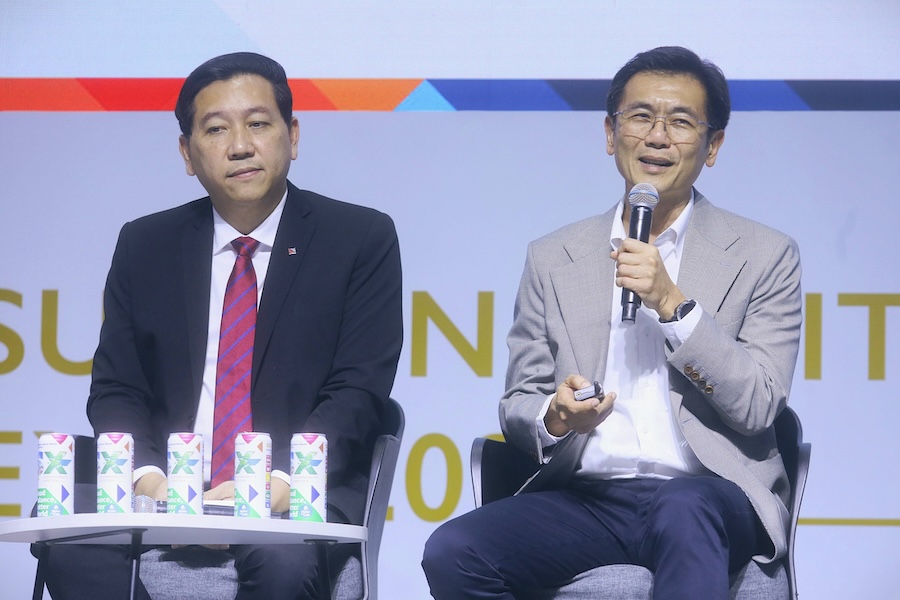
Mr. Pawarun Udomsiri, Deputy CEO of the Horizontal Residential Project Development Division, provided additional information on the company's sustainable supply chain operations, which consist of five key components:
- Promoting the Use of Renewable Energy: Solar panels are installed in housing projects as a key strategy to reduce Scope 3 greenhouse gas emissions. Currently, over 79% of the target has been completed, equivalent to more than 234 homes, reducing greenhouse gas emissions by over 14,094 tons of CO2 equivalent, or the equivalent of planting over 1.4 million trees. The goal is to complete the installation of 300 homes by 2024.
- Promoting Green Materials: The use of carbon-reducing materials that are environmentally friendly, such as hydraulic cement and low-carbon paint, has already reduced greenhouse gas emissions by over 1,005 tons of CO2 equivalent, equivalent to over 100,500 trees. The company is also working on calculating the carbon footprint for lightweight bricks, precast walls, and roofing materials in collaboration with partners.
- Designing Energy-Efficient Homes: Homes are designed with every aspect of customer life in mind, including the installation of solar panels, increased insulation under roofs, enhanced ventilation and lighting, and the use of low-heat-conductivity wall materials. The lighting systems are LED, and several projects have received top-level energy-efficient home certification, such as:
The Grand Chaeng Watthana – Muang Thong and Grandio 2 Vibhavadi Rangsit projects. Additionally, the Grand Ratchaphruek – Rama 5 project is in the process of applying for LEED certification from the U.S. Green Building Council (USGBC), which is a leading organization in setting green building standards in the United States.
- Creating Partnerships to Elevate Human Rights for Construction Workers: In collaboration with the Child Development Foundation, the company is improving construction worker camps to enhance the quality of life for workers in all dimensions, including health and well-being. So far, over 10 out of 18 projects have been completed, covering infrastructure, public utilities, welfare, healthcare, education, and complaint handling.
Mr. Wachirachai Koonamwattana, Head of Smart System Solutions at SCG Smart Living, one of Frasers Property Thailand's partners, commented on the selection of environmentally friendly materials and solutions to meet sustainability goals, emphasizing that this must be done throughout the process from manufacturers to customers. SCG's low-carbon cement innovation has been applied in various Frasers Property projects, such as The Grand Rama 5 and One Bangkok, to reduce environmental impact and enhance the quality of life for people.

Dr. Narinthorn Jamwong, Deputy Director of the Forestry Research Center at Kasetsart University, provided insights on helping the planet through greenhouse gas reduction mechanisms and the importance of increasing green spaces. In the past, he has collaborated with Frasers Property Thailand to measure the amount of carbon sequestered in three main projects: The Grand Chaeng Watthana – Muang Thong, The Grand Pinklao, and Grandio Sathorn, finding that these projects can sequester up to 73,567 tons of CO2 equivalent.