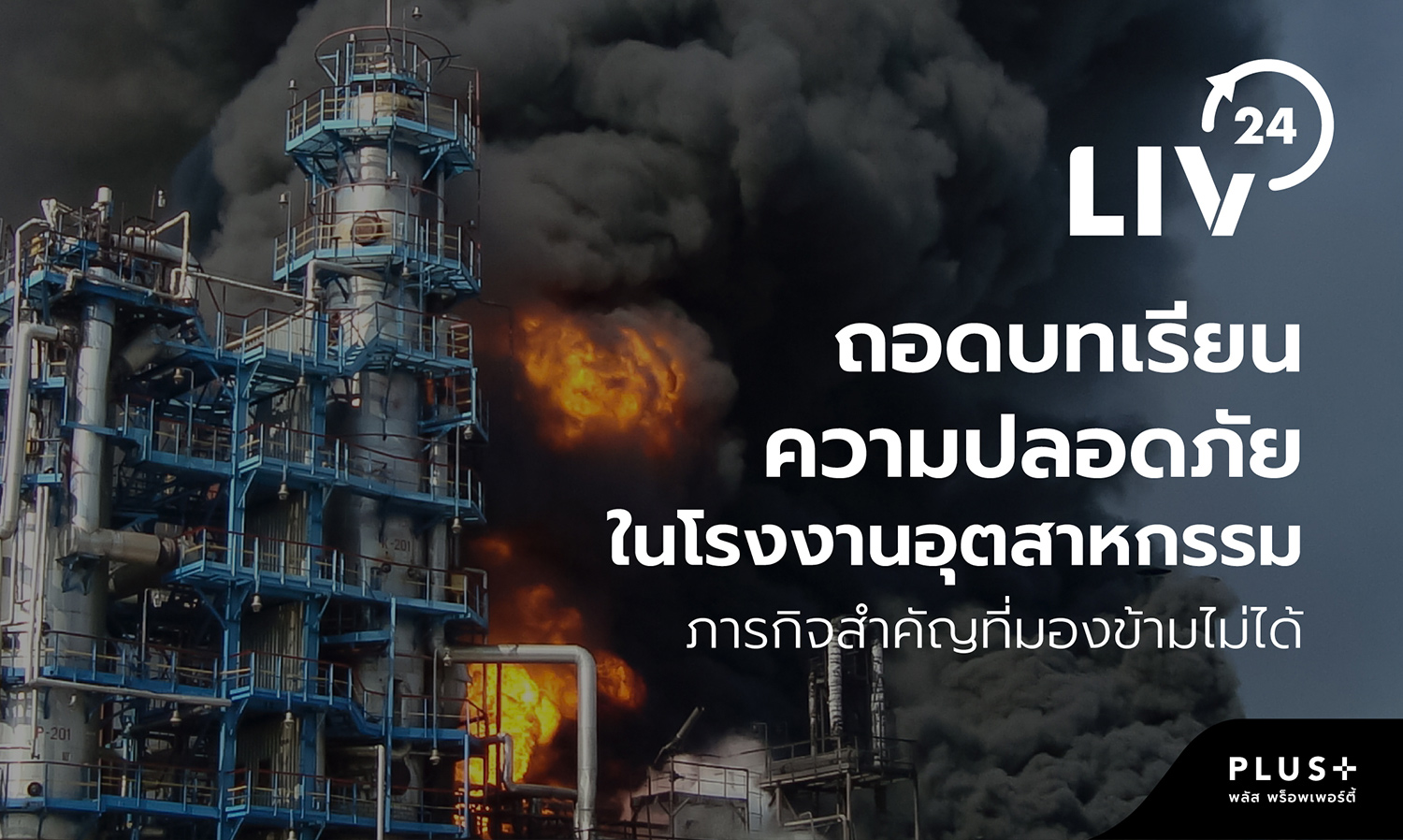
Lessons Learned on Safety in Industrial Factories: An Indispensable Mission
Lessons Learned on Safety in Industrial Factories: An Indispensable Mission
By Ms. Niramon Direkmhamongkol, Senior Director, LIV-24 Co., Ltd.
With the government's current policy to elevate Thailand as a global industrial hub, maintaining safety standards in Thai factories to meet international levels is crucial. A key aspect of industrial factories is that safety is paramount, as these facilities are high-risk environments for accidents and threats to life and property. The main causes of incidents stem from working with machinery, electrical equipment, chemicals, flammable materials, and many other risks. Statistics from the Department of Industrial Works, Ministry of Industry, indicate that in 2022, there were 1,648 accidents in workplaces, resulting in 124 fatalities and 1,724 injuries. The primary causes were fires (42.1%), machinery (17.9%), electrical issues (11.6%), chemicals (7.8%), and others (20.6%). From these statistics, it is evident that fires are the leading cause of accidents in industrial factories. Therefore, fire prevention is critically important. Factories should have standardized fire prevention and suppression systems, such as fire sprinkler systems, alarm systems, fire escape plans, and employee training on proper fire extinguishing and evacuation procedures.

Ms. Niramon Direkmhamongkol, Senior Director, LIV-24 Co., Ltd.
LIV-24, an intelligent safety technology from Plus Property, offers comprehensive solutions for safety management and fire prevention. It recommends preparation methods to prevent fires in factories, divided into three main topics:
1. Establishing Fire Prevention Systems
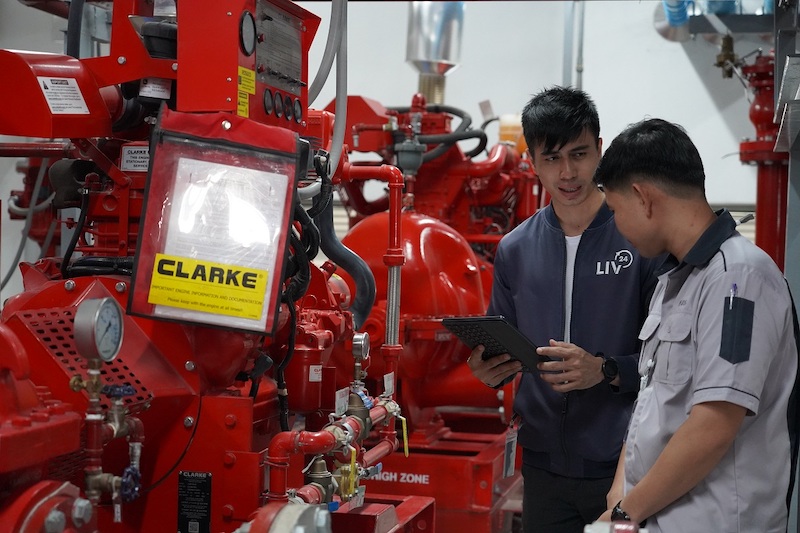
Every standard factory must comply with the Ministry of Industry's safety regulations regarding fire prevention and suppression in factories, established in 2009. This includes details about fire alarm systems, fire extinguishing equipment, automatic fire suppression systems, inspections, testing, and maintenance of systems and equipment. Regular annual training on fire prevention and suppression is also required. Additionally, advanced technology like LIV-24 provides comprehensive solutions to enhance fire prevention and suppression efficiency, including AI CCTV Analytics that analyzes footage from surveillance cameras in real-time to detect abnormalities. With over five years of experience, the AI has been developed to learn from cases and enhance its intelligence, detecting smoke, sparks, and suspicious individuals. The Fire Protection System can quickly detect fire signals and alert users in real-time when a fire occurs, allowing for precise identification of the incident location. The automatic fire suppression system will initially control the fire to protect lives and valuable property, supported by the LIV-24 Command Centre team monitoring 24/7, enabling awareness of incidents and emergency response within three minutes.
2. Risk Management
LIV-24 controls access to various areas within factories using a Visitor Management System and Access Control to prevent outsiders from entering hazardous areas. Besides fire prevention systems, safety management is also a crucial aspect of safety. Factories should regularly inspect the safety of machinery, equipment, electrical systems, and chemicals. Employees should be trained to understand safe working practices, wear protective gear, and strictly adhere to safety regulations.

3. Preparedness
Additionally, developing emergency plans and conducting fire drills for evacuation and incident management, including designating assembly points and defining employee roles, is another important measure. LIV-24 will have personnel from the central office monitoring operations in real-time 24/7, coordinating with external agencies such as fire departments and relevant organizations to ensure swift communication and resolution of emergency situations.
All safety measures within factories, whether against fires, intrusions from outsiders, or compliance violations, are serious threats that can be prevented. Being prepared is essential, from establishing fire prevention systems and managing risks to readiness, relying on laws, advanced technology, and fostering a safety-conscious mindset.