Sansiri Invites Green Partners to Drive Sustainability: Rethinking Sustainability - How to Achieve It When Profit is Not the Sole Goal
- Sansiri collaborates with over 30 leading green partners in the country to reinforce its commitment to working seriously towards Net-Zero and continuing Thailand's sustainable development goals.
- Support the ecosystem to allocate resources efficiently, driving businesses to create balanced and sustainable outcomes.
- Brainstorm ideas and expand work from a new perspective: How to achieve it when profit is not the sole goal.
How to achieve it when profit is not the sole goal?
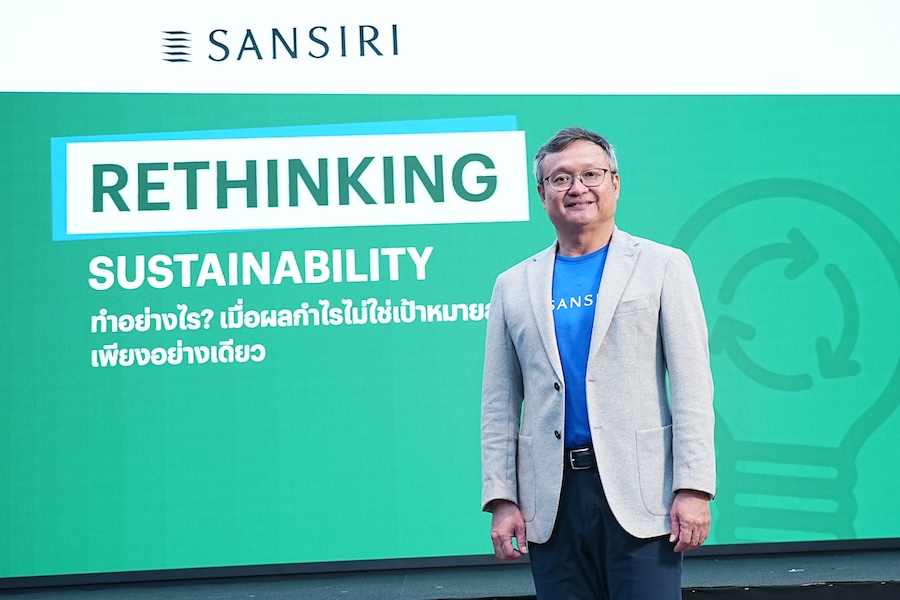
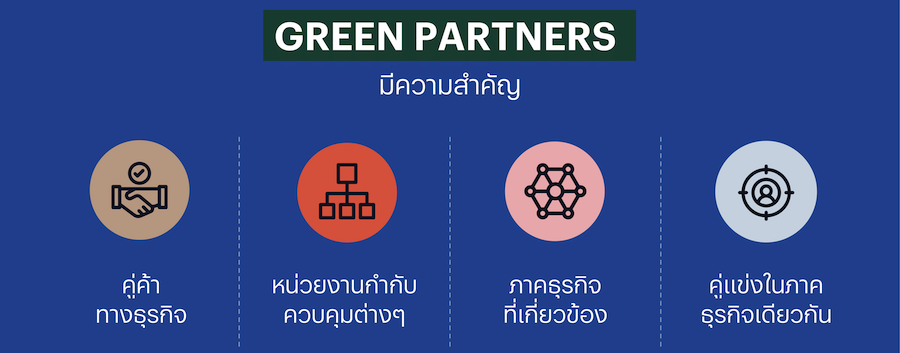
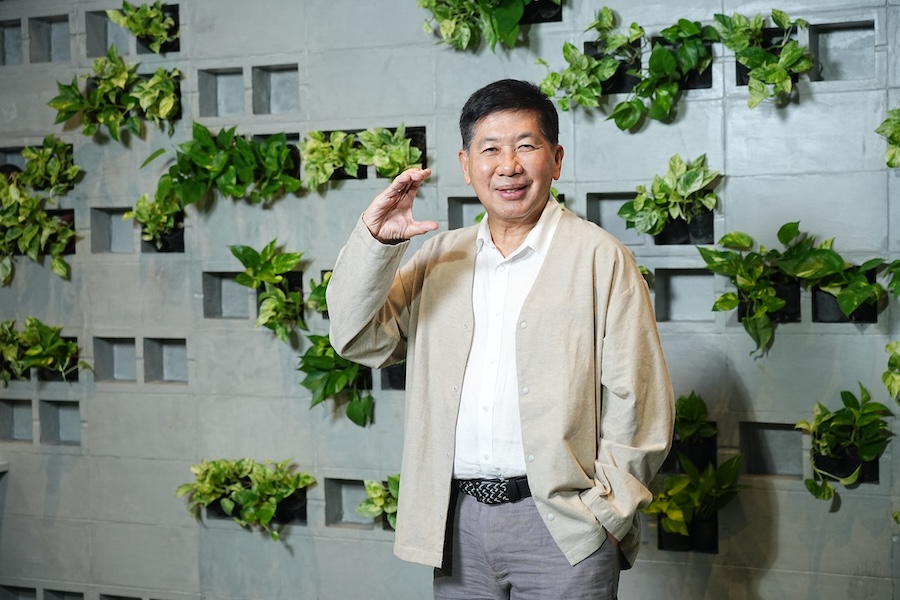
Mr. Uthai Uthaisangkhuk, CEO of Sansiri Public Company Limited, a leading real estate development company in Thailand, revealed that Sansiri has been implementing sustainability strategies for over 10 years, now referred to as ESG (Environmental, Social, and Governance). We have found that the key group driving the economic transition towards sustainability is the green partners and collaboration within the ecosystem, which are crucial in supporting Thailand to achieve its sustainable development goals. This includes central agencies that set national policies and roadmaps, private sector partners from real estate, construction materials, architectural design, and clean energy, as well as the media sector that plays an important role in disseminating information to raise public and consumer awareness about sustainability, particularly environmental issues that are of significant international concern.
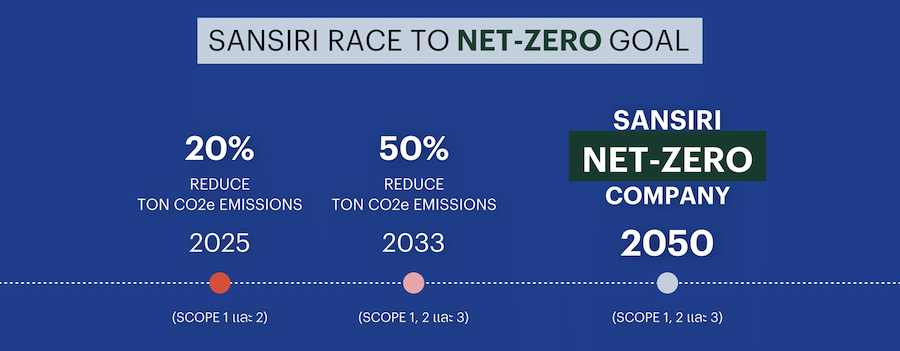
It is crucial for us to drive strategic changes in sustainability to balance environmental and social aspects while maintaining growth in profitability. For Sansiri, we have a vision to become a leading real estate development company in Thailand by offering comprehensive housing products and services that everyone can access, alongside a continuous commitment to society and environmental care through a three-tier sustainability operational strategy: within the organization, collaboration with partners, and community engagement. The ultimate sustainability goal of Sansiri is not only about the company's operations but also about supporting green partners to grow together. Sansiri has declared its mission to lead in creating sustainable environmental change and is the first real estate company in Thailand to aim for net-zero greenhouse gas emissions by 2050.
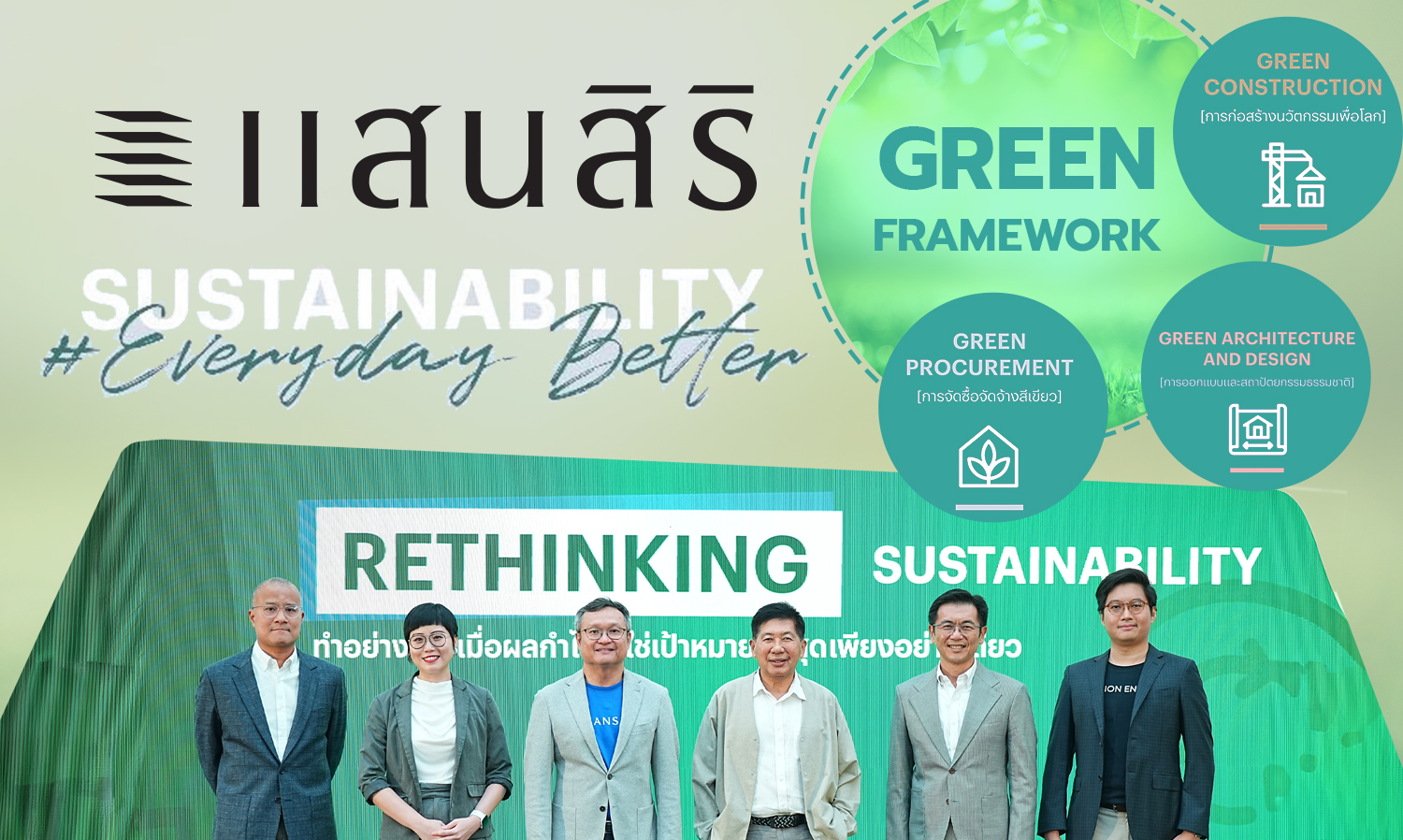
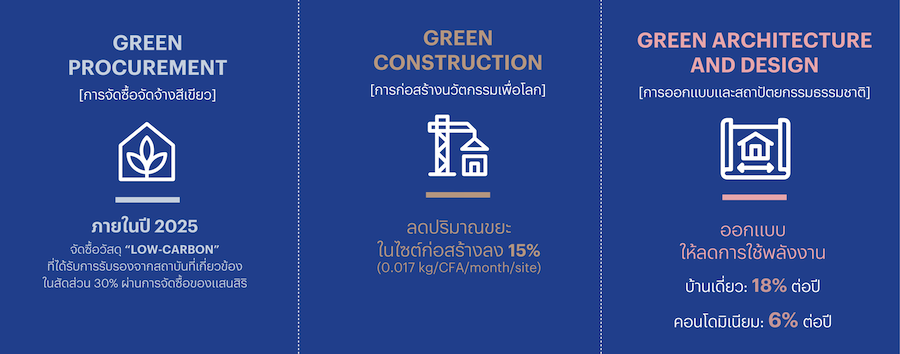
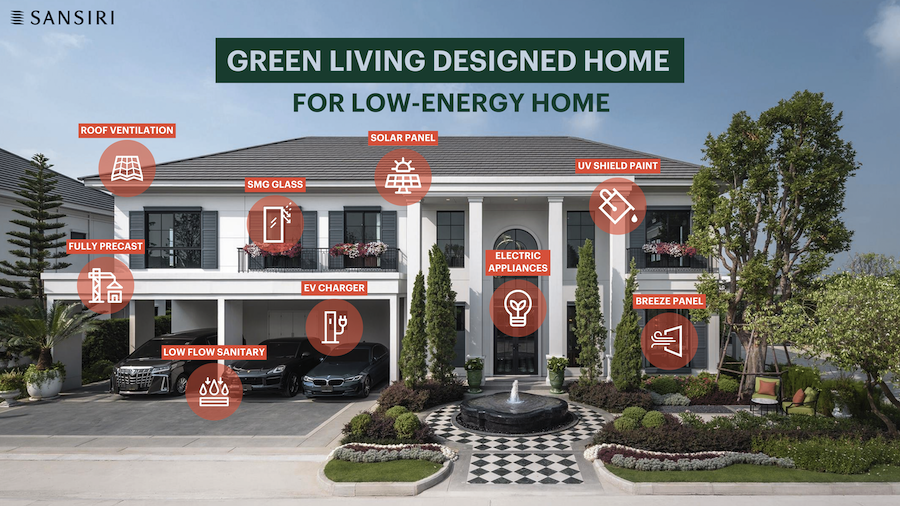
Another example of Sansiri's efforts is the concept of Green Living Designed Home, which is one of the key drivers elevating project development to respond to various global changes, including climate change and consumer trends that increasingly focus on reducing impacts and environmentally friendly products. This concept consists of three Green Framework mechanisms: 1. Green Procurement, which involves selecting environmentally friendly materials and partners who prioritize sustainable production processes that reduce resource use or promote recycling, with a goal of sourcing low-carbon materials. In 2023, Sansiri has already utilized over 53% of such materials. Next is 2. Green Construction, which includes construction processes that minimize environmental impacts and incorporate innovations and technologies to enhance product efficiency and quality while reducing greenhouse gas emissions, such as using precast concrete walls from Sansiri's factory, which reduces construction time by three months and construction waste by up to 15%, significantly lowering dust and greenhouse gas emissions on construction sites. Lastly, 3. Green Architecture & Design focuses on designing homes for sustainable living, creating health-friendly environments (Well-being) and incorporating nature-based design solutions to reduce energy consumption and enhance residents' quality of life, delivering homes filled with innovations for the environment, energy savings, and optimal living conditions for residents.
“We are project developers but do not produce the materials and equipment used in construction ourselves, so we need to seek collaboration with partners who have expertise in environmentally friendly products to present suitable materials that meet our sustainability goals. We consult with relevant government and private agencies to obtain clear information as a benchmark,” said Mr. Uthai.

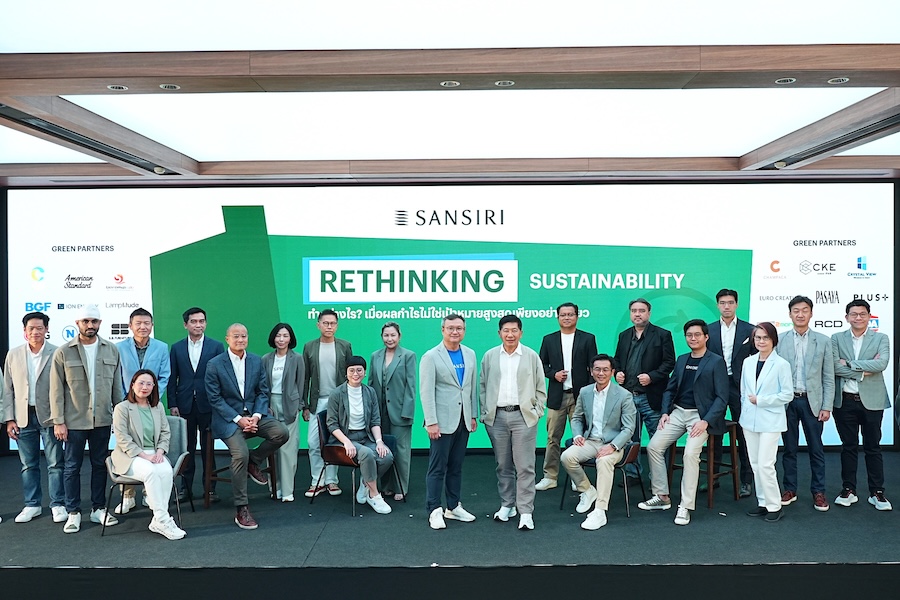
For the event Rethinking Sustainability - How to Achieve It When Profit is Not the Sole Goal, we aim to connect all sectors together. Partners with diverse experiences can share useful information and exchange knowledge leading to best practices in the industry. For instance, some organizations focus on environmental issues, wastewater discharge, carbon offsetting, or even basic labor rights. This knowledge exchange will enhance business competitiveness and drive the Thai economy towards sustainability in the future.
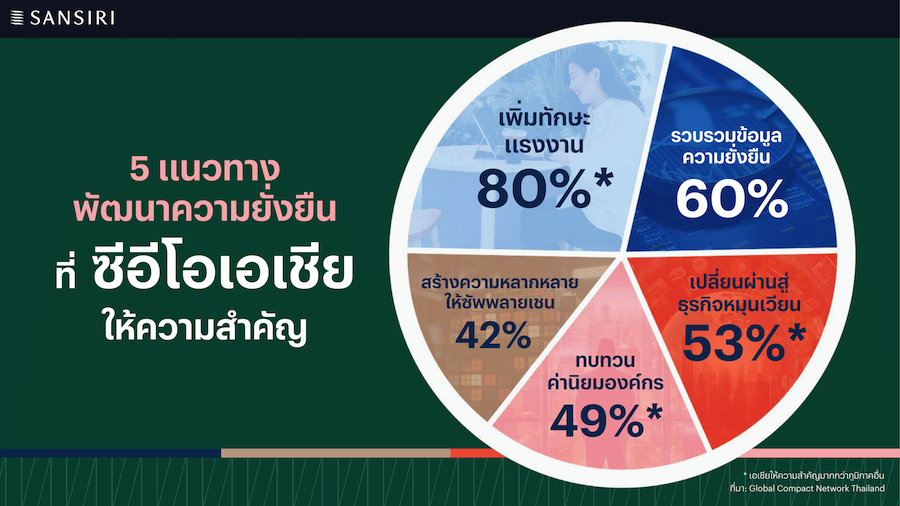
According to a report by the UN Global Compact Thailand, which surveyed the opinions of CEOs in the Asia region, the top five challenges in conducting business to achieve sustainable development goals that CEOs prioritize are: 1. Increasing workforce skills, 2. Collecting sustainability data, 3. Transitioning to a circular economy, 4. Reviewing corporate values, and 5. Creating diversity in the supply chain.
TGO: When the World Changes, We Must Adapt
Dr. Kiatchai Maitriwong, Director of the Greenhouse Gas Management Organization (TGO), emphasized the topic of adapting when the world changes, stating that every country prioritizes driving the world towards achieving the goals of “Carbon Neutrality” and “Net Zero GHG Emission,” which requires cooperation at the national, city, citizen, and business levels to reduce greenhouse gas emissions. TGO has promoted and pushed for collaboration among organizations, government, private sector, and local communities to assess Carbon Footprint or greenhouse gas emissions at the organizational, product, meeting, event, city, provincial, and individual levels. Therefore, today, Carbon Footprint is a “Must have” not a “Nice to have” anymore.
Learning from Leading Thai Organizations: “Lessons and Learns - How Sustainability Builds Resilience”
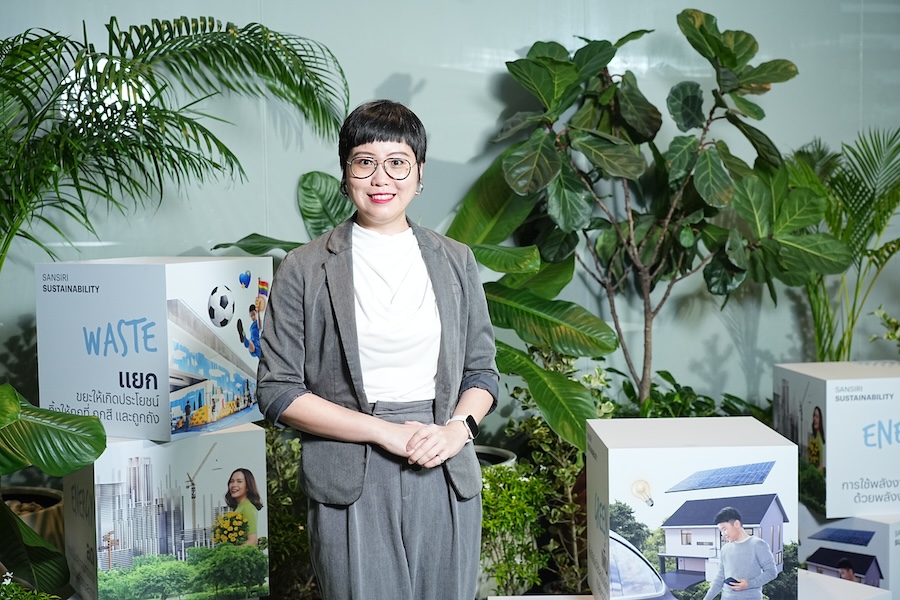
Ms. Parama Tipthanatrasap, Director of the Future Concept Research Center, Baramee Lab, stated that the response to the sustainability megatrend from consumers is becoming increasingly clear today. Setting sustainability goals may feel like a forced task that contradicts profit goals, but the increasingly clear signals from consumers indicate that soon, sustainability goals and profit goals may become one and the same.
Mr. Wachirachai Koonamwattana, Head of Smart System Solution Business at Siam Cement Group (SCG), stated that having sustainable housing relies heavily on materials. Sustainable materials must meet various criteria, including low greenhouse gas emissions during production or help housing save energy, as well as addressing the quality of life for people adapting to changing environments, such as ensuring good air quality. SCG recognizes the importance of these dimensions and has developed sustainable products, services, and innovations, labeling them with SCG Green Choice to provide customers with options to contribute to sustainability for the world and society.
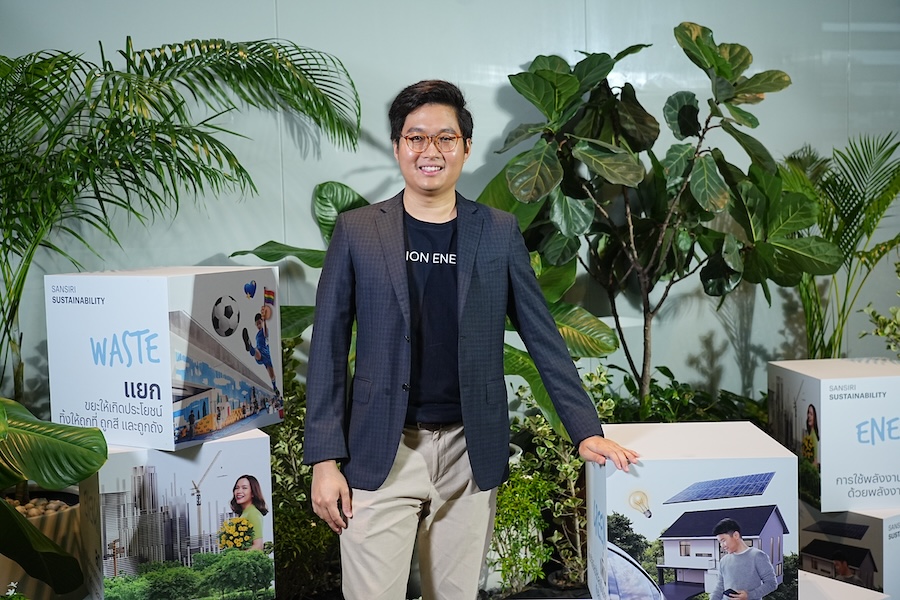
Mr. Pirakarn Manakij, Chairman of Ion Energy Co., Ltd., revealed that creating sustainable energy resilience requires cooperation from all sectors. Using clean energy from solar power is not just an option but a necessity for all groups, including real estate developers, industrial partners, and individual residents. Everyone is a user of energy in their operations or daily routines, making them key players in supporting solar energy use. All sectors must unite to adopt clean energy to reduce greenhouse gas emissions, combat global warming, and benefit from lower electricity costs.
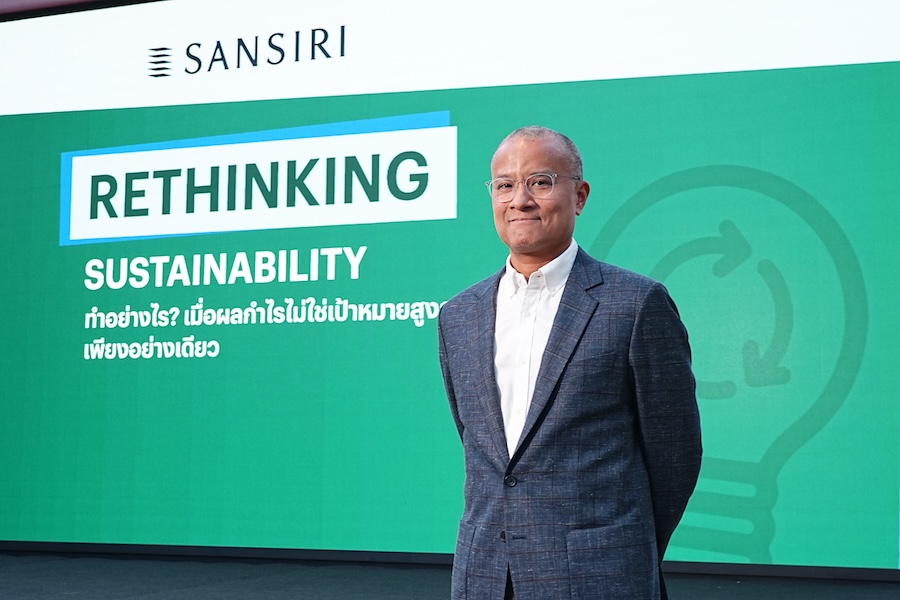
Mr. Samatcha Promsir, Chief of Staff at Sansiri Public Company Limited, stated that Sansiri remains committed to its green mission by instilling the concept of sustainability in everyone within the organization. We have short, medium, and long-term plans and strictly implement them while regularly evaluating and analyzing the results. Since Sansiri's core business is delivering housing, which has a long value chain and supply chain, we must prioritize management points, such as incorporating innovations and technologies to maximize production efficiency and reduce material use, designing to minimize concrete usage, and switching to Green Cement to reduce CO2 emissions in the production process. In addition to creating measures and metrics, engaging stakeholders beneficially also requires finding ways and methods to do so, leading to the concept of Green Living Designed Home, which arises from innovations in our factory, the selection of environmentally friendly materials, energy-saving installations, and waste management processes that ensure consumers receive quality homes with minimal impact on the world. These aspects are crucial for building resilience for Sansiri as it adapts to the new global context.
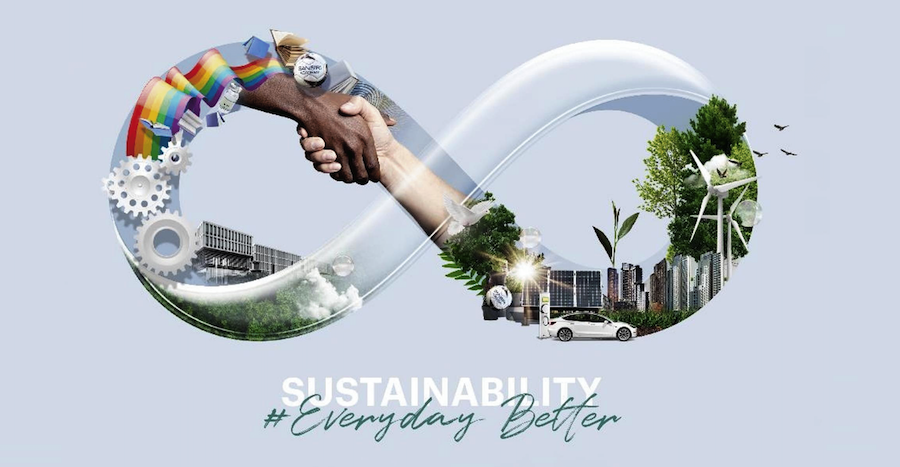
Watch the video on the concept of Green Living Designed Home at https://youtu.be/H4fdeGRz_nc?si=QnkLI1_VlsnpE3Cu