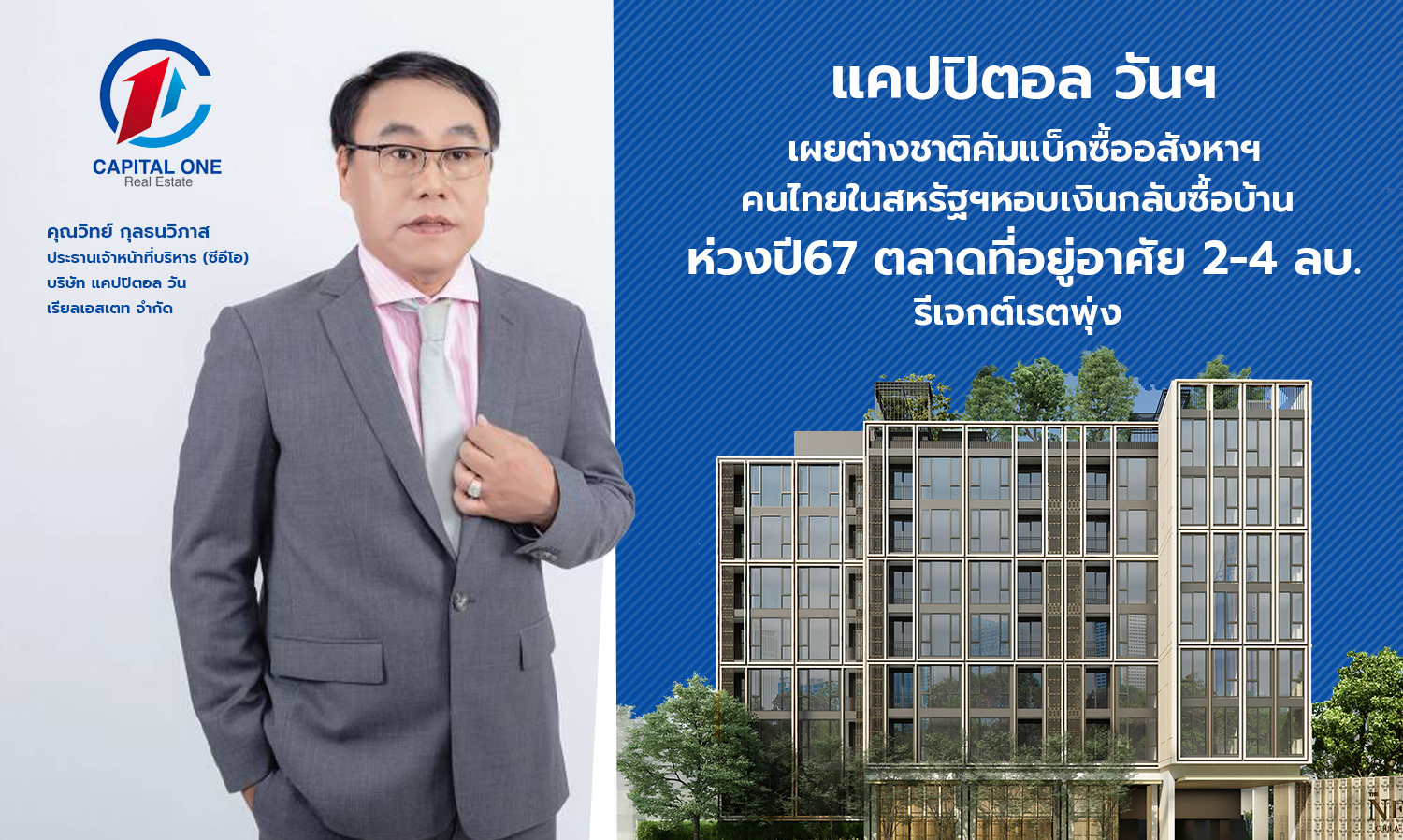
Capital One Reveals Foreign Buyers Returning to Thai Real Estate as Thai Nationals in the U.S. Bring Money Back to Buy Homes; Concerns Rise Over 2024 Housing Market with Increased Rejection Rates
"The CEO of Capital One, Mr. Wit Kulthanwiphat, presented data indicating a recovery in the foreign buyer market, with increasing demand from Hong Kong, Myanmar, and the United States for condominiums in Thailand. He noted that American buyers are looking for residences in Pattaya and Phuket, priced between 3.6 to 15 million baht. There is also interest in the rental market in Bangkok. Thai nationals working in the U.S. are hoping to return to Thailand to purchase homes priced around 7 million baht. Meanwhile, Cambodian and Myanmar SME business owners are actively investing, paying cash amounts of 3-4 million baht for condominiums in Samrong and Bangpu. Capital One is adjusting its strategy to focus on the Thai market while awaiting the return of Chinese buyers, offering solutions to assist homebuyers by suggesting a "Balloon" payment structure for loans.

Mr. Wit Kulthanwiphat, CEO of Capital One Real Estate and Keller Williams Thailand, a leading real estate agency and market consultancy in Thailand, revealed that the foreign buyer market is improving, with demand from Hong Kong, the U.S., Singapore, Cambodia, and Myanmar, each with different investment patterns.

American buyers are particularly interested in condominiums priced between $100,000 to $500,000 (approximately 3.6 million to 15 million baht), focusing on Pattaya and Phuket for residential purposes, while investment properties are sought in the Sukhumvit area of Bangkok.
Additionally, Thai nationals working in the U.S. represent a growing market, looking to purchase homes in Bangkok at around $200,000 (approximately 7 million baht), especially as home prices in the U.S. are significantly higher, averaging around $800,000.
Demand for condominiums from Cambodian and Myanmar buyers remains strong, primarily from SME business owners seeking units priced at 3-4 million baht, often purchasing with cash to secure residences in Bangkok.
Waiting 2-3 Years for Chinese Buyers to Return to Thai Real Estate
Regarding the condominium market for foreign buyers, Mr. Wit noted that purchasing power from Chinese buyers, a significant segment of the foreign condominium market, has decreased considerably, with a projected decline of 20-30% this year compared to pre-COVID-19 levels. This downturn is attributed to the ongoing trade war between China and the U.S.
"Based on our data, we expect Chinese buyers to return to normal levels in at least 2-3 years, pending the recovery of China's economy. This has prompted Capital One to shift its strategy to focus on the Thai market and other foreign markets that still exhibit strong purchasing power in certain segments that have not been significantly impacted by economic downturns in the past 2-3 years," he said.
Examining Challenges in the Thai Real Estate Sector for 2024
The housing market in Thailand, particularly in the 2-4 million baht price range, which represents the largest base of property buyers, is facing challenges with high rejection rates for mortgage applications due to existing debt burdens. There have been numerous reports regarding household debt, and the Bank of Thailand's stringent lending policies have contributed to this issue, as they aim to reduce household debt relative to GDP.
When compared to other Asian countries like South Korea, Hong Kong, Taiwan, and Australia, Thailand's household debt-to-GDP ratio is lower, despite these countries having significantly higher GDP per capita. The criteria for assessing loan eligibility need to be updated to reflect current economic conditions, as factors like credit card debt are often included in assessments, whereas in some countries, they are not considered.
The approval process relies on a Credit Score system that is not based on a centralized credit bureau, and sometimes considers the borrower's rental payment capability. This lack of a clear standard for home loan applications results in high rejection rates, complicating the borrowing process for potential homeowners. The current challenges in the real estate sector are exacerbated by structural issues related to the unclear state of the Thai economy and its inability to adapt to global conditions.
Since the post-COVID period, the U.S. has seen interest rates rise significantly from 2.25% in 2019 to 5.5% currently. In comparison, Thailand's policy interest rate was 1.5%-1.75% in 2019, now at only 2.5%. This disparity has led to capital outflows for investment in other countries, impacting the liquidity and current investment climate in Thailand, as evidenced by the SET index reaching its lowest point in three years, which has clearly affected consumer confidence over the past six months.
"The purchasing power of Thais has diminished significantly due to the investment climate. While some may view rising interest rates as increasing borrowing costs and leading to economic downturns, it is essential to consider how to improve the investment climate and consumer confidence based on current conditions. The U.S. serves as an example where high interest rates have not led to economic decline. Therefore, setting policy interest rates should not solely focus on inflation, as Thailand's economy is still relatively small; external factors should also be considered," Mr. Wit stated.
Hoping for New Lending Criteria from Banks, Suggesting 'Balloon' Payment Structure
Furthermore, to enhance borrowers' repayment capabilities, if banks continue to use the existing loan assessment system, they should consider adopting a "Balloon" payment structure, where monthly payments are equal for a specified period, but a lump sum is due at the end. This approach would help in two ways: 1. Lower monthly payments increase purchasing power, and 2. Real estate remains an asset for banks, allowing them to sell properties if necessary. Additionally, at the end of the loan term, borrowers can restructure their loans (refinance).
The government should consider subsidizing lower interest rates for buyers; a 1% reduction can significantly enhance home purchasing power, similar to strategies employed in the U.S. to stimulate the market. If interest rates are adjusted in 2024 to balance international rates, the government could implement policies to facilitate home ownership for Thais by injecting funds into the system to provide banks with low-interest loans for homebuyers.
"I hope that the Thai government will continue to build consumer confidence through policies that encourage real estate developers to invest and develop new projects. Currently, new project launches are not meeting the plans announced by developers. If the government accelerates various policies, it will significantly drive domestic economic growth," he concluded.
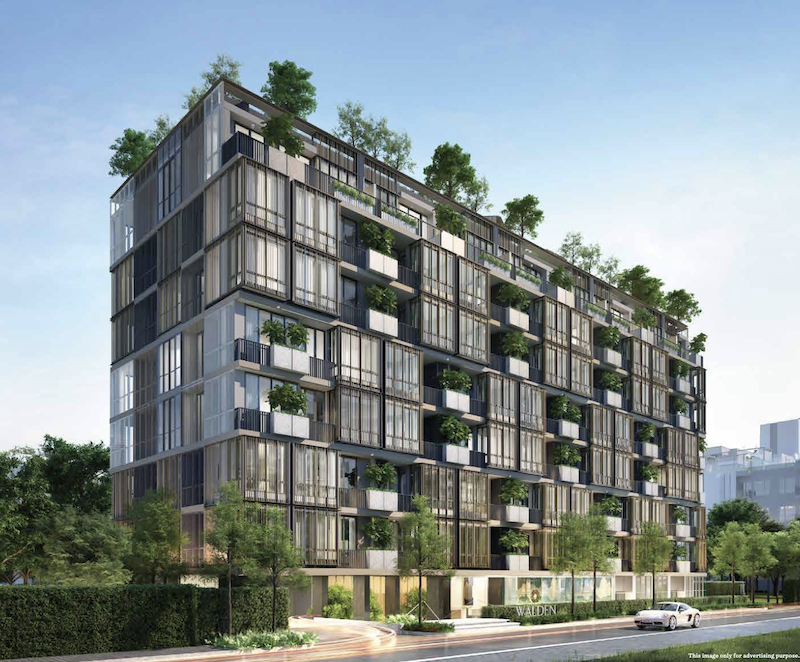
Expanding Luxury Project Management Portfolio with Properties Starting at 170 Million Baht
Mr. Wit discussed the business plan to expand into the luxury market, noting that global sales figures for the luxury segment, particularly Grade A++, are trending upward. Keller Williams Luxury reported over 58,443 units sold globally in this segment, with total sales exceeding 103.6 billion USD in 2021, making it a leader in the luxury real estate market.
Following the launch of Keller Williams Luxury Thailand to serve high-end clients, the response has been very positive, with the company currently managing four projects valued at no less than 8 billion baht.
These include two luxury condominium projects and two villa projects, primarily located in popular tourist destinations like Pattaya and Phuket, which have seen strong sales. The managed properties range from 300,000 to 500,000 baht per square meter and luxury single-family homes priced from 40 million to 170 million baht.
"We have developed a business plan to further penetrate the luxury market, and in 2024, we will see clearer goals for project management, sales growth, and strategic plans for servicing luxury clientele," Mr. Wit concluded.