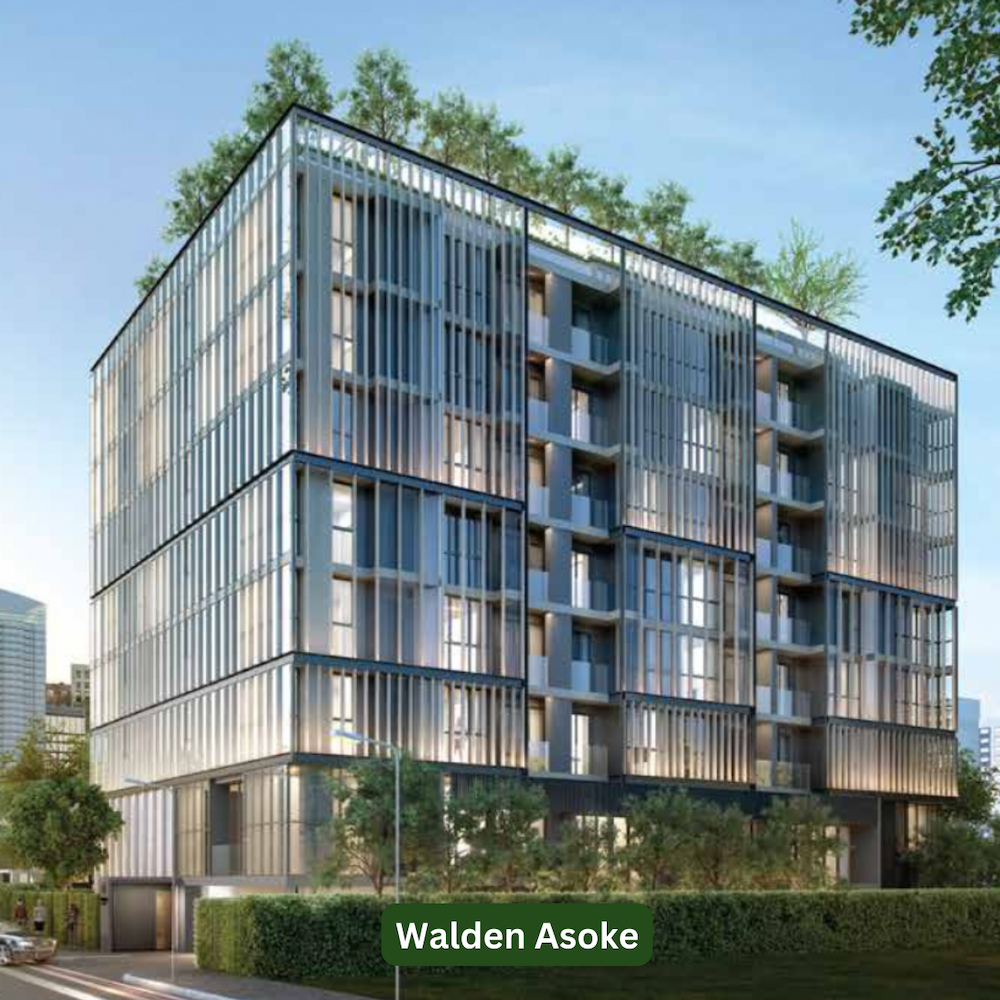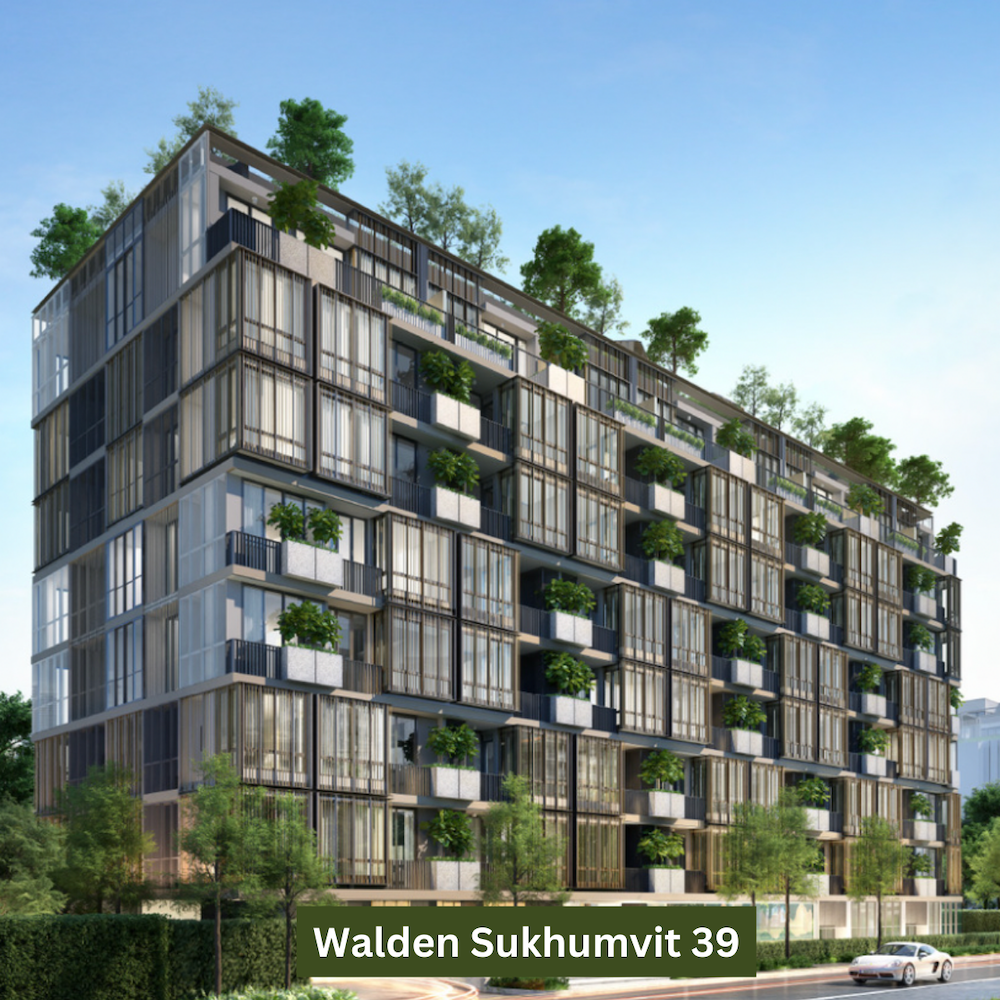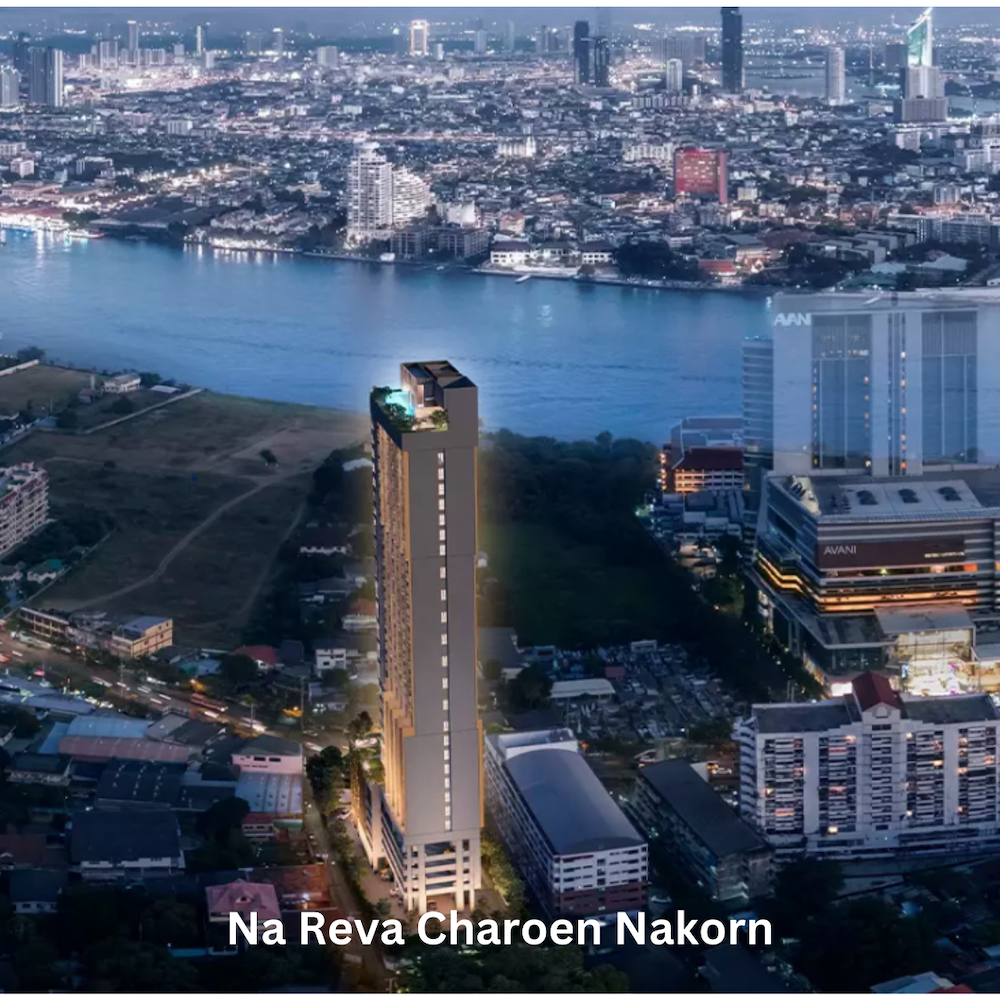
Capital One Hits Nearly 50 Billion, Foreign High-End Buyers Flock to Pool Villas
"Capital One Real Estate, a leading real estate agency in Thailand, is thriving despite the political climate in 2023, with a managed portfolio nearing 50 billion. Foreign buyers from the U.S., China, India, and Myanmar are returning to the market, showing interest in high-end pool villas. Concerns about political vacuum and economic downturn are prompting calls for housing policies to stimulate the market for low-income earners, with hopes that a dream team government can revive the economy."
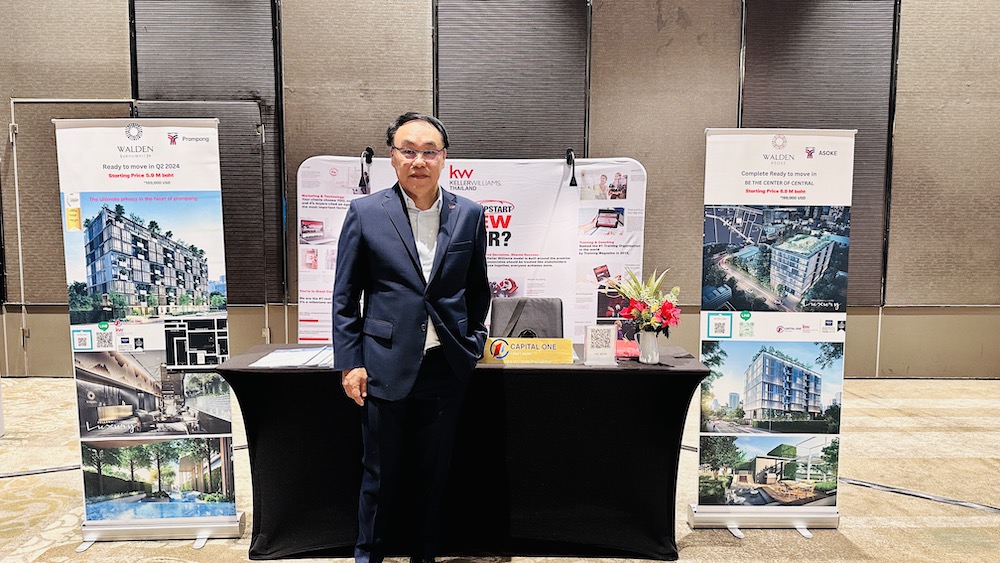
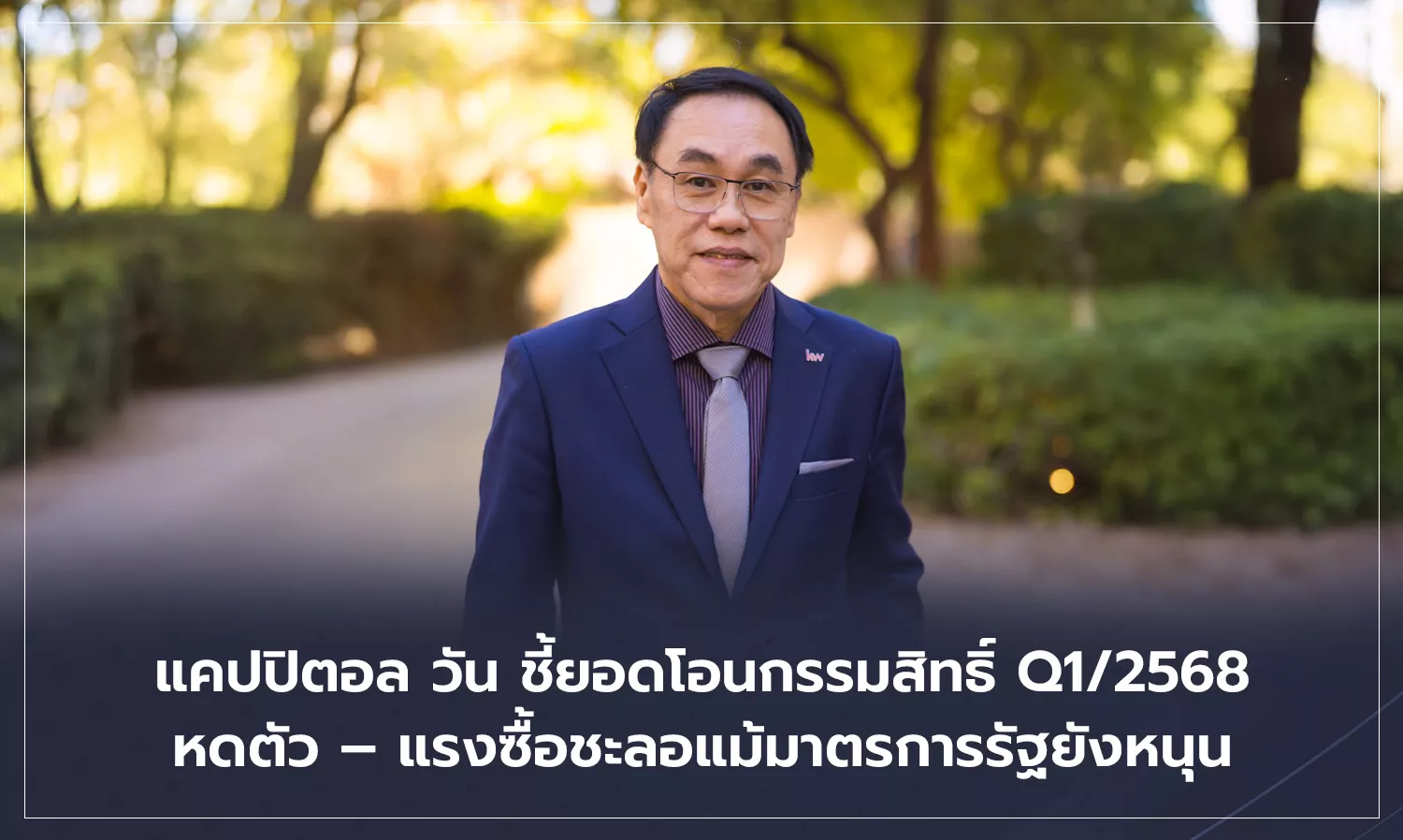
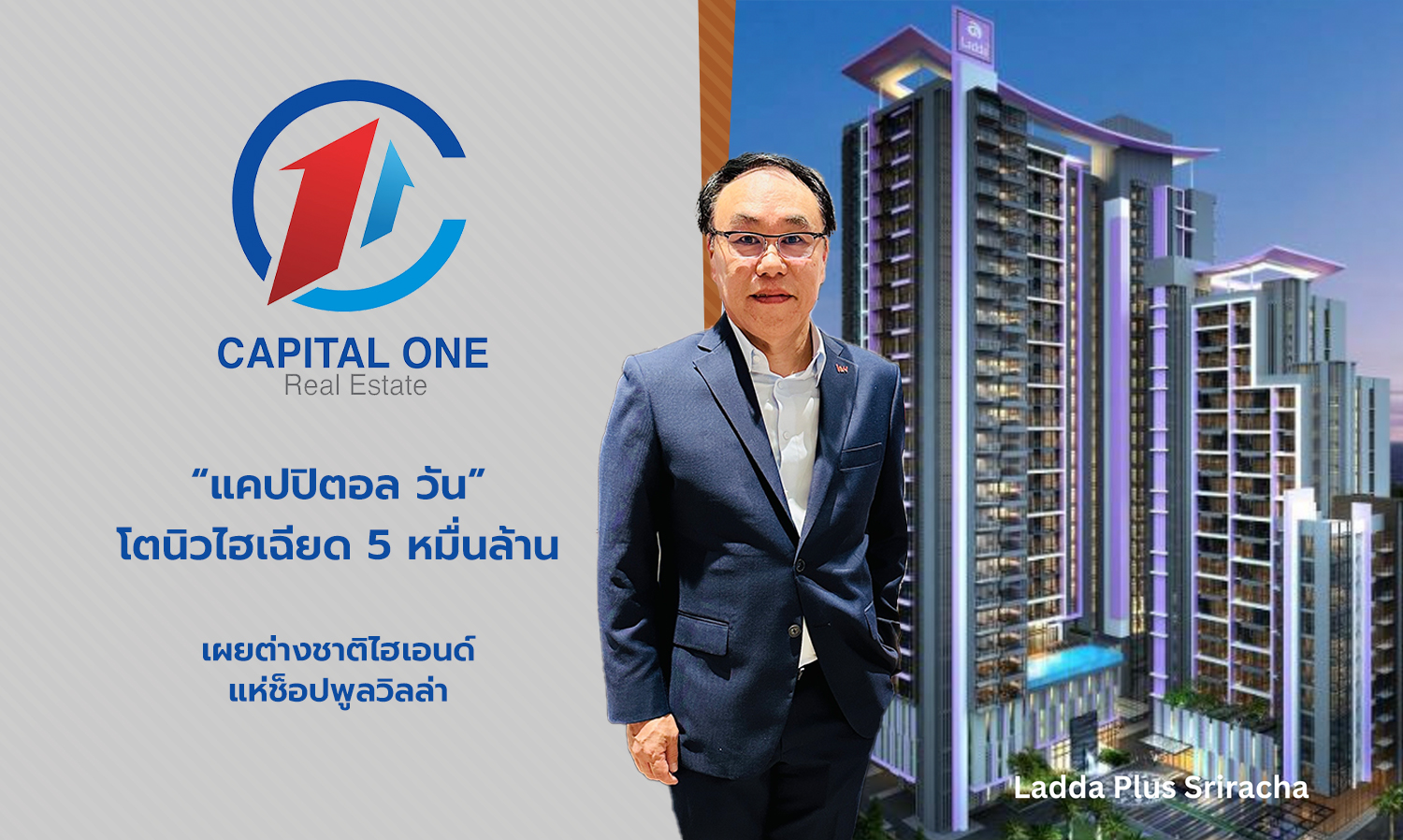
Mr. Wit Kulthanwiphat, CEO of Capital One Real Estate and Keller Williams Thailand, a top real estate agency and market consultancy in Thailand, revealed that the establishment of a new government is crucial for consumer confidence in purchasing homes, especially among foreign investors. The uncertainty surrounding the selection of a prime minister within 60 days (or political vacuum) could impact economic policies during the transition period.
Regardless of which political faction forms the government, stability and clear policy direction are essential to instill confidence in buyers and the overall economy. "I believe that no matter which faction is in power, the impact will not be significant, but there may be minor effects from campaign promises, such as raising the minimum wage to 450 baht. In fact, I see this as a positive factor, increasing income by 20%. Even with rising costs, such as construction, the increase in labor costs for contractors is relatively small, and inflation may rise but likely not exceed 5%."
However, I would like to emphasize the importance of monitoring interest rates. Currently, the interest rate gap between the U.S. and Thailand is significant, influenced by current exchange rates, which are fluctuating between 33-35 baht per U.S. dollar. Therefore, interest rates also affect purchasing power. We need to find a balance and try to raise interest rates to a suitable level without being excessively high, which is a financial sector concern. Additionally, measures to stabilize home loan interest rates, such as government support for the first three years, should be considered. The government already has measures to stimulate the real estate market, including reducing transfer and mortgage fees until the end of 2023. If the government can assist during this time, it would be beneficial, but we must avoid creating a dependency on market-stimulating policies, as repeated measures may lead to diminishing returns. If we want to stimulate the market, we need to think of new policies," Mr. Wit stated.
Be Cautious of Funding Sources for the "Home Establishment" Project
The "Home Establishment" policy, where the government assists with mortgage payments for first-time homebuyers of properties priced up to 1.5 million baht, is a good initiative. Some countries have implemented similar approaches, but we must carefully consider the source of funding for such projects. We believe this is a good initiative that can stimulate the real estate market by genuinely supporting lower-income buyers.
Regarding foreign clients, we are concerned about maintaining good international relations. Any negative remarks or attacks on any country will not benefit Thailand, regardless of political stance. Creating hatred or division with major powers will not be advantageous for Thailand. In terms of trade, both China and the U.S. are crucial trading partners for Thailand, with export values to both countries being relatively equal. However, Thailand imports less from the U.S. compared to its exports, while imports from China are nearly double the exports. The trend of investment from both China and the U.S. is clearly increasing, so we must be cautious as this may affect the confidence of both customers and investors in Thailand.
Addressing the Income Structure of Home Buyers Due to Low Income Relative to Expenses
Mr. Wit discussed the overall real estate market, noting improvements and recovery in both domestic and foreign markets. The number of foreign clients from Europe and the U.S. has increased since the easing of COVID-19 restrictions. However, the main issue in the domestic market is purchasing power, as many individuals have incomes that are insufficient to cover their expenses due to ongoing debt burdens. The real estate market for properties priced between 2-3 million baht faces challenges in accessing credit, with high loan rejection rates. This segment accounts for 40% of the total market.
Additionally, last year's interest rate hikes have increased loan repayment amounts, making it even more challenging to secure loans. The interest rate mechanism has not changed, and while there is an upward trend, it is starting to improve. Meanwhile, condominium prices in Bangkok dropped by about 10% during the COVID-19 pandemic as developers rushed to sell off inventory to generate cash flow, particularly in the 2-5 million baht price range. Although prices have decreased, this has not significantly helped as purchasing power remains limited due to high household debt levels.
"Among Capital One's client base, which targets the B+ and A segments, there are no significant issues, accounting for only about 20% of the market. However, focusing on the larger base market of properties priced between 2-5 million baht still faces challenges with interest rates and repayment capabilities," he added.
Exploring the Lifestyle of 'Chinese-Myanmar-Indian' Buyers Choosing Thailand as a Second Home
Mr. Wit noted that the movement of foreign clients has improved since before COVID-19, particularly from Hong Kong, China, Myanmar, Cambodia, and the U.S. They are still interested in condominiums priced between 4-5 million baht, with Sukhumvit being a popular location. Delving deeper into the foreign client segments, both Myanmar and Chinese buyers are looking for high-end units, aligning with the projects managed by Capital One. For instance, Chinese clients are seeking penthouses priced between 20-50 million baht, and some are interested in units priced at 100 million baht. However, due to the domestic market conditions in China, the middle class is still hesitant to travel abroad, leaving only a small number of wealthy Chinese individuals who have been consistently traveling out since early 2023.
Meanwhile, Myanmar buyers tend to have different lifestyles compared to Chinese buyers, as they are more familiar with Thailand. Most of these clients are businesspeople with operations in Myanmar, seeking a second home in Thailand. They prefer condominiums near BTS stations, embassies, shopping malls, and universities, as many send their children to study in Thailand. The condominiums sold to Myanmar clients typically range from 2-20 million baht.
Indian buyers are another group that has increased significantly since the reopening of the country. They have good purchasing power and prefer to buy condominiums in Pattaya, Chonburi, with prices typically ranging from 2-4 million baht.
Saudi Arabia Deal via KW Set to Purchase Hotels in Phuket
Mr. Wit mentioned that the Saudi Arabian market is interesting, as KW has been opening up the market there for over a year to accommodate clients looking to expand their investments, including both funds and individuals. There is no ceiling on investment budgets, focusing instead on investment returns. From experience negotiating with clients, most are interested in purchasing entire buildings, condominiums, and hotels in tourist cities like Phuket and Pattaya.
"KW has deals in place to purchase three hotel projects in Phuket, with a total value of around 6 billion baht. We expect to finalize one deal worth approximately 3 billion baht by mid-2023," he stated.

U.S. Investors Return, Interested in 'Phuket-Samui', Singaporean Capital Slows Down in Thailand
Investment from the U.S. into Thailand is showing increased activity, partly due to real estate prices in the U.S. becoming overpriced, leading investors to focus on properties in Phuket and Samui, priced between $800,000 to $2 million, or around 70 million baht.
As for investors from Singapore, it appears that purchases have decreased, possibly because the real estate market in Singapore has improved significantly post-COVID, prompting Singaporean investors to focus on domestic properties, resulting in a decline in investments in Thailand.
Aiming to Manage Property Portfolio to Reach 50 Billion by Year-End
For the business goals in 2023, there are plans to manage projects both domestically and expand the foreign client base. It is expected that this year, the value of managed projects will reach 50 billion baht, up from the current management of 20 projects valued at approximately 30-40 billion baht. Recently, a contract was signed for the management of a large condominium project valued at around 4 billion baht, with another 4-5 projects currently under negotiation.
The managed real estate structure includes condominium projects priced between 2-30 million baht and villa projects priced between 7-20 million baht, with confidence in achieving sales targets of 10 billion baht from project management, representing a 300% growth compared to the COVID-19 period.
The CEO of Capital One further stated that for the international market this year, there will be a greater focus on foreign clients, aiming to increase revenue from international markets to 50%, which is a higher growth target than the pre-COVID period when international revenue was around 40% and dropped to 15% during COVID-19. The strategy to achieve this goal includes expanding branches, with plans to open a new branch in Hong Kong in the next two months, increasing market presence in China, expanding the client base in India, and increasing clientele in Saudi Arabia.