IKEA Hosts Special Workshop to Promote Quality Learning Through Play Led by Child Development Experts
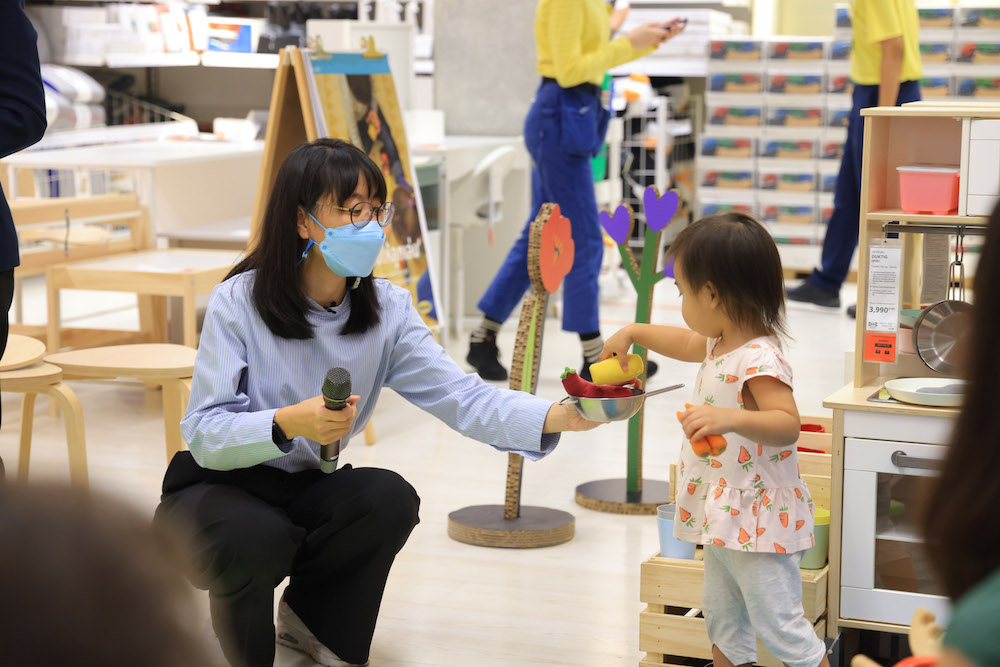
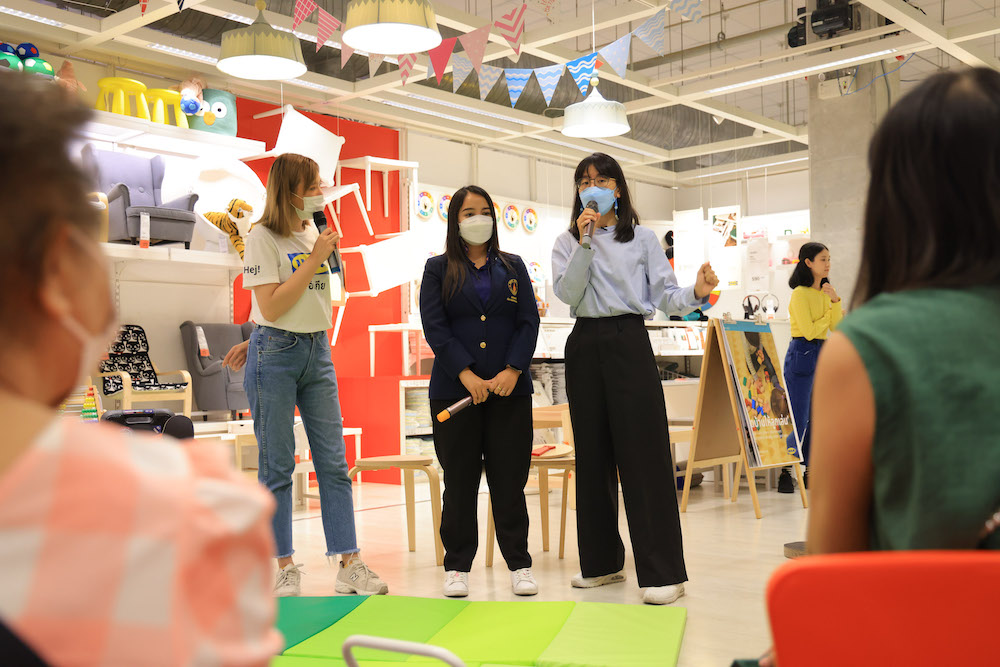
IKEA Thailand organized a special workshop for parents who are members of IKEA Family, aimed at promoting children's learning and development through quality play under the concept of "Learning by playing." IKEA believes that play is a form of learning. The event featured child development experts from the National Institute for Child and Family Development at Mahidol University, who shared insights on age-appropriate play to help parents understand and engage in their children's skill development. Attendees also received numerous tips on creating a safe play environment. Additionally, interior designers from IKEA shared techniques for organizing homes to foster learning spaces.
The Role of Parents in Promoting Learning at Different Ages
Parents and close family members play a crucial role in supporting children's development and learning from birth to early childhood. These individuals are responsible for nurturing, observing, and enhancing the learning process to ensure children develop holistically and grow healthily. Today, it is undeniable that online media and various technologies play a significant role in the lives of both parents and children. At the same time, play that encourages physical movement and supports comprehensive development is essential and should not be overlooked.
Dr. Prapassorn Puangsanglee, a child development expert from the National Institute for Child and Family Development at Mahidol University, stated, “When parents choose toys for their children, they should not only consider the children's interests but also select toys that parents can play with together. This helps foster warmth and closeness in the family, promotes development and learning, and reduces the issue of screen addiction among children. When parents engage in fun play with realistic sounds and create interaction, children find it more enjoyable than just watching a screen.”
Dr. Prapassorn also provided additional advice for parents regarding children's screen addiction, stating, “When children develop a habit of screen time, it leads to a lack of interaction and engagement, which may hinder their development. Parents can address this by participating with children during screen time, pausing the screen to explain or discuss what they are watching to create learning and two-way interaction. Furthermore, parents can reduce children's screen time by connecting what they are watching to tangible objects around them, allowing children to practice their senses, learn about the textures of those objects, and enhance their imagination and creativity.”
Regarding appropriate play knowledge for children at different ages, Dr. Prapassorn provided the following recommendations for infants and toddlers:
- For infants up to 3 years old, parents should engage in hands-on play with their children to create warmth, bonding, and a safe space. Children at this age tend to play alone by grasping various objects. Therefore, parents should focus on developing all five senses. Parents can use realistic and varied tones during play to stimulate imagination, as even though children at this age cannot respond, they can remember and think along. One day, when they are ready, they will express those remembered words. However, during this stage, parents must be cautious of toys that children can put in their mouths, as they may pose a danger.
- For children aged 3-4 years, or preschoolers who are beginning to understand rules, this age group can learn about winning and losing and forgiveness. It is a crucial time to instill emotional management and social skills through interactions with peers outside the family, such as friends at school. Parents can play along and act as a bridge to teach skills for engaging in activities with others.
Principles for Choosing Toys
Toys play a vital role in stimulating all sensory systems in children, including sight, hearing, and promoting muscle development in various areas, which is crucial for physical, emotional, and communicative development. In addition to selecting toys that benefit development, parents should also consider safety principles. Here are five important guidelines for choosing toys:
- Be cautious of small toys, as improper use may lead to choking hazards.
- Toys with long strings can pose a strangulation risk if coiled around a child's neck.
- Be wary of toys contaminated with chemicals, as some toys may contain chemicals to extend their lifespan or synthetic dyes for aesthetics.
- Avoid violent toys, such as air guns, dart guns, explosives, or toys that produce sounds exceeding safe levels for children (over 110 decibels), as they may damage hearing.
- Toys with sharp edges may cause injuries to children.
The Importance of Organizing the Home to Promote Learning
The surrounding environment is another key factor that supports children's holistic growth. Therefore, organizing safe and healthy spaces in the home significantly contributes to children's development.
Khun Panisa Jantasena, an interior designer at IKEA Bangna, stated, “IKEA is pleased to see the participation of IKEA Family members in this workshop. IKEA believes that play is an essential part of a child's journey toward discovery and learning, as well as practicing important skills. This workshop aims to help parents and caregivers gain a deeper understanding of their children's development at different stages and the importance of parental involvement in children's learning. IKEA is committed to designing furniture and toys that support play for children of all ages, allowing them to unleash their full potential through play while fostering imaginative play and stimulating learning. IKEA hopes to be part of the community in creating a positive impact on children's development and enhancing the overall well-being of all children.”
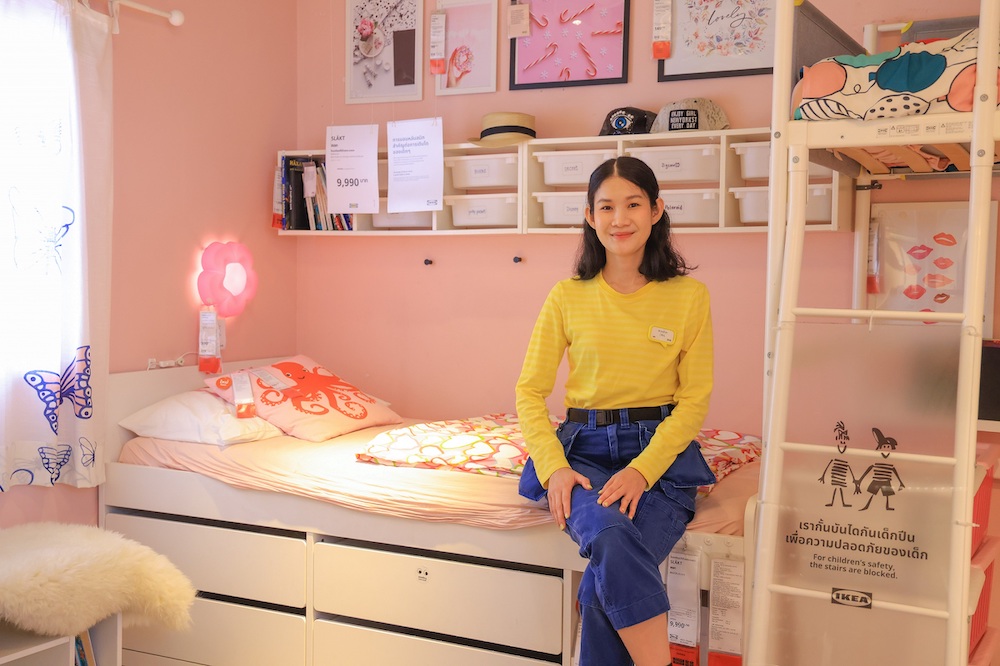
Khun Panisa also shared IKEA's tips for organizing play spaces in the home and creating an environment that promotes appropriate play for children, focusing on safety and functionality:
- Separate toys from other household items that may be hazardous, or consider using outlet covers in areas where children play to prevent electric shocks.
- Ensure adequate lighting and appropriate temperature. It is recommended to arrange furniture with safety in mind, ensuring sufficient light and ventilation in the room.
- Clearly separate areas for learning and play, to instill discipline in children. For example, a study area should have appropriately sized tables and chairs for children, with shelves or storage for organization to create a conducive learning environment, while play areas should allow children ample space to move freely.
- Designate areas for role-playing toys. Role-playing helps enhance imagination and encourages physical movement, such as play kitchen sets that can be placed near the kitchen, allowing children to play cooking alongside parents. This creates learning opportunities and discussions about what they are playing, fostering imagination and creativity. Parents must always prioritize safety when organizing these spaces.
IKEA encourages your children to have fun and develop easily at home, offering safe and enjoyable toys to inspire children to develop fine motor skills, social skills, and logical thinking through role play, imagination, creativity, and movement, including:
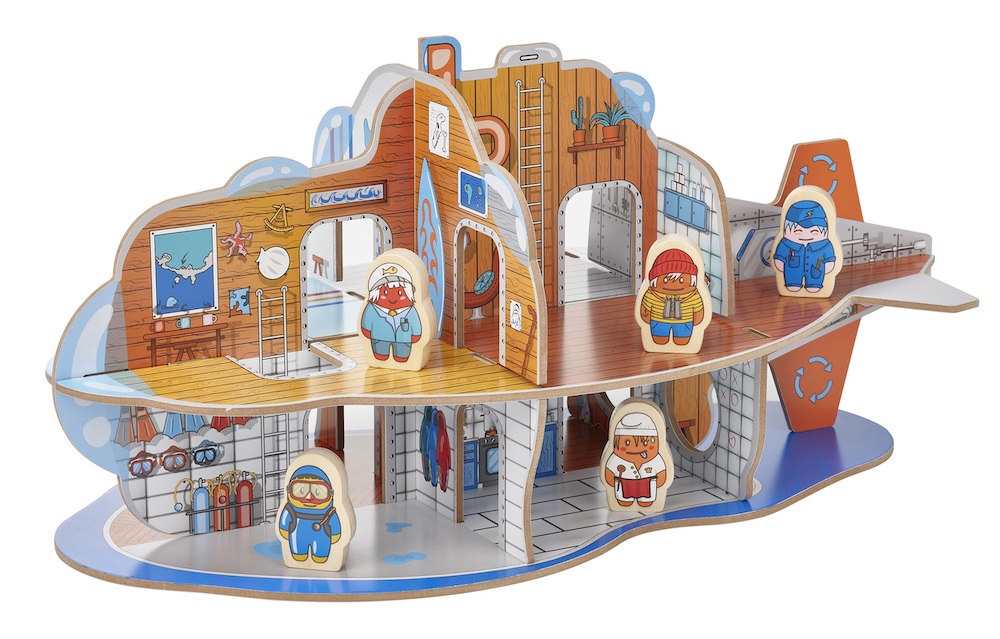
BLÅVINGAD toy submarine set with 11 pieces promotes imagination, social skills, and logical thinking in little ones.
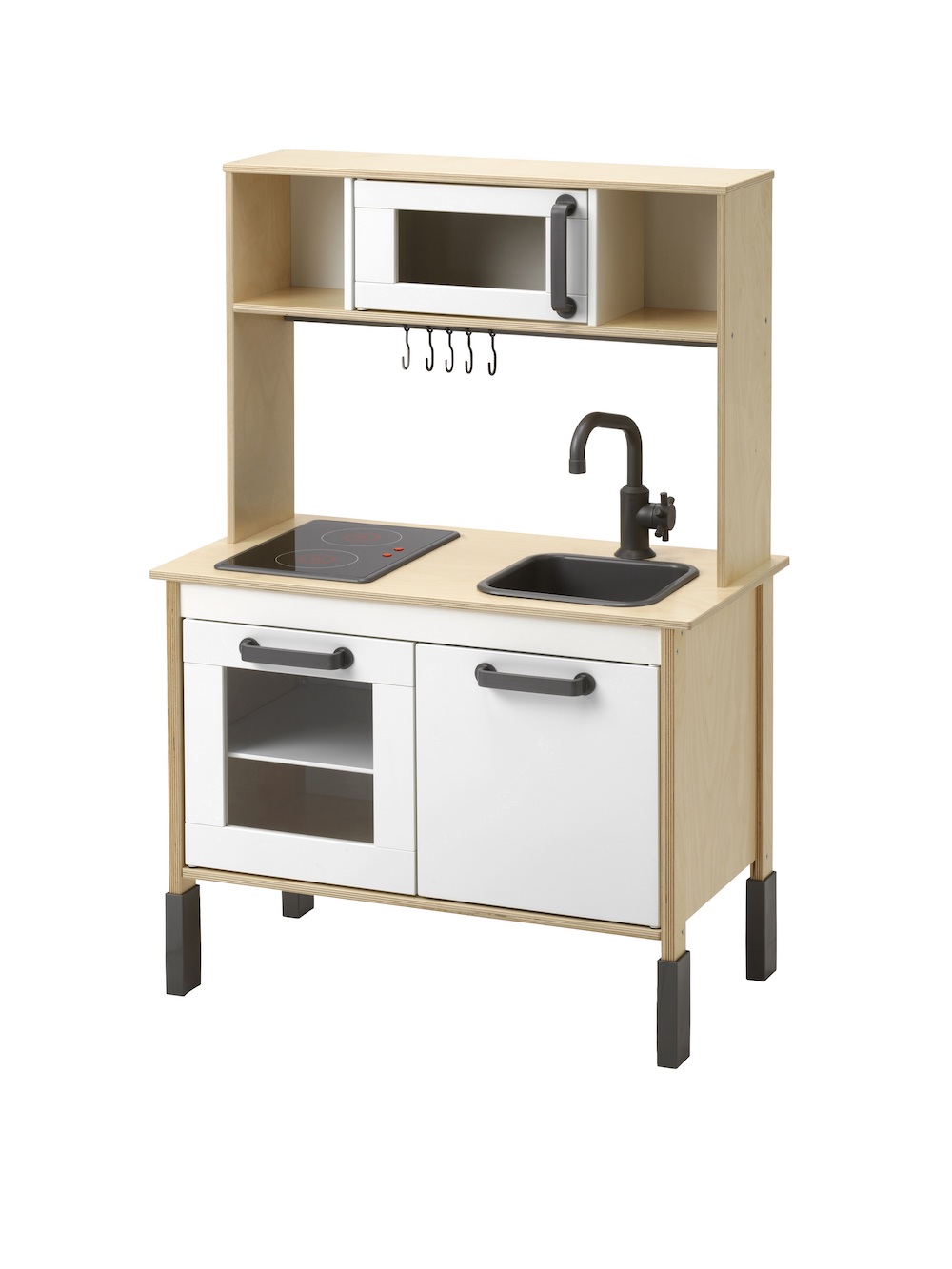
DUKTIG play kitchen enhances social development, allowing children to role-play as adults and create their own roles.
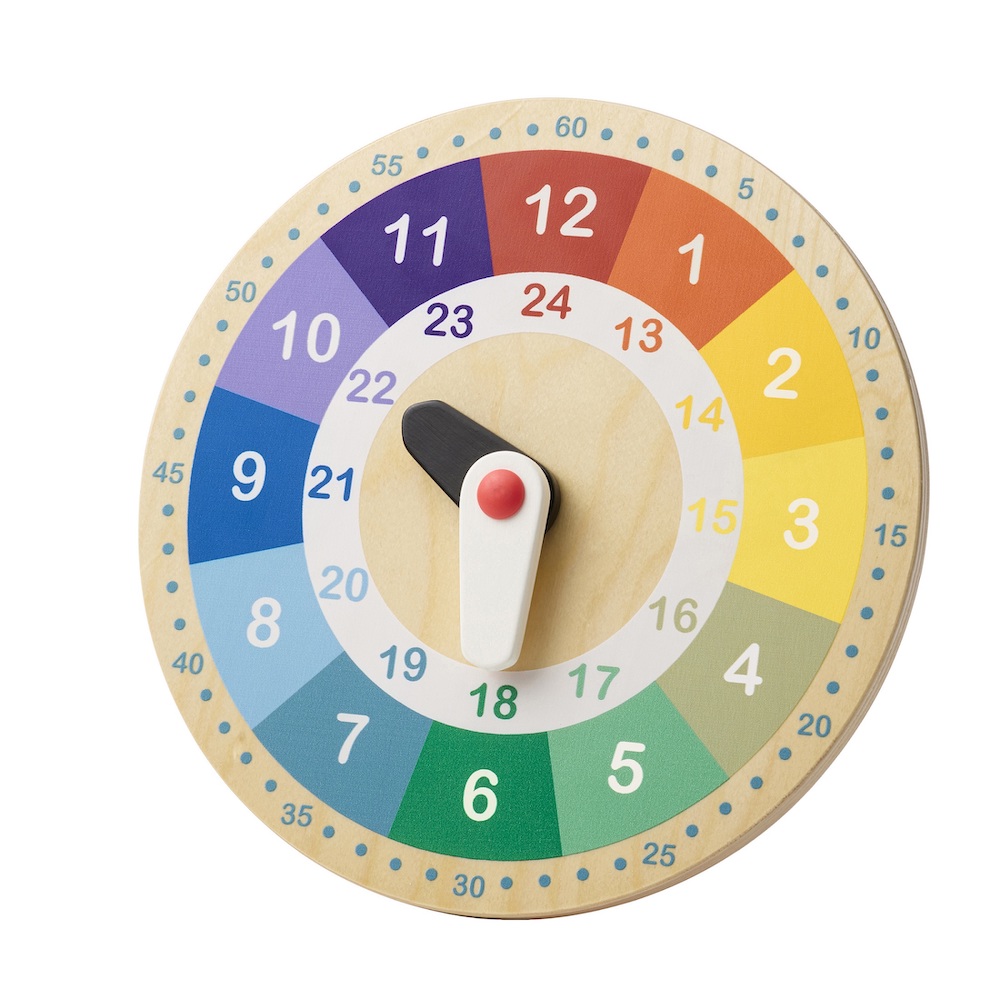
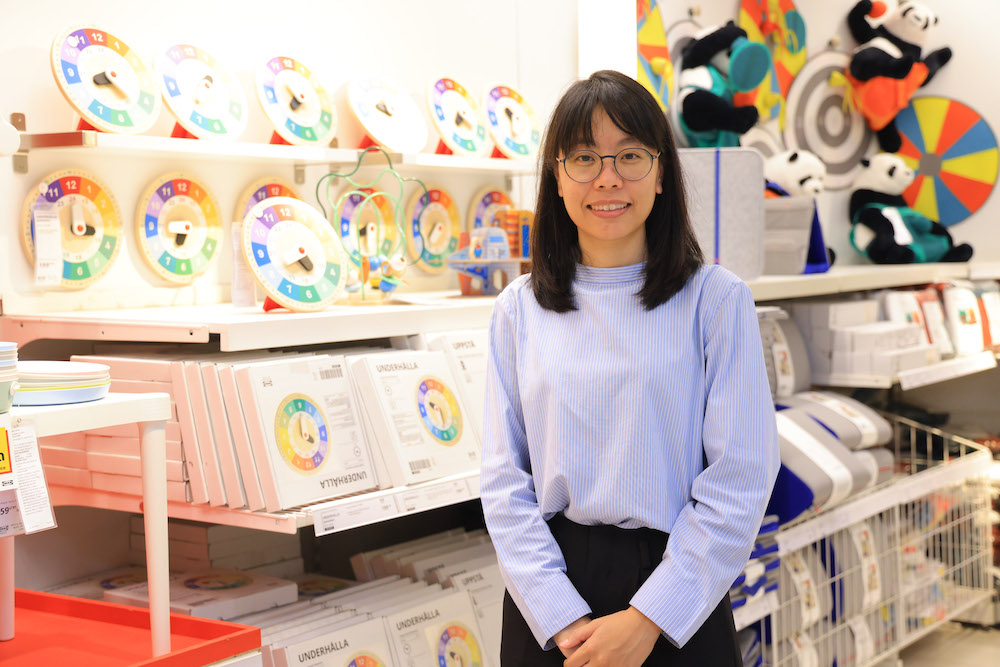
UNDERHÅLLA wooden clock toy teaches children about colors, numbers, and how to tell time, helping them understand the difference between hours and minutes while developing fine motor skills and logical thinking.
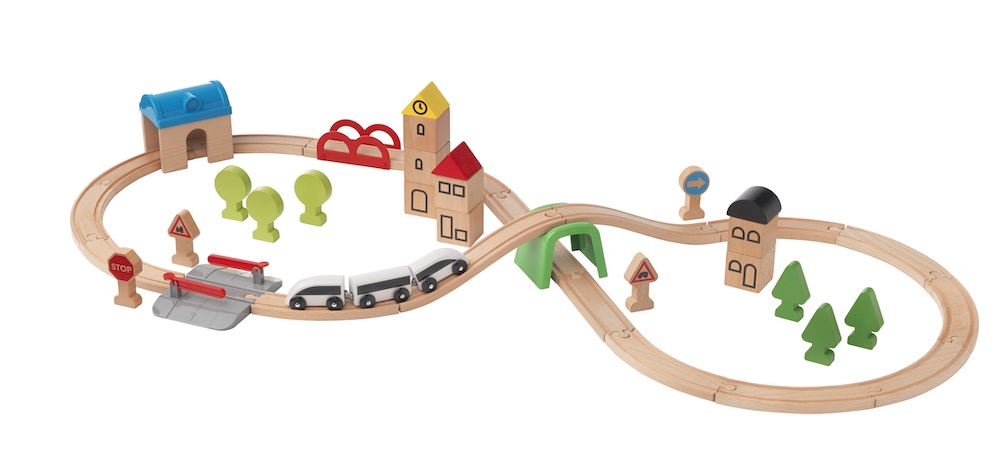
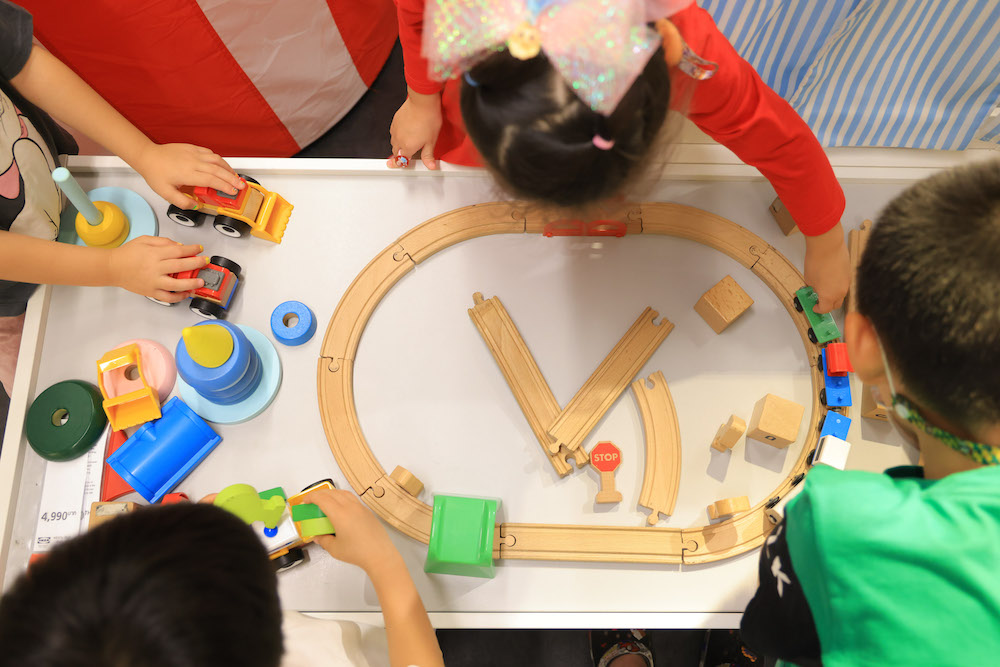
LILLABO 45-piece train set enhances imagination, muscle coordination, and logical thinking in little ones.
Those interested can join special workshops held throughout the year on various topics by simply signing up for IKEA Family membership at https://family.ikea.co.th/th/login, along with many other exclusive benefits, such as earning 10 bonus points for every 10 baht spent at IKEA stores, IKEA online, IKEA restaurants, and bistros, while accumulating more points in their birthday month and enjoying special rotating product prices every month.