How to Inspect and Repair a House After Flooding
“Flooding” <\/strong><\/span>is a common natural disaster that occurs every year, becoming a recurring problem for homeowners. Whenever there is continuous rain in the city, flooding often occurs due to the drainage system being unable to keep up. In rural areas, homes located in low-lying areas or along water flow paths to rivers also face this issue. Regardless of whether it’s just temporary flooding or prolonged submersion, once the water recedes, it leaves behind traces and problems that homeowners must address.<\/span><\/p>
When a “house” is flooded, the extent of the damage depends on the water level and the duration of the flooding.<\/span> If the flooding is high and lasts a long time, significant damage is inevitable, and the house is no longer a safe place. Therefore, after the water recedes, do not rush to inspect the damage immediately. It is advisable to wait for the area to dry completely for about <\/span>3-5 days to reduce the risk of danger from reptiles, electric shocks, sharp glass debris, and germs mixed with the water.<\/p>
Importantly, before inspecting the house, prepare the necessary equipment such as a flashlight, tools for checking electrical leaks, a long stick for moving debris, and dress appropriately, such as wearing long pants, rubber-soled shoes, a hard hat, and rubber gloves to prevent electric shocks.<\/span><\/p>
Inspecting the Area Around the House<\/strong><\/p>
Start the inspection from the area around the house, followed by the exterior of the house, and then proceed to inspect the interior room by room while taking photos and noting down repair items. You may also mark locations on a floor plan of the house.<\/p>
Once the water recedes... the soil around the house may settle, with some parts washed away, creating voids beside the house, in the lawn, and among shrubs. Some trees may also succumb to the water, and drainage pipes can become clogged with debris and sediment carried by the water. To address these issues, first remove debris and dead tree remnants from the ground. Then, clear the drainage pipes and scoop out sediment. Next, build a retaining wall to hold the original soil in place and fill in the voids beside the house due to soil settling. Alternatively, you can use cement foam, which is a liquid that flows to fill gaps under the house, and then backfill with soil to replace the lost soil. Homeowners can enhance the area around the house with walkways or artificial grass instead of real grass, as it is easier to maintain, repair, and cost-effective.<\/p>
Building Structure and Systems<\/strong><\/p>
Once the water recedes... you may find cracks in the structure of beams, columns, floors, walls, and fences. It is advisable to consult a civil engineer for repair guidance and hire specialized contractors for the work. The same applies to repairs related to electrical systems, such as water pumps, air compressor units, electrical outlets, and light fixtures. If electrical leaks are detected, consult and hire an electrician for repairs; do not attempt to do it yourself as it can be life-threatening.<\/p>
Building Finishing Materials<\/strong><\/p>
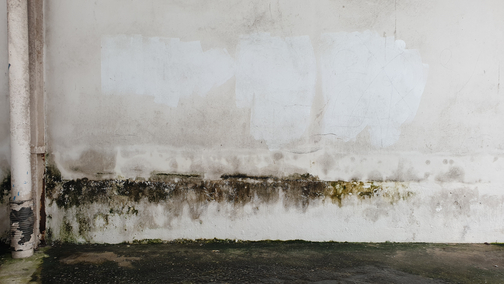
Once the water recedes... the flooring materials inside the house may deteriorate, peel off, and the walls may be stained with mud, dampness, and peeling paint, while mold may form on gypsum ceilings, and wooden doors and windows may swell, warp, and become difficult to open and close. Repairs should wait until moisture levels decrease. Then, remove the warped wooden doors and windows, sand them down to correct the warping, and apply wood sealant for reuse. However, it may be necessary to replace hinges, handles, locks, and sliding tracks. In cases where rust renders them unusable, proceed to clean off mud stains, peeling paint, and mold while also cleaning the flooring. If the water reached the ceiling level, all gypsum ceilings should be removed. Then, apply anti-mold and anti-algae solutions on both the interior and exterior walls, followed by a fresh coat of paint. For flooring, ceramic tiles should be used instead of the original materials, as they can withstand prolonged submersion. For ceilings, consider switching to fiber cement boards or leaving the ceiling open, ensuring electrical wiring is properly installed.<\/p>
For homes that frequently experience flooding, consider a new design for a new house instead of repairing the old one. This can involve applying the concept of elevating the house like traditional Thai houses to cope with flooding, such as raising the lower level of the house above flood levels, relocating septic tanks and water storage tanks that were previously underground to above ground, and raising water pumps and air compressors to avoid flood levels for easier maintenance. However, this elevated design may sacrifice usable space on the lower level if not utilized and may not be suitable for elderly residents.<\/span><\/p>
Thank you for the article from SCG Home <\/strong><\/span><\/p>  <\/p>
<\/p>
 <\/p>
<\/p>
 <\/p>
<\/p>