FutureTales Lab by MQDC Reveals 7 Mega Trends Shaping the Future of Bangkok in 2050
Dr. Kande Liowphairoj, Executive Director of FutureTales Lab, Magnolia Quality Development Corporation Limited (FutureTales Lab by MQDC) announced that the Future Studies Research Center, FutureTales Lab collaborated with Arup Foresight and Innovation Research Center in Australia to study mega trends that will define the future of urban living in the Bangkok metropolitan area, known as Greater Bangkok, which extends 150 kilometers to the east. The objective is to explore the driving factors of change and diverse visions that will guide Greater Bangkok towards developing a sustainable, livable, and environmentally friendly city.
“Over the past few decades, Thailand has transformed from a rural society with an urbanization rate of less than 30% to over 50% today, during which the population of Bangkok has doubled, becoming a metropolis with over 10.5 million people. However, the unplanned urban development and the emergence of COVID-19 serve as reminders of the city's vulnerability and its impact on the populace. This crisis coincides with climate change and biodiversity loss, which raises concerns about urban living.
Nevertheless, there are positive factors for development, such as the booming technology sector, a shift towards renewable energy, and increasing use of electric transportation, along with social media expanding new avenues for social connectivity, all of which are transforming and expanding the city in a positive direction,” Dr. Kande added.
Dr. Phannarin Sumanasethakul, Director of Future Forecasting Research at FutureTales Lab, Magnolia Quality Development Corporation Limited (FutureTales Lab by MQDC) stated that the study found that Greater Bangkok will develop towards 7 significant mega trends:
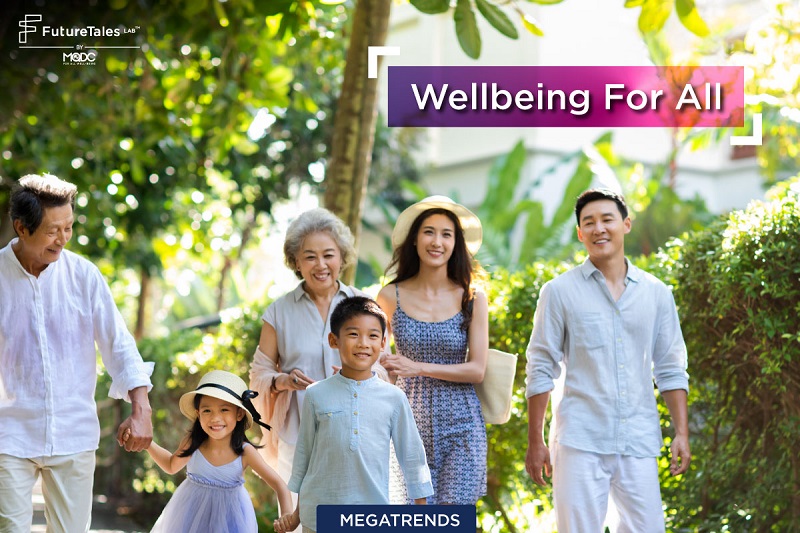
1. Wellbeing for All: The health issues of humans and the environment in the rapidly growing city are overwhelming Bangkok residents. Environmental risks, particularly air pollution, cause about 1 in 4 deaths and lead to chronic diseases, resulting in approximately 13 million deaths worldwide each year. A survey of over 15,000 consumers found that health and environmental issues are the top two concerns, with 3 out of 5 consumers believing their health is affected by environmental problems. This is echoed in a survey of over 1,000 Thai high school students, where 92% believe every life is valuable and emphasize the importance of balancing life and work for the wellbeing of all.
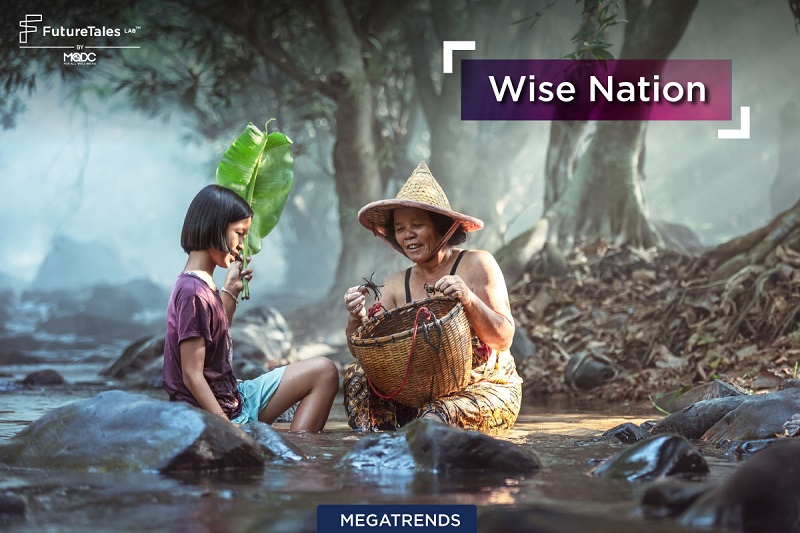
2. Wise Nation: Thai people are living longer, with life expectancy projected to rise to an average of 72.6 years (male) and 78.1 years (female) by 2025. More than half of the Thai population will be over 60 years old by 2050, which may reduce Thailand's average GDP growth rate by 0.75% over the next 30 years. Meanwhile, healthcare spending for the elderly is expected to quadruple between 2019 and 2022. This also creates opportunities for older workers, especially in passing on experience to younger generations. Research shows that older workers perform better than younger ones in soft skills (management skills, social skills, and loyalty), which can be leveraged to foster lifelong learning, leading to a wise nation.

3. Data Dominance: The Internet of Things (IoT) has placed city systems under the control of a few large technology companies, particularly regarding security and privacy. Seven out of the top ten companies globally by market value are tech firms, as are seven out of the top ten investors in research and development. This reflects that the tech sector spends more on R&D than other industries. However, the development of smart cities can enhance quality of life. McKinsey and Co estimates that smart city applications in ASEAN could reduce pollution by 260-270 kilotons, prevent 5,000 premature deaths, create 1.2-1.5 million new jobs, and save $9-16 billion in living costs.
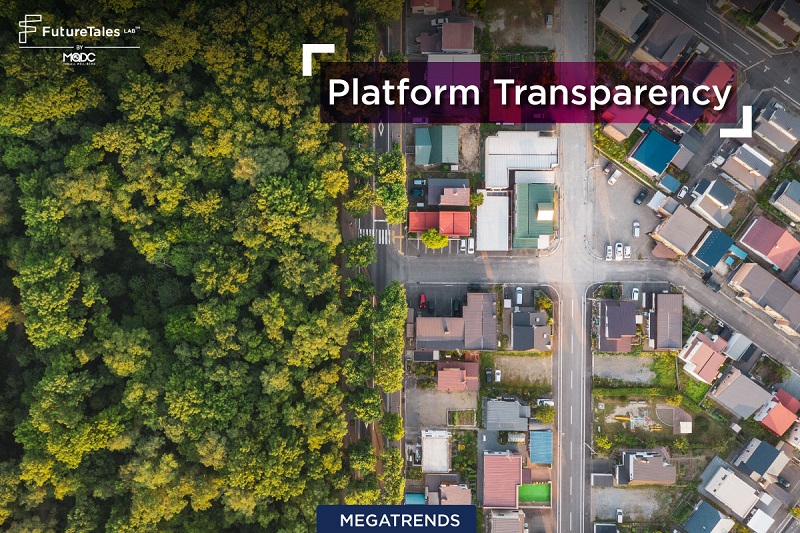
4. Platform Transparency: The rise of public demands in Thailand and globally increased by 11.5% between 2009 and 2019, leading to the establishment of digital infrastructure that promotes public participation and education. Thailand's network readiness index has steadily improved over the past 2-3 years, reaching 56th place in 2019 from 67th in 2015. Access to high-speed internet and the use of social media platforms are significant strengths for residents of Greater Bangkok, which will help drive policies and planning that align more closely with public needs.
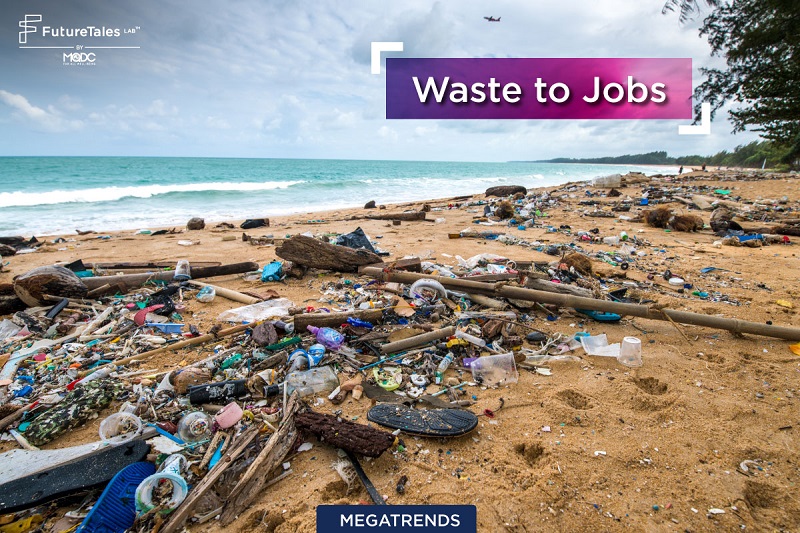
5. Waste to Jobs: By 2025, Thailand is projected to have unmanageable plastic waste accounting for 3.16% of global plastic, making it the 6th largest contributor to plastic pollution. Conversely, the technology entering various industries will create a circular economy and new jobs. The ASEAN and East Asia Economic Research Institute found that applying circular economy principles could boost economic growth by up to $324 billion and create over 1.5 million jobs in major Asian cities by 2042, including recycling and reusing plastics, transforming Thailand's current situation.

6. Health Holidays: Recently, Thailand has heavily relied on tourism, making international tourism a significant contributor to GDP growth. In 2018, tourism alone accounted for 21.6% of the national GDP and has become one of the leading destinations for retirees and health-seeking tourists through the Eco-Wellbeing Industry, establishing itself as a health holiday destination.
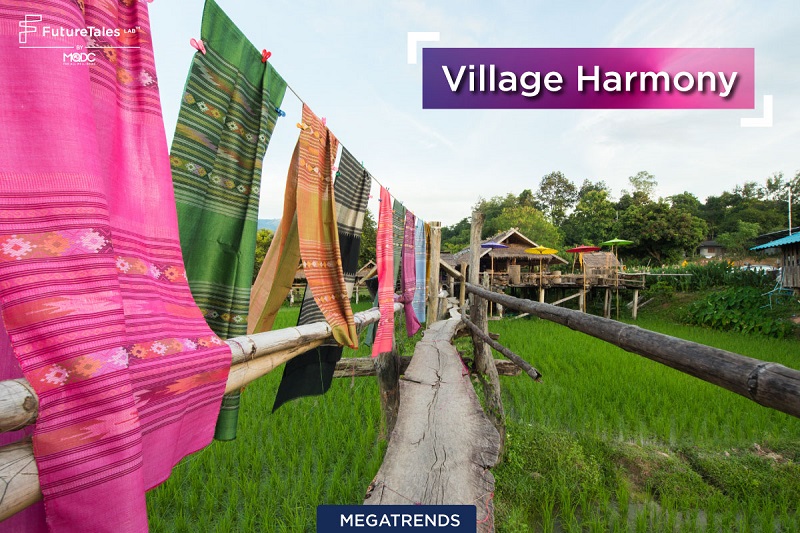
7. Village Harmony: Older Thai citizens are struggling with rising living costs and healthcare expenses, becoming increasingly concerned about "big city" issues, particularly air pollution exacerbated by population density. Recent studies have shown a correlation between urban development and economic growth, indicating a significant disparity in wellbeing between rural and urban populations. Consequently, more Thais are seeking to live in peaceful villages, valuing environmental restoration and their health. Bringing urban advancements to rural areas through affordable long-distance transport will facilitate economic development, providing a more livable environment with less congestion through affordable public transport and shared mobility, aligning with values of environmental restoration and personal health.
“Opportunities and challenges will create new perspectives and prepare for what may happen in Greater Bangkok over the next 30 years. Each dimension of the mega trends not only raises awareness but also helps urban developers, the public sector, and private entities envision possibilities for creating a sustainable city for all living beings,” Dr. Phannarin concluded.
Reference: Research on Megatrends for Urbanization of Greater Bangkok