LGBT-Friendly Housing
Currently, Thailand has over 3.4 million LGBT individuals aged 15 and older, accounting for about 5% of the country's population. This group is not only significant in number but also possesses purchasing power. Many individuals in this demographic live as couples and do not have children. As they enter old age, they are likely to live independently and prefer to reside in condominiums. A key factor that attracts this group to condominiums is the availability of communal facilities, such as gardens, fitness centers, swimming pools, and social activity areas.
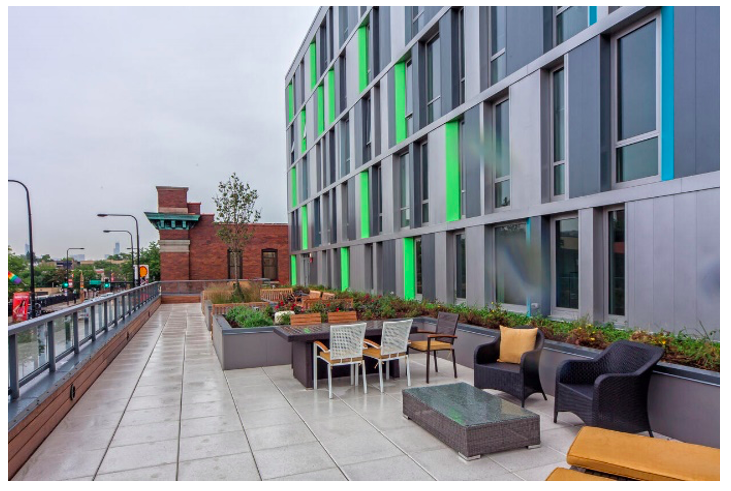
Source: www.powerconstruction.net
Designing with the preferences of this group in mind can create greater market opportunities for developers. An important aspect of LGBT-friendly housing design abroad is the emphasis on trust and a sense of camaraderie among residents of the same project. Features like rooftop gardens and indoor spaces for residents to meet, relax, and engage in activities together help foster connections and expand social circles.
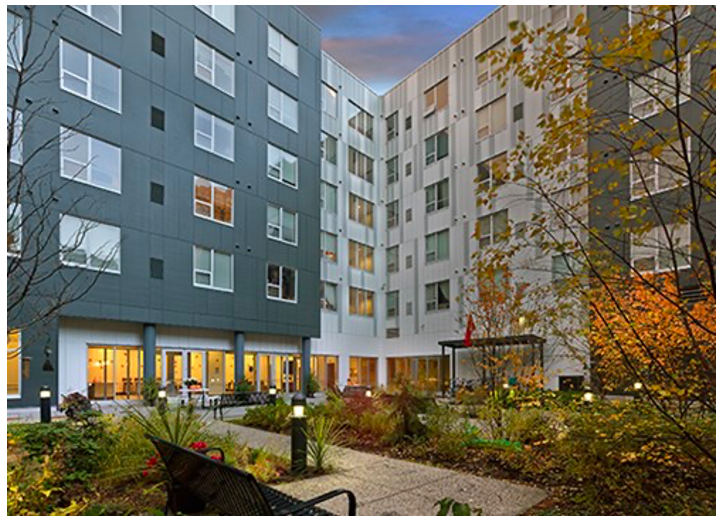
Source: www.pennrose.com
Another idea is to have gardens within the project where residents can participate in the design, from the building itself to the garden areas. These self-designed gardens reflect the identities of the residents, fostering a sense of pride. Choosing the right color tones for marketing and having project managers who understand the needs of this demographic are also crucial for attracting and creating market opportunities for developers.
However, the most important thing is to not view or treat this group as separate from others. Developers must emphasize the unity of all residents within the same project, respecting and accepting their expressions and identities, and integrating them seamlessly into society. This approach will help developers become a brand that resonates with this group and others alike.