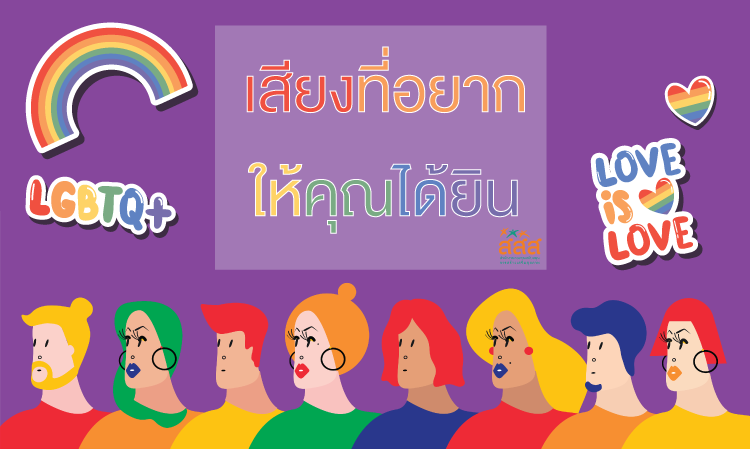
The Voices We Want You to Hear
"The Voices We Want You to Hear"
When sexual diversity is forced to create conditions of inequality in accessing well-being, what are the key mechanisms to reduce these disparities? What is the middle ground where equality can emerge, or is it all about the attitudes and perceptions of people in society?
The starting point of inequality leading to disparities in accessing well-being is being stigmatized because the voices that are expressed go unheard, or perhaps heard but not listened to with deep understanding. Recently, the Health Promotion Foundation (ThaiHealth) and its network partners opened a space to listen to voices that others do not hear in a practical discussion titled “Creating Mechanisms for Justice When Gender (Diversity) Makes Us Unequal” at the academic conference and knowledge exchange event, Voices of the Voiceless: Vulnerable Populations, to share work experiences and open a space to hear the faint voices of specific populations. Because no matter who you are, everyone deserves equal rights, at the very least to foster good health for themselves.
“The Starting Point” of Inequality
Mr. Note Jedsada Taesambat, Director of the Foundation for Human Rights and Gender Diversity, spoke about the starting point of inequality in the mechanisms of justice, stating that “What creates inequality begins with the beliefs of people in society who think that this world consists only of women and men, leading to the design of welfare, laws, and policies that only accommodate these beliefs. In reality, we are in an era of sexual diversity that includes more than just women and men. Additionally, there is an attitude that views being a woman or a man as normal, while anything that deviates from societal expectations is seen as abnormal. These attitudes lead to unequal perceptions of individuals.”
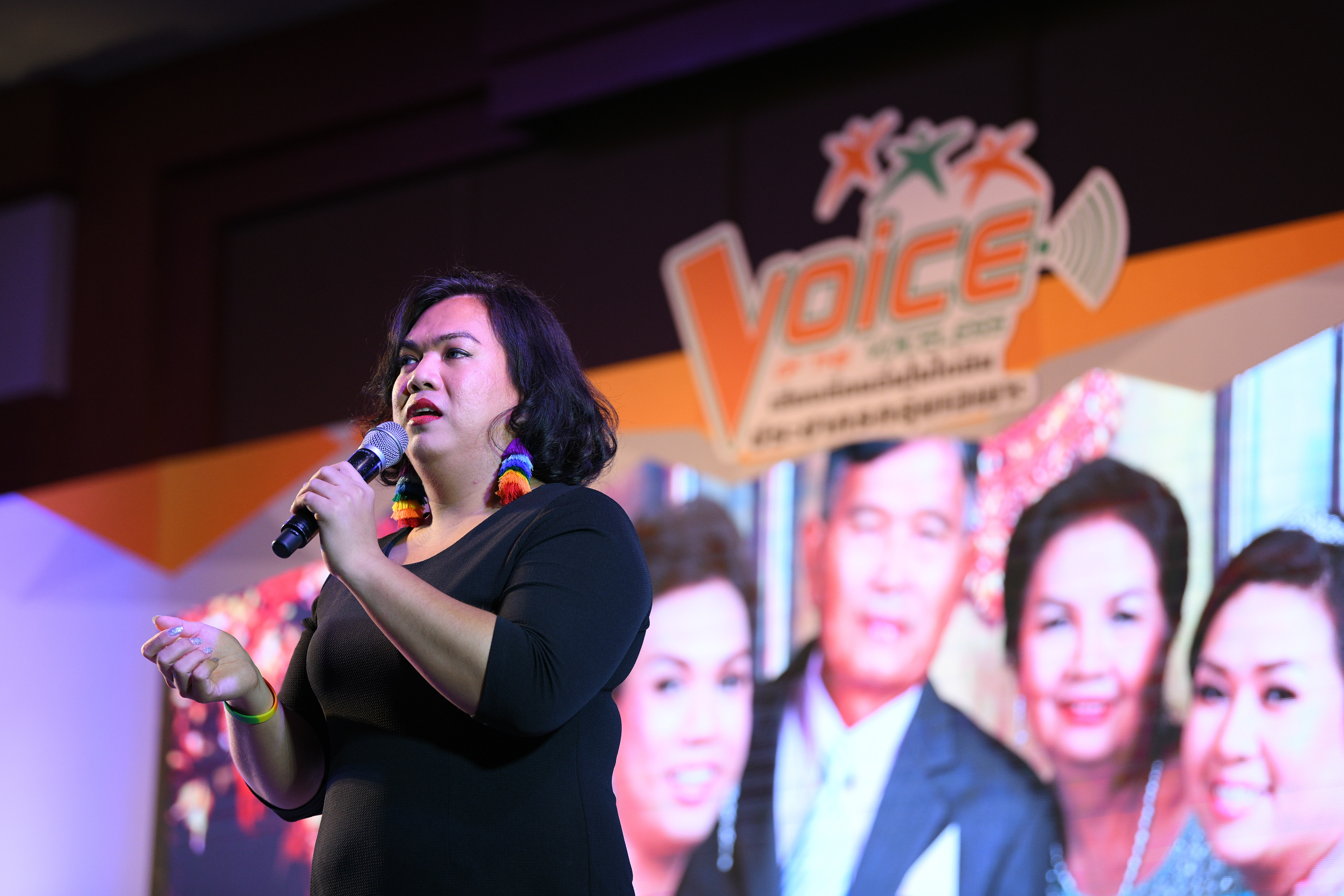
(Mr. Note Jedsada Taesambat, Director of the Foundation for Human Rights and Gender Diversity)
When Gender (Diversity) Makes Us Unequal Mr. Note shared his views that policies and laws designed do not promote equality, along with societal attitudes, leading to differences and inequalities. Dr. Chanettee Thinnam, a faculty member of the Department of Mass Communication at Chulalongkorn University and an expert in gender studies, expanded on this by stating that “Inequality often arises from the judgment of humanity, where society views certain individuals as less human than others who are male or female, due to their differing gender identities.”
“Humanity is the largest framework. The humanity of diverse genders is judged based on gender identity or what society perceives as individuals who do not fit into the boxes of male or female.” Dr. Ann further elaborated that differing gender identities can lead to various forms of violence, including discrimination against the body, mind, and spirit.
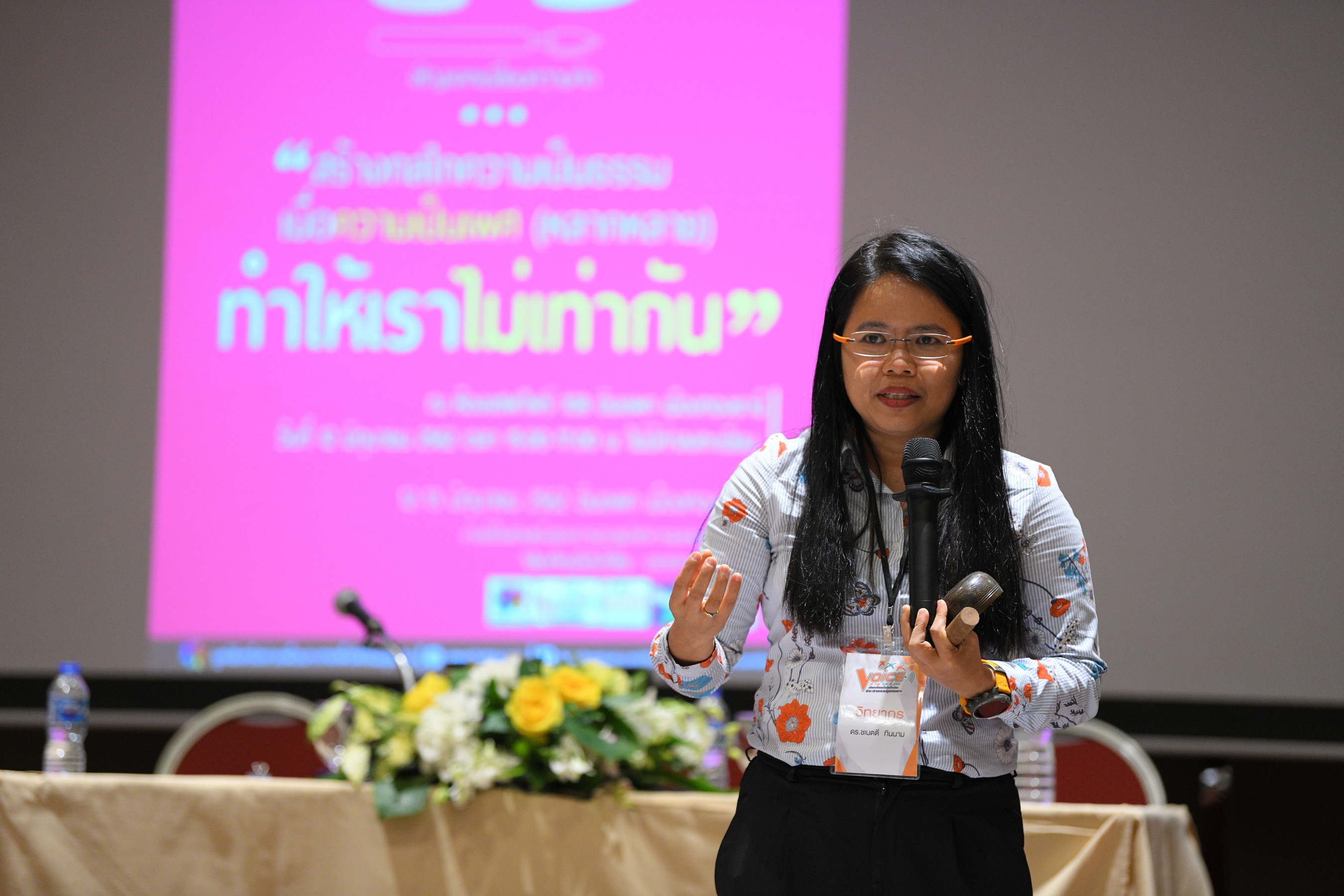
(Dr. Chanettee Thinnam, Expert in Gender Studies)
“Inequality in Health”
From a health perspective, Mr. Note shared his frequent experiences, stating that “If a transgender person is ill, even after undergoing gender reassignment surgery, being addressed as ‘Mr.’ forces them to share a hospital room with male patients, which can be uncomfortable and distressing. This leads transgender individuals to avoid the public health system, opting instead to work hard to afford private rooms or seek private healthcare services to receive treatment as women.”
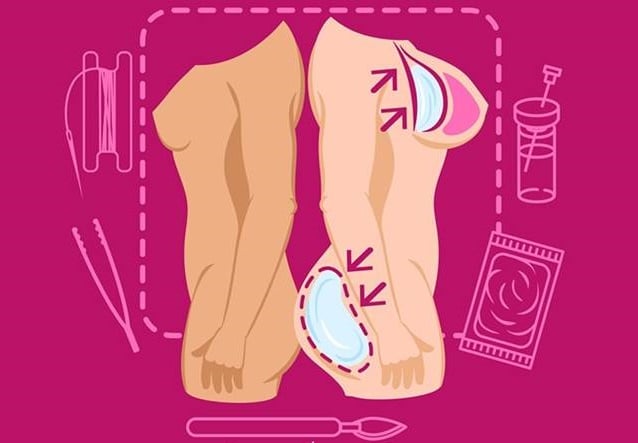
“Gender reassignment surgery is viewed as not related to pain that requires social security to provide care or compensation.” Dr. Ann explained that currently, there is still a lack of equitable health welfare and a social security system that accommodates the needs of diverse gender identities in relation to health. This is because transgender individuals may require special care for their bodies due to undergoing gender reassignment surgery, yet social security rights, gold cards, or others do not support medical treatment, which is a fundamental protection right.
“Risk” Due to Lack of Support
Mr. Note recounted that accessing hormones, breast surgeries, or gender reassignment is limited because it is not yet a welfare state, resulting in risks. The ease of access to hormones, whether through pharmacies, online orders, or even the black market, leads to a lack of safety and standards. Additionally, the presence of unlicensed practitioners puts diverse gender groups at risk of potential adverse effects, and ultimately, when mistakes occur, they must rely on government welfare for treatment. It is therefore crucial for the state to promote and support access to medications and health services, such as hormones and surgeries, to ensure they are standardized, safe, and accessible.
“Stigmatization” Creates Differences
“Diverse gender groups are often viewed in a more generalized manner by society compared to male and female groups with sexually transmitted diseases, because societal values, attitudes, or beliefs often perceive them as diseases resulting from ‘unnatural’ sexual relations,” Dr. Ann explained. When diverse gender groups seek services in public healthcare facilities, they may be treated with double standards.
“Thus, when ‘they’ fall ill due to these reasons, instead of receiving fair treatment and being treated like typical males or females, these groups may hesitate to seek treatment due to discomfort in revealing their gender identity to doctors or nurses, fearing unfair judgment.”
“Individuals who have not come out or revealed their identities may experience depression due to the lack of acceptance from family, society, schools, and communities, which constitutes one of the most severe wounds,” Dr. Ann added, stating that “Such individuals may lead to the creation of weak citizens simply because they have not been accepted or have been denied their existence all along.”
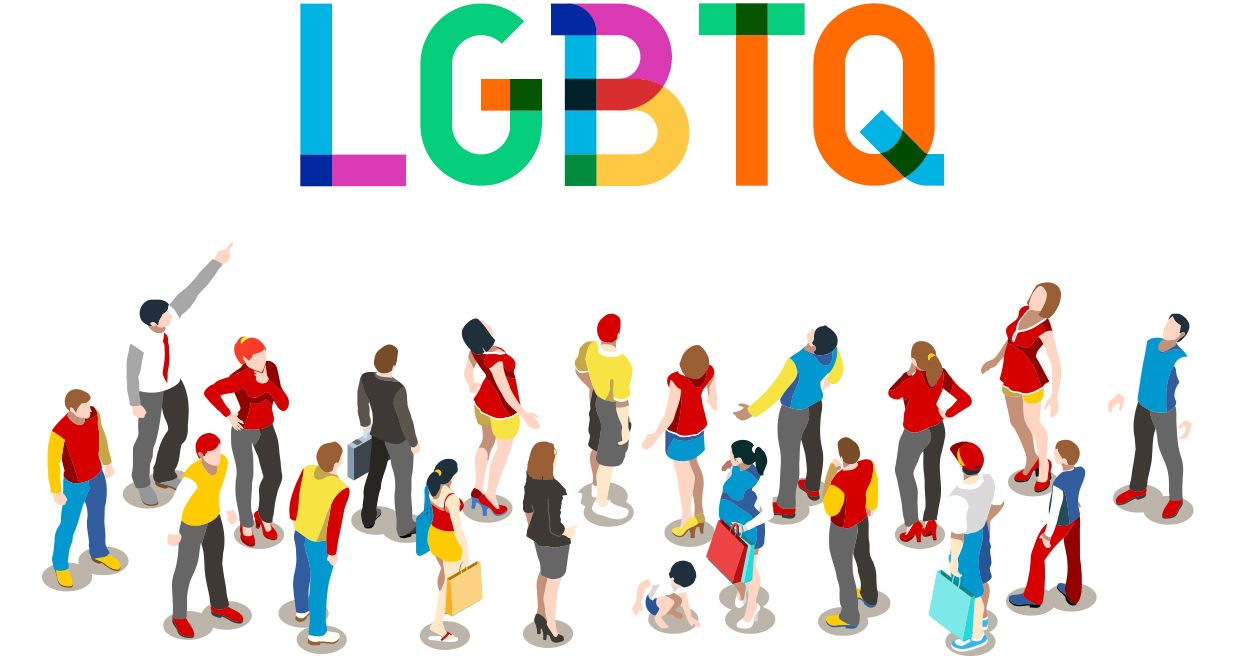
The Voices Others Do Not Hear
“We see many diverse gender groups in various media, especially in entertainment media. We think people hear our voices,” from the perspective of those with diverse gender identities, Mr. Note told us that “People hear our voices, but they do not see the importance or have not listened deeply. The acquisition of these voices must confront pressure, coercion, and social situations that compel us to overcome significant obstacles.”
Mr. Note shared that “If you listen to the voices of diverse gender individuals, I hope you listen deeply, to see the friction they face and the numerous obstacles they encounter in growing to where they are today. Many have had to leave their families, some have run away from home to pursue their dreams, some have been forced into therapy to revert to the gender society expects, and some have had to drop out of school due to bullying or being told by teachers that being transgender is wrong, etc.”
“We do not often hear voices from the outside world or from men and women because diverse gender groups need ‘friends.’” In the view of Dr. Ann, an expert in gender studies, she stated that friends in this context are those who accept and embrace with love, friends who can speak out or represent diverse gender groups. “Regardless of gender identity, we are all part of the diverse gender community. Therefore, let us raise these voices for our friends in the LGBT community because they are our friends.”
Mr. Note concluded by saying, “I want everyone to listen deeply. We will find that they do not want anything special beyond what men and women have. The rights or services we seek are the same as those available to men and women; we just want to be seen as citizens.”
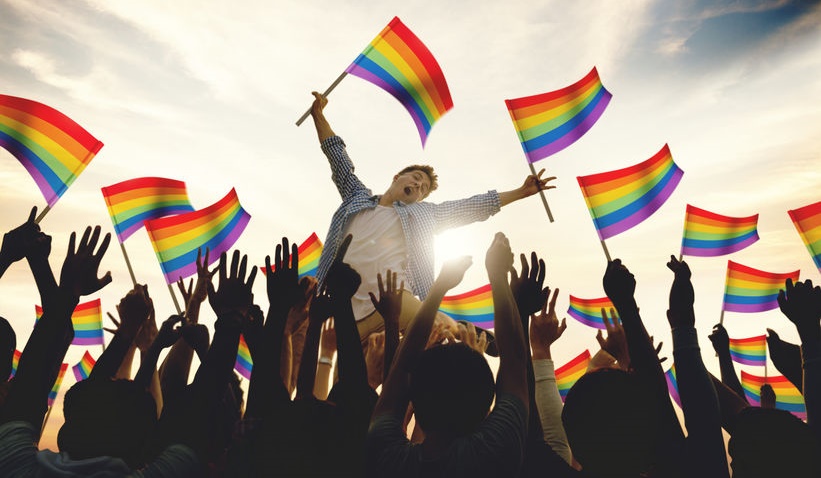
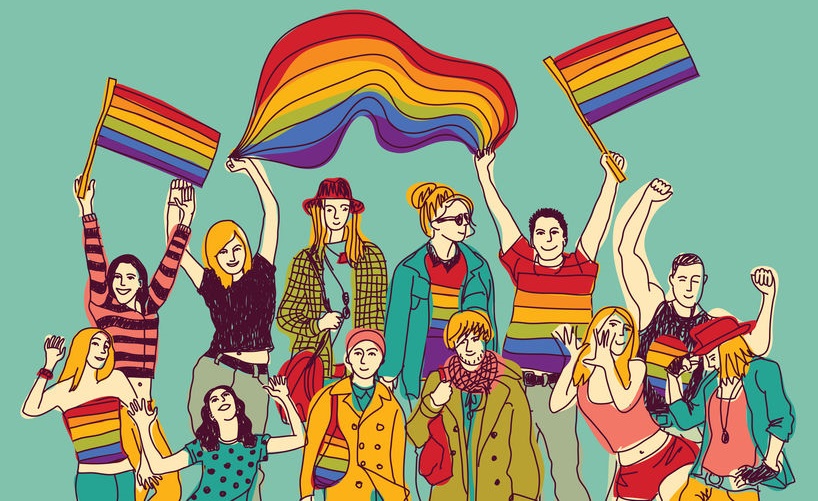
June is recognized as Pride Month, a month celebrating sexual diversity. Let us join together to amplify the voices of diverse gender groups regarding their access to equal rights, to foster better well-being in society. ThaiHealth and its network partners aim to create knowledge for parents and guardians to understand sexual diversity.
Because everyone is a friend, everyone is diverse
and is a citizen who can drive the country forward with strength.
Thank you for the information from www.thaihealth.or.th