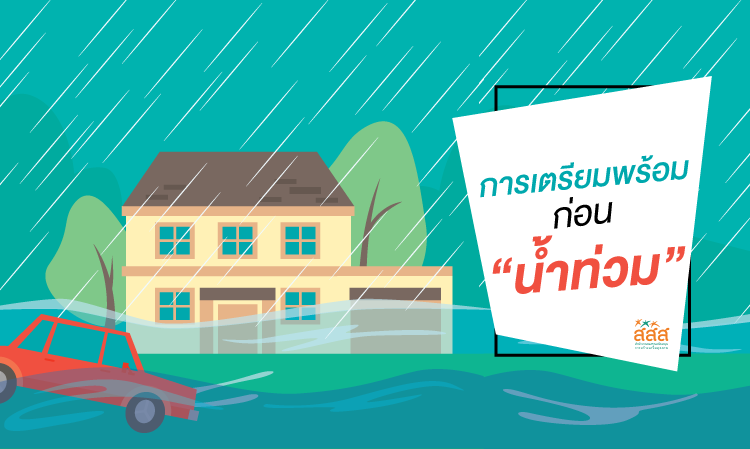
Preparing for Flooding
Preparation is crucial; do not underestimate the possibility of flooding, especially in areas with a history of floods or at risk. Here are some steps to prepare:
1. Regularly monitor news and flood situations.
2. Prepare clean water, food, canned goods, and necessary medications such as fever reducers, eye drops, wound care supplies, sugar, electrolytes, and any personal medications for those with chronic illnesses. Also, gather essential equipment such as communication devices with spare batteries, life jackets, flashlights with batteries, candles, matches, and enough trash bags or plastic bags to sustain yourself for 5-7 days.
3. Familiarize yourself with the community's emergency response plan, including signals, communication methods, evacuation routes, and locations of emergency shelters or evacuation centers.
4. Establish contact channels with local agencies and community resources for special assistance needs such as for young children, pregnant women, chronically ill patients, and individuals with disabilities.
5. If you have pets, prepare necessary items for their care such as food, space for the animals, and measures to prevent zoonotic diseases.
Thank you for the information from www.thaihealth.or.th