
The Identity of the Regency Era: The Richness of English Style Reflected Through Classic and Valuable Art to Modern Elegance
The early 19th century marked a significant period of social and cultural transformation in England's history, coinciding with the reign of King George IV, bridging the Georgian and Victorian eras. This era, known as the “Regency” (Regency Era), was a golden age of art and culture, where aestheticism flourished and became a rich period filled with diverse civilizational contexts. The allure of this era lies in its gateway to the Modern Age, seamlessly blending classical elegance with modernity, giving the Regency period a unique identity characterized by remarkable architecture, cultural arts, sculpture, literature, fashion, and music, all brimming with exquisite creations from renowned scholars and artists. It also reflects the high-society lifestyle in London, a dream for many around the world.
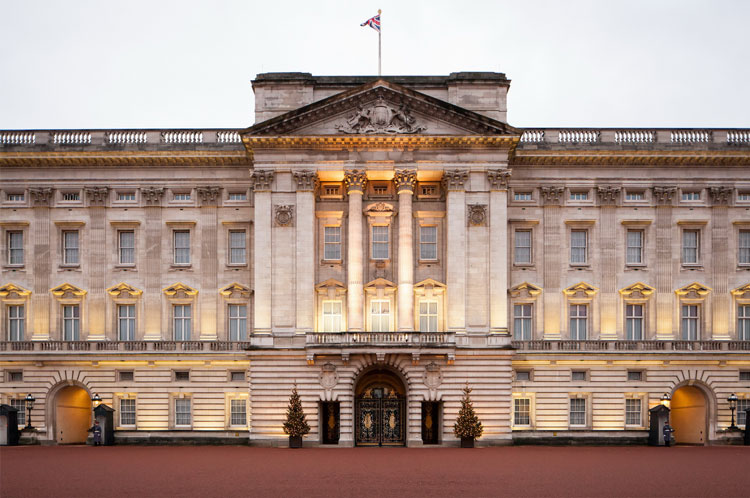
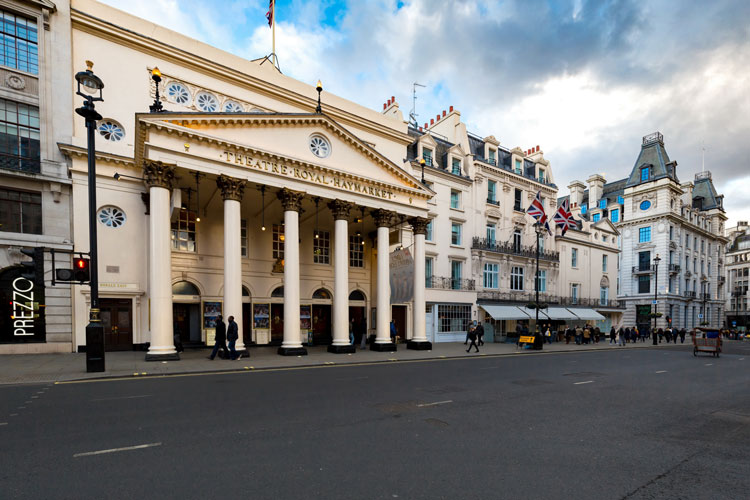
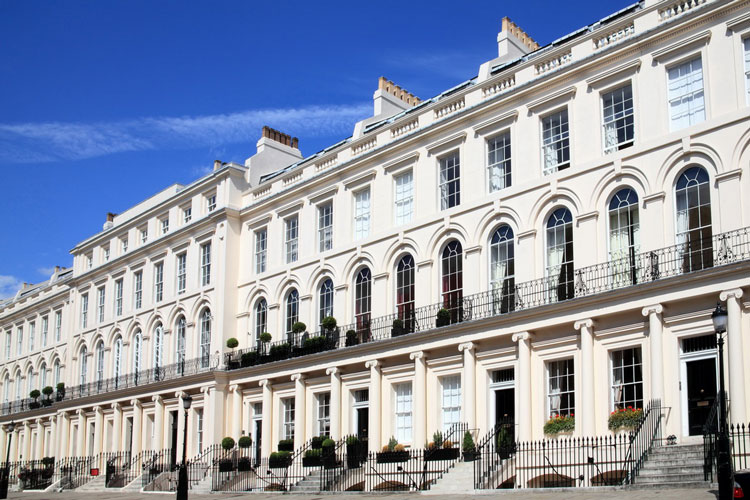
The architecture of the “Regency” era features numerous significant buildings that are both striking and ornate, deeply infused with the charm of classic English style, reflecting the prosperity of that time. Examples include Buckingham Palace in the heart of London, which still serves as a venue for important state events, Regent Street, a beautiful major thoroughfare that has become a famous shopping destination, and the Theatre Royal Haymarket, a classic theater distinguished by its grand Corinthian columns and ancient stone facade, with proportionate arched windows, still showcasing performances today. All these significant places remain prominent to this day, having been magnificently designed and expanded by the renowned architect “John Nash” (John Nash), who is hailed as the father of Regency architecture.
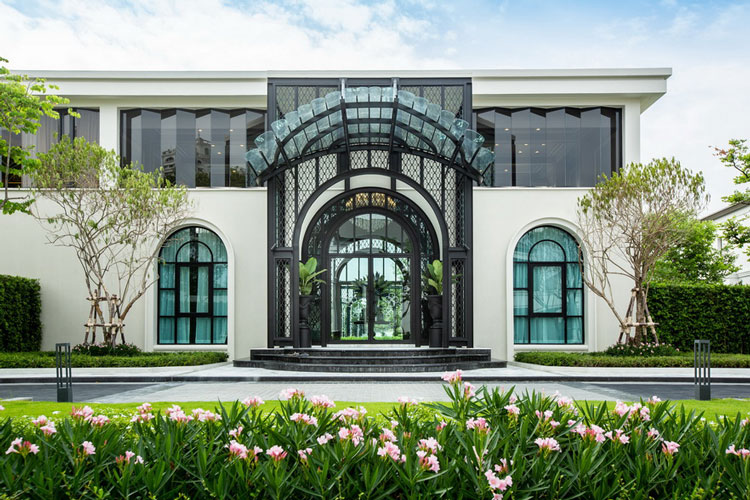
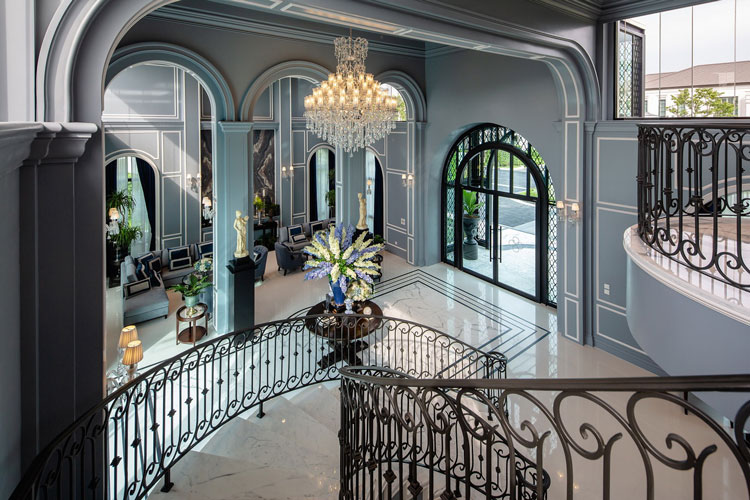
The architectural creations of this era emphasize luxury in line with the high society of England while retaining a warm and elegant atmosphere, evident in the sleek and sophisticated design featuring white tones contrasted with black elements. Tall windows invite the morning light, and arched doorways enhance the grandeur of the buildings, with facades that are intricately layered and gracefully designed. The exquisite craftsmanship of high-quality wrought iron reflects the magnificence and intricate lines of the Regency style, with beautiful curves that were widely adopted by the royal elite. The design of this affluent era prioritized strong, durable, and opulent structures in every square inch. The beautiful architecture of the Regency period thus stands as timeless art, including furniture and home decor, often crafted from mahogany, the diamond of natural woods, showcasing a fine grain and rich red hues that invite touch, embodying the luxurious prosperity of English style.
Another highly regarded art form that became iconic during the Regency era is porcelain ware, including high-quality ceramic cups, bowls, and vases, now widely recognized under the brand “Jasperware” produced by “Wedgwood”. These pieces are distinguished by their matte surface in soothing pastel blue tones and raised white patterns created through meticulous craftsmanship. These items gained immense popularity among the English royalty, earning the royal endorsement to be called Queen's Ware, which later became widely sought after throughout Europe and remains a valuable collectible in home decor today.
In addition, the music of classical composers from this era, such as “Wolfgang Amadeus Mozart” and “Franz Joseph Haydn”, continues to resonate through the Regency period, with Mozart being the original creator of over 600 vibrant compositions. Ludwig Van Beethoven, a musical genius, also contributed timeless classical pieces. The fashion of the time reflected the elegance of high society, influenced by ancient Greek attire, marking the beginning of avant-garde fashion among the royalty and nobility.
The flourishing of this era sparked the literary brilliance of renowned artists like “Jane Austen”, a romantic novelist reflecting English society, known for her world-famous novels such as Pride and Prejudice, Emma, and Sense and Sensibility. Her unique writing style, which reflects reality through the entertaining lives of her characters, has led to her works being adapted into films and plays, serving as a legacy for over 200 years.
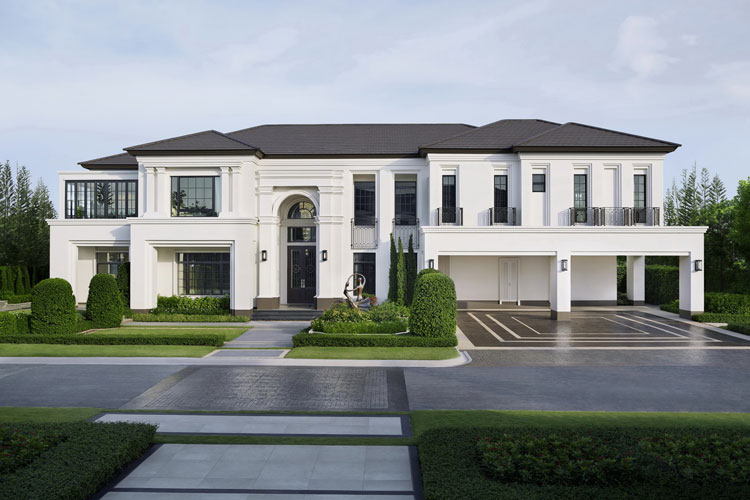
The beauty of the past is conveyed into the present through the creation of valuable architecture in the super-luxury flagship project “Baan Sansiri Pattanakarn”, inspired by the exquisite traditional identity of the Regency era in England. The white-toned houses, interspersed with black elements, evoke a sense of calm and elegance.
The initial impression from the entrance archway of the project, with its exquisite wrought iron craftsmanship, reflects the grandeur and intricate lines of the Regency style, complemented by stunning landscaping. The long road leading into the project is lined with various plants, guiding the eye towards the clubhouse, designed to resemble a masterpiece with a classic tiered facade, enhancing the charm of the delicate wrought iron work, characterized by a simple yet striking black and white color scheme that embodies the classic elegance of the English style.
Elevated by the aesthetics of living, enjoying afternoon tea, and seeking tranquility, the large clubhouse area is surrounded by nature's beauty. Inspired by timeless sculptures, the interior incorporates high art from Jasperware, using soothing pastel blue tones, with grand arched doors.
Every detail reflects careful attention, including windows and doors that enhance the uniqueness of the eye-catching wrought iron designs, featuring Sansiri's signature patterns, harmonizing with clear glass and contrasting black elements, allowing a clear view of the beautiful English-style aesthetics. Baan Sansiri Pattanakarn, a super-luxury flagship project, stands as a timeless legacy, perfectly blending the traditional essence of the Regency era.
Thank you for the information from www.sansiri.com