Singha Estate Collaborates with the Faculty of Fisheries, Kasetsart University to Pioneer the Restoration of Maya Bay According to the National Coral Plan
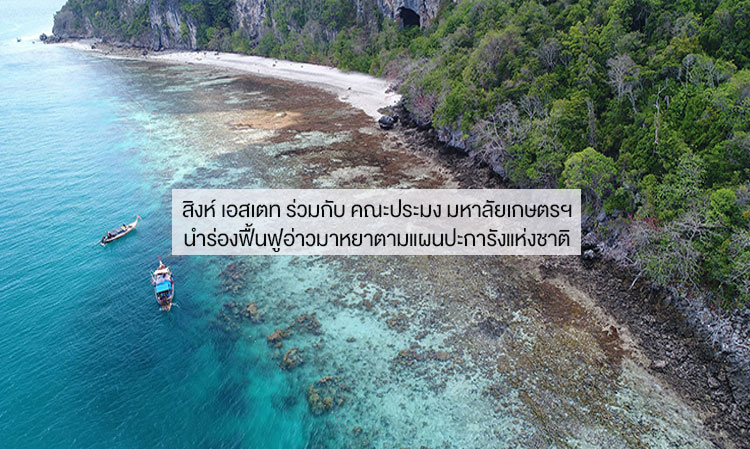
Singha Estate is advancing its strategy to create sustainable growth and conduct business alongside fostering a balance between community and environmental coexistence. In collaboration with the Department of Marine Science, Faculty of Fisheries, Kasetsart University, the company is following the public-private partnership policy within the framework of restoring Maya Bay according to the National Coral Strategy of the Ministry of Natural Resources and Environment. Additionally, it aims to promote conservation ideas through the establishment of a Marine Discovery Centre (MDC) for the community and tourists on Phi Phi Island, enhancing its status as a significant global marine tourism and learning destination. 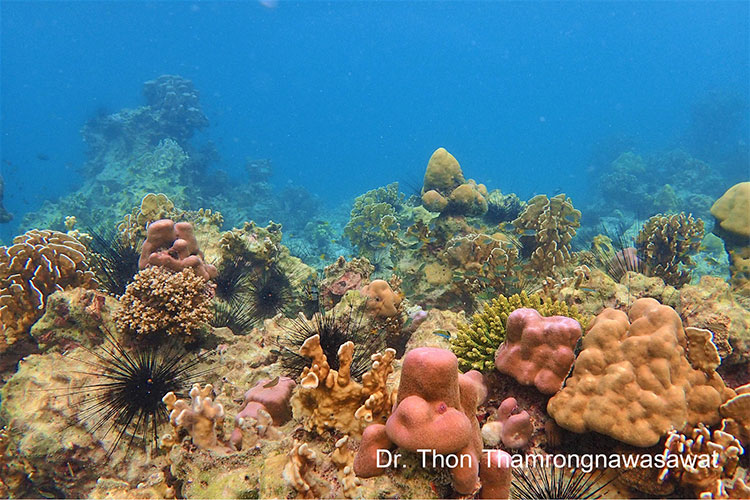
Mr. Narit Chayaklin, Chief Executive Officer of Singha Estate Public Company Limited, “S” stated that Singha Estate operates with a philosophy that combines business development with community enhancement and environmental conservation for sustainable growth, creating benefits for all stakeholders. The company emphasizes the importance of sustainable growth, which consists of two main components: reducing impacts and creating value through a policy of value creation and maintaining balance (Harmonious Co-existence). In the past, the company has initiated and supported public-private partnership projects for the Nopparat Thara Beach National Park - Phi Phi Islands to protect and restore marine resources continuously, including the project “Phi Phi is Changing”, which supports the Phi Phi model with Assoc. Prof. Dr. Thon Thamrongnawasawat. The company has provided patrol boats to park officials for use around Koh Yung and floating buoys for mooring points in the sea around the sandbar, along with the “Grow Fast” project aimed at educating the community and tourism operators to mitigate the impacts of tourism and maintain biodiversity balance in the Nopparat Thara Beach National Park - Phi Phi Islands.
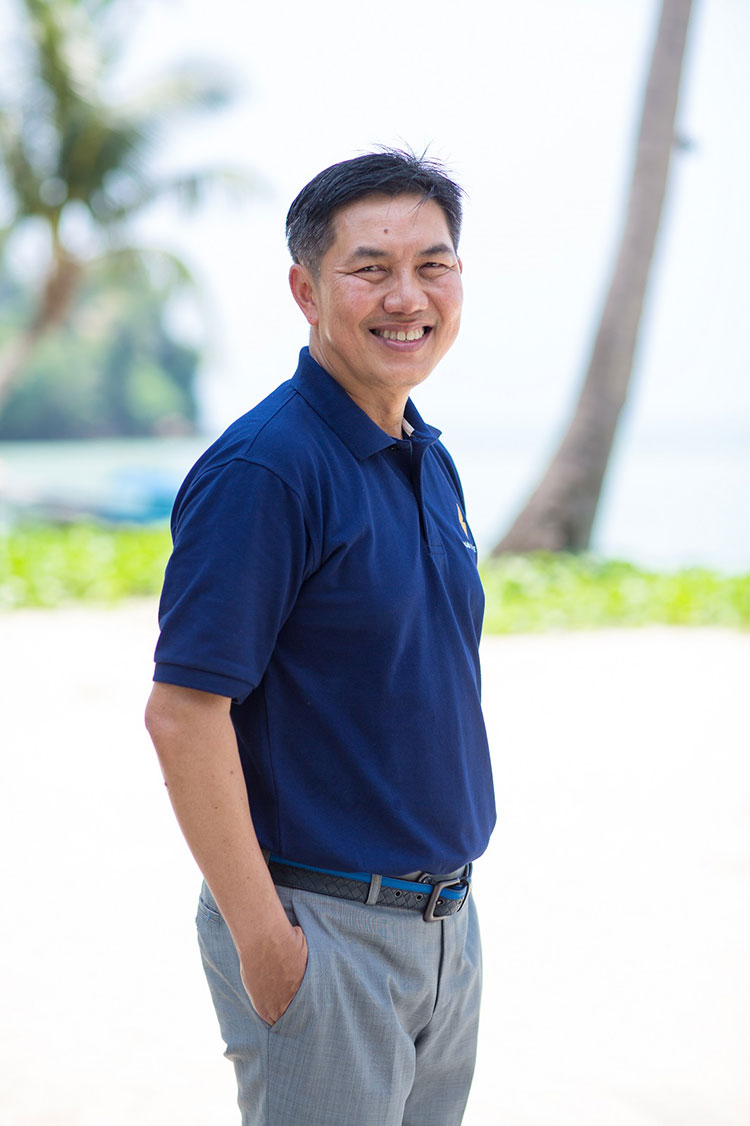
This year, the company has supported the Department of Marine Science, Faculty of Fisheries, Kasetsart University in implementing the “Coral Monitoring and Restoration Project in the Nopparat Thara Beach National Park - Phi Phi Islands using aerial drone photography and Coral Propagation methods in Maya Bay” to continuously and sustainably monitor the restoration of marine natural resources, in accordance with the National Coral Strategy of the Ministry of Natural Resources and Environment.
Furthermore, to raise awareness among tourists, youth, communities, and operators regarding nature conservation, Singha Estate has established a Marine Discovery Centre (MDC) at Phi Phi Island Village Beach Resort to disseminate knowledge about the marine biodiversity of the park, open for study every day. The centre is divided into four zones: the shark room, the Phi Phi Island learning room, the clownfish room, and the auditorium. This pilot project aims to foster participation and convey conservation ideas, allowing everyone to recognize the importance of marine conservation and work together to preserve Phi Phi as a rich marine environment. Additionally, this marine learning centre will serve as a model for creating learning centres in various projects of Singha Estate both in Thailand and abroad.
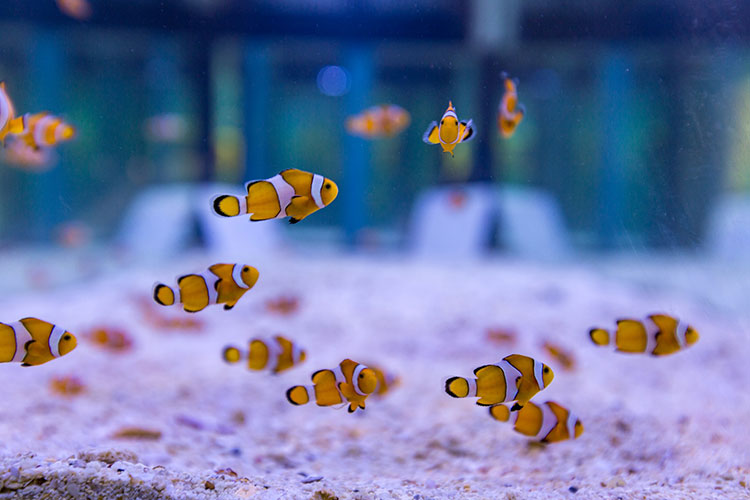
Assoc. Prof. Dr. Thon Thamrongnawasawat, Deputy Dean of the Faculty of Fisheries, Department of Marine Science, Kasetsart University stated that as a marine and environmental academic involved in promoting the “Phi Phi Model”, he has witnessed the success of collaboration between the private and public sectors in coral planting to restore the coral reefs around Koh Yung continuously for two years, resulting in significant recovery of the coral reefs in that area. This is a tangible success example of the “Phi Phi Model”, a prototype of the National Coral Plan under the national reform plan for natural resources and environment, aiming to reduce damaged coral areas to less than 50% within five years and less than 20% within twenty years, to conserve Thailand's coral reefs, which can generate tourism revenue exceeding 83 billion baht annually. This year, Kasetsart University, in collaboration with the private sector, is conducting a survey and monitoring project for the coral reefs around Koh Yung and the Phi Phi Islands. Initially, data will be studied from historical aerial photographs from the Geo-Informatics and Space Technology Development Agency (Public Organization) around Koh Yung over the past four years. Subsequently, aerial drone photography will be conducted every four months for one year to measure coral growth, and aerial photos will be analyzed and compared, facilitating efficient monitoring of coral growth over a wide area. Additionally, coral propagation will be conducted in Maya Bay, with growth monitoring through aerial drone photography every month during planting activities and every four months for one year thereafter. It is also encouraging that private sectors like Singha Estate Public Company Limited are committed to supporting marine environmental conservation seriously by utilizing hotel space to create a marine learning centre, allowing youth, local residents, tourists, and the general public—not just hotel guests—to learn about marine life free of charge.
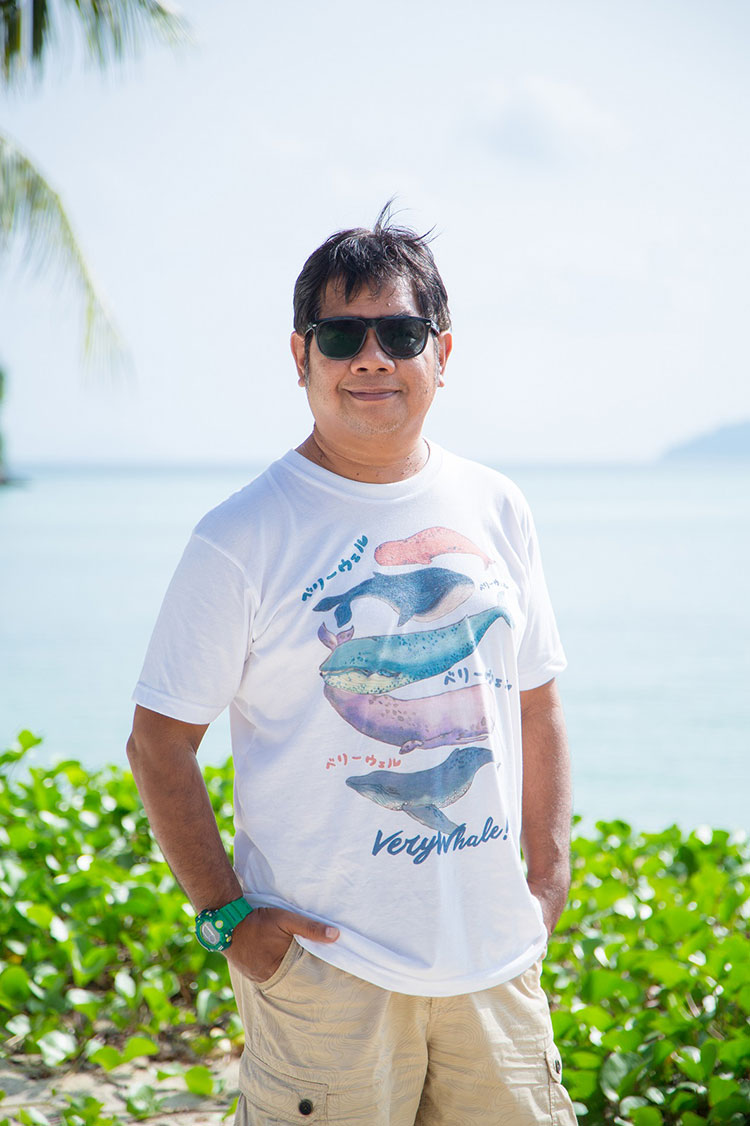
Mr. Sarayut Paso, Senior Forestry Academic and Assistant Chief of Nopparat Thara Beach National Park - Phi Phi Islands mentioned that currently, the management of the damaged area around Maya Bay will commence by closing Maya Bay to restore the surrounding coral from June 1 to September 30, prohibiting all tourism activities except for academic research. After the closure, the number of tourists will be controlled and limited to 2,000 per day, down from the previous 4,000-5,000 per day. Additionally, boats will be prohibited from passing through the coral areas in front of the beach. During the closure, boats can float outside the designated area, allowing tourists to view Maya Bay from the boat. The park aims for all stakeholders to recognize the importance of this matter and to educate tourists before entering the park to ensure sustainable growth in Thai tourism. Furthermore, it is gratifying that there are still private sectors that recognize the importance of conserving marine natural resources by creating a marine learning centre to foster knowledge and awareness of nature conservation. The park is willing to cooperate and engage with the private sector and encourage community involvement in conservation, restoration, and protection efforts to restore natural resources and the environment as a source of research, nature study, recreation, and tourism for the Thai people forever.
Mr. Narit further stated that regarding Singha Estate's sustainable development plans this year, in addition to establishing the Marine Discovery Centre (MDC) on Phi Phi Island, supporting coral planting, and monitoring and restoring corals using aerial drone photography in Maya Bay, there are also plans to implement a waste management campaign focused on creating knowledge and understanding of the issues and proper management. An important emphasis of Singha Estate is to provide a body of knowledge from the outset of every project, conducting business responsibly, focusing on creating a balance between community and environmental coexistence, and delivering value alongside sustainable growth in every location where the company develops projects, whether in Thailand or abroad.
Thank you for the information from www.singhaestate.co.th