UD Product Knowledge Seminar No. 8

Thailand Best Destination
1.World Population = Elderly
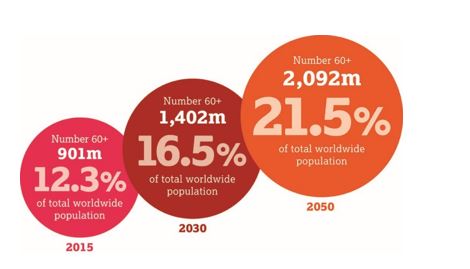
The Helpage organization predicts that by 2030 and 2050, the world will have 1.402 billion and 2.092 billion elderly people (aged 60 and above), accounting for approximately 21.5% of the global population. Some of these elderly individuals aim to spend their retirement abroad, making the Longstay market an interesting real estate opportunity for the future.
http://www.helpage.org/global-agewatch/population-ageing-data/population-ageing-projections/
2.Thailand…Destination
In early 2018, International Living Australia Global Retirement ranked countries based on the interest of Australians in retiring abroad, considering cost of living, quality of life, and healthcare quality.
The country’s infrastructure, the English proficiency of the local population, the size of the existing expatriate community, and the best returns in real estate business were evaluated. Thailand ranked second after Malaysia, with total scores of Malaysia, Thailand, and Bali being 91%, 88%, and 86%, respectively. It was noted that the Longstay Visa issue gave Malaysia a 13-point advantage.
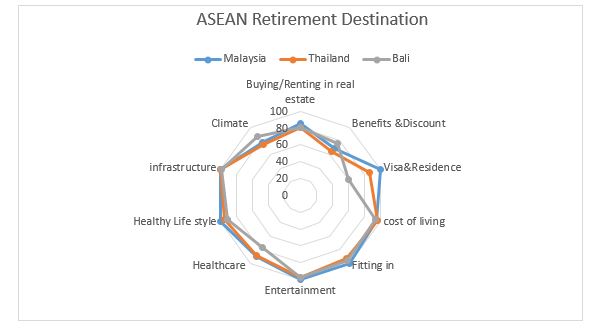
Currently, Thailand allows foreigners to apply for a Longstay Visa for 10 years, with the condition that applicants must have a bank deposit of 3 million baht or a monthly income of 100,000 baht or more, and must maintain the deposit as stated in the bank. This applies to 14 countries including Denmark, Norway, Netherlands, Sweden, France, Finland, Italy, Germany, Switzerland, Australia, USA, UK, Japan, Canada. Therefore, it is expected that more Australian retirees will flow into Thailand.
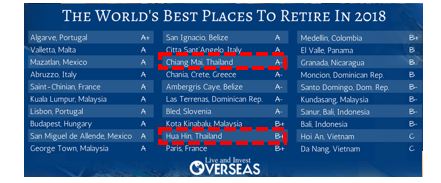
According to a survey by International Living Australia Global Retirement Rankings in 2018, the two cities in Thailand that attract foreigners for Longstay are Chiang Mai, which received an A- grade, and Hua Hin, which received a B- grade.
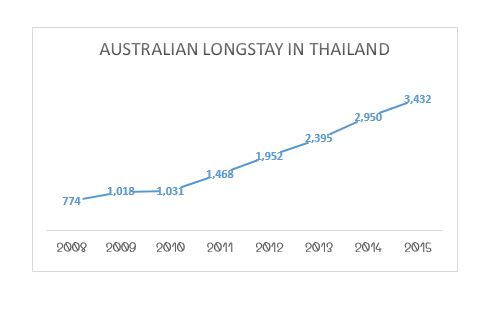
Data from the Immigration Bureau shows that the number of Australians residing in Thailand under retirement visas increased significantly from 2008 to 2015, with a remarkable increase of 343%. What factors does this target group consider when choosing a country for Longstay?
3.Long stay and Real estate
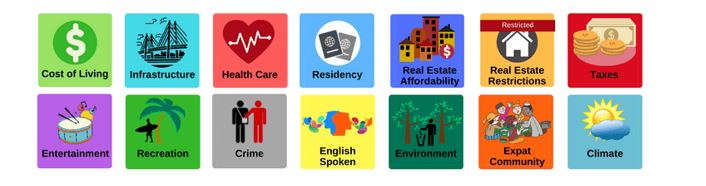
The Longstay elderly group considers 13 factors when choosing a country for long-term residence, including:
Cost of living
- Taxes
- Climate
- Crime and safety
- Use of English
- Entertainment
- Community environment for expatriates
- Healthcare
- Infrastructure
- Property purchasing ability
- Property restrictions
- Leisure options
- Housing options
It can be seen that 7 out of 13 factors are related to Real estate.
Thus, the real estate market related to elderly Longstay is an interesting market, a Blue Ocean Strategy with few competitors, and customers with high purchasing power. However, entering the market requires a thorough study of consumer behavior, understanding similar products abroad, and choosing partnerships with local experts.
Seminar Thailand Retirement Destination May 10, 2018, contact Line id: udguru, 0925181301
https://www.liveandinvestoverseas.com/best-places-to-retire/
Real estate…for the elderly…in the land of kangaroos
Australia senior living
Assoc. Prof. Trirat Jarutachai [email protected]
Universal design research unit, Faculty of Architecture, Chulalongkorn University
1. Australia…is interesting
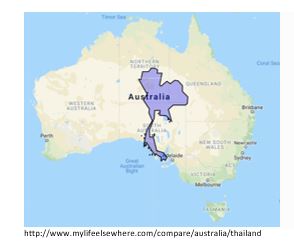
Thailand has an area of approximately 513,120 square kilometers.
In contrast, Australia has an area of approximately 7,741,220 square kilometers (15 times larger than Thailand).
Thailand has a population of approximately 68 million people.
Meanwhile, Australia has a population of only 25 million people (2.7 times fewer than Thailand).
|
7.5% Of Australians aged over 65 will live in retirement villages, increasing from 5.7% in 2014 to 7.5% in 2025. |
|
8.1 million people Australians aged over 65 will increase from 3.2 million in 2014 to 8.1 million in 2050. |
|
382,200 people Australians interested in finding retirement villages will reach 382,200 in 2025. |
http://www.mylifeelsewhere.com/compare/australia/thailand
Australia is a developed country and one of the wealthiest in the world, with the 12th largest economy globally. In 2012, Australia had the fifth highest per capita income in the world. In 2016, Australia’s per capita income was 48,800 USD, while Thailand’s was 16,800 USD (less than 3 times), leading to a relatively high cost of living in Australia, such as bottled water costing around 68 baht in Australia compared to 10 baht in Thailand (6.8 times more expensive than Thailand).
2. Elderly in Thailand and Australia
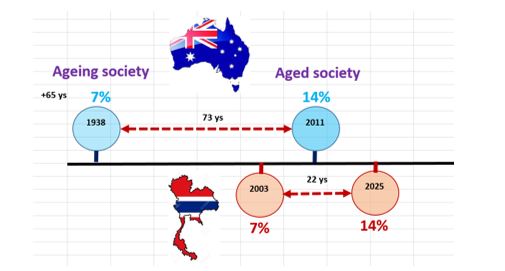
The average life expectancy for Thais is 74.7 years, while for Australians it is 82.2 years (7.5 years longer than Thailand), indicating better health care for Australians. Interestingly, Australia began transitioning to an ageing society (defined as having 7% of the population aged 65 and over) in 1938 and fully transitioned (defined as having 14% of the population aged 65 and over) in 2011, while Thailand began its transition in 2003 and is expected to fully transition by 2025. Thailand's slower transition (65 years behind) but quicker full transition (only 14 years behind) is due to Australia taking 73 years to transition, while Thailand only took 22 years. Importantly, Australia just completed its full transition in 2011... its experience in managing a fully aged society is therefore very interesting and may be applicable to Thailand.
3. MarketReal estate…for the elderly…in the land of kangaroos
The real estate market related to elderly Australians is divided into 2 main categories:
1. Retirement Villages
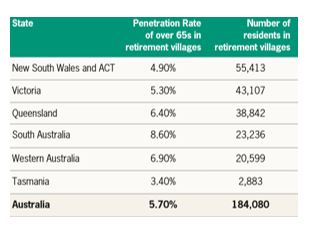
Retirement villages are residences specifically designed for seniors aged 55 and above, mostly consisting of single-story villas with beautiful landscapes, community areas, health services, medical care, and recreational facilities. In some cases, these villages are co-located with aged care facilities. Currently, approximately 184,000 Australians live in retirement villages, and surveys show that seniors living in these villages are happier than those in their previous homes.
Living in a retirement village allows for independent living without staff assistance, although seniors can request additional help (for a fee) such as meal preparation and home maintenance. Retirement villages typically operate on a rental basis with an entry fee, which is refunded upon leaving and selling the residence.
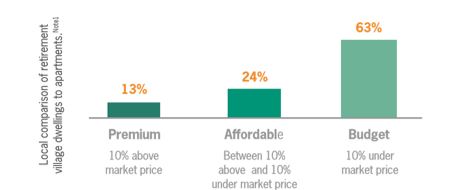
The retirement village market is divided into three segments:
Premium segment, priced 10% above market price, accounts for 13% of the market.
Affordable segment, priced within +10% to -10% of market price, accounts for 24% of the market.
Budget segment, priced 10% below market price, makes up 63% of the market.
Private sectors and non-profit organizations play a crucial role in meeting the needs of elderly Australians. These retirement villages offer various services to residents, which not only support their lifestyle but also save costs for the government. Data shows that these savings amount to 2.16 billion dollars in the healthcare system, with retirement savings for seniors in retirement villages reaching 1.98 billion dollars (over 92%).
Many elderly Australians choose retirement villages because they provide appropriate support in a community environment. The growth of these retirement villages is significant, with projections indicating that by 2025, approximately 382,000 seniors will be looking for retirement villages, more than double the current number, representing a significant business opportunity.
2. Aged Care Facilities
Living in aged care facilities is not independent; it caters to seniors with significant physical limitations who must be assessed by the Aged Care Assessment Service before admission.
This group of seniors requires personal care such as dressing, bathing, and meal preparation. Living in aged care facilities offers options between upfront payments and daily payments. The payment structure for aged care in these facilities is entirely different from that of retirement villages, with accommodation and services often subsidized by the government and heavily regulated.
For example, the retirement village of the non-profit organization Carrington in New South Wales.
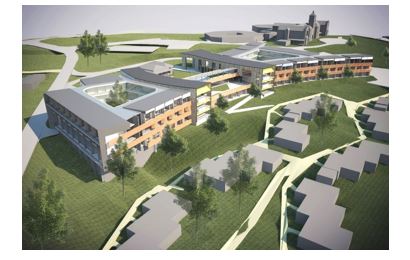
Carrington is a non-profit charitable organization located southwest of Camden in New South Wales, founded by wealthy businessman and philanthropist William Henry in 1888. He donated 500 acres of land along with shares in dairy products and two cottages, plus £10,000 to establish Carrington Centennial Hospital, with the Governor of the day being Lord Carrington.
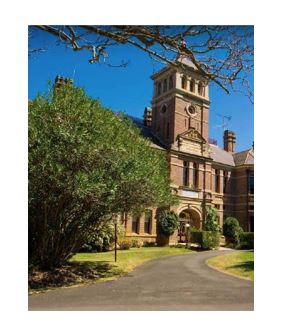
Carrington Centennial Hospital opened in August 1890 and was the first hospital to operate in New South Wales. Its architectural style is historic, symbolizing the city and has maintained 'Excellence in Care' for over 125 years. The goal of this elderly community project is for seniors to live independently, be respected, healthy, happy, and have good "relationships". Carrington operates four aged care facilities through Community Care, serving a large number of clients in the area and surrounding regions.
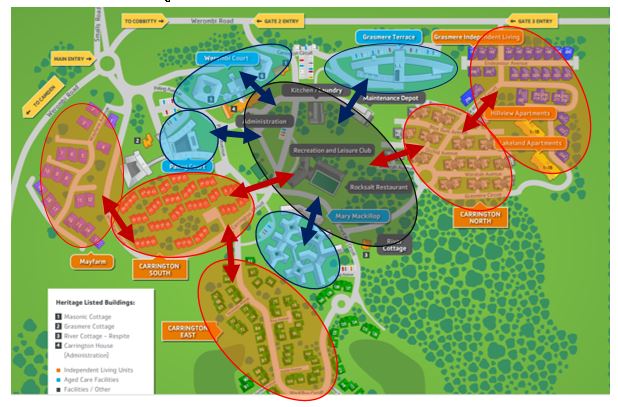
Covering over 500 acres (approximately 1,265 rai), it consists of three parts:
1. Independent Living Units (ILU) are a form of retirement village for healthy seniors.
2. Aged Care Facilities are for seniors with dependency.
3. Other Facilities such as recreation buildings, kitchens/dining.
Notably, the layout places facilities centrally, surrounded by aged care facilities for dependent seniors, while healthy retirement villages are located on the outskirts.
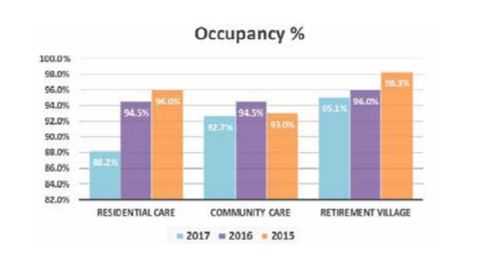
Occupancy rates in all three zones—Retirement village Residential care facilities and Community care—range from 88-98%, which is very high.
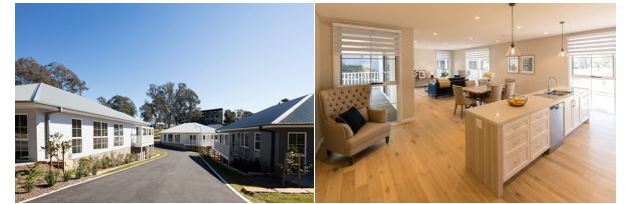
MAYFARM COTTAGES
Mayfarm consists of 19 luxurious cottages designed beautifully with spacious indoor and outdoor areas, large kitchens, and ample storage. The residences have good air conditioning and are designed to harmonize with the natural environment.
Residents have convenient access to health care from GP Clinics, physiotherapy, pharmacies, and dental services. Support is provided to enable seniors to live as they choose, such as personal care services. These services are arranged by community care teams that assess individual needs and create suitable service packages to allow seniors to live independently, although pets are not allowed except for birds or fish.
(According to the Retirement Act of 1999, clients must be 55 years or older.)
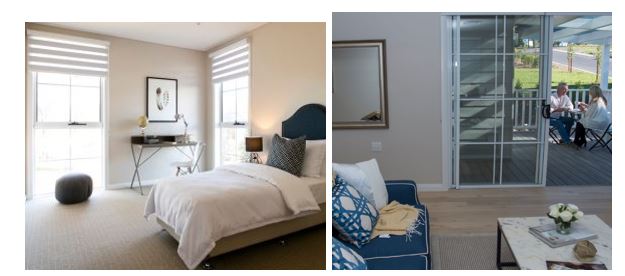
https://carringtoncare.com.au/independent-living/independent-living/
Regarding costs, there are several components:
1. MAINTENANCE CHARGES
Monthly service fees cover all building areas and repairs and maintenance of the premises, all insurance, and water costs.
2. DEPARTURE FEES
Departure fees must be paid at or after the end of the contract, calculated daily.
3. FINANCIAL / LEGAL ARRANGEMENTS
Paling Court
Comprises 130 suites in the Carrington project zone of Residential Aged Care, where residents enjoy rural views, recreational programs, and high-quality meal preparation. Paling Court also features an open lounge with spacious balconies, beautiful outdoor areas, dining rooms, and living rooms designed beautifully for family gatherings.
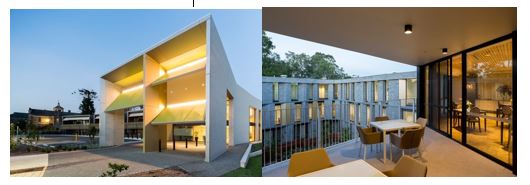
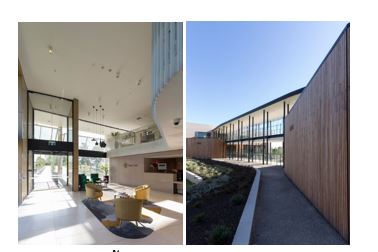
Room size: 34.1m2
Maximum accommodation deposit: 300,000 AUD (approximately 722,000 THB)
Daily accommodation payment: 46.84 AUD (approximately 1,128 THB)
Information on Thailand Retirement Destination Seminar May 10, 2018, contact Line id: udguru, 0925181301