SCG Recommends 4 Things Homeowners Should Know About Plumbing Systems Before Building a House
For those interested in building a house, in addition to focusing on choosing contractors, structural work, and interior and exterior design, the plumbing system is also an important aspect that many homeowners often overlook. In reality, when we build a house, the plumbing system will accompany our home for a long time. If we start with a plumbing system that is not up to standard, using materials that are of poor quality or unsuitable for their intended use, maintenance and repairs can become complicated, ruin the aesthetics of the house, and be costly. Therefore, SCG would like to present and recommend to homeowners or those interested in building a house about plumbing systems before starting the actual construction.
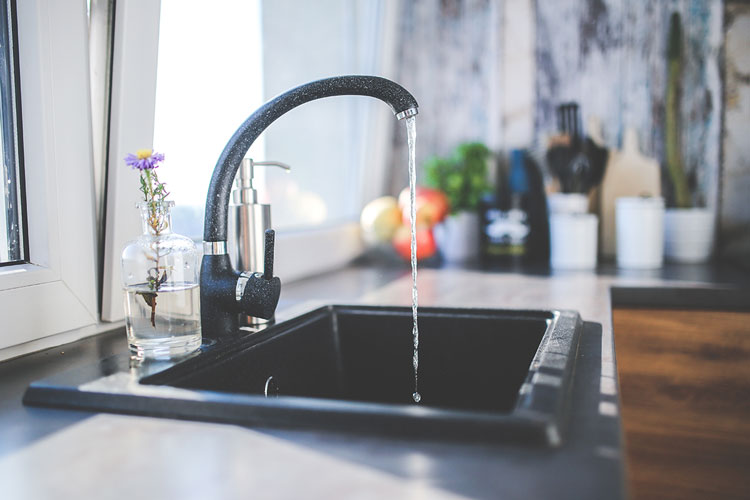
Although plumbing may seem distant since we usually hire contractors to handle the entire system, in reality, we should understand and know how to choose pipes suitable for their use, or even choose quality materials. Because once construction begins, homeowners will be able to determine if the contractor is using quality materials and if the system is installed to standard or worth the cost. SCG pipes therefore recommends 4 aspects of plumbing systems that homeowners should know before starting to build a house as follows:
Choosing suitable materials for each type of plumbing system There are two types of popular plumbing pipes in the market.The first type is PVC pipes(PVC) or blue plumbing pipes commonly used, which are strong and highly flexible, resistant to acidic and alkaline conditions, safe from toxins, suitable for indoor use, and for water with temperatures not exceeding 60 degrees Celsius. The second type is PP-R pipes for hot water plumbing systems. They have thermal insulation properties that help maintain temperature well. The pipes and joints are made of the same material and are connected using heat from a welding machine. They are popular for high-rise buildings, are affordable, and can replace steel pipes.
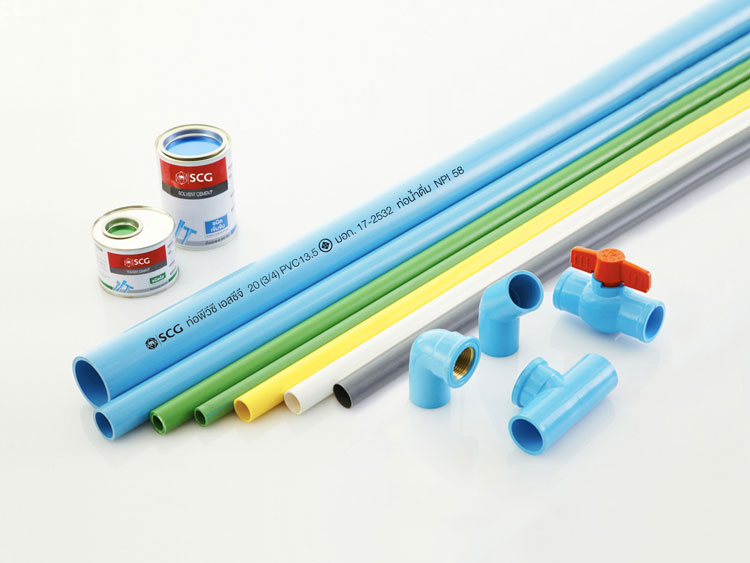
When choosing pipes, it is important to select products from reputable brands that have industrial production standards (ISO) clearly labeled with size specifications, or plumbing pipes that have a green label, which are environmentally friendly and made from materials that prioritize safety in use, free from contaminants such as heavy metals. Especially for PP-R and CPVC pipes, which are used for hot water intended for direct consumption, it is advisable to choose those certified for safety by the National Sanitation Foundation (NSF International). This way, homeowners can be confident that they will receive quality products suitable for use and safe for health.
The layout of plumbing systems within the house can be divided into 2 types: exposed piping which involves placing pipes against walls or ceilings. This layout has the advantage of being easy to maintain or install additional systems later, but the downside is that it may not match various house designs, such as homes that require neat decoration since it is clearly visible. However, it is very suitable for loft or industrial-style homes. The other type is concealed piping within floors or walls which involves cutting into walls or floors to lay pipes before plastering over them. The advantage is that it makes the house look neat and beautiful, but the downside is that repairs and maintenance can be complicated and costly. It is advisable to design service access points or shafts to facilitate maintenance.
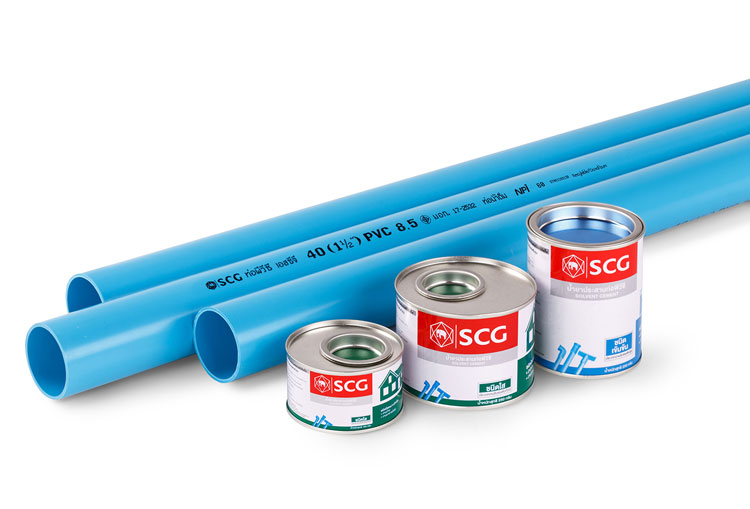
In addition to choosing materials, selecting products related to plumbing systems is equally important. For example, pipe adhesives come in two types: concentrated adhesives with high viscosity that can bond pipes quickly and withstand high pressure, suitable for high-quality work such as high-rise buildings, and clear adhesives with lower viscosity that are easier to use, suitable for general home and building work. Additionally, thread seal tape is used to wrap the threads of pipe joints to ensure a tighter seal and prevent water leakage. There is also PVC pipe cleaning solution used to clean pipes when joints are stained with oil or lubricants that cannot be cleaned by hand. All of these should use certified or quality products as well.
Choosing a reliable and experienced contractor is essential. Homeowners should select contractors with a good reputation, considering their past work, warranty of work, and should inquire from multiple sources to compare both price and quality. Importantly, homeowners and contractors should have a clear and legally binding contract to ensure the work is completed as agreed, and if there are any errors, homeowners can take legal action.
From the 4 recommendations from SCG pipes, homeowners can apply these insights to discuss with contractors, negotiate the use of quality and reliable products or equipment, ensuring that the plumbing systems will last alongside their homes for a long time. Those interested in SCG pipes can find more information at www.scgbuildingmaterials.com.
Thank you for the information from www.scgbuildingmaterials.com