Exploring Global Trends in 2018 with 9 Booming Creative Industries
Exploring Global Trends in 2018 with 9 Booming Creative Industries
The rapidly changing global trends each year directly impact consumer behavior, forcing businesses to adapt to the situation. This year, the Creative Design Center (TCDC) has gathered significant global trend data, translating these trends into practical applications for businesses and daily life to leverage this knowledge effectively.
They have delved into 9 creative industries of the modern world that can generate immense value and are popular in the global market.
 Art & Craft
In 2014, Thailand's handicraft and artisan goods generated a value of 87.306 billion baht. Coupled with the current direction of Thailand's creative economy, the art and craft industry is set to stand out by focusing on value addition through leveraging the unique characteristics of each region, integrating new production processes with traditional skills, effectively responding to the global trend favoring DIY products.
Beauty & Fashion
Thailand boasts the largest beauty industry in ASEAN and is a regional leader. In 2015, it experienced a growth rate of 6.5%, amounting to a total value of 150 billion baht. Meanwhile, in 2016, Thailand's fashion industry generated a value of 18 billion baht and continues to grow, significantly influenced by internet usage for information searches impacting consumers' choices in cosmetics and fashion, particularly through the phenomenon of vloggers who review and teach makeup. Thus, incorporating the words or ideas of current celebrities into design concepts to reflect brand identity is essential.

Health & Wellbeing
The market for health products and services in Thailand continues to expand, generating no less than 100 billion baht in revenue. Thailand's advantage as a global leader in health services is supported by hospitals accredited with international quality standards and 53 global awards.
In 2015, the spa and massage industry grew to 31 billion baht, with increasing demand for services and products, addressing the global trend of rising stress and anxiety levels among people.
Transport & Space Technology Evolution
In the past two years, various factors have led many countries to focus more on alternative energy vehicles or clean energy cars. In Thailand, during the first half of 2017, automotive parts exports exceeded 7 billion USD, growing by 12% from the first half of 2016. The EIC research unit predicts that it will take no less than 10 years for electric vehicles to penetrate the Thai market. Therefore, Thailand should build an ecosystem and infrastructure conducive to the electric vehicle industry while other countries are focusing on space transport and high-speed public transport like Hyperloop.
Retail Industry
The rapidly changing consumer behavior has led to the closure of many retail stores worldwide, with online sales growing by over 100%, while in-store purchases grew by only 10%. Consequently, retail stores in Thailand must quickly adapt by creating experiences that connect customers with brands or even applying various technologies to enhance consumer convenience.
Travel
Tourism in Thailand remains a key mechanism for generating continuous revenue for the country. In 2018, the Ministry of Tourism and Sports of Thailand predicts that tourism industry revenue will reach 3.1 trillion baht, up from 2.7 trillion baht in 2017. It is anticipated that in the next 10 years, the tourism industry will account for 14.3% of Thailand's GDP, with tailor-made travel becoming a significant trend as operators in the industry focus on meeting the specific needs of tourists.
Architecture & Decoration
To become a future city and an environmentally friendly green city, the global trend of creating long-term sustainable value is gaining attention. This trend is accompanied by multifunctional designs that accommodate diverse uses and meet the needs of users of all genders, ages, ethnicities, and cultures.
Media & Entertainment
In an era where social media significantly impacts this generation, the media and entertainment industry is also undergoing changes. In 2017, 76% of media users were on Facebook, followed by Instagram at 51% and Twitter at 42%. Consumers are increasingly interested in live TV and consuming information on screens, leading to a shift in the role of media and advertising in reaching target audiences, resulting in new media forms where advertising strategies are adapted to digital media dominating the world of images and videos.
Food
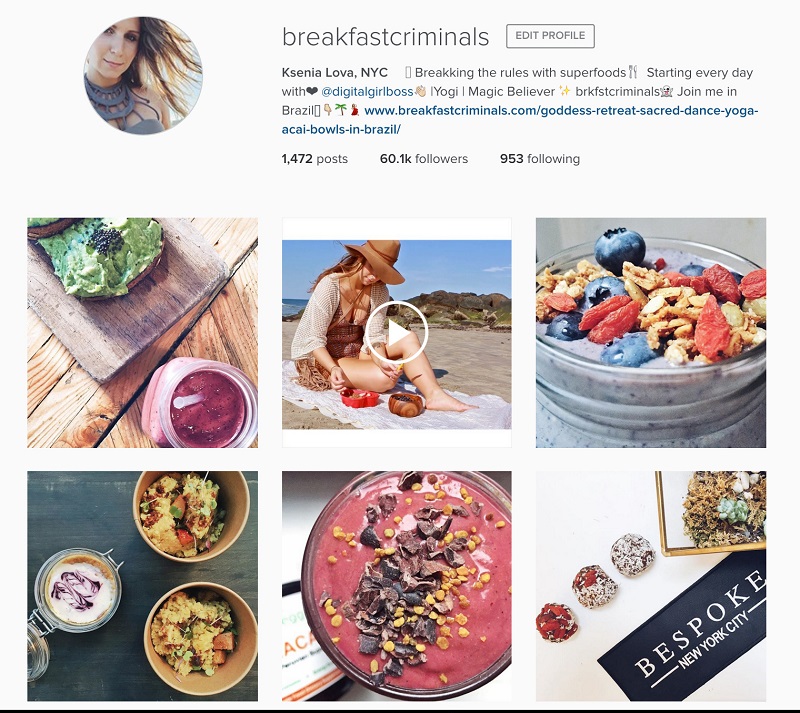
The health trend over the past few years has led to the emergence of food businesses in 2018 that focus on being beneficial for both body and mind. Additionally, the trend from social media in the form of Food Networks or sharing recipes and cooking experiences online has encouraged consumers to cook for themselves more frequently.
Thank you for the information from: Creative Design Center (TCDC)