
Krungsri Bank Predicts Thai Baht to Move Within 32.35-32.60 This Week
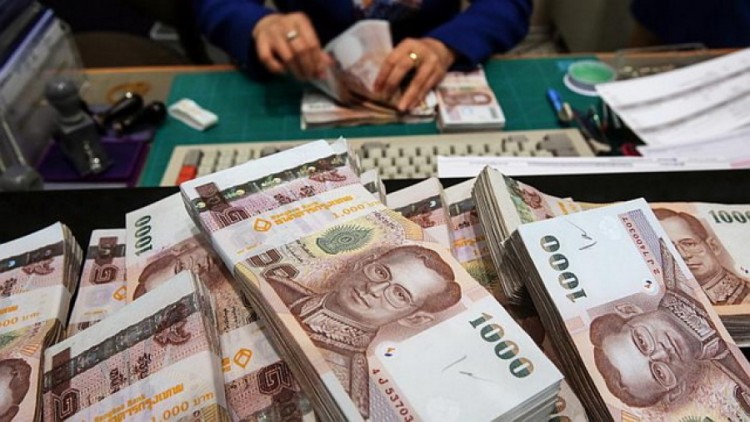
Krungsri Bank forecasts that the Thai baht will move within the range of 32.35-32.60 this week after strengthening to become the third strongest currency in Asia in 2017.
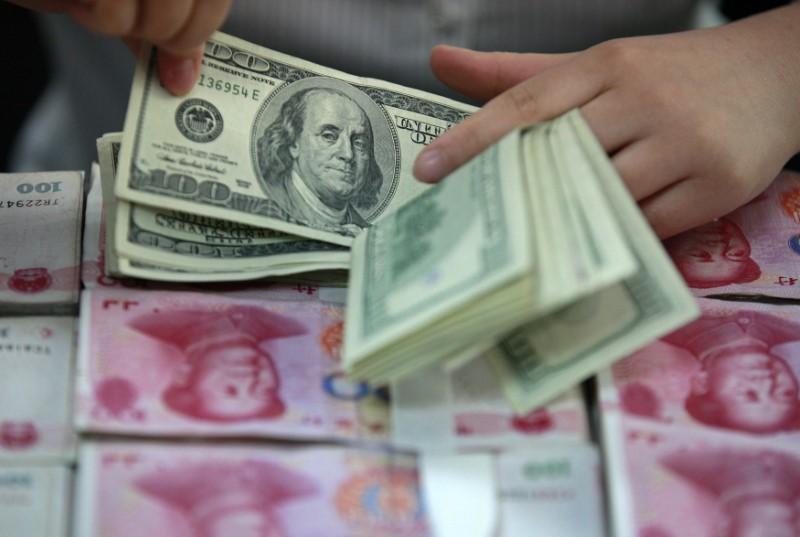
The Global Markets team at Krungsri Bank Public Company Limited stated that the direction of the baht in the first week of 2018 is expected to move within the range of 32.35-32.60 against the dollar, compared to last week's closing value of 32.58 per dollar.
Foreign investors purchased a net value of 1.7 billion baht in the Thai stock market but sold a net of 15 billion baht in bonds. In 2017, foreign investors sold a net of 26 billion baht in the stock market but saw an inflow of 360 billion baht into bonds last week, as the dollar weakened against major currencies due to reduced demand for holding dollars at the end of the year, with some investors beginning to re-enter the market after the Christmas holiday.
The financial market will pay attention to the minutes of the U.S. Federal Reserve's meeting, as well as wage growth data in the U.S., to assess the labor market's impact on inflation, which remains low. This may provide a clearer picture regarding the Fed's interest rate hike outlook.
Nevertheless, in 2017, global stock markets delivered the best returns in eight years as investors adapted to low inflation and interest rates, contrasting with global economic growth. In addition to inflation and rising crude oil prices, which are risks to monitor closely, this year the Fed will undergo several high-level personnel changes, along with the general election in Italy and the U.S. midterm elections, which could create volatility in the markets.
For domestic factors, it is expected that Thailand's GDP will grow by 4% in 2018, supported by exports and tourism, while private sector purchasing power remains weak. However, public investment shows positive signs, as the bidding and signing of several infrastructure investment projects have progressed significantly, which is expected to positively impact private sector investment.
As for the global dollar, it is expected to face pressure from investor predictions that the European Central Bank (ECB) may begin to adjust its monetary policy balance sooner than expected.
It is estimated that this year the dollar will weaken at a slower rate. In 2017, the baht strengthened to become the third strongest currency in Asia, appreciating nearly 10% even though the Fed raised interest rates by a total of 0.75% throughout the year. This year, capital movements are expected to remain volatile, while Thailand's current account surplus is likely to decrease due to a recovery in imports aligned with real economic sector investments, which may help mitigate the baht's appreciation.