"Nine Subjects" - The Royal Science from Father's Teachings
The Tourism Authority of Thailand (TAT) has launched the "Nine Subjects" - The Royal Science from Father's Teachings project, which is part of the initiative "Following the Royal Science Towards Sustainable Development". This project aims to honor the royal benevolence and continue the royal aspirations of His Majesty King Bhumibol Adulyadej by applying the principles of understanding, accessibility, and development, which are the foundations of His work. This has led to over 4,000 royal projects that have created learning tourism areas, positively impacting the quality of life of the people and the development of the country in all aspects.
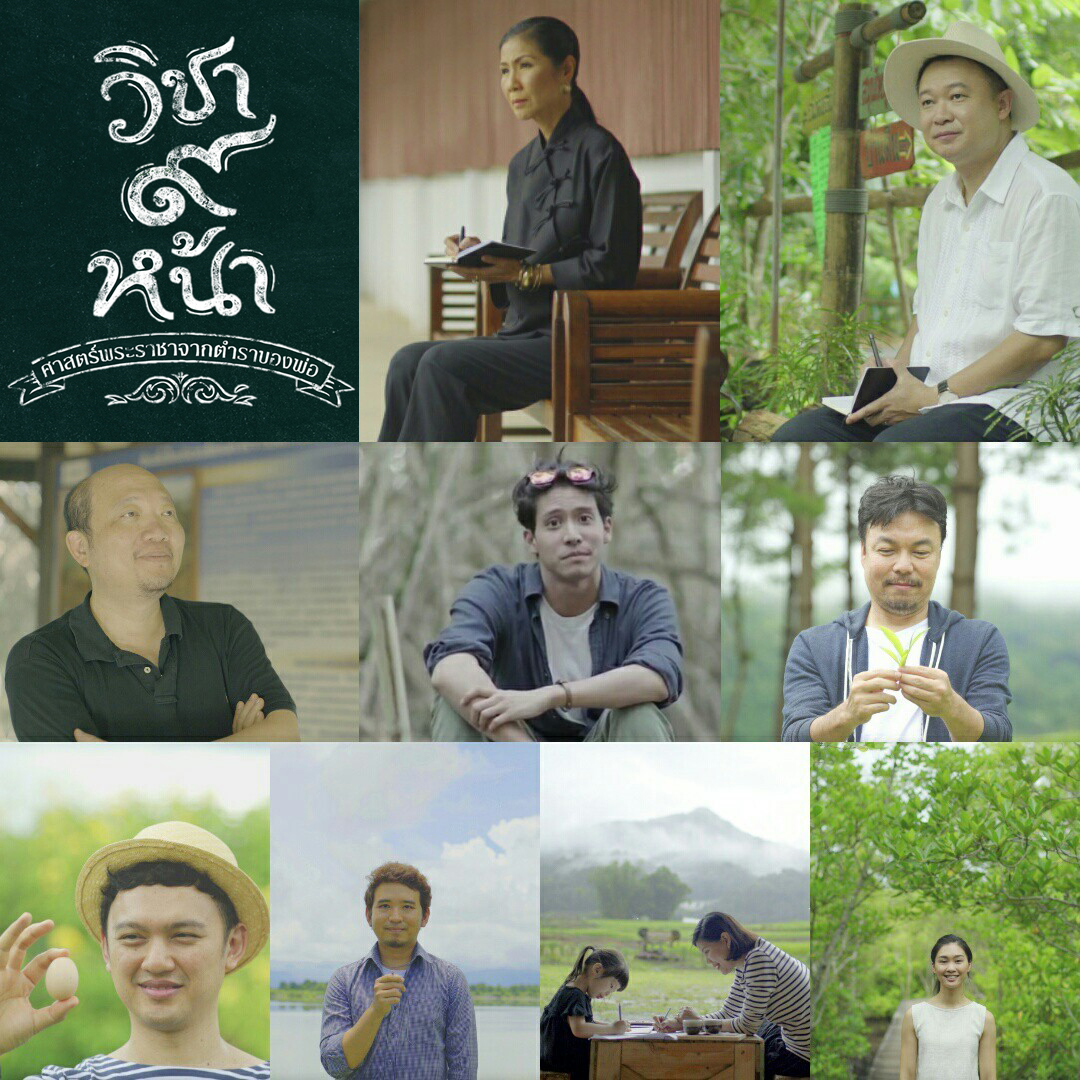
Ms. Thapanee Kiatphaiboon, Director of the Office of the Governor of the Tourism Authority of Thailand (TAT), stated that the "Nine Subjects" - The Royal Science from Father's Teachings project aims to present the royal science in a new format that is easier for the general public and the younger generation to understand through various content formats, including documentaries and a book series titled "Nine Subjects" - The Royal Science from Father's Teachings. This series presents 9 subjects through 9 influential individuals from various fields who share their experiences in different communities, with royal science as the core of each "lesson" through community tourism. Each community has adopted the principles and ideas of His Majesty as a guideline for living and developing their communities sustainably.
1. Thai Cooking in the Hearts of People: National Museum, Bangkok
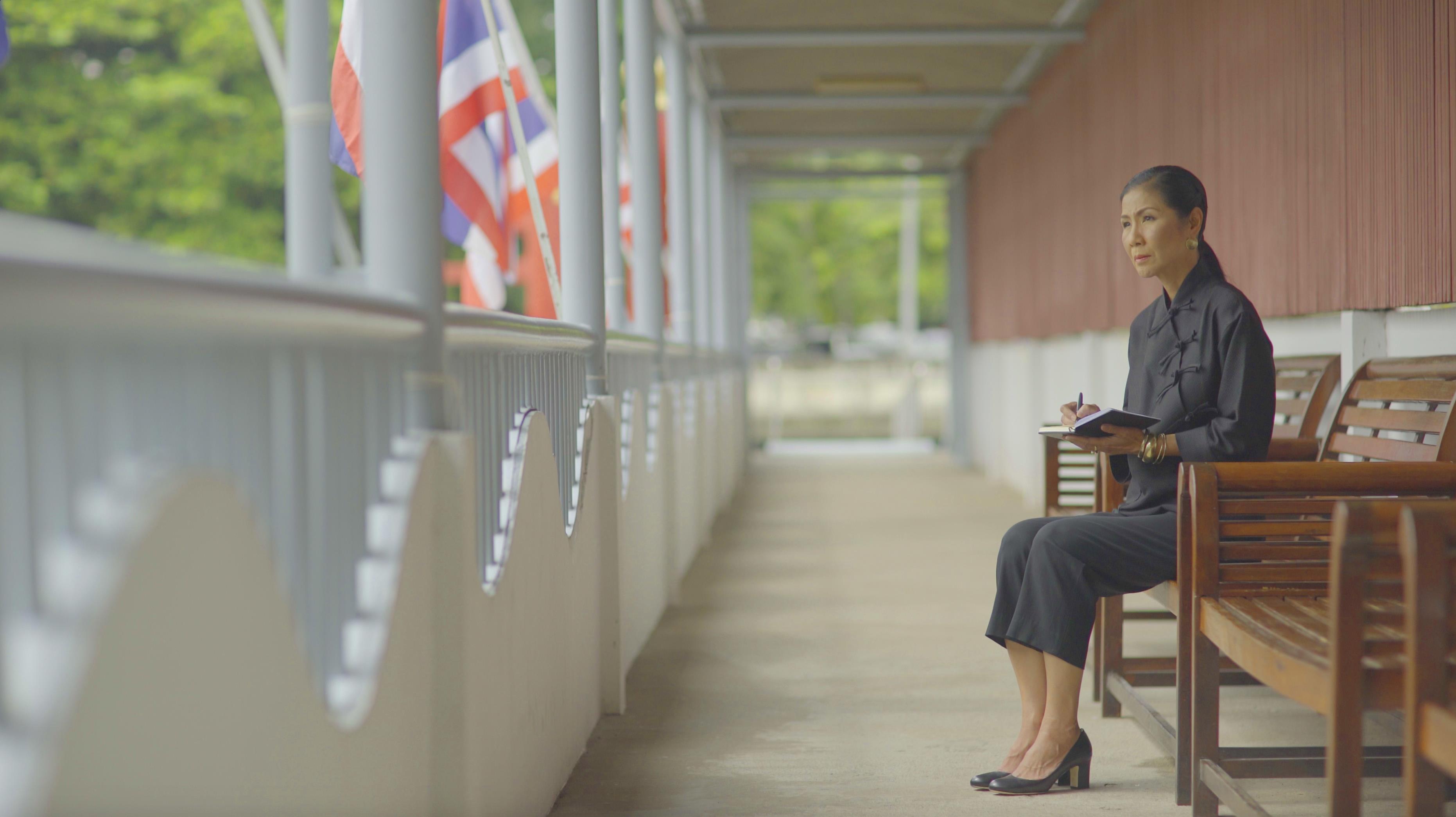
By Mr. Kobkan Wattanavarangkul, Minister of Tourism and Sports
During the reign of King Rama IX, there was a strong emphasis on preserving Thai culture for future generations. The King initiated the revival of the royal barge procession to instill national pride and showcase it to the world.
2. Water Management: Khun Dan Prakarn Chon Dam, Nakhon Nayok
By Mr. Yuthasak Supasorn, Governor of the Tourism Authority of Thailand
The King's dam serves as a barrier to prevent flooding in Nakhon Nayok, acting as the last line of defense before reaching Bangkok. It also stores water to sustain the lives of Thai people and alleviates soil acidity during dry seasons.
3. Soil Doctor: Rehabilitation Center for Degraded Land, Khao Chakan, Ratchaburi
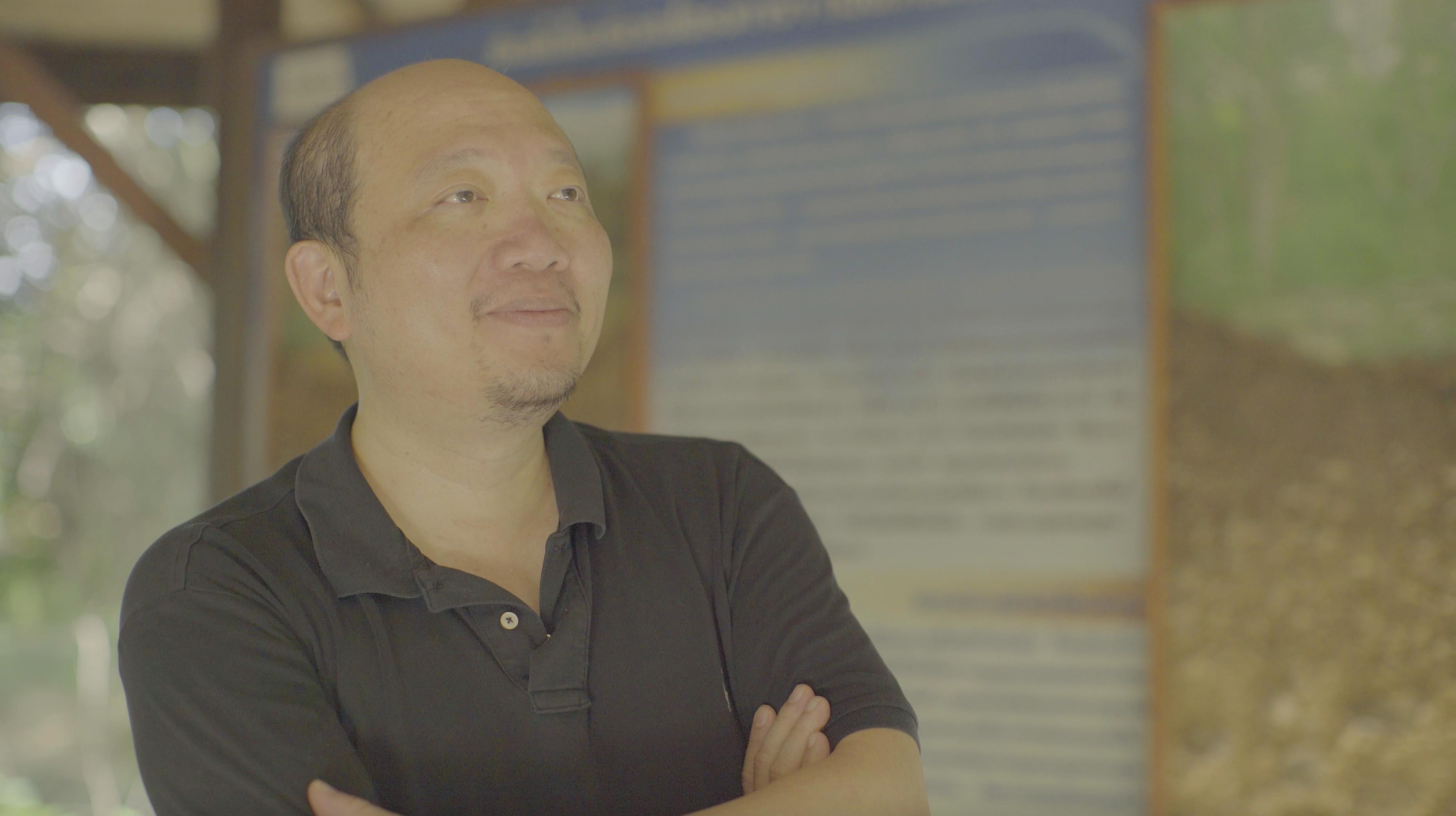
By Mr. Boy Kosiyapong, Famous Songwriter
The issue of soil degradation needs to be addressed by adding "soil vitamins" to restore and improve its fertility for effective use again. This includes practices like allowing forests to grow naturally and planting vetiver grass to prevent soil erosion and maintain soil moisture.
4. Cloud Seeding: Hua Hin Royal Rainmaking Center, Prachuap Khiri Khan
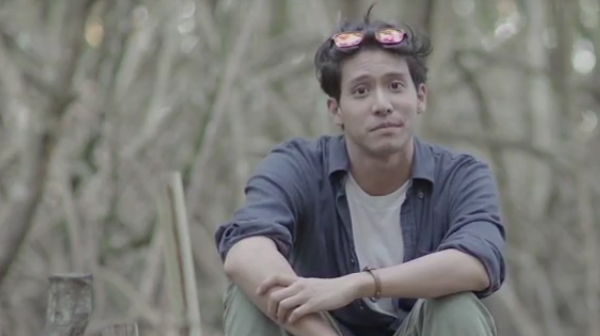
By Mr. Karn Sawadwat, Actor
It can be said that drought is a suffering for the people. The King researched various international studies to explore the feasibility of artificial rainmaking, using the Bo Fa Airport in Prachuap Khiri Khan for experiments. The rain created through the King's cloud seeding techniques, developed over 14 years, has become a vital tool that has helped millions of villagers survive crises, earning the name 'Royal Rain'.
5. Nature Unity: Forest Development Project, Phu Hin Rong Kla, Phitsanulok
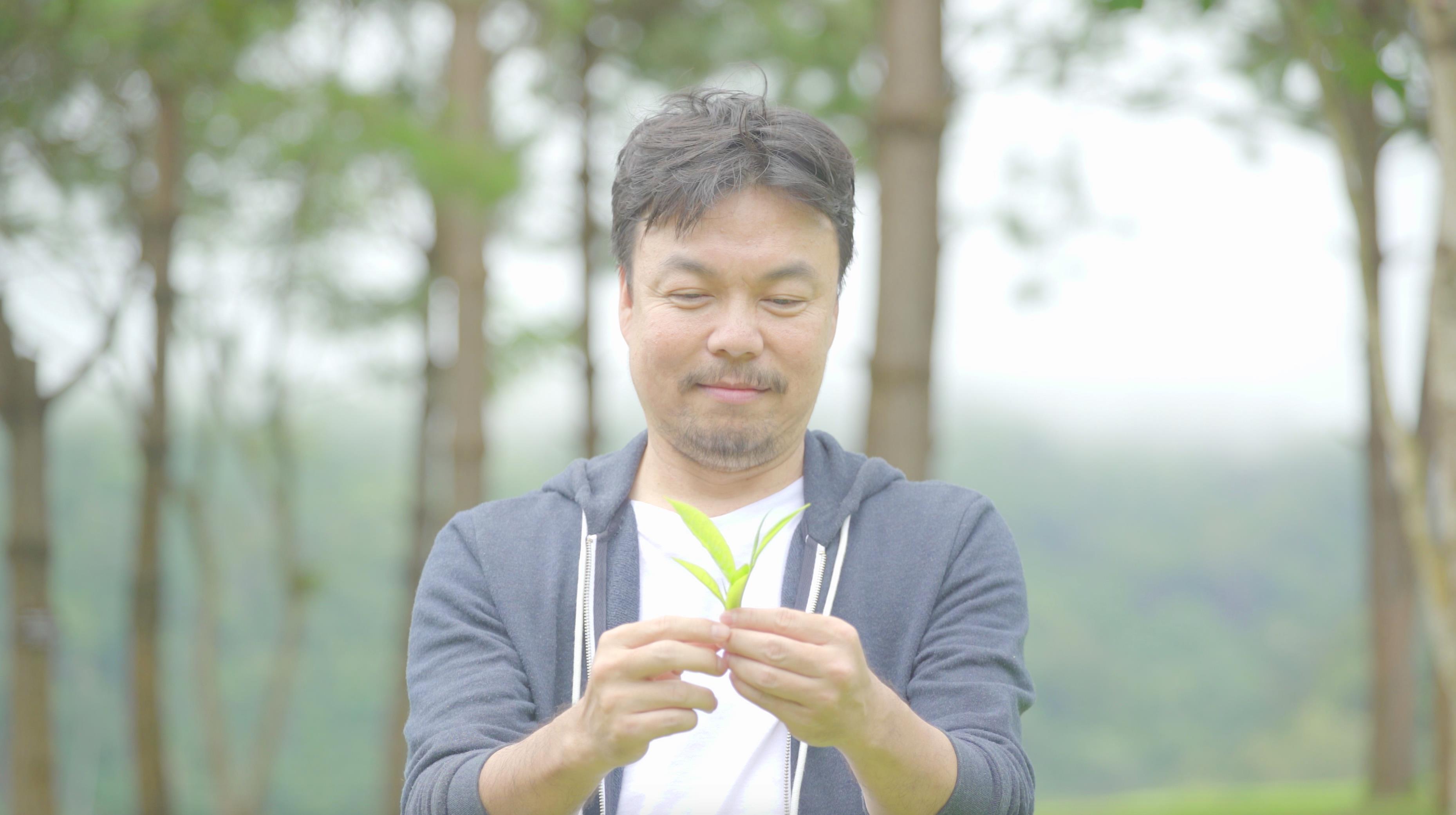
By Mr. Wongtanong Chaiyanarongsingh, Founder of a day Magazine and The Standard
The Hmong people in Phu Hin Rong Kla primarily lived by cultivating opium and cabbage, leading to significant damage to natural resources. The Department of National Parks, Plants, and Wildlife adopted the King's royal initiative to support villagers in switching to environmentally friendly crops, such as Arabica coffee and royal strawberry varieties. The produce is sold to tourists visiting the beautiful fields of paper flowers and cherry blossoms, which the villagers plant to replace the destroyed forest areas, fostering the idea that forests belong to everyone: "People live with forests, and forests live with people." This initiative has led to the rapid restoration of Phu Hin Rong Kla's natural abundance.
6. Legend of Species: Phu Phan Development Study Center, Sakon Nakhon
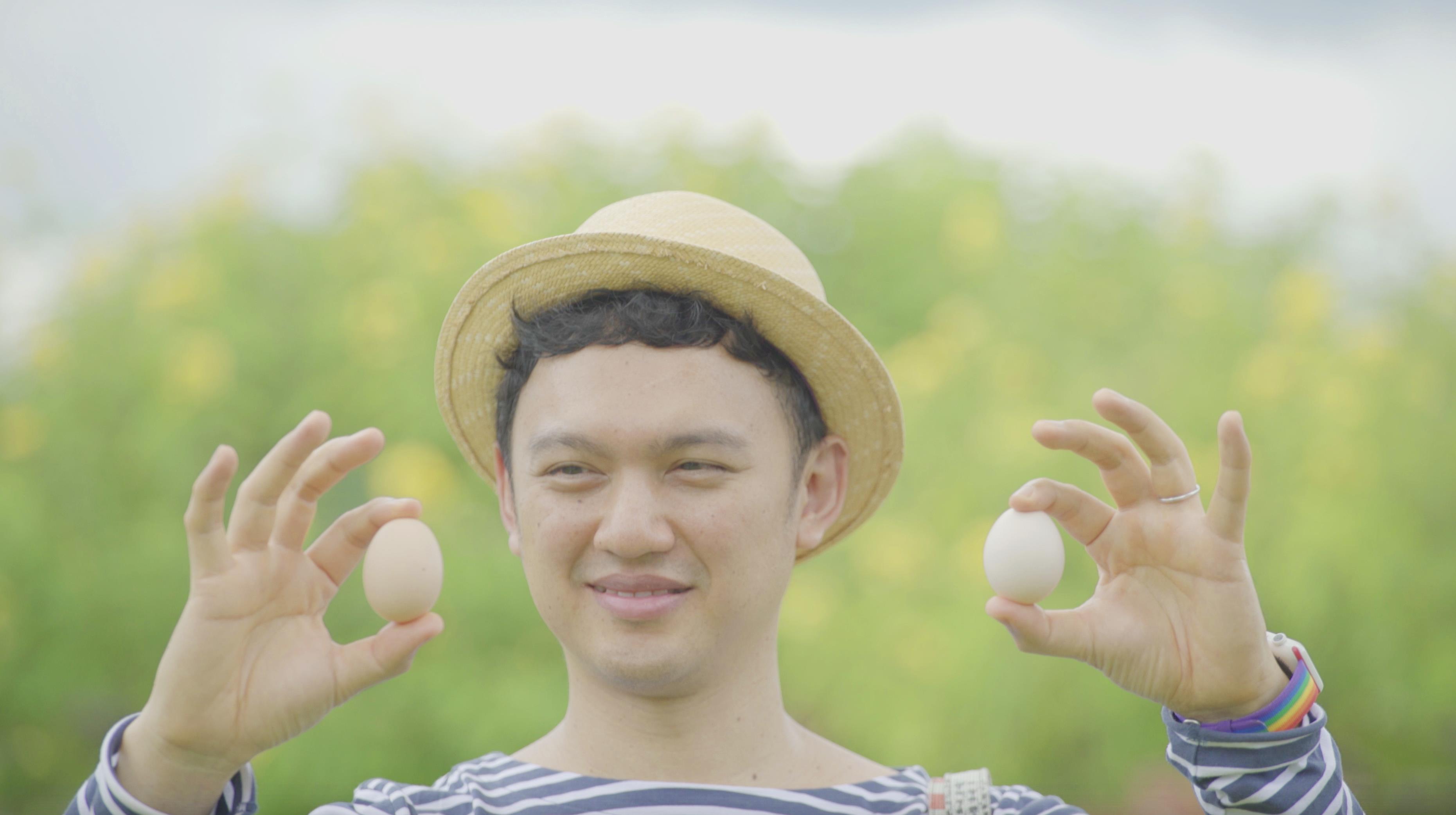
By Mr. Visut Pornimit, Illustrator and Creator of Mango, Smoke Under the Hat, hesheit
To alleviate the suffering of the people, King Rama IX ordered the construction of the Phu Phan Royal Residence as a working center in the Northeast, along with the establishment of the Phu Phan Development Study Center to test various royal initiatives, particularly in improving agricultural quality of life. This includes creating water reservoirs for dry seasons and finding suitable rice varieties for the terrain. A highlight of this center is livestock farming, where the King provided simple guidelines for raising strong, resilient animals that require low investment, preventing farmers from falling into debt. This led to the legend of the three black breeds of Phu Phan: Phu Phan black chicken, Phu Phan black pig, and Phu Phan beef cattle.
7. Love of Gravity: The Water Retention Project in Thung Talay Luang, Sukhothai
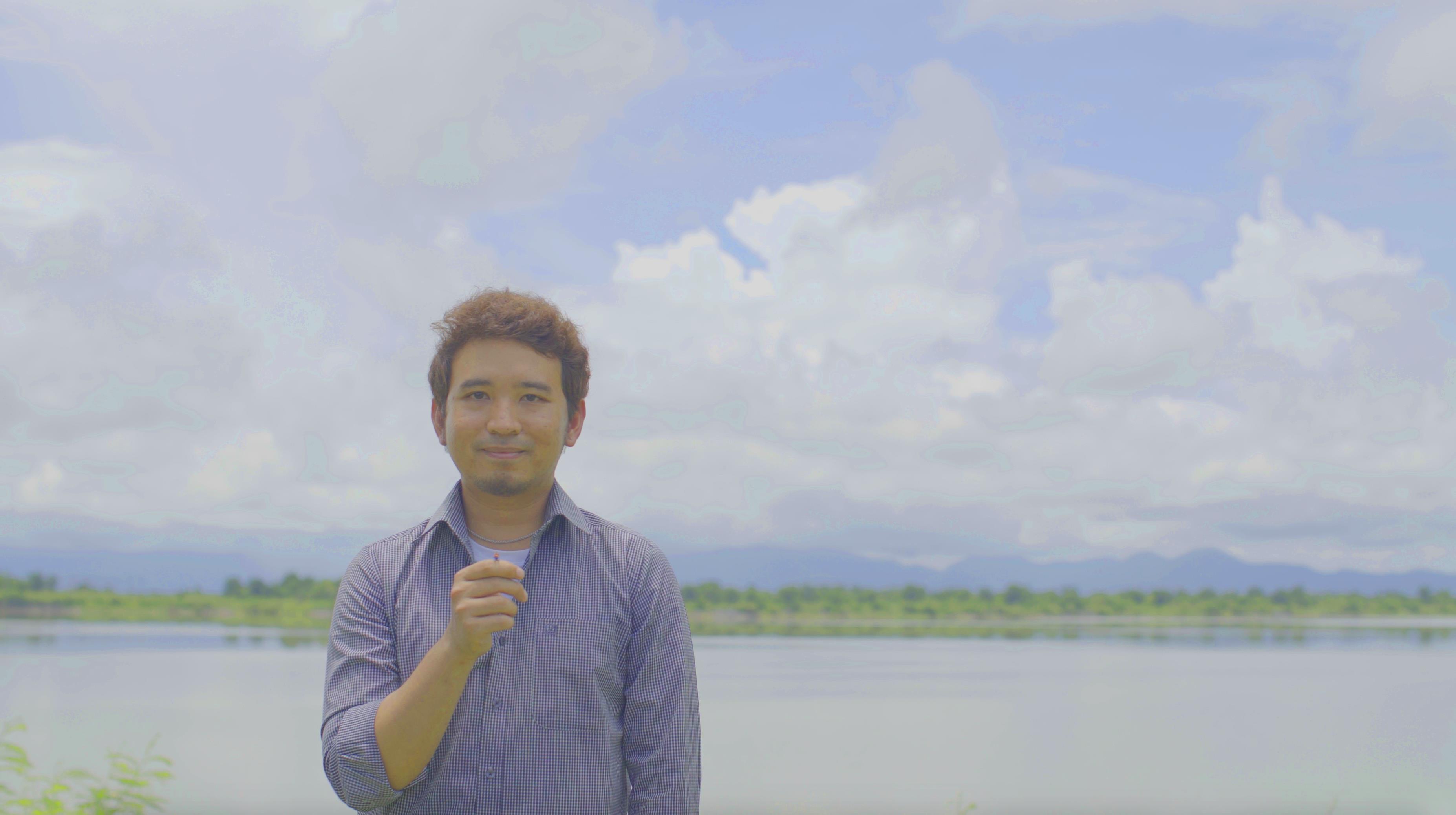
By Mr. Suchanat Chitthai (Little Person), Creative Blogger of the "Little Person" page
Due to His Majesty's love for pets, King Rama IX closely observed the behavior of the animals he raised. This interest led to the development of a crucial water management approach for the country, the "Heart-Shaped Water Retention" system, which drains water from the upper areas to a large water reservoir at the seaside. When the sea level drops below the reservoir, water is released through drainage gates using the principle of gravity.
8. Planting Love: Royal Agricultural Station, Inthanon, Chiang Mai
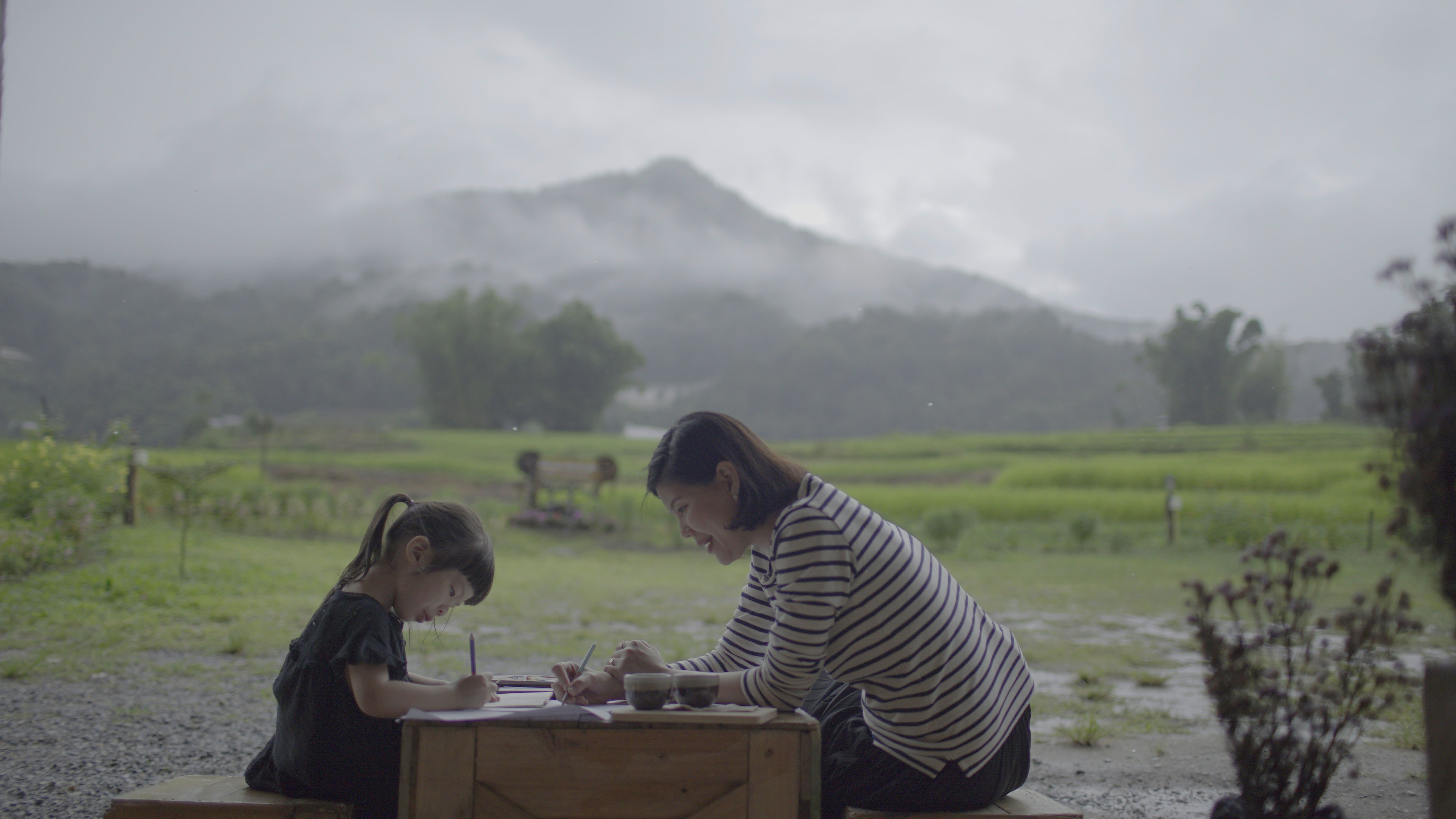
By Nong Chuenjai and her mother, Khun Panida Eamsirinphakool, former editor and writer at Polka Dots Publishing, and a beloved young idol among netizens
Who would believe that the problem of opium cultivation, which has been part of Thai society for over 600 years, could disappear? Thanks to the King's profound understanding of the issues, he was able to overcome a long-standing problem in Thai society by starting with "planting trees in people's hearts." This means that people should first plant trees in their hearts, and then they will plant trees on the land and take care of them. From the first coffee plants given to the hill tribes to replace opium cultivation, the area has transformed into a coffee city, and the mountaintops have returned to their former abundance.
9. Early Childhood Ecology: Development Study Center of Kung Kraben Bay, Chanthaburi
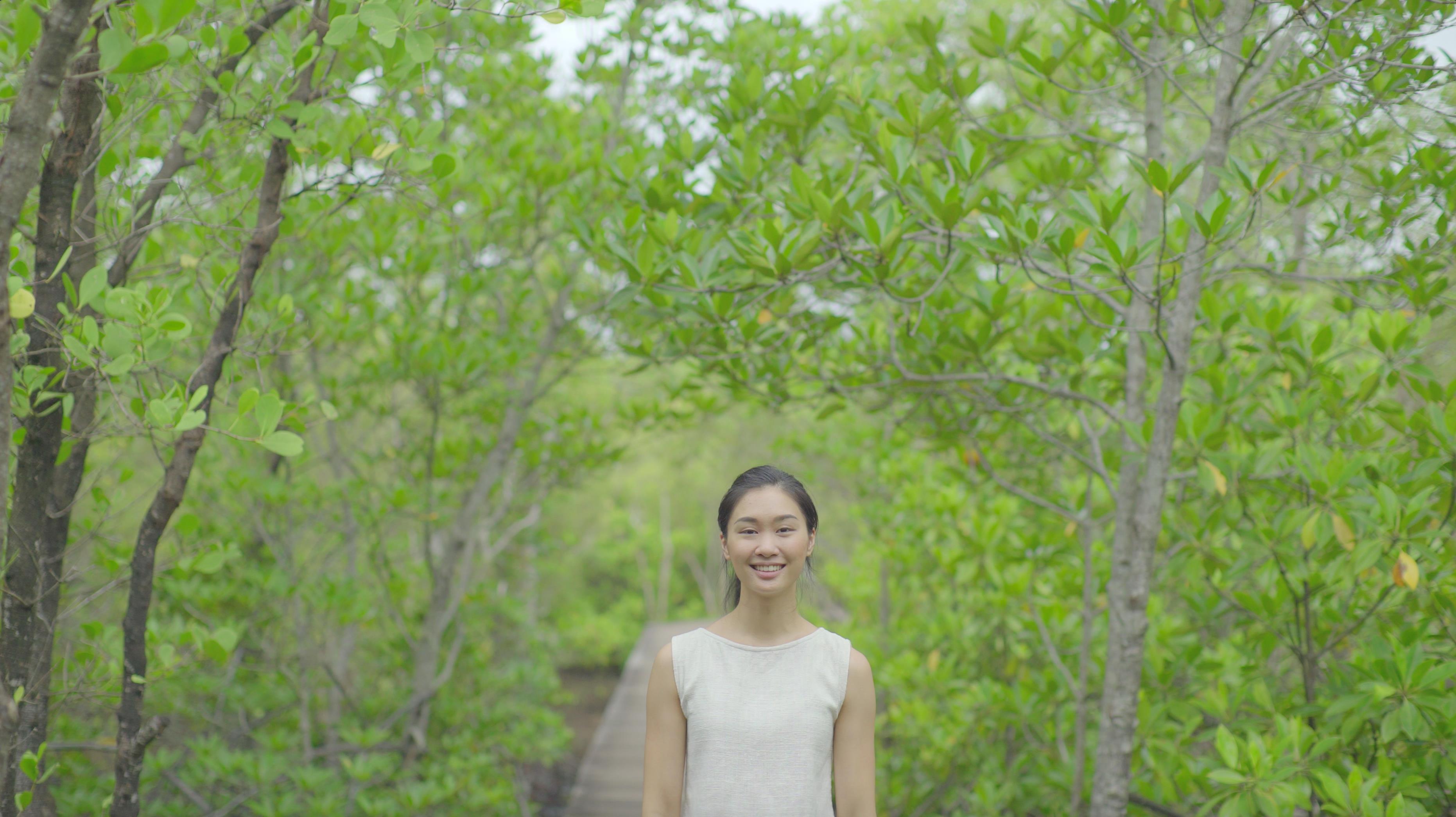
By Khun Chutaree Thepakham, the first Top Chef Thailand chef
Small aquatic animals are like children; without proper care, their chances of growing into good protein sources are slim. King Rama IX understood this well, which is why he ordered the establishment of the Kung Kraben Bay Development Study Center in Chanthaburi in December 1981.
Additionally, in collaboration with the Social Health Foundation, workshops have been organized to prepare for strengthening and sustaining the economy within the provinces, focusing on leveraging royal science to integrate local wisdom to create a robust and sustainable community economy through tourism, enhancing competitiveness and generating numerous tourism opportunities.
Those interested can watch all 9 documentary episodes on the Facebook Fan page: Traveling Thailand Cool and receive a free book at the Tourism Authority of Thailand offices nationwide or download it at www.tourismthailand.org. For more information, please call 1672, the one number for traveling throughout Thailand.
Thank you for the information from www.tourismthailand.org