Reaffirming Excellence in Every Context: 98 Wireless, the First Residential Project in Thailand Certified for Sustainability by LEED
Although the LEED certification may not yet be widely recognized among the Thai population, it is important to note that LEED is an international standard for assessing sustainability in the design, construction, and operation of green buildings, known as the LEED (Leadership in Energy and Environmental Design) certification from the U.S. Green Building Council (USGBC), which is globally acknowledged. If we mention that the 98 Wireless project, the latest flagship condominium by Sansiri launched earlier this year, has received a LEED certification at the Certified level, it is worth our while to familiarize ourselves with this award. There are over 38,600 commercial and significant buildings worldwide that have been certified under this standard, totaling more than 560 million square meters of usable space across more than 167 countries. Furthermore, 98 Wireless is the first residential project in Thailand to achieve the Certified level from LEED.
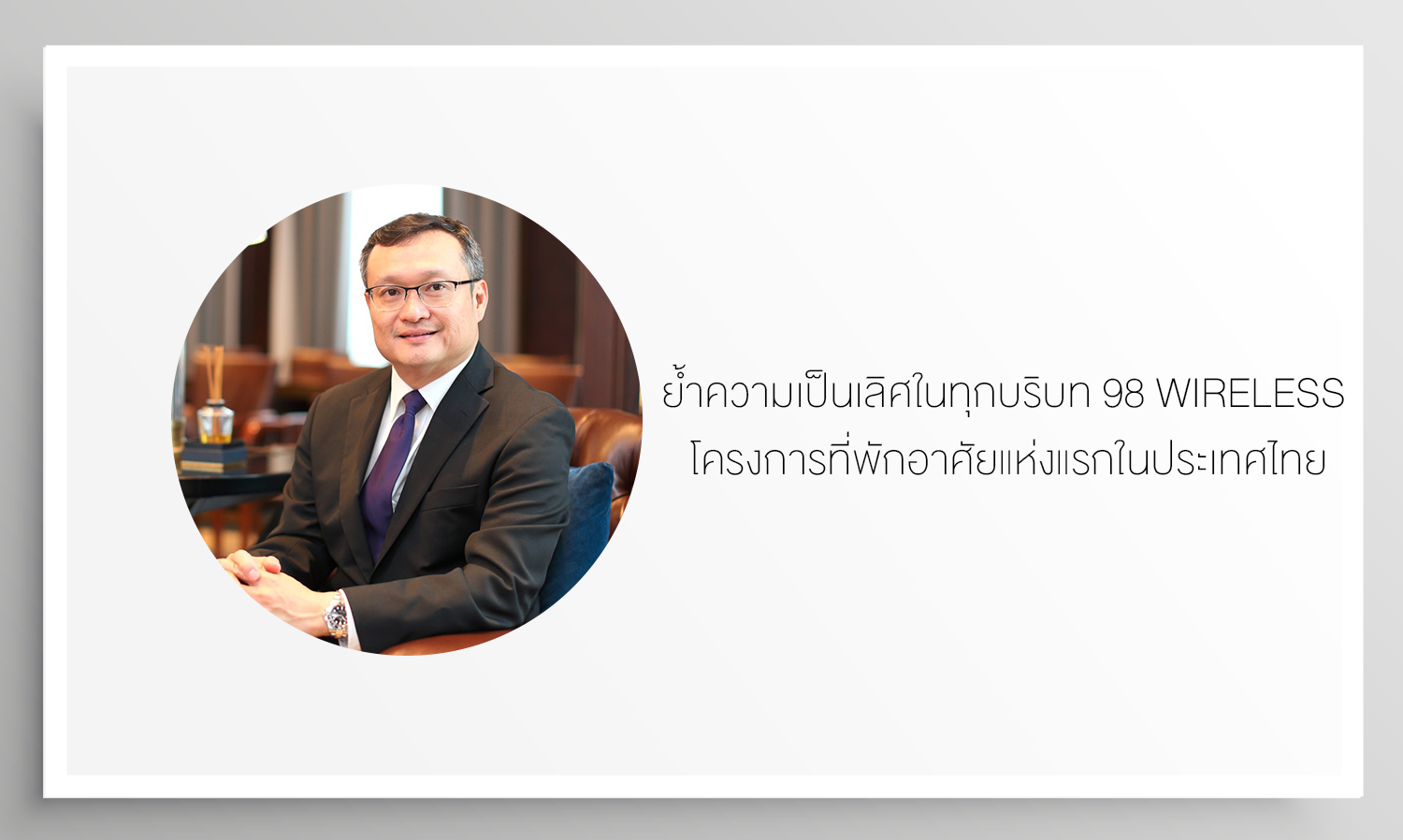
Mr. Uthai Uthaisangsuak, CEO of Sansiri Public Company Limited stated, “It is a source of pride for Sansiri that the 98 Wireless project is the first residential project in Thailand to receive LEED certification. Sansiri has dedicated over 7 years to perfecting every aspect of the project, from site selection and architectural design to the materials used and exclusive services. Our intention from the outset was to ensure that 98 Wireless would achieve a Certified level green building assessment from LEED. Ultimately, the phrase 'The Best Comes as Standard' for 98 Wireless would not be truly 'The Best' if it does not contribute to sustainability and enhance the quality of life for residents. We believe that luxury and sustainability can coexist, and developers of residential projects should create them in tandem. Therefore, we partnered with Minehart (Thailand) Co., Ltd. to act as consultants for the 98 Wireless project, ensuring compliance with the established standards. Minehart also oversees the internal structure of the building, including water systems, electrical systems, and private elevators for each unit, as well as designing supercar parking spaces to cater to the lifestyle of residents in every aspect.”
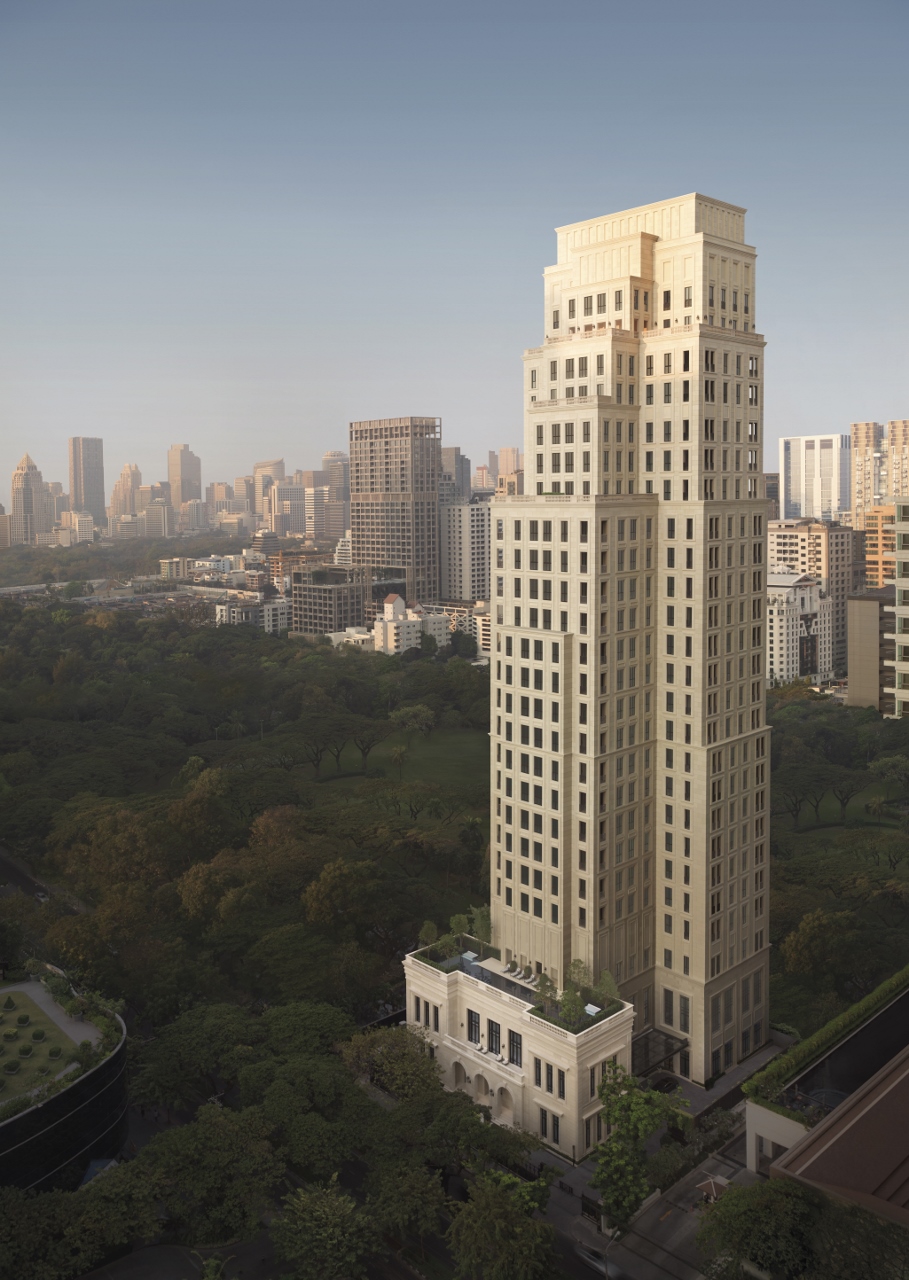
The 98 Wireless project passed the LEED certification assessment in September 2017 under clear and straightforward LEED evaluation criteria, meeting standards in 7 key areas, including:
- Sustainability of the building site (Sustainable sites)
- Water efficiency (Water efficiency)
- Energy efficiency and reduction of atmospheric impact (Energy & Atmosphere)
- Material and resource selection (Material & resources)
- Indoor environmental quality (Indoor environmental quality)
- Design innovation (Innovation)
- Design that aligns with local climate and geography (Regional priority credits)
In the LEED quality assessment, projects seeking certification are evaluated based on the aforementioned criteria, with scores leading to a rating based on the proportion of each category. For the condominium project “98 Wireless,” several key factors contributed to its status as the first residential project to receive LEED certification, including:
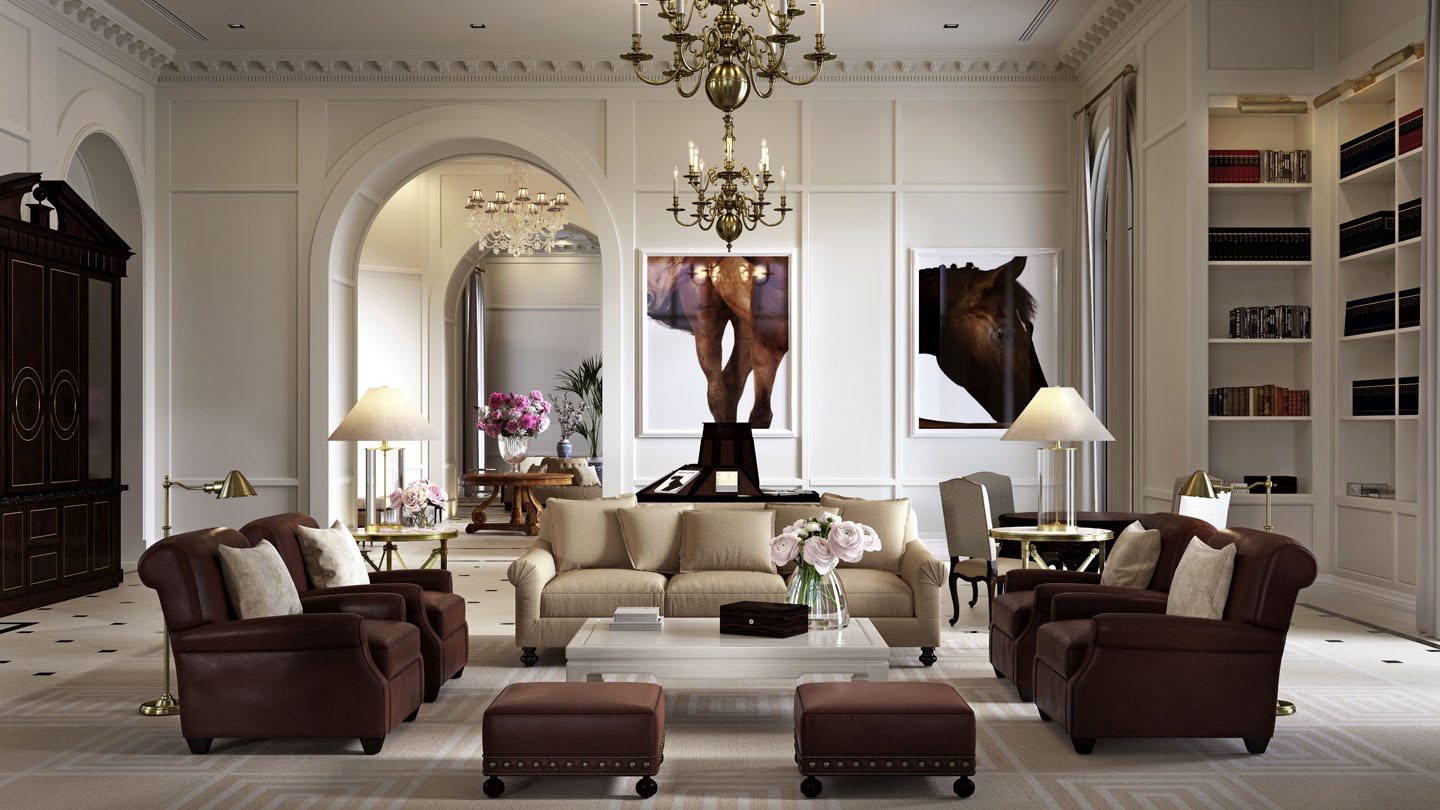
Sustainability of the building site (Sustainable sites)
Starting with the selection of a location surrounded by amenities for living, which is also convenient for transportation, the project includes bicycle parking to promote healthy living and reduce energy consumption, providing another travel option for residents. Additionally, there is open space exceeding Thai legal requirements by about 25%.
Water efficiency (Water efficiency)
All water-using fixtures within the building, including faucets in bathrooms and kitchens, showers, urinals, and toilets, must meet LEED standards for water savings of at least 20% compared to typical buildings. In this case, 98 Wireless clearly meets LEED standards, as the bathroom fixtures can save more than 31% of water compared to standard usage.
Indoor air quality (Energy & Atmosphere)
LEED adheres to ASHRAE 62.1 standards for designing ventilation systems in buildings. Every area where occupants live or work must have fresh air supplied directly and in sufficient quantities. Therefore, 98 Wireless has installed fresh air supply systems in every unit and common areas. The outside air, which may contain pollutants, high temperatures, and humidity, passes through high-efficiency air filters and is cooled using an Energy Recovery Ventilator (ERV), which exchanges cool air with air from the bathroom exhaust fan (without mixing). This results in cleaner air than simply opening windows and consumes less energy for air conditioning than conventional fresh air systems.
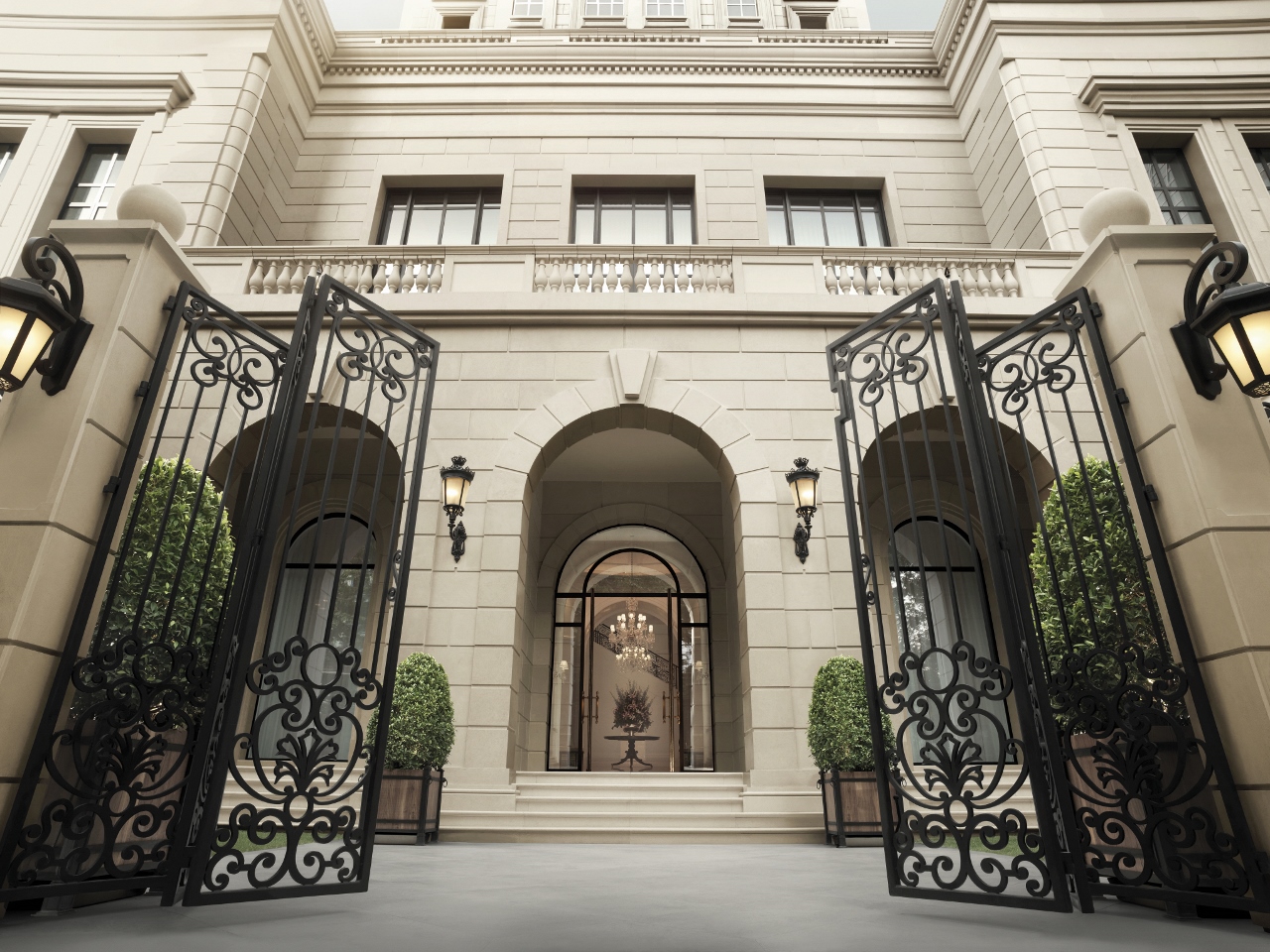
Material selection and effective management of construction waste (Material & resources)
The 98 Wireless project has implemented separate waste bins for recycling within the building to encourage residents to sort their waste. Additionally, during the construction of 98 Wireless, over 1,070 tons of construction waste, or more than 87% of total waste, was effectively managed and sent to recycling buyers. The materials used in construction include both recyclable materials and those produced within Thailand, comprising 10% and 21% of construction costs, respectively. This commitment to managing materials with minimal environmental impact helps reduce the use of new materials, production steps, transportation, and waste disposal, while also promoting the domestic economy.
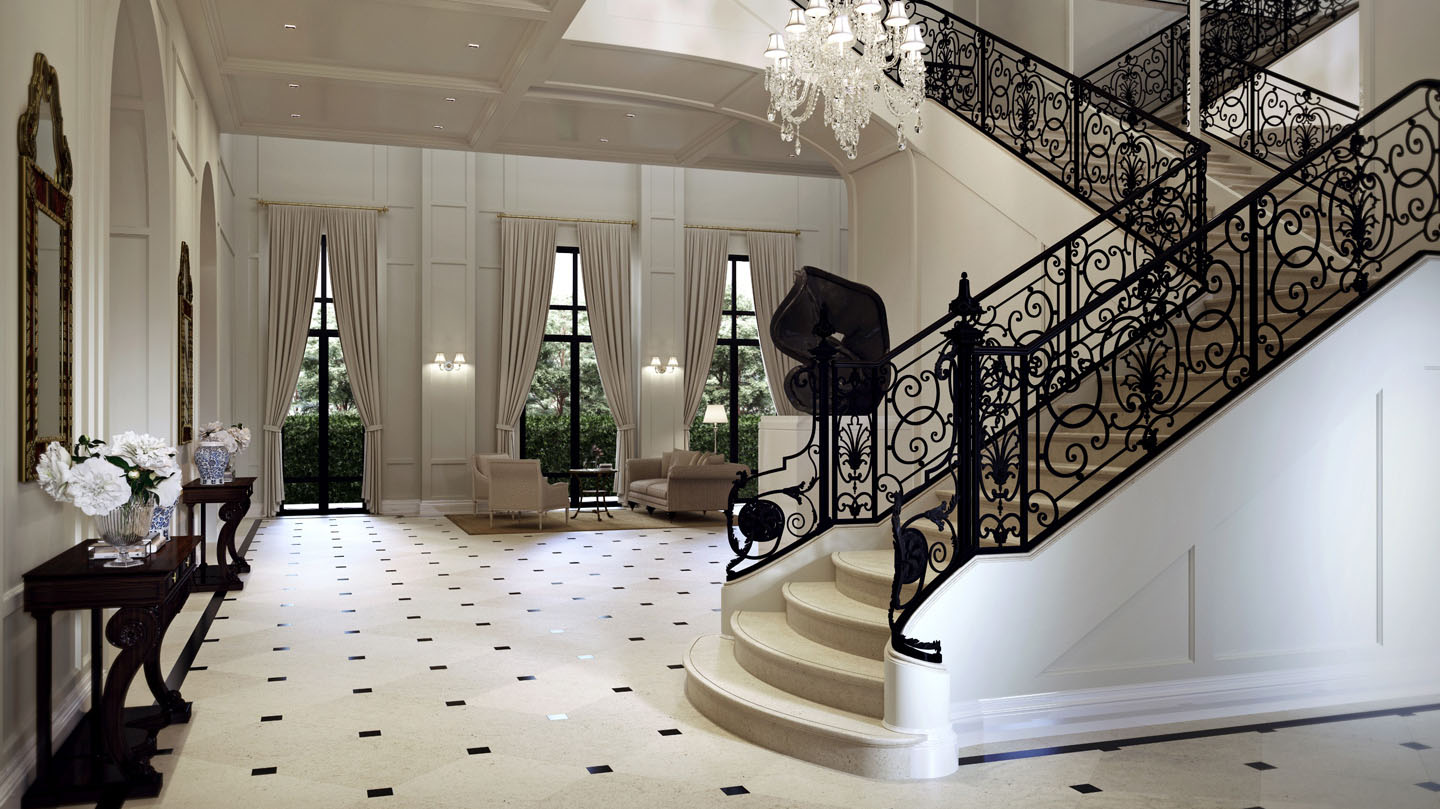
Energy efficiency within the building (Indoor environmental quality)
Energy conservation in buildings is a core principle of green buildings. Not only does it help reduce energy costs, but it also alleviates the energy production burden on power plants and minimizes environmental impacts from electricity generation. For 98 Wireless, energy consumption is reduced by approximately 15.5% compared to standard buildings per ASHRAE 90.1-2007. Key reasons for this significant reduction include:
Air conditioning system: The 98 Wireless project utilizes a Variable Refrigerant Flow (VRF) cooling system to cool fresh air from the ERV before it is delivered to living spaces. The VRF system consumes less energy than conventional AC systems because it adjusts refrigerant flow based on current cooling loads, whereas AC systems operate in an on-off manner. Thus, using VRF significantly reduces energy consumption for cooling.
Hot water system: Waste heat from the air conditioning system typically requires fans to dissipate heat. However, in the 98 Wireless project, this heat is repurposed to heat water within the units. This means that when air conditioning is used, residents can have hot water with minimal or no electricity costs for heating.
Innovative design (Innovation)
In addition to timeless architectural design with a Bozar exterior and luxurious yet warm interior decor, the 98 Wireless project incorporates innovative design and living solutions, such as EV chargers for electric vehicles and designated parking spaces for energy-efficient cars, to further promote tangible sustainability.
Design that aligns with local climate and geography (Regional priority credits)
The 98 Wireless project is located in the heart of Bangkok, conveniently close to public transportation and surrounded by green spaces and various amenities such as shopping centers, offices, schools, banks, and fitness facilities, all within walking distance. This helps reduce car usage while also considering sustainable design and management of the surrounding area.
Mr. Uthai concluded, “The certification of the 98 Wireless project by LEED marks a great starting point and redefines luxury in a new dimension. In the past, luxury was defined by design, decor, the selection of high-quality brands, and superior service. However, today, luxury should also encompass sustainability, as it not only prepares residential projects for living in every aspect but also meets the demands of modern consumers, especially the younger generation, who seek innovative living solutions or sustainability certifications. In the future, Sansiri plans to develop other projects to achieve similar certifications and hopes that more residential and other types of buildings will pass LEED standards soon, proving that developers in our country prioritize energy conservation and environmental protection just as much as those in other countries.”
Thank you for the information from www.sansiri.com