MQDC Unveils "HOME INTELLIGENCE SYSTEM FOR WELL-BEING" at Whizdom Station Ratchada-Thapra Project
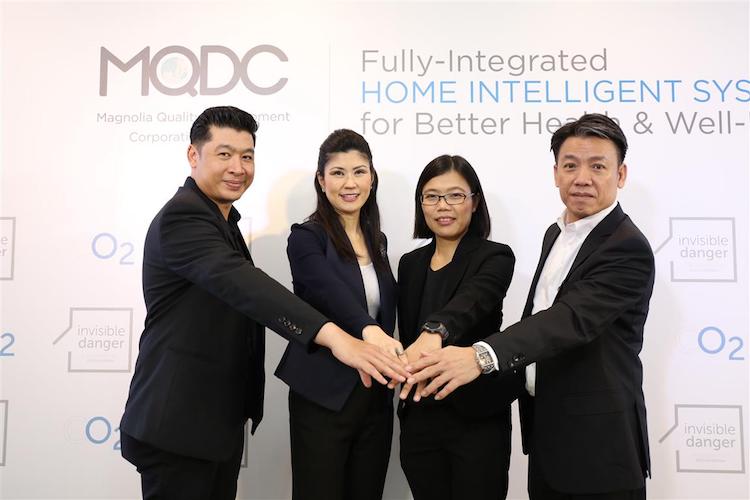
MQDC has unveiled the "HOME INTELLIGENCE SYSTEM FOR WELL-BEING" at the Whizdom Station Ratchada-Thapra project, aimed at enhancing the quality of life for residents through innovative energy-efficient solutions developed in collaboration with the RISC Research and Development Center for Sustainability and Obotrons. The system encompasses three main components:
- An energy usage alert system known as the Energy Measurement Unit or EMU.
- A health and well-being response system featuring sensors that detect carbon dioxide levels in the room, ensuring they do not exceed 800 ppm, along with temperature and humidity controls connected to the ventilation system.
- A lifestyle response control system for convenience, allowing home systems to be managed through a Smart Device.
The ERV (Energy Recovery Ventilation) system is a key highlight of the Home Intelligent System. This system works in conjunction with other components of the Home Intelligent System to improve indoor air quality, positively impacting health. It continuously monitors air quality (carbon dioxide or CO2) in bedrooms and living rooms. If CO2 levels exceed the set threshold, the system automatically connects to the ERV to bring in fresh air from outside and expel stale air, ensuring a comfortable environment with reduced CO2 levels.
CO2 levels and indoor air quality are crucial factors that directly affect health. On average, people spend 90% of their time indoors. Therefore, insufficient ventilation can lead to the accumulation of volatile compounds and pollutants, including CO2 generated by occupants' breathing, which can reach harmful levels over time.
“Nowadays, we spend almost all our time in air-conditioned rooms, whether at work, home, or in the bedroom. Most air-conditioned spaces lack a system to circulate fresh air from outside, causing us to breathe stale air continuously. Initially, the body may not show symptoms, but long-term accumulation can lead to various health issues, such as memory decline in the elderly or developmental delays in children,”
For those without an ERV system, oxygen can be introduced into the bedroom by slightly opening doors or windows or using exhaust fans to allow outside air to circulate and reduce CO2 levels. The standard CO2 level that minimally impacts health is below 1000 ppm (1 PPM = 1 part per million).
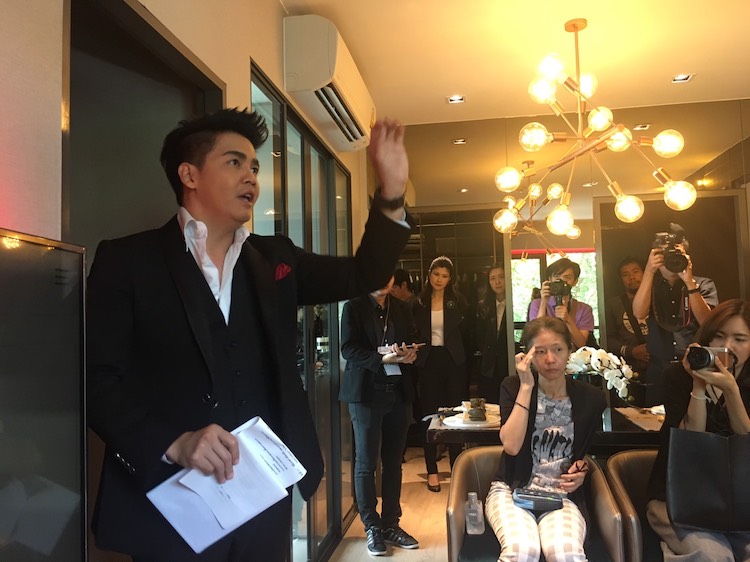
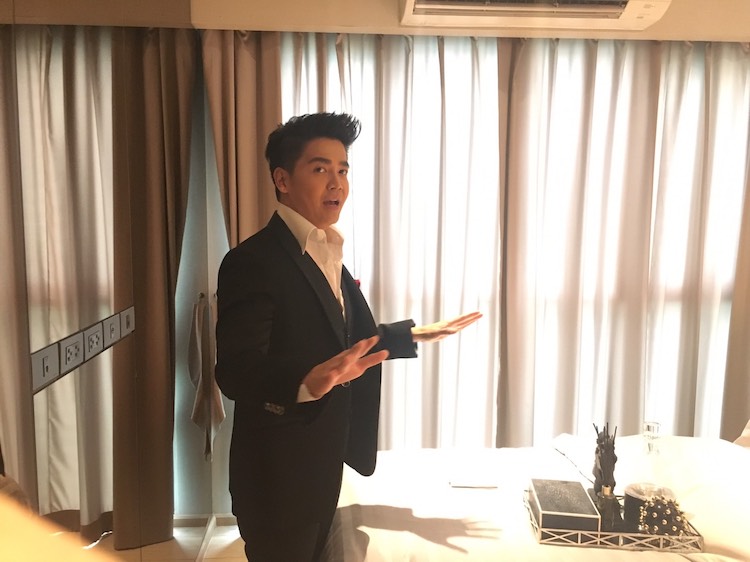
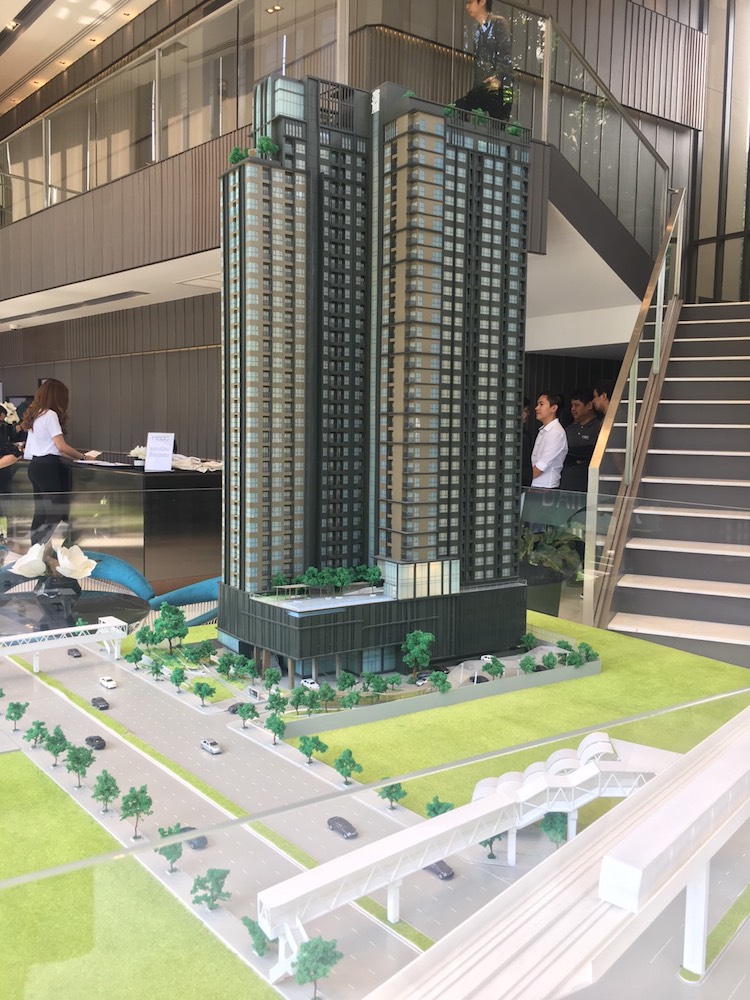
The Home Intelligent System is one of the innovative technologies that MQDC will implement in the Whizdom Station Ratchada-Thapra project, set to launch in the third quarter of 2018. This project will be the first in Thailand and for MQDC to install a system designed to improve indoor air quality (Indoor Air Quality - IAQ).
MQDC recognizes the necessity of enhancing indoor air quality, ensuring that both buildings and units in all MQDC projects are designed for optimal air circulation, allowing residents to enjoy high-quality air. MQDC is the first real estate developer to prioritize indoor air quality, reinforcing its corporate strategy focused on Well-Being to sustainably improve the health and quality of life for residents.
Thank you for the information from www.mqdc.com