Nearly 4 Decades of 'Lalin Property': Growing with Discipline, Where Quality, Liquidity, and People Must Move Together
In a time when the real estate market faces sluggish purchasing power, strict lending policies, and rising operational costs, competition is not just about who launches more projects, but rather who can manage costs, maintain liquidity, and deliver products that accurately meet consumer demands.
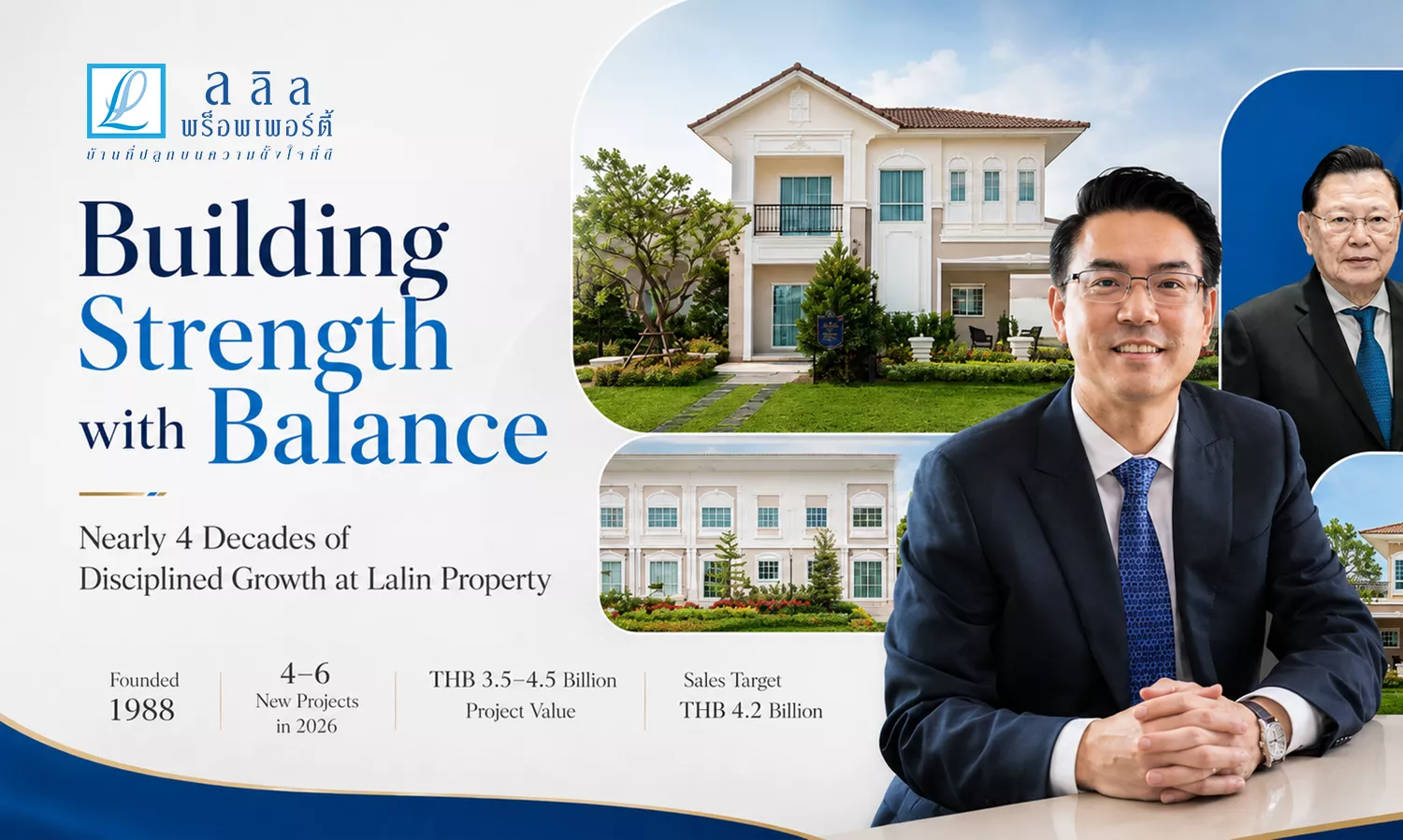
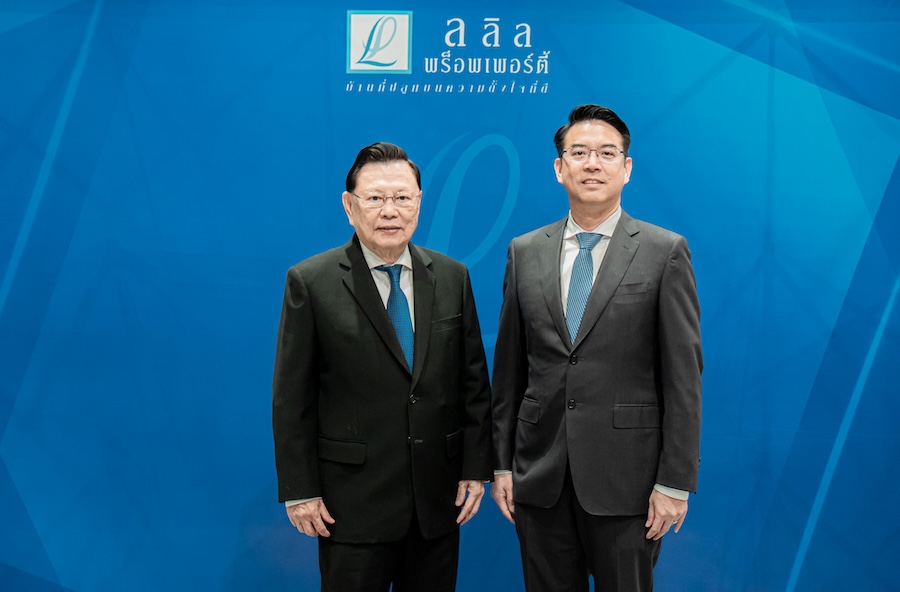
Lalin Property, founded on September 8, 1988, has been in business for nearly four decades, with Mr. Chaiyan Chakarakool, the CEO, being one of the key figures in laying the foundation of the organization. Lalin's business approach emphasizes the development of quality housing that offers value for money and meets customers' long-term lifestyle needs, rather than merely chasing short-term market trends.
The core of this philosophy is viewing customers as the starting point of development, from site selection and space design to quality control and pricing that aligns with purchasing power. Thus, a home is not just a finished product to be delivered, but a space where residents can live happily, with quality, and feel that the value received is commensurate with the money spent.
Competing with Efficiency, Not Overexpansion
One of Lalin's advantages is its systematic project development management. The company has its own construction component factory and employs Precast and Tunnel Form technologies to help control quality, reduce construction time, and manage costs. Additionally, the company has its own procurement strategy for essential construction materials and has in-house business development and market research teams that study demand, supply, competitors, and costs before deciding to develop a project.
This structure means that Lalin's competition is not solely based on price reduction but stems from cost efficiency, speed of execution, and the ability to control product standards from start to finish.
At the same time, the company prioritizes maintaining liquidity, controlling debt levels, and launching projects in line with market rhythms. This concept is clearly reflected in the experience during the economic crisis of 1997, when Lalin was able to continue operations without entering rehabilitation plans or restructuring debt with financial institutions. However, to say that the company was "not affected at all" may be too broad, as every business at that time had to adapt to the economic conditions.
A key lesson from that period is not to expand the business beyond its capabilities, control cash flow, and operate within the organization's expertise. This concept aligns with the operational plan for 2026, where the company states it will maintain liquidity, control the debt-to-equity ratio, and launch projects based on real data and purchasing power in each area.
From 'Everything Can Do' to Becoming a Learning Organization
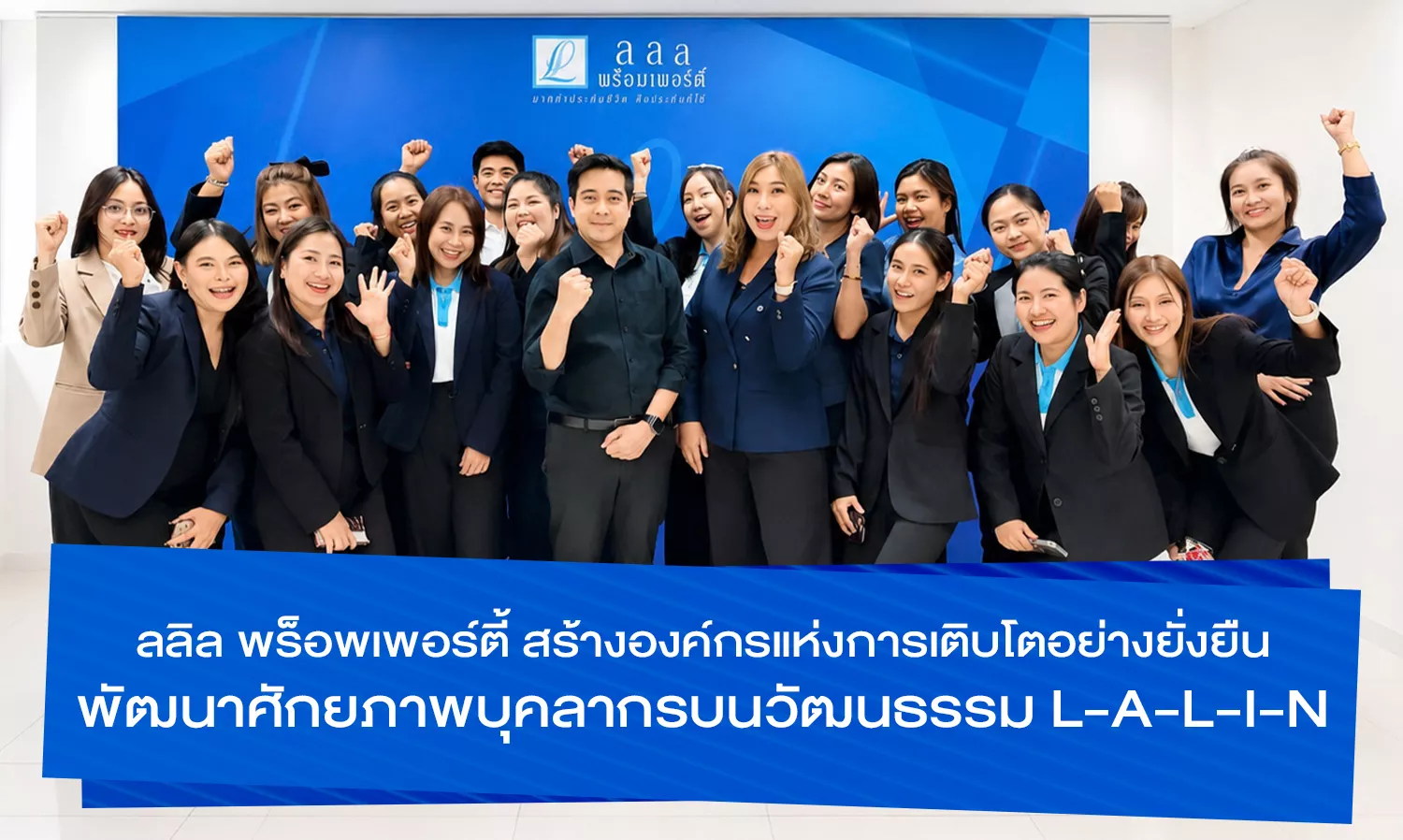
Lalin's work culture was once described through the concept of "Everything Can Do, Never Give Up" alongside teamwork. Meanwhile, the current organizational values have evolved into L-A-L-I-N DNA, which stands for Long Term Thinking, Adaptation, Lifestyle, Innovation, and Networking, reflecting long-term thinking, flexibility, understanding of lifestyles, innovation creation, and collaborative networking.
The organization also aims to become a Learning Organization through Lalin Academy, establishing a Training Roadmap, developing skills in data handling, problem-solving, strategic thinking, and cross-team collaboration, as well as upskilling and reskilling employees to effectively use digital tools and AI to enhance analysis and work efficiency.
In terms of talent development, knowledge should not be confined to any one position or department but should be exchangeable and build upon new working methods. Creating a new generation of teams alongside transferring experiences from long-standing personnel will be a crucial mechanism that helps the organization adapt without losing its original foundation.
A Year of Quality Survival
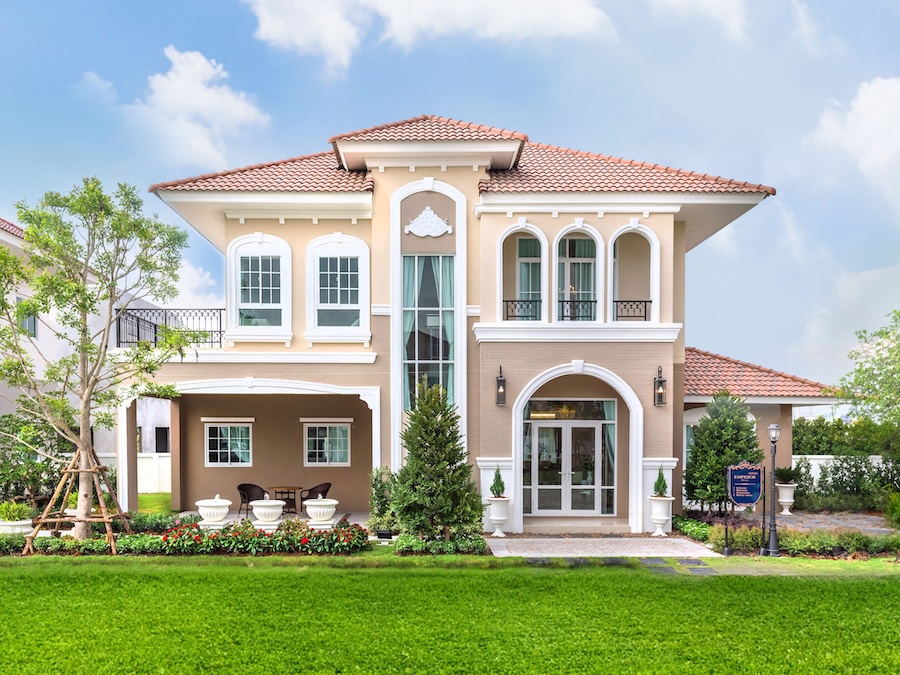
For the year 2026, Lalin has set its business operation framework under the concept of "Competitive Survival with Quality, Lean and Innovation for Resilience & Sustainable Growth," announcing plans to launch approximately 4–6 new projects with a total value of around 3.5–4.5 billion baht, covering townhomes, duplexes, and single-family homes priced between 2–12 million baht, with sales targets of 4.2 billion baht and revenue of 3.35 billion baht.
These figures reflect that the company continues to launch new projects, but will not focus solely on quantity. Gradually developing in phases, controlling product volume, and considering actual demand in each location will help reduce the risk of excess inventory and allow working capital to return to the organization more quickly.
Regarding products, future homes may have more compact overall spaces according to purchasing power but must provide flexible functions that accommodate diverse lifestyles, including working from home, multi-generational living, and adaptable spaces that change roles according to the life stages of residents. This approach aligns with the company's strategy that emphasizes Customer Insight, value for money, and creating products that meet real-life usage patterns.
Ultimately, the strength of the organization may not be measured by the speed of expansion but by its ability to maintain a balance between customers, quality, costs, personnel, and cash flow.
Over nearly four decades, Lalin has demonstrated that cautious growth does not necessarily mean stagnation; rather, it is about choosing to move at the right pace and preparing the organization to adapt to unforeseen changes.